

By Anju Devadas
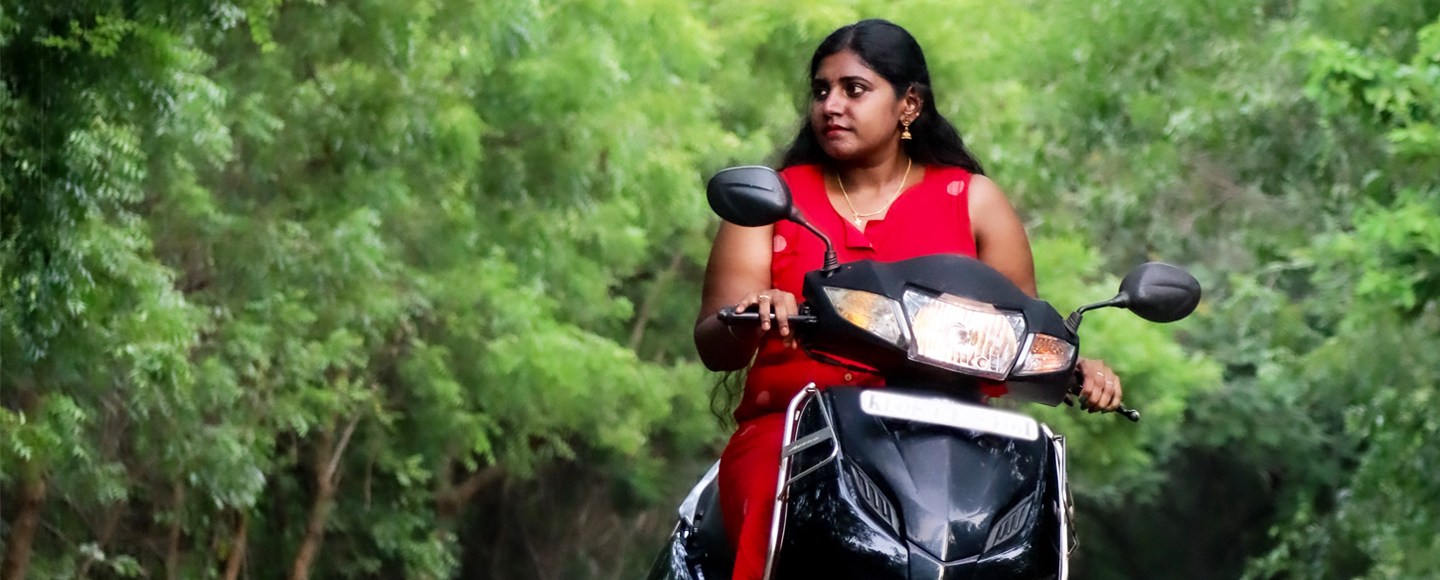
There are certain purchases that divide your life into a before and an after. For me, it was a two-wheeler, or what we commonly call a ‘scooty’ in India – a lightweight, gearless motor scooter. I bought mine in my mid-20s, when I was working as a guest faculty at a college in Thiruvananthapuram, Kerala. At that age, I was beginning to experience adulthood not simply as a collection of responsibilities, but as a growing desire to decide where I went, when I went and how I got there.
The day I bought my scooty, I felt as though I had entered a new phase of adulthood. It was as if I had grown wings and could leave whenever I wished.
Everyone around me had their own anxieties. My mother waited impatiently until I returned home. She was worried whether I would be able to manage it on my own. My brother turned every ride into an opportunity to offer unsolicited lessons on improving my riding. My younger sister watched with fascination, secretly wishing she had one of her own.
But that little machine was not merely a vehicle for me; it was a companion that rearranged the architecture of my everyday life.
Years later, I understand that feeling differently. I now teach English at Pondicherry University, where I work in the School of Humanities and often take classes for students in other departments. In a sprawling campus where getting from one academic space to another can be difficult without transport, a two-wheeler can determine how easily you move through your working day.
What began for me as a small act of independence in my 20s has, in my 30s, become an important part of how I navigate my professional life. That is why I have come to understand mobility as something much larger than simply getting from one place to another.
Before I owned a scooty, I waited for someone else to drop me wherever I needed to go. I had to match my plans with someone else’s availability, ask for favours or wait until it was convenient for another person to get from point A to point B.
Even something as ordinary as meeting a friend for coffee, visiting a doctor, picking up groceries or wandering through a bookstore required planning in advance.
I abandoned perfectly ordinary plans when transport became too complicated. Dependence began to shrink my world, making even the smallest desires feel like inconveniences.
I do have some access to public transport – the nearest bus stop is a kilometre from my home – but public transport is rarely designed with women’s convenience or safety in mind, especially in smaller towns. At times, buses are infrequent and the journey itself can be exhausting.
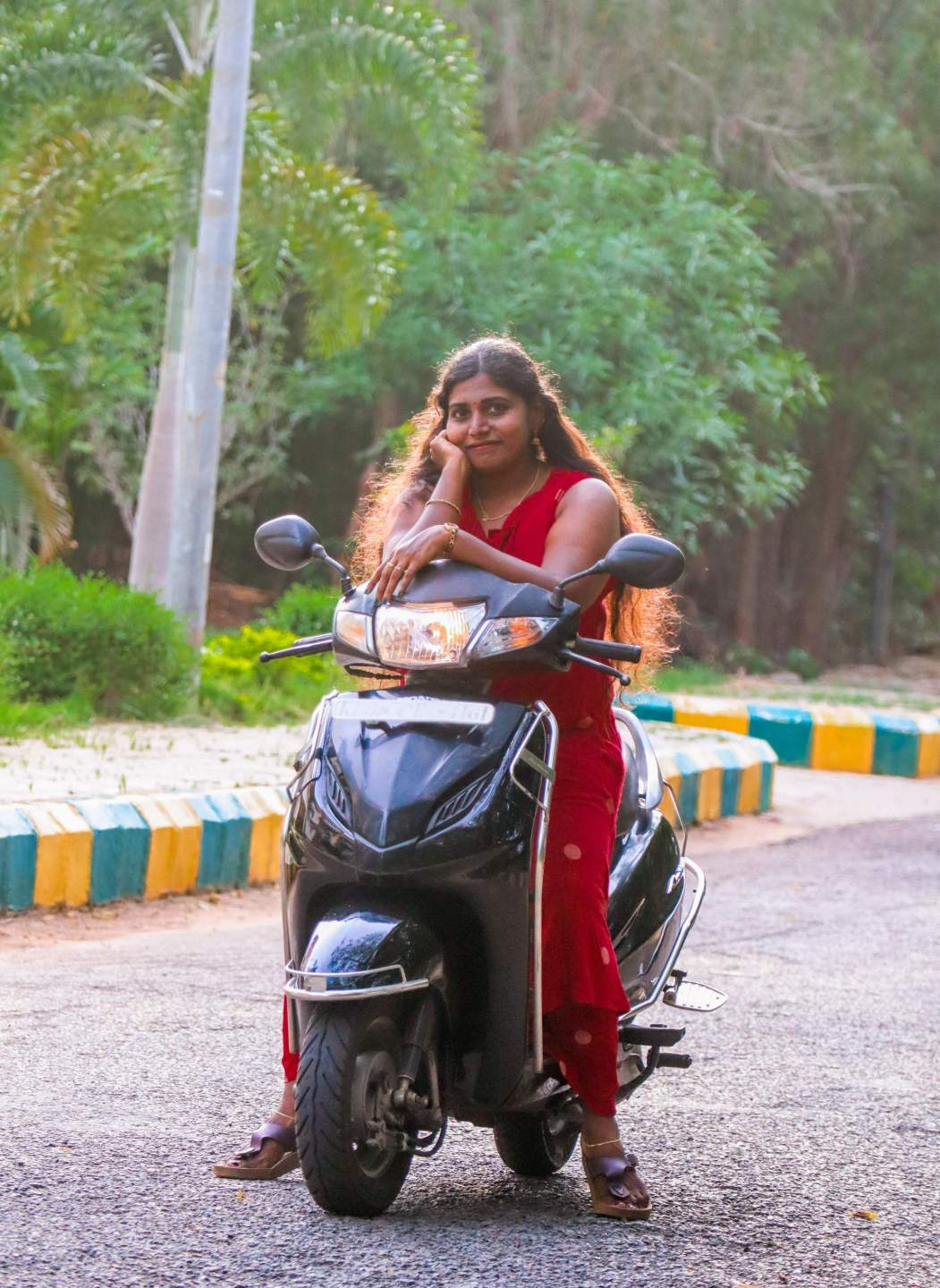
Owning a scooty gave me something I had rarely experienced before: spontaneity. I could leave the house without planning every detail in advance. Suddenly, I could run a 15-minute errand to the supermarket without involving anyone.
I could ride to the beach simply because the evening sky looked unusually beautiful, without waiting for the weekend or someone else’s schedule to align with mine. The city, including its evenings and night life, became a part and parcel of my existence.
Men often mistake mobility for convenience because they have always had it. Women recognize it as freedom because we know what it feels like to live without it.
Learning to ride a scooty was relatively straightforward and less problematic. Once I figured out the delicate relationship between my brain, my hands, the accelerator and the brakes, I was good to go.
A couple of years later, however, I decided to learn to ride a geared motorcycle, and that was an entirely different story. Liberation, it turns out, is far less graceful than it looks.
During my first few rides, I was convinced I needed divine intervention to coordinate the gear, the clutch, the front brake, the rear brake, and my rapidly deteriorating confidence. Every pothole filled me with anxiety. Every speed breaker felt like an obstacle course designed specifically to test beginners like me.
The sight of a kitten or a stray dog crossing the road was enough to send me into a full-blown panic. I would either freeze completely or react so impulsively that the motorcycle seemed just as surprised as I was.
More than once, the engine stalled at a traffic signal, leaving me desperately trying to restart it while an audience of impatient motorists looked on. Nothing humbles you quite like becoming free entertainment at a red light.
However, once I got the hang of it, the machine stopped feeling like a piece of metal and began to feel like an extension of my body. The fear slowly gave way to confidence, and before long, every ride brought with it a small surge of exhilaration.
The confidence I gained has very little to do with mastering an engine and everything to do with discovering that I no longer need to ask permission to exist beyond the walls of my home.
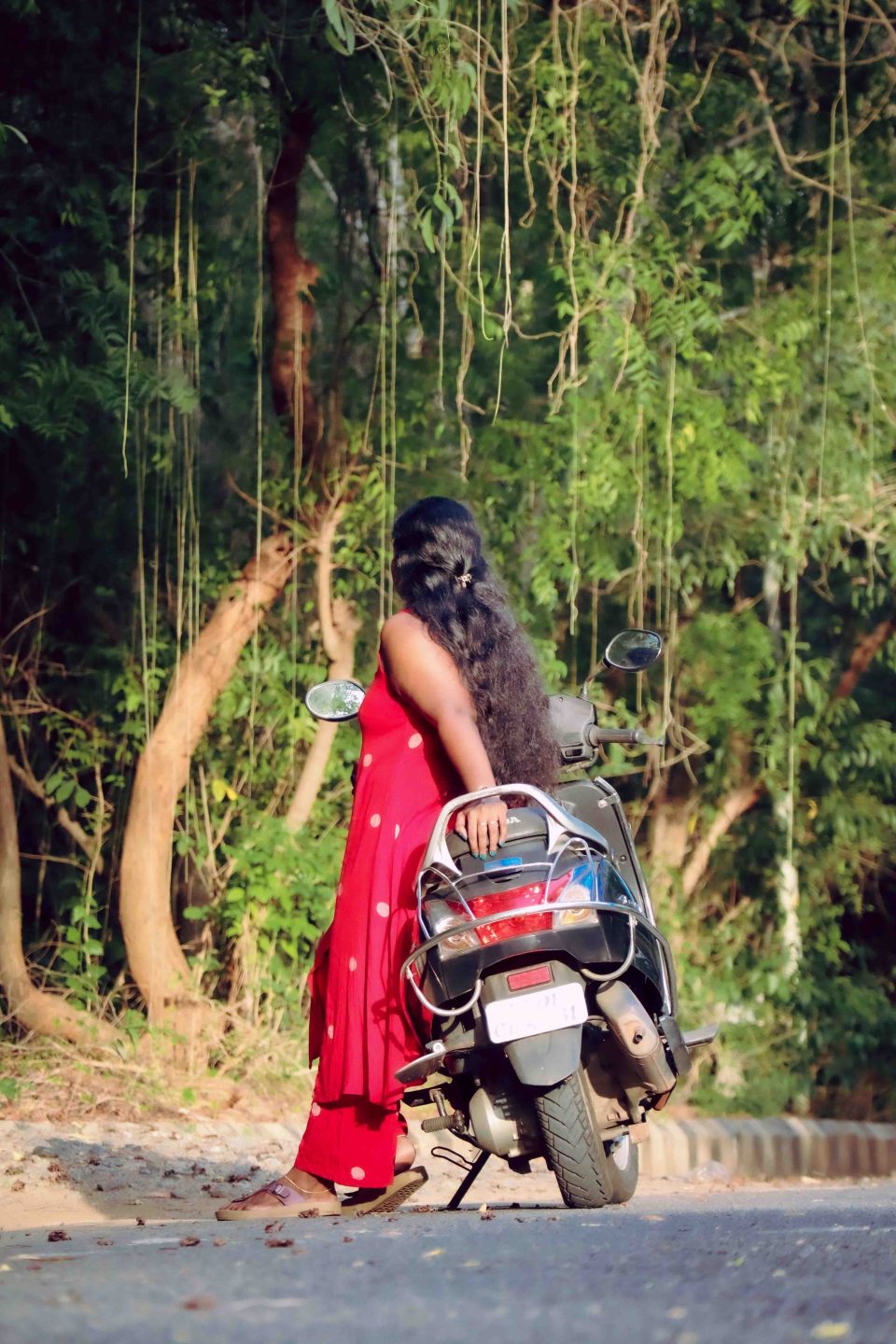
Virginia Woolf famously argued that a woman needs money and a room of one’s own. If she was alive today, she might have added a footnote: a vehicle of one’s own – a scooty, a bike or whatever enables a woman to move freely through the world. Because what is autonomy if your journey depends upon someone else’s ignition key?
Owning a scooty also changed my place within the household. I was now entrusted with errands and responsibilities duties that had once been the preserve of the men in the family.
With mobility came responsibility, and with responsibility came influence. As my family began to depend on me to get things done, my opinions, too, began to carry greater weight. I earned that trust through the everyday acts that keep a household running.
Freedom, it turns out, has domestic consequences, and domestic consequences often become political.
The irony wasn’t lost on me. The very family that once worried about me traveling alone soon began calling me on my way home to pick some vegetables, collect medicines or stop by the bank. Somewhere along the way, my independence became everybody else’s convenience.
It is perhaps the most Indian expression of empowerment: the day you stop asking for rides is the day everyone else starts asking for favors. Apparently, liberation comes with free delivery service.
But mobility does more than make errands easier. It shortens the distance between aspiration and action. It made pursuing my education easier, work more accessible, friendships easier to maintain and even solitude possible.
It allowed me to inhabit public spaces not as a visitor, but as someone who belonged there. For the first time, wherever I went, I felt I had every right to be there.
I also know that my experience is shaped by privilege. I have had access to higher education, employment and the financial means to own a vehicle. A two-wheeler cannot solve every barrier to women’s mobility, and not every woman has the same access to one. Cost, infrastructure, safety, disability, family restrictions and social expectations can all determine how freely a woman moves.
But precisely because I have experienced the difference that independent mobility can make, I find it difficult to think of a two-wheeler as merely a means of transportation.
At a time when feminism is often reduced to hashtags, slogans and endless online debates, I often wonder: what does empowerment actually feel like? Perhaps it is buying vegetables without asking for a ride. Watching a late-night film without worrying about how to get home. Driving to the beach simply because I wanted to dip my feet in the waves. Returning home knowing that every kilometre was traveled entirely on my own terms.
It is a sweet victory for womenfolk if they have the freedom to leave whenever they choose. Feminism can be as simple as wearing a helmet, turning a key and claiming the road as my own.
My scooty introduced me to a version of myself I hadn’t met before. And perhaps that is why, for countless young women in contemporary India, a two-wheeler is never just a vehicle. It is the freedom to turn the key and decide for yourself where the road leads.
The roads I traversed changed very little. I did.
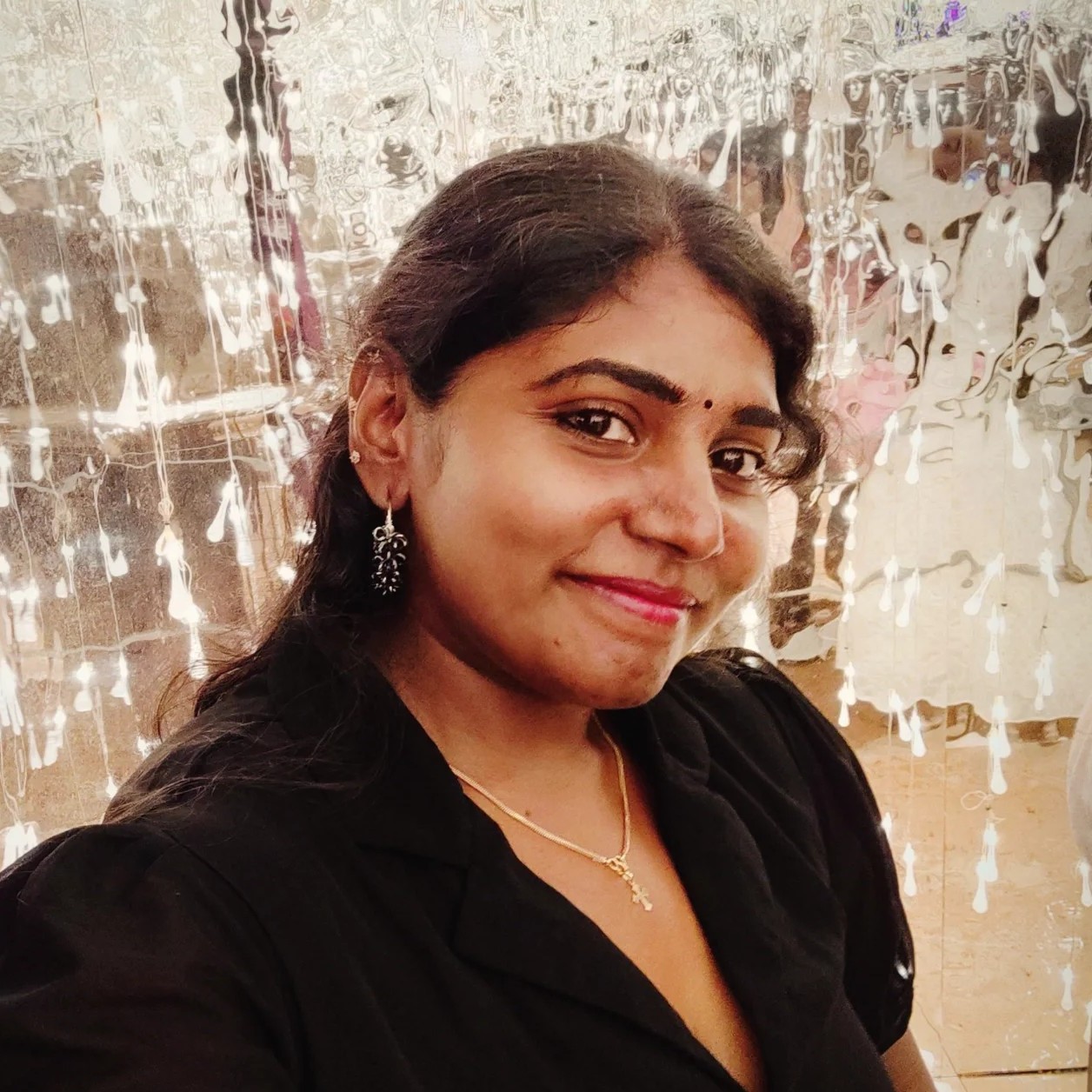
Anju Devadas R D is a poet and writer currently working as a guest faculty in the Department of English at Pondicherry University. Her creative and critical writing moves between the personal and the cultural, drawing on confessional and feminist traditions.
Photography: Grace George
Discover more from eShe
Subscribe to get the latest posts sent to your email.
0 comments on “The most liberating thing I ever bought had two wheels”