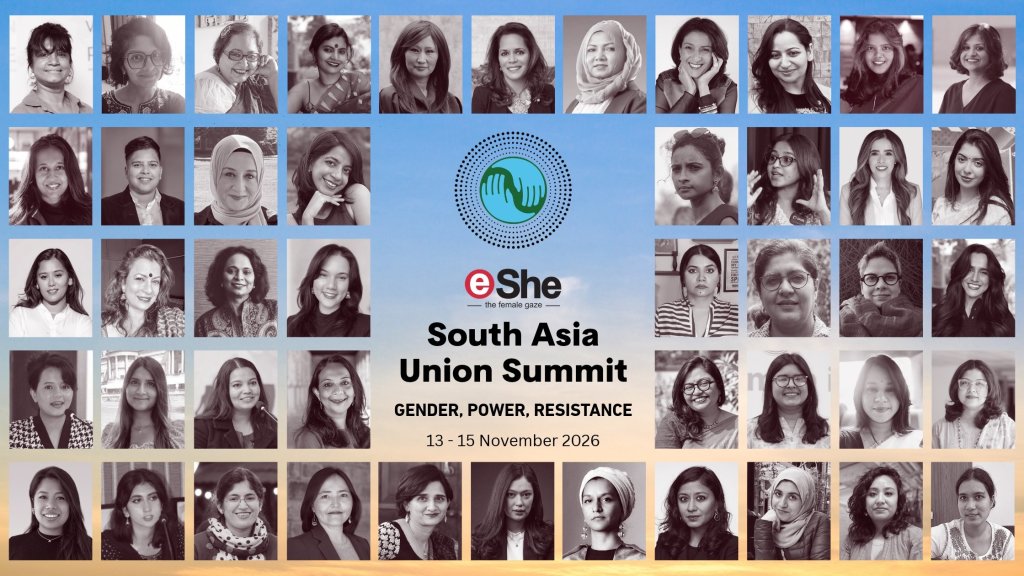
eShe South Asia Union Summit 2026: gender, power, resistance
Join eShe’s free South Asia Union Summit 2026, November 13–15, for feminist conversations on democracy, AI, climate justice, media freedom, caste and women’s resistance.

Join eShe’s free South Asia Union Summit 2026, November 13–15, for feminist conversations on democracy, AI, climate justice, media freedom, caste and women’s resistance.
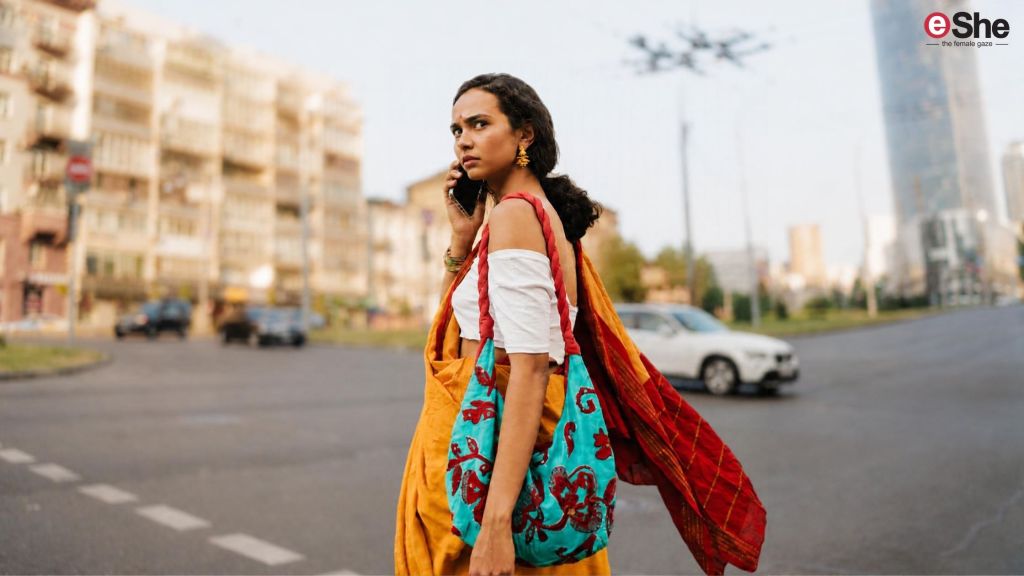
In the aftermath of the Astha Kunj rape case, Delhi college student Ishita Thakur asks why it is always girls who are forced to carry the burden of fear and have their rights denied, while perpetrators roam free.
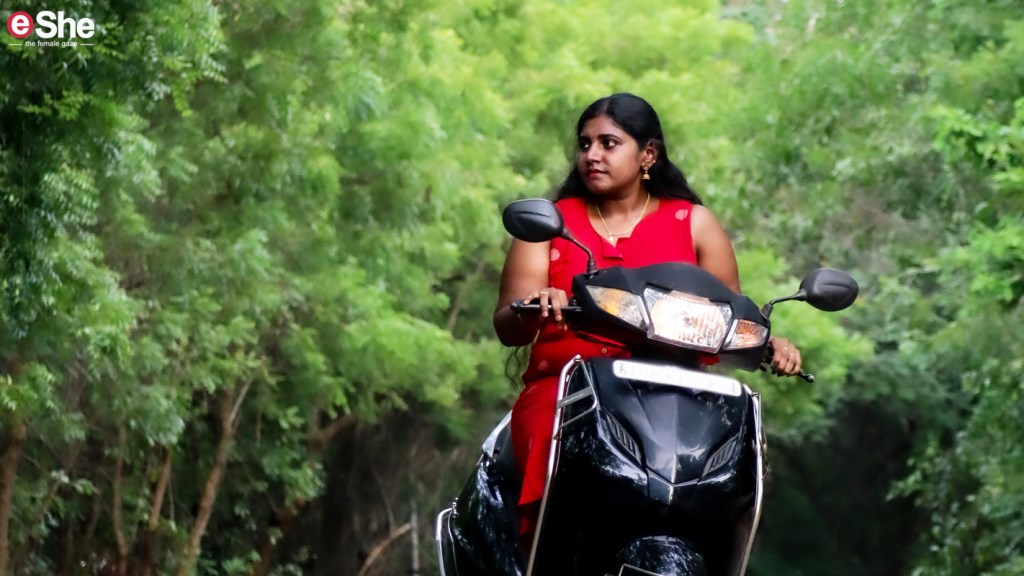
Freedom has domestic consequences, and domestic consequences often become political, writes college lecturer Anju Devadas, whose ‘scooty’ empowered her day-to-day life, and gave her agency in ways she never anticipated.
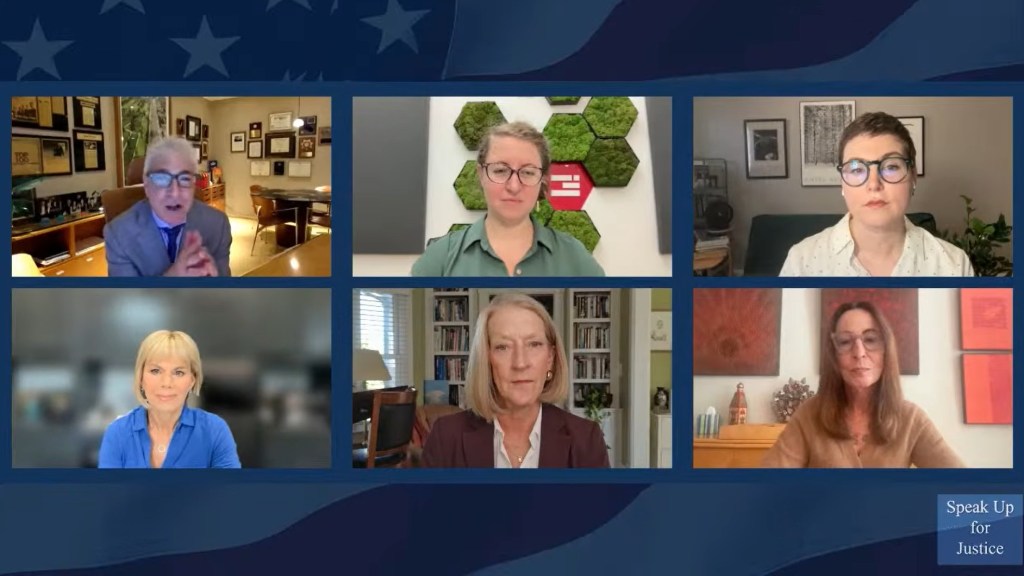
At a Speak Up for Justice forum this week, women journalists’ safety took center-stage as speakers highlighted gendered attacks, restricted access and mounting pressure that can silence questions before they are asked.
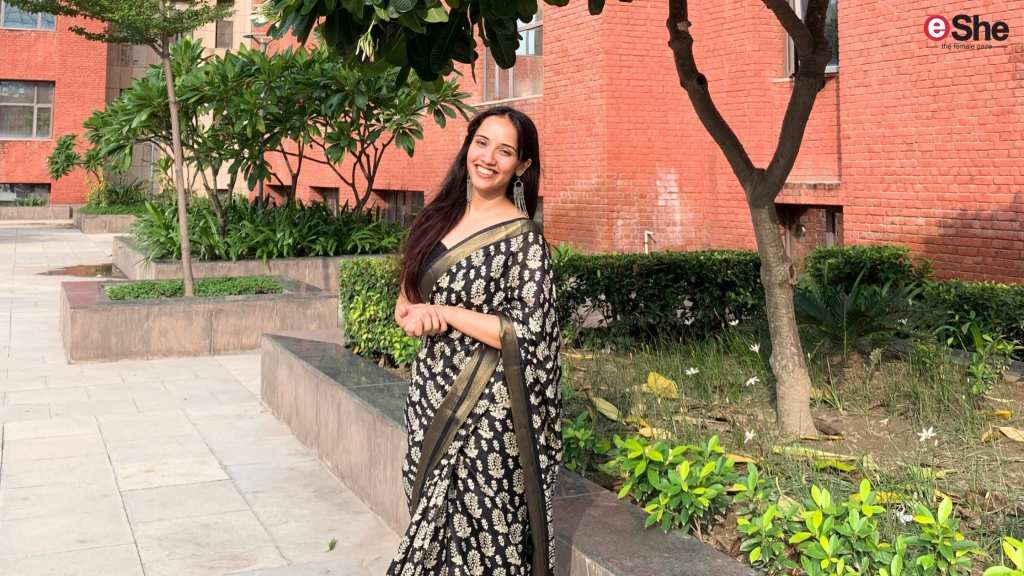
The ‘Beti’ or ‘daughter’ nomenclature in Indian welfare schemes suggests that girls and women will be given resources, safety measures and political space only if they remain within the invisible lines of the traditional household, writes policy researcher Komal Karwa.

From Ursula K. Le Guin in the 1960s to SB Divya in the 2020s – if feminist science fiction is anything to go by, future humans will likely do away with the limitations of gender and go nonbinary, writes Aekta Kapoor.

Like most married couples without children in South Asia, Jammu-based educator Nikita Gupta is often asked why she doesn’t have kids, and given unsolicited advice on why she must. This essay is her response.
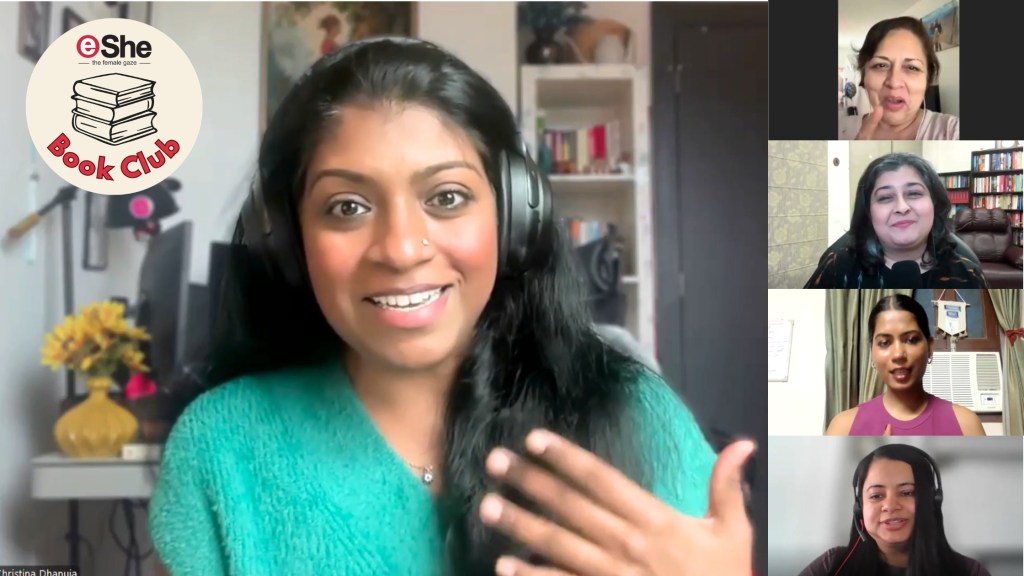
New York author Christina Dhanuja talks about her debut book ‘Dalit Women and the Fullness of Life’ in conversation with Delhi-based PhD scholar Kamna Singh and other participants from around the world at eShe Book Club.

Launched at the Women Deliver 2026 conference yesterday, the Melbourne Declaration calls for stronger accountability from states and a shift of power towards feminist movements and grassroots organisations.

Author and podcaster Shunali Khullar Shroff, whose new book ‘The Wrong Way Home’ focuses on midlife relationships and reinvention, believes feminism is finally having its day in pop culture even if there’s a lot of work left on the ground.

In her new book ‘For the Love of Art’, actor and theatre maven Sajitha Madathil delves into the history of Kerala theatre and film, and uncovers stories of numerous women actors and dramatists who never got due credit in the history books.

Daughters are often caregivers – for parents, children, younger siblings – at a cost to their own dreams and wellbeing. The character of Nita in the 1960 Bengali cult film ‘Meghe Dhaka Tara’ is a poignant example of the daughterhood penalty, writes Reeti Roy.
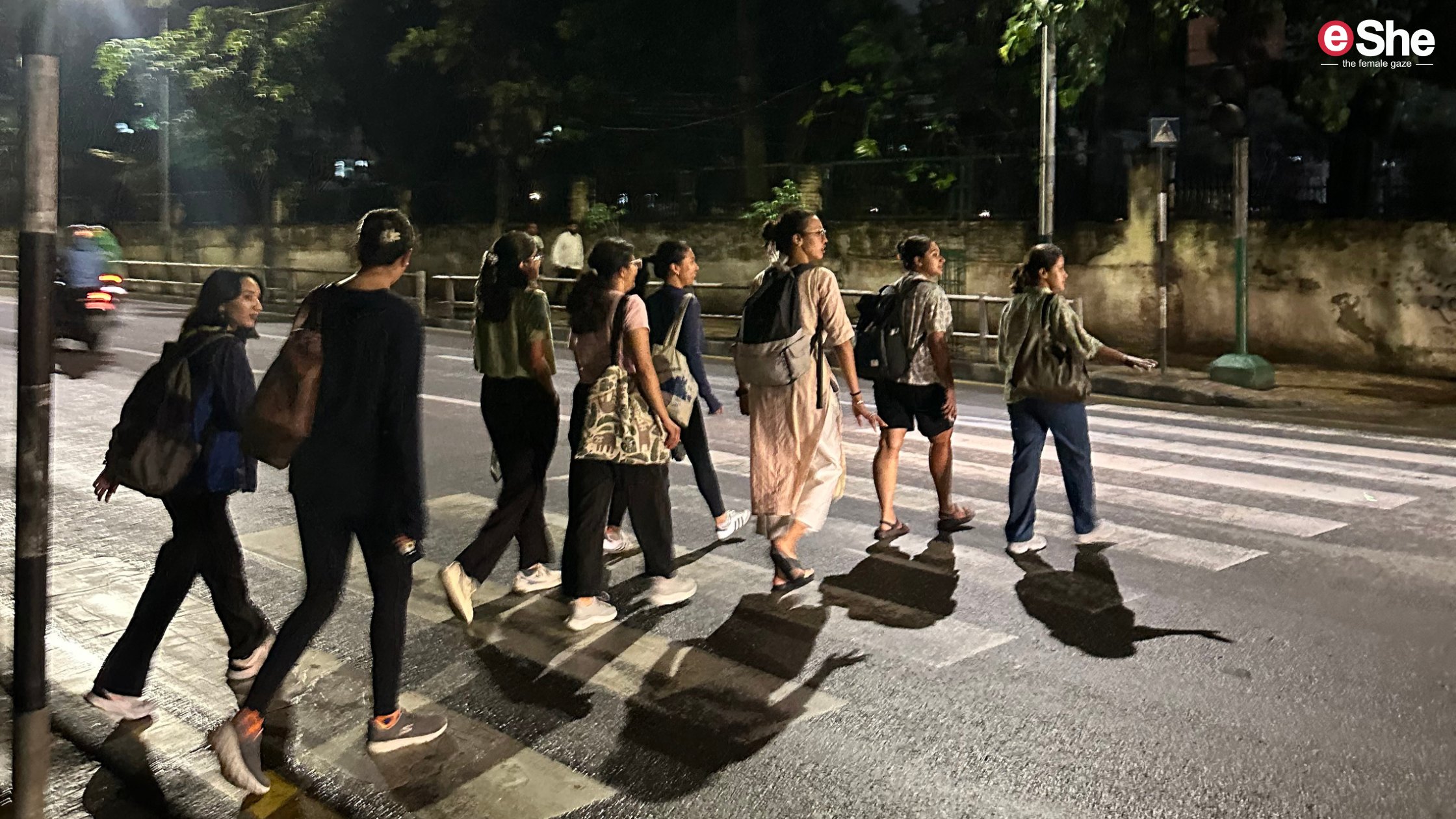
The global popularity of the walking collective ‘Women Walk at Midnight’, which started in India, reveals how walking in public at night can be an act of reclamation and resistance for women in cities around the world, writes Anushka Roy.

The character of Asifa from Banu Mushtaq’s award-winning book ‘Heart Lamp’ is a stunning if tragic portrayal of how continuous labour is the norm and rest is a privilege denied to most women, writes Dr Sapphire Mahmood Ahmed.
You must be logged in to post a comment.