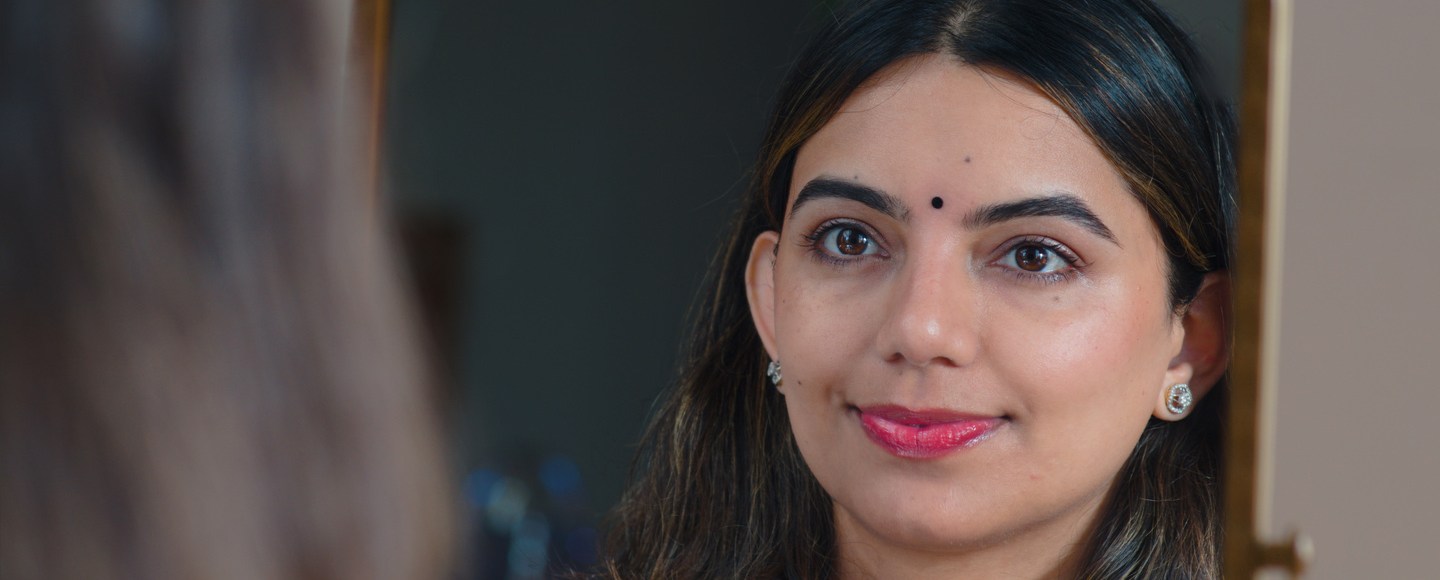

WASHINGTON DC: The Declaration of Independence, signed 250 years ago on 4 July 1776, states that all people are created equal and possess the right to life, liberty and pursuit of happiness, free from interference. For Mississippi-based Nepali immigrant entrepreneur Dipa Bhattarai, that statement is intensely personal.
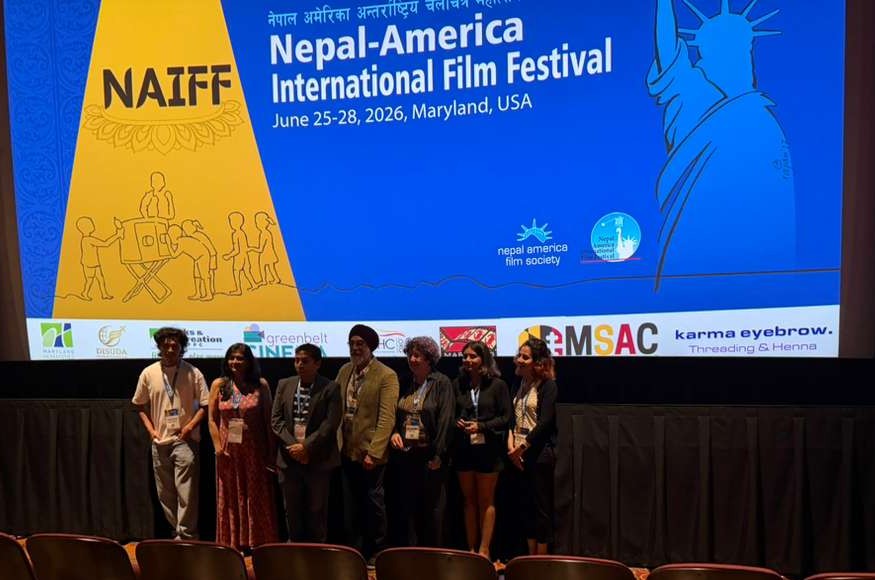
Last week, in honor of ‘America 250’, the Nepal America International Film Festival (NAIFF) screened a new documentary based on Bhattarai’s life, called Threading the American Dream (2026).
Directed by Ashish Shrestha as part of his MFA thesis, the documentary tells the story of how Bhattarai started her business with a $300 investment, watched the state shut it down over a licensing requirement unrelated to her profession of eyebrow threading, filed a lawsuit, and helped to change Mississippi law.
Bhattarai arrived in the USA as a business student in 2014 having enrolled at Mississippi University for Women. She started threading her classmates’ eyebrows from her dorm room as a hobby. This later became a business opportunity.
In 2016, she graduated and opened her first threading salon, Deeva. “I immediately saw the potential. That is when I decided to open a threading business in a mall kiosk,” she tells me over dinner in Washington DC, a few days after the NAIFF screening of her documentary in Greenbelt, Maryland.
By 2017, she had two stores and was generating almost $3,000 per month in revenue from each, while also providing employment to other women.
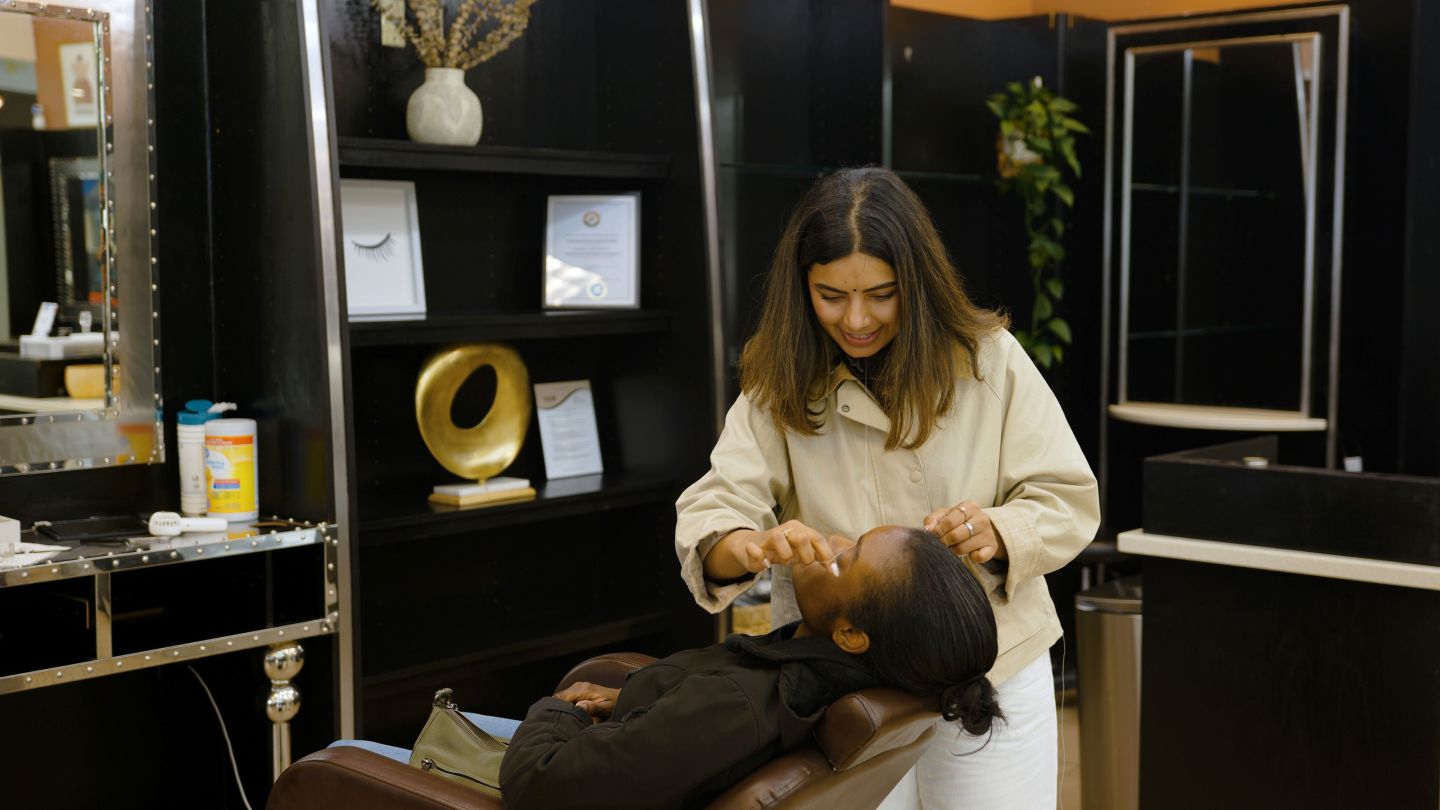
“At that point, I felt financially stable. I thought I could go to grad school because I had a steady source of income. I already had one business and was planning to open a third location in the city where I was going for graduate school,” she shares.
In February 2018, an inspector with the Mississippi State Board of Cosmetology visited her business and, one week before she started graduate school, the board shut her down, stating that state law required anyone offering eyebrow threading to hold an esthetician’s license.
To remain legally open, state law required her to complete 600 hours of cosmetology training. The weeks-long classes cost thousands of dollars. However, under Mississippi Code Section 73-7-18, not one of those hours covered eyebrow threading.
To put this in context, the same state only requires 165 hours of training to become an emergency medical technician, says Bhattarai.
The closure affected more than her finances. Since her and her employees’ source of income was shut down and she had school fees to pay, Bhattarai couldn’t concentrate on her studies.
“I was suddenly dealing with financial stress again. I questioned whether this was fair – especially in a country like the United States, where business and economic freedom are supposed to be encouraged,” she says.
She sought alternatives. She applied for an esthetician’s license by reciprocity, citing her beautician certification from Nepal. The board denied it. She applied to sit for the licensing exam. She was denied again.
She requested to speak at a board meeting, asking the board to eliminate or reduce its regulations. They gave her two minutes, and then the board unanimously denied her request.
She started doing her own research, and found that similar cases had been filed and won. She eventually connected with Aaron Rice of the Mississippi Justice Institute (MJI), a nonprofit public interest law organization that took her case at no cost.
“I believe that God puts the right people in the right place at the right time. I don’t have to force connections; I trust the process. I felt guided when I found the right support, including legal help that came without cost. I saw that as divine support and it strengthened my faith. I believe that when I start something with faith, I will find a way through,” she avers.
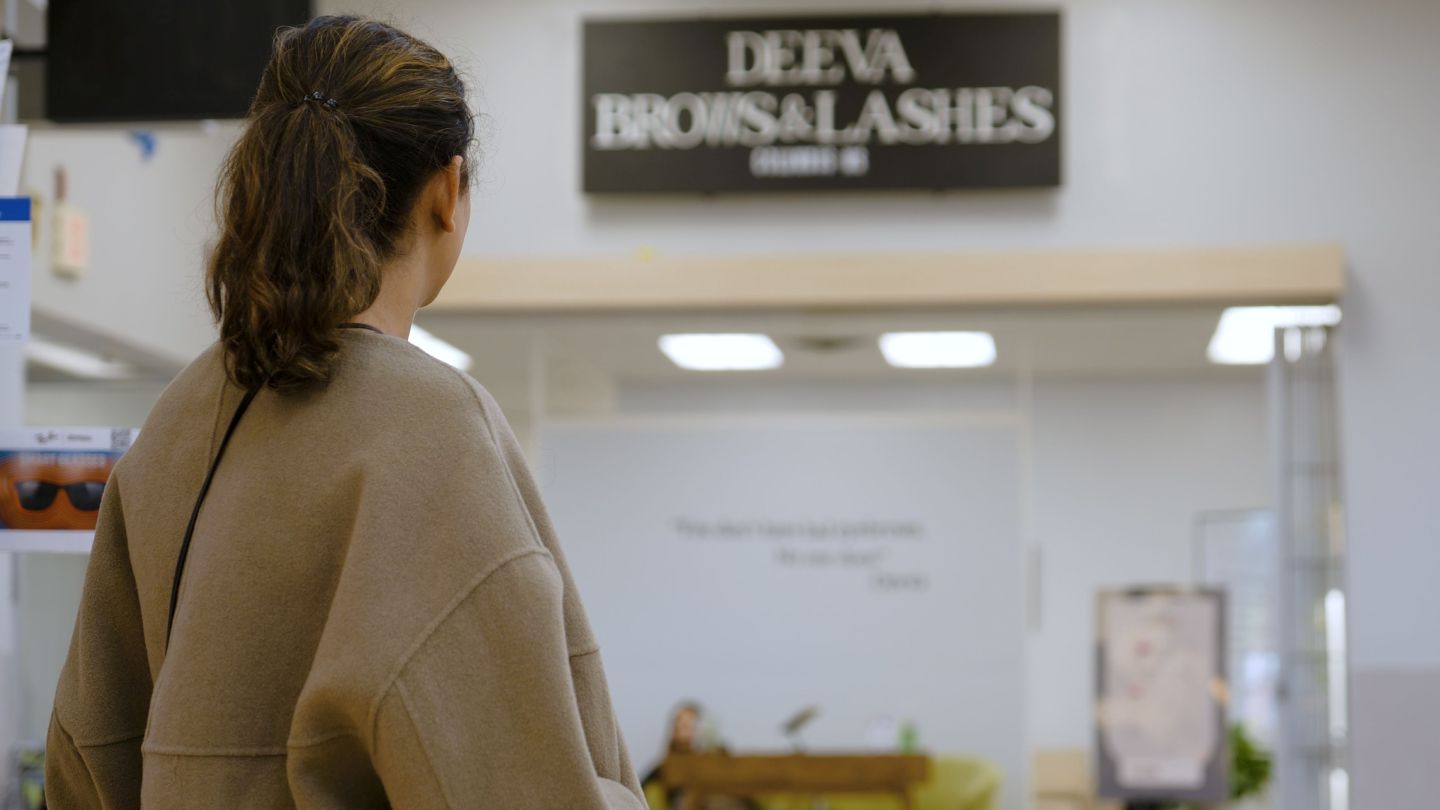
Bhattarai’s friends and family discouraged her believing that, as an international student, she should not take the legal route. Yet she went ahead.
“I was earning an honest living, and I wanted to do things honestly and the right way. What happened to me did not align with the principles of the US Constitution. I was doing my business for my happiness and was contributing to the government by creating employment,” she says.
In 2019, MJI filed a federal lawsuit on Bhattarai’s behalf in the United States District Court, arguing two violations of the 14th Amendment to the United States Constitution: the right to economic liberty – the constitutional protection of an individual’s right to earn a living in a lawful occupation – and the right to equal protection under the law.
The lawsuit’s core argument was that the government cannot restrict someone’s right to earn a living unless the restriction is rationally connected to a legitimate public health or safety concern. Since eyebrow threading involves no skin contact, no sharp implements, no chemicals, and no heat — and since the required 600 hours of training covered none of the actual practice being licensed — there was no rational public safety justification for the requirement.
The lawsuit also raised the argument that the cosmetology board’s regulations effectively protected established competitors (that is, licensed cosmetologists and estheticians) from competition by immigrant and minority entrepreneurs, without any legitimate safety rationale.
The lawsuit challenged this “protectionist licensing” – regulations that exist to protect existing businesses from competition, and not the public – arguing that the training cost thousands of dollars and weeks of lost income, which disproportionately affected low-income businesses.
What worked in Bhattarai’s favour was that similar laws had been successfully challenged in multiple states. Mississippi’s cosmetology laws had also been amended in response to litigation earlier.
“When the government closed my business, they were directly hurting my pursuit of happiness, which is my right. I was working toward a better future and building an honest livelihood. Then the government put a hurdle in front of me and that was unconstitutional,” she says.
In 2021, the Mississippi Legislature passed House Bill 1312 by a vote of 159 to 6. The governor signed it. Eyebrow threading, eyelash extensions and makeup services were permanently exempted from esthetician licensing requirements. The state chose not to defend the law in court.
Bhattarai reopened her Deeva salons. She now has multiple locations across Mississippi, a contract with Walmart, and plans for 11 locations by the end of 2026.
“The American dream is not dead, it is still there,” Bhattarai says. “You have to work hard and learn your rights.”
“Economic liberty is connected to the pursuit of happiness,” she adds. “The Declaration of Independence says that people have the right to pursue happiness, and that economic liberty is part of that pursuit. You cannot be fully free and happy if you are not financially free.”
At NAIFF in Maryland this June, Bhattarai’s documentary was highlighted alongside the panel discussion ‘250 Years of the American Story: Of All the People, By All the People’. Her journey has become an example of how immigrants are not only pursuing the American dream but helping reshape American law and opportunity for others.
Discover more from eShe
Subscribe to get the latest posts sent to your email.
0 comments on “Threading a new path: a Nepali entrepreneur’s fight to earn her American dream”