

By Dr Puja Shree Agarwal
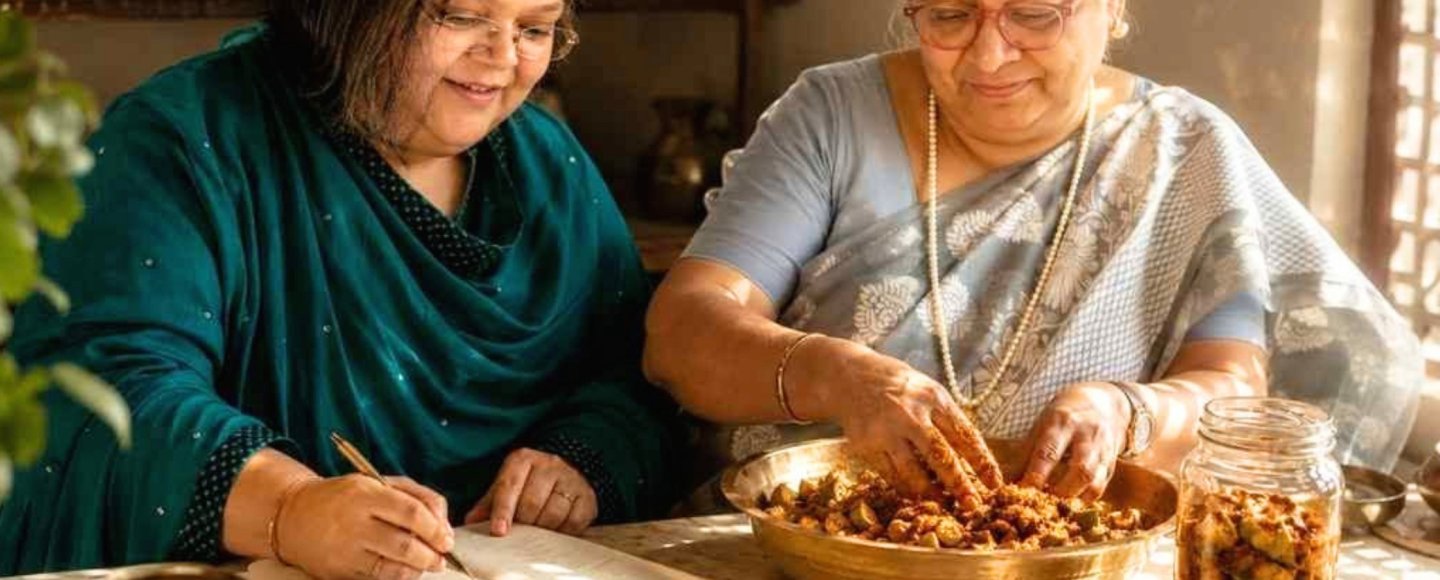
My mother, Uma, has cooked for our family for more than 40 years. Her achaar (pickle) was the reason relatives timed their visits to summer. Her sweets were carried to weddings. Everyone in our house agreed that her hands were the finest in the family. And for most of those 40 years, that skill earned her nothing, and appeared in no account book as work.
I do not say this with bitterness. I say it because it is the normalized arrangement in millions of Indian homes, and we rarely name it.
The numbers are there for all to see. India’s first Time Use Survey, conducted by the National Statistical Office in 2019, found that women spend close to five hours every day on unpaid domestic work, while men spend about an hour and a half. More than 80 percent of Indian women take part in this work daily. An entire economy runs on this labour, and almost none of it is counted, paid or protected.
I was trained to notice what gets counted. I am a company secretary by profession, and I taught finance for 20 years. My working life was spent reading balance sheets, where value is only value if someone records it.
So it is a little embarrassing that it took me so long to see the obvious thing at my own dining table. The most productive room in our house was the kitchen, and it was the one room where the output never entered any ledger.

The recipes made the point sharper. Our family’s cooking traces back to a small sweet shop that opened in Prayagraj, Uttar Pradesh, India, in 1857, in the family’s name. I want to be precise about this, because heritage claims are easy to inflate. I do not run that shop. It stayed with another branch of the family, and the brand I built is not a company from 1857.
What came down to me were the recipes, and they came the way such things usually do. The shop, the trade, the account books sat with the men. The recipes lived at home, in the hands of the women who actually cooked them, passed from my grandmother to my mother by watching, tasting and correcting, and written down with any discipline only in my own generation. A knowledge worth more than a century, held entirely by women, and owned, on paper, by no one.
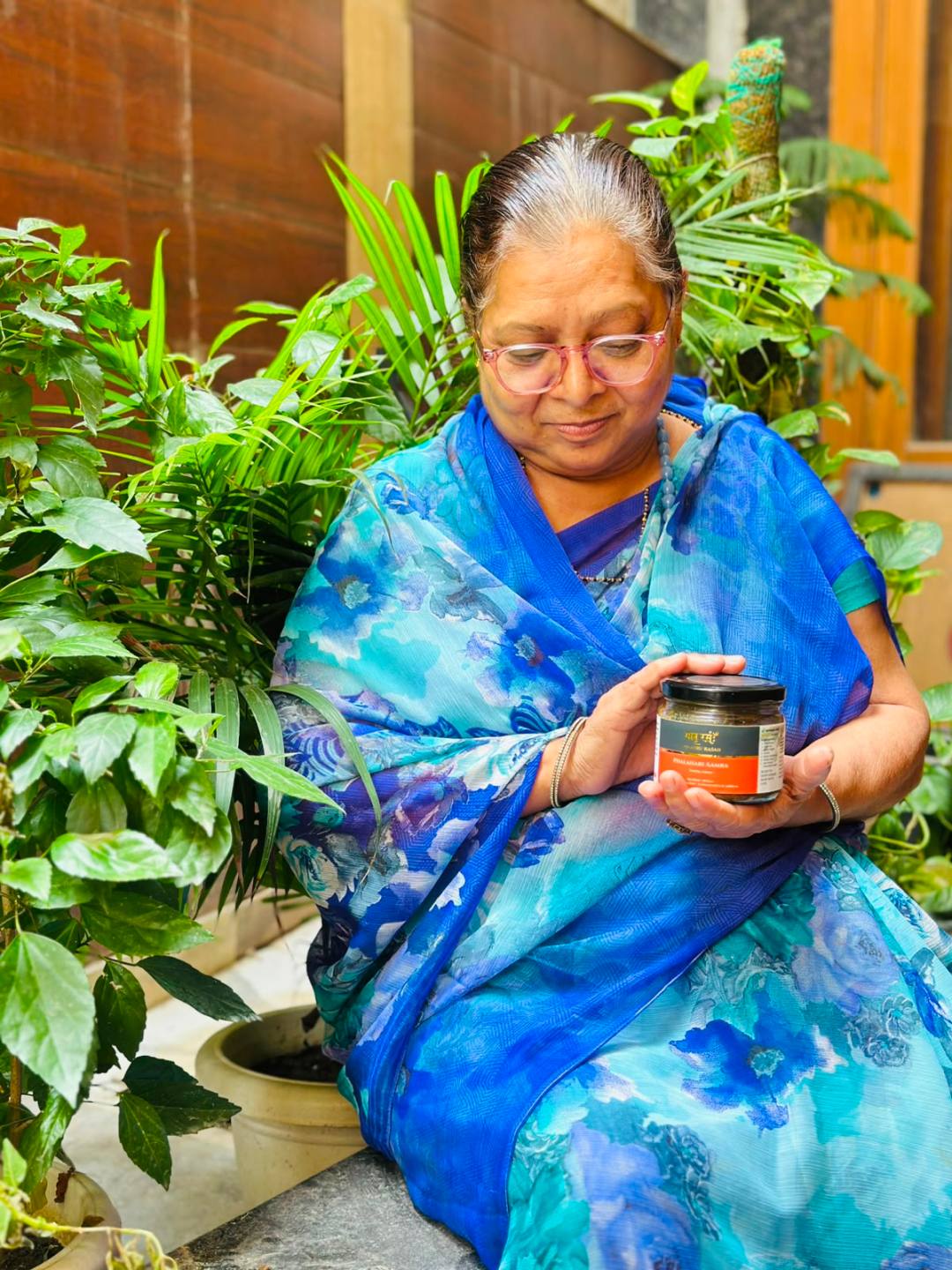
In 2013, I decided to change that in the only home I could reach. I started Maatru Rasah, a small food venture in Ghaziabad, Uttar Pradesh, so that my mother could earn from the one thing she had always done better than anyone I knew. It began very small, and it stayed small for years. The point was never size. The point was that her work would finally carry her name, and a price that was hers to keep.
I still remember the first order that came from someone we had never met. A stranger, in another city, paid for my mother’s achaar, and later wrote to say it tasted like her own grandmother’s. My mother read that message several times. For decades her food had been praised inside our own walls, by people who loved her anyway. This was the first time it had been chosen, and paid for, by someone who owed her nothing. I have run the business for years now, and I am not sure I have seen her prouder than she was that afternoon.
What I did not fully understand then was how ordinary, and how large, this shift could be. When a woman turns an unpaid skill into a paid enterprise, she is doing something the whole country is only beginning to allow.
A study by Bain & Company and Google, titled Powering the Economy with Her, estimated that India already has between 13.5 and 15.7 million women-owned enterprises, and that helping more women start and grow businesses could create 150 to 170 million jobs by 2030.
Much of that potential sits in exactly the skills women have practised unpaid for generations. Food, textiles, craft, care. The work was always there. What is new is the possibility of owning it.
I have watched what that ownership looks like far beyond my own kitchen. One woman I keep returning to is Trinity Saioo, from the Jaintia Hills of Meghalaya, whose organization we happen to buy our turmeric through.
She was a schoolteacher who began growing turmeric and then taught other women to do the same. In 2020 she received the Padma Shri. By then she had brought more than 800 women farmers into turmeric cultivation, and their incomes, by several accounts, had tripled. She did not invent turmeric. She did what my mother did, on the scale of a whole region. She turned a traditional skill into an income women could hold in their own hands.

I think often about why this matters beyond the money, and I keep returning to one word. Standing. When my mother began to earn from her food, something changed that a salary alone does not explain. Her judgment became the final word in a business, not only in a kitchen. The younger women who work with us watched a woman’s skill be treated as expertise, with a real value attached to it. That is a different lesson than watching the same skill be treated as ‘duty’.
For work like this I use a word ‘heripreneur’, from a copyright-registered white paper I co-authored. It means a heritage entrepreneur: someone who builds a living business around inherited recipes and provenance without breaking what makes them worth keeping.
None of this asks women to leave the kitchen. My mother, who is now 65, has no wish to. What it asks is that we stop pretending the kitchen is not work, and not worth counting. The food was always valuable. The only thing that changed in our home is that we finally wrote it down, and put her name on it.
I have built a business over these years. But the truer thing I did was smaller, and older, than any business. I gave my mother’s 40 years the one thing they had never been given: a ledger entry of her own.
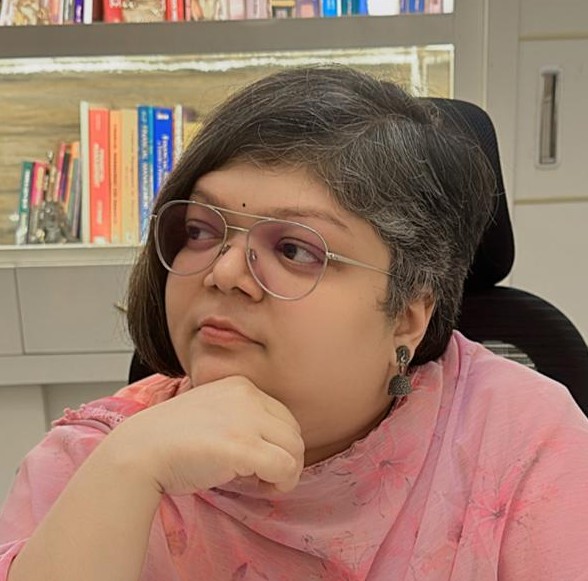
Dr. (CS) Puja Shree Agarwal is a company secretary and the founder of Maatru Rasah, a heritage food brand she runs with her mother and head cook, Uma Agarwal, from recipes their family has cooked since 1857.
Discover more from eShe
Subscribe to get the latest posts sent to your email.
0 comments on “A ledger entry of her own: a homemaker’s culinary journey to financial independence”