
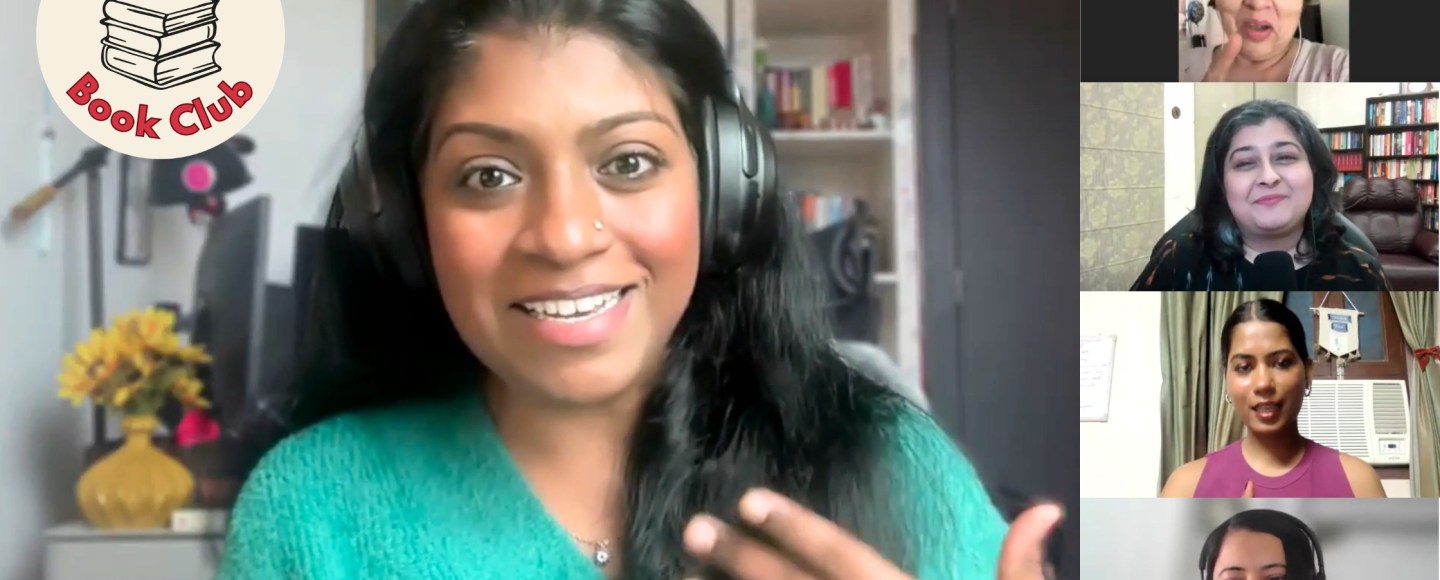

The third meeting of eShe Book Club, featuring Christina Dhanuja’s debut work Dalit Women and the Fullness of Life (Penguin India, 2026), was held online on 23 May. The book examines the intersection of caste, gender, trauma, joy and systemic oppression as experienced by Dalit women.
The discussion brought together participants from India, Nepal, the United States, United Kingdom, Canada and Kuwait, reflecting the global resonance of the book’s themes. Kamna Singh, a PhD scholar at the University of Delhi whose research focuses on the aesthetics of Dalit women’s life writings, led the interview with the New York-based author.
The central argument of Dhanuja’s book – that Dalit women deserve not merely survival or basic rights, but access to the entire spectrum of human experience, desire, joy and possibility – was raised by the participants. The book and discussion also explored how Brahmanical patriarchy and capitalist systems work in tandem to concentrate power in the hands of a few, and perpetuate the oppression of Dalit women.
Kamna Singh said she appreciated Dhanuja’s explanation of how caste-based prejudice is internalized and externalized, shaping perceptions of merit, belonging and worth. The discussion highlighted how caste operates not only socially and materially, but also emotionally and psychologically – through internalized shame, hypervigilance, body dysmorphia and the constant pressure to prove oneself.
“When we talk about caste, the identity is so heavy, it cancels out everything else. It becomes like the stone of Sisyphus,” she said.
Singh described the burden of Dalit students constantly having to prove belonging in academic spaces, and the mental energy consumed by disproving assumptions about merit and reservation, leaving very little for the actual work of scholarship.
In response, Dhanuja also talked about the hyper-focus on survival that Dalit women are forced to contend with, and the tendency within Dalit discourse to center only violence and resilience, which inadvertently limits the imagination of broader possibilities for Dalit women.
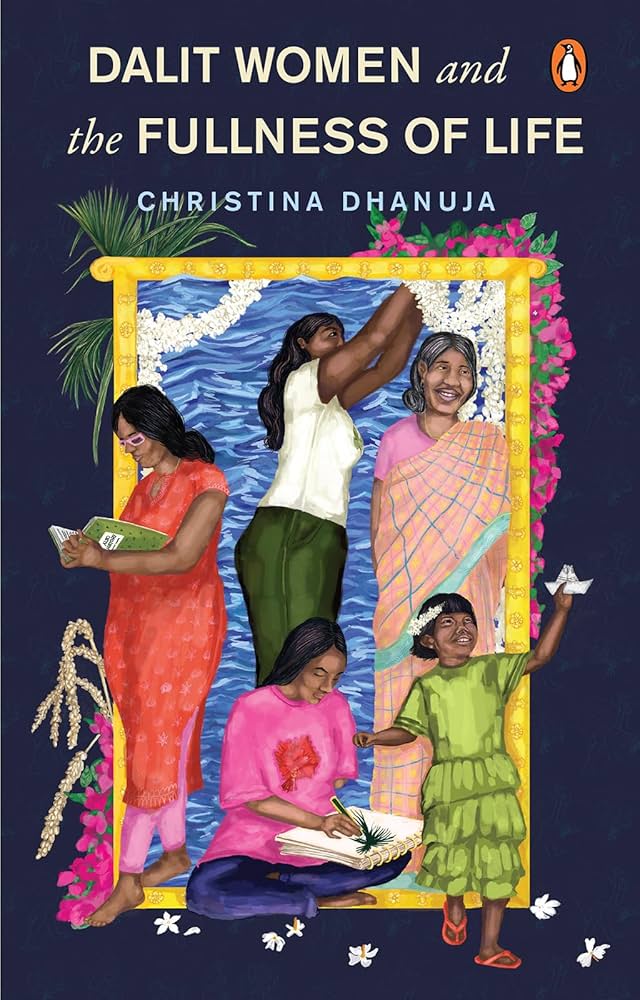
Indeed, as Dhanuja posited, what would it mean for a Dalit woman to politically identify as Dalit and also be an astronaut, a botanist, or anything else she desires? The book insists that these possibilities are not closed, but are made difficult to access – mentally, cerebrally, and practically – by the weight of survival-centered narratives.
Singh also referred to a chapter on trauma in Dhanuja’s book. Rather than focusing solely on the internal experience of trauma, the chapter examines how systems and external structures fail to respond to – or even recognize – the specific nature of caste-based trauma.
This trauma is not merely individual; it is cumulative, collective and intergenerational, and it is also generated within communities through the ways Dalit people have responded – or failed to respond – to one another. The book notes that this requires structural – and not merely therapeutic – responses.
Dhanuja distinguished between a caste location (e.g., Parayar) and a political identity (Dalit), arguing that identifying as Dalit is an act of political resistance aimed at the eventual annihilation of caste.
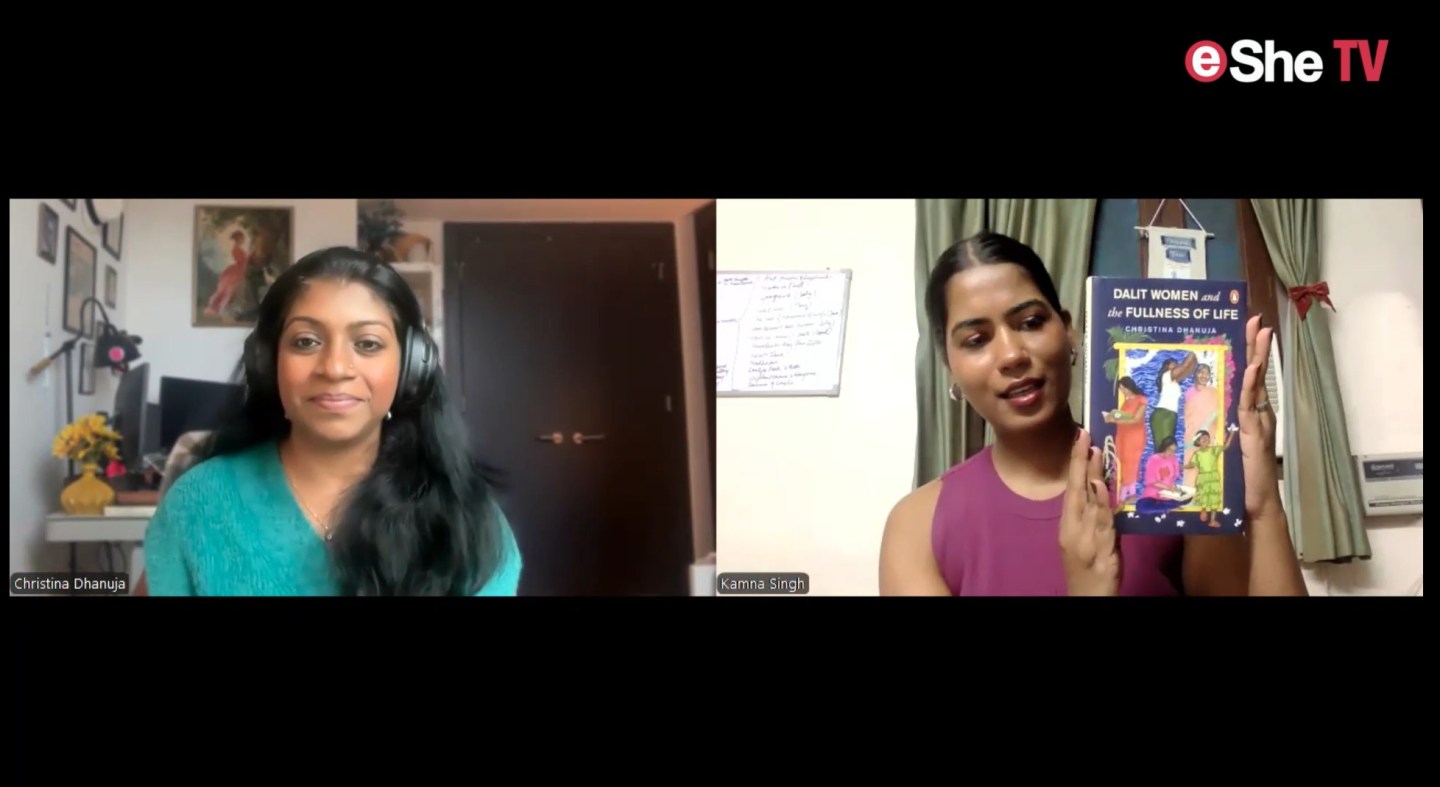
She also introduced the concept of “caste minds” – a framework drawn from existing scholarship – which describes how caste prejudice fabricates and polices merit, deciding who can stake a claim on achievement and who cannot.
To illustrate, she read a passage from page 167 of the book, recounting her experience as a Master’s student of applied chemistry at Anna University, Chennai, where her success in a pharmaceutical company’s selection process was dismissed by a Brahmin classmate as malpractice, while her academic performance had previously been attributed solely to English language ability. The passage illustrates how the caste mind operates: not through overt violence alone, but through the constant, exhausting labor of self-affirmation required to counter its judgments.
The discussion raised several important questions. What does ethical listening and meaningful allyship look like across institutions, friendships, academia and everyday life? Dhanuja’s book draws a clear distinction between individual allyship (which requires changing hearts and minds) and institutional/workplace obligations (which require structural overhaul, policies and grievance mechanisms).
Knowing when to partner with allies, why and what’s in it for the anti-caste cause is key to forging allyships that are constructive and not exploitative. May I interview you for my research that promises no structural change? No, you may not.
Christina Dhanuja, Dalit Women and the Fullness of Life (2026, p.40)
In response to Singh’s question on what it means to imagine healing, joy and fuller futures for Dalit women beyond the language of mere survival, Dhanuja shared an excerpt from the final chapter in her book that reframes joy not as a destination or luxury, but as a principle, a weapon against despair, and a foundation for community and movement-building.
Much after the author left the Zoom meeting and the recording ended, book club members continued the conversation, sharing their emotional response to the discussion between Dhanuja and Singh. Delhi-based Aekta Kapoor and Washington DC-based Sarita Bartaula noted how caste-coded language and caste slurs are deeply embedded in everyday speech across South Asian communities, and recognized that it requires sustained, conscious effort even among those who consider themselves aware and progressive.
This discussion is also available as a podcast on Spotify.
Fauzia Deeba offered a perspective from her experience as a Balochistani in Pakistan, drawing parallels between the othering of Balochis and the othering of Dalit communities.
Sulochana Karki, a Nepali based in Canada, expressed her shock at the continuation of caste-based discrimination even in modern-day India and US, at the tremendous emotional and psychological costs of surviving caste on an everyday basis. “Every person deserves to live with dignity. All of us are stakeholders in the system and practice of caste, so we all must take responsibility for bringing in change,” she said.
Join eShe Book Club to connect with other readers. Share recommendations for books by contemporary South Asian women writers for future discussions.
Discover more from eShe
Subscribe to get the latest posts sent to your email.
0 comments on “Global conversation on caste, gender, trauma and resistance at eShe Book Club”