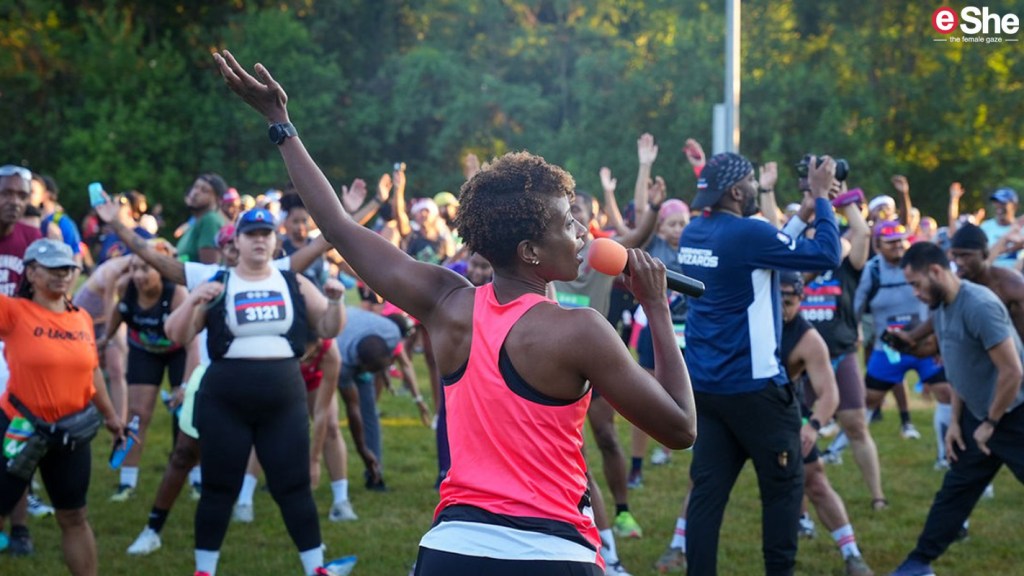
What does Juneteenth mean to you? Women in Washington DC tell us
Freedom, history, solidarity – what does Juneteenth mean to African American and South Asian women living in Washington metropolitan area? Sarita Bartaula finds out.

Freedom, history, solidarity – what does Juneteenth mean to African American and South Asian women living in Washington metropolitan area? Sarita Bartaula finds out.
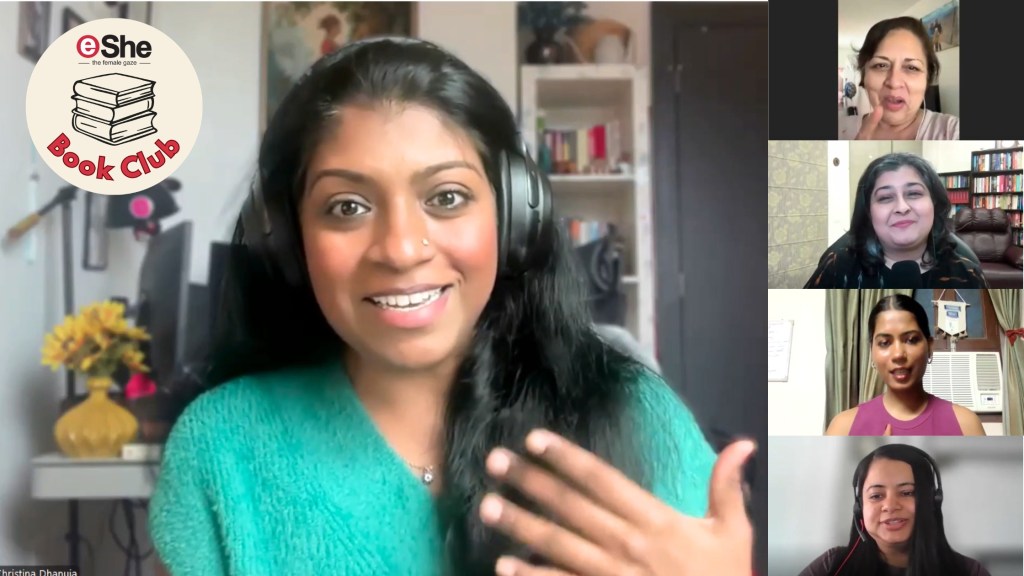
New York author Christina Dhanuja talks about her debut book ‘Dalit Women and the Fullness of Life’ in conversation with Delhi-based PhD scholar Kamna Singh and other participants from around the world at eShe Book Club.
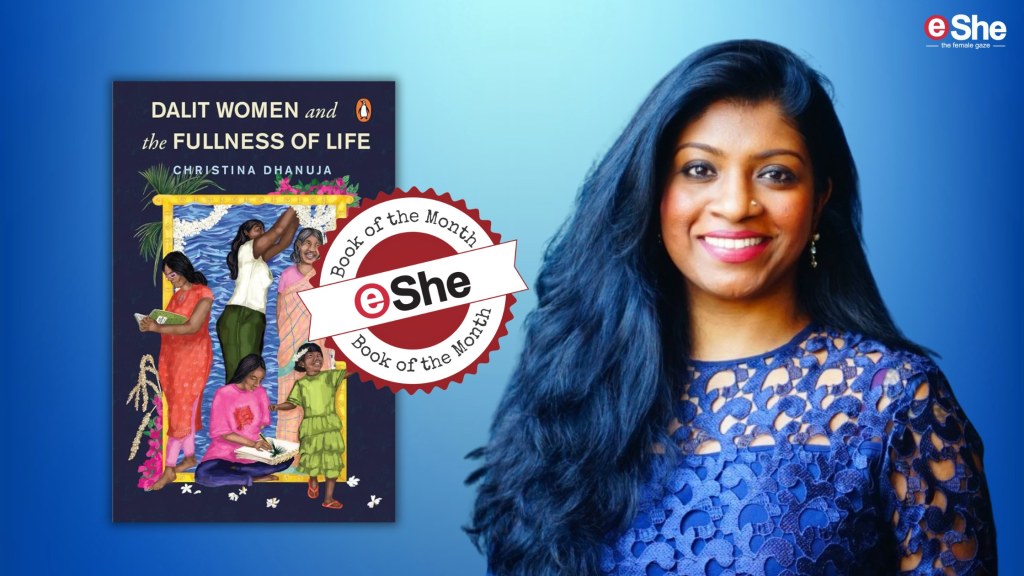
Our pick for May is Christina Dhanuja’s ‘Dalit Women and the Fullness of Life’, which blends memoir and social analysis to explore the inner lives, agency and complexity of Dalit women beyond stereotypes.
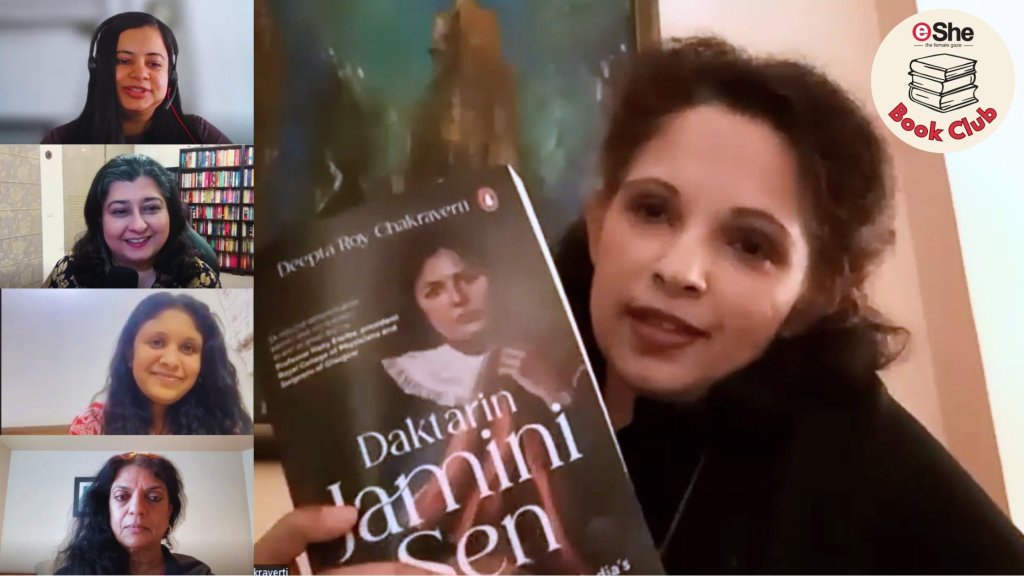
How do we ensure icons like Dr Jamini Sen are celebrated rather than forgotten? Can spirituality and science coexist harmoniously? These questions and more were raised during eShe Book Club discussion with author Deepta Roy Chakraverti.
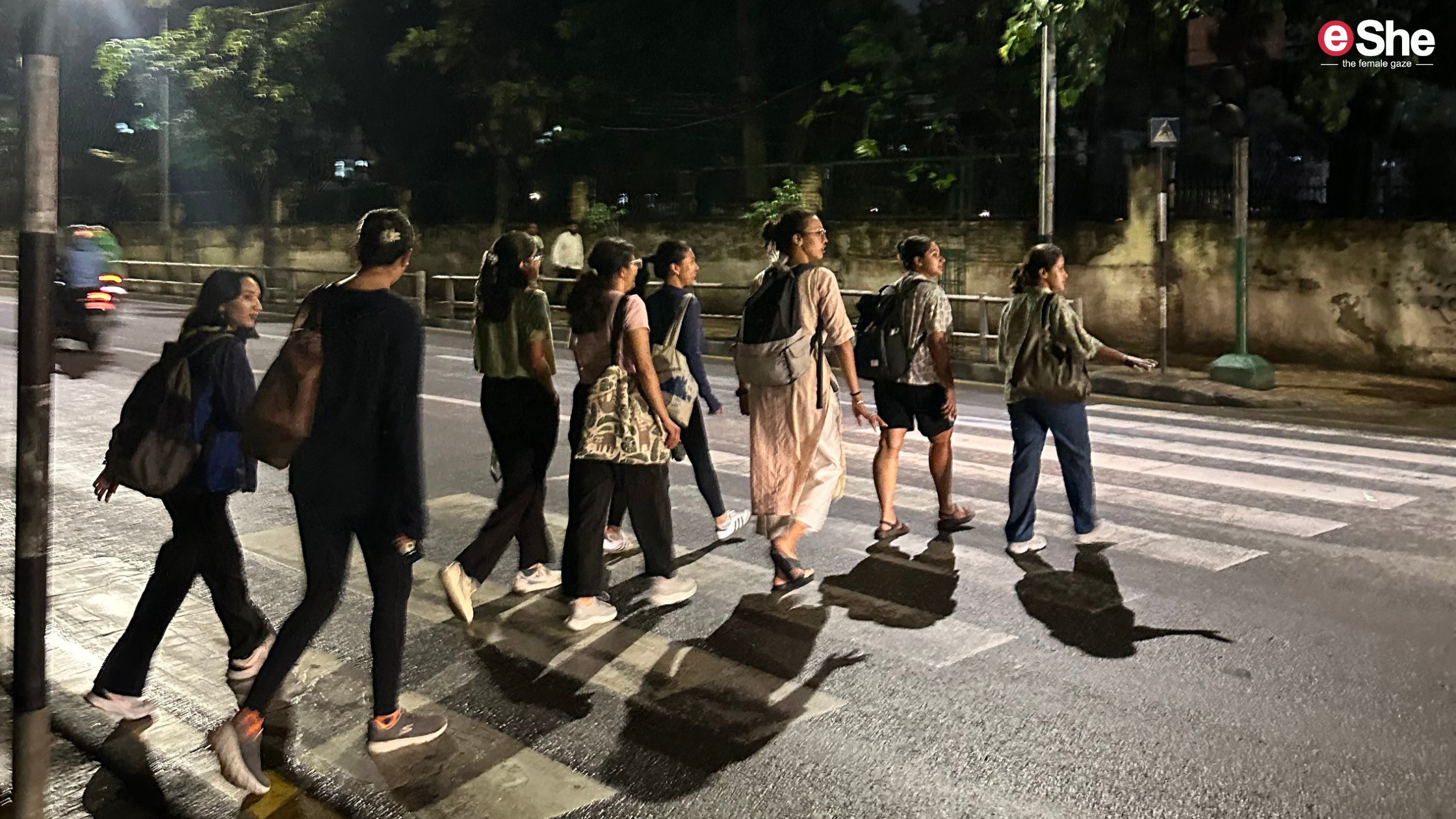
The global popularity of the walking collective ‘Women Walk at Midnight’, which started in India, reveals how walking in public at night can be an act of reclamation and resistance for women in cities around the world, writes Anushka Roy.
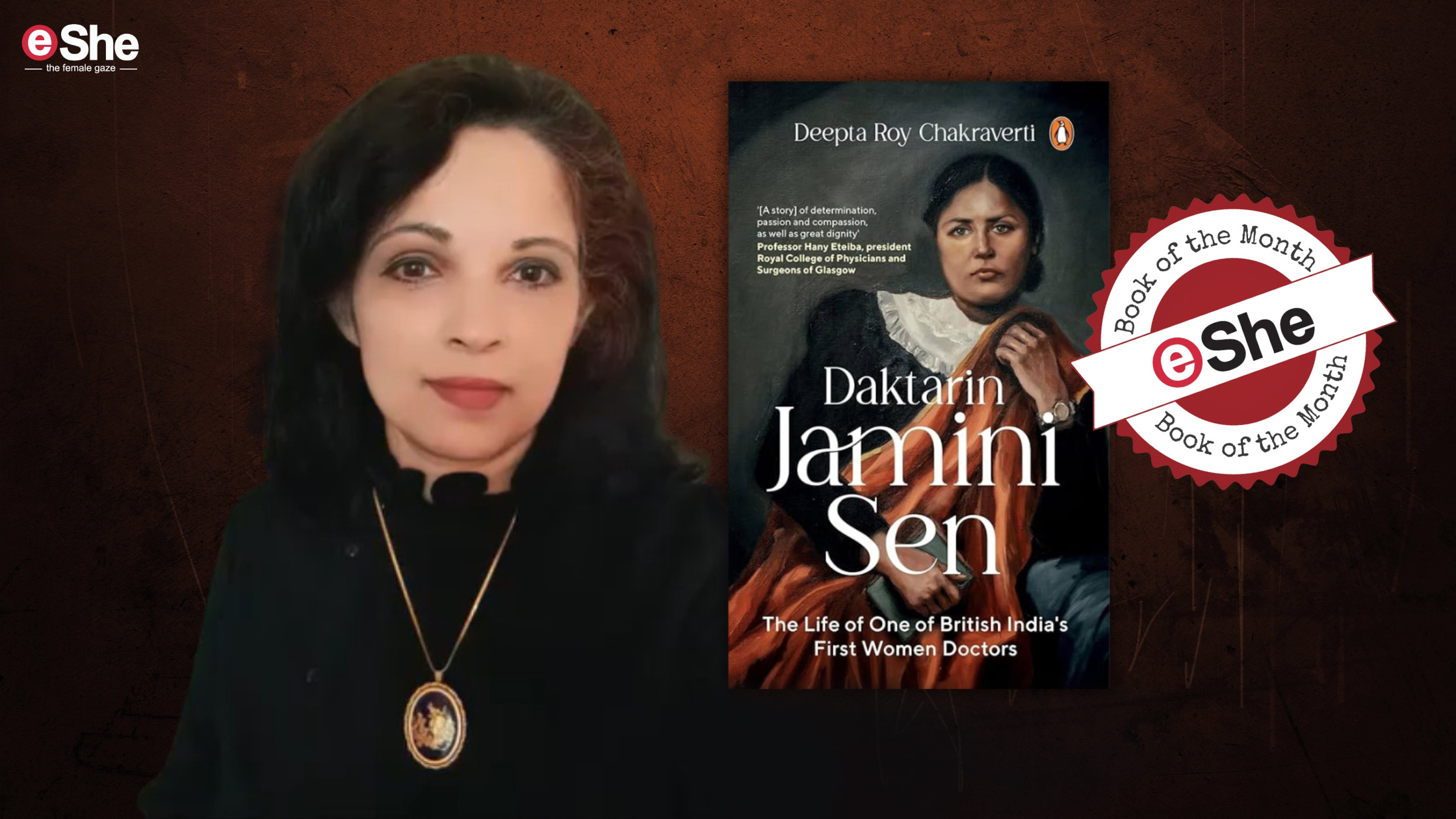
Our book of the month is Deepta Roy Chakraverti’s ‘Daktarin Jamini Sen’ — a fascinating historical tale with exciting twists and turns in royal intrigue, chronicling the incredible life of a forgotten feminist icon. Perfect for Women’s History Month? We think so!

The 10th edition of the Vedaaranya Heritage and Healing Festival 2026 held recently in Ramgarh Shekhawati, Rajasthan, was all about women power, particularly in the sphere of India’s heritage, writes Neha Kirpal.
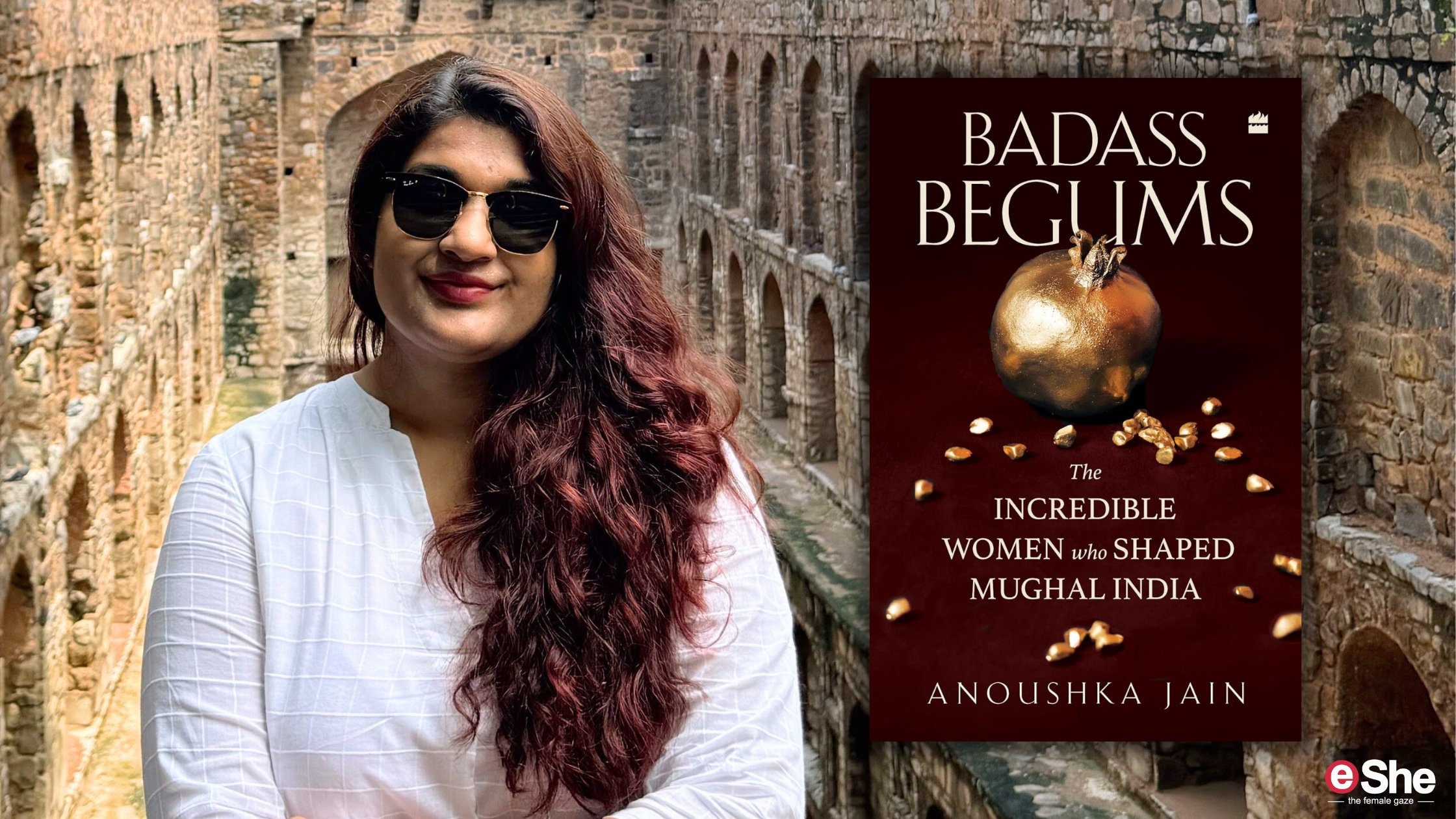
Art historian Anoushka Jain’s new book ‘Badass Begums’ challenges stereotypes of Mughal women by featuring 10 influential figures who shaped Delhi’s history as political strategists and urban planners. In this interview, she shares their stories and impact.
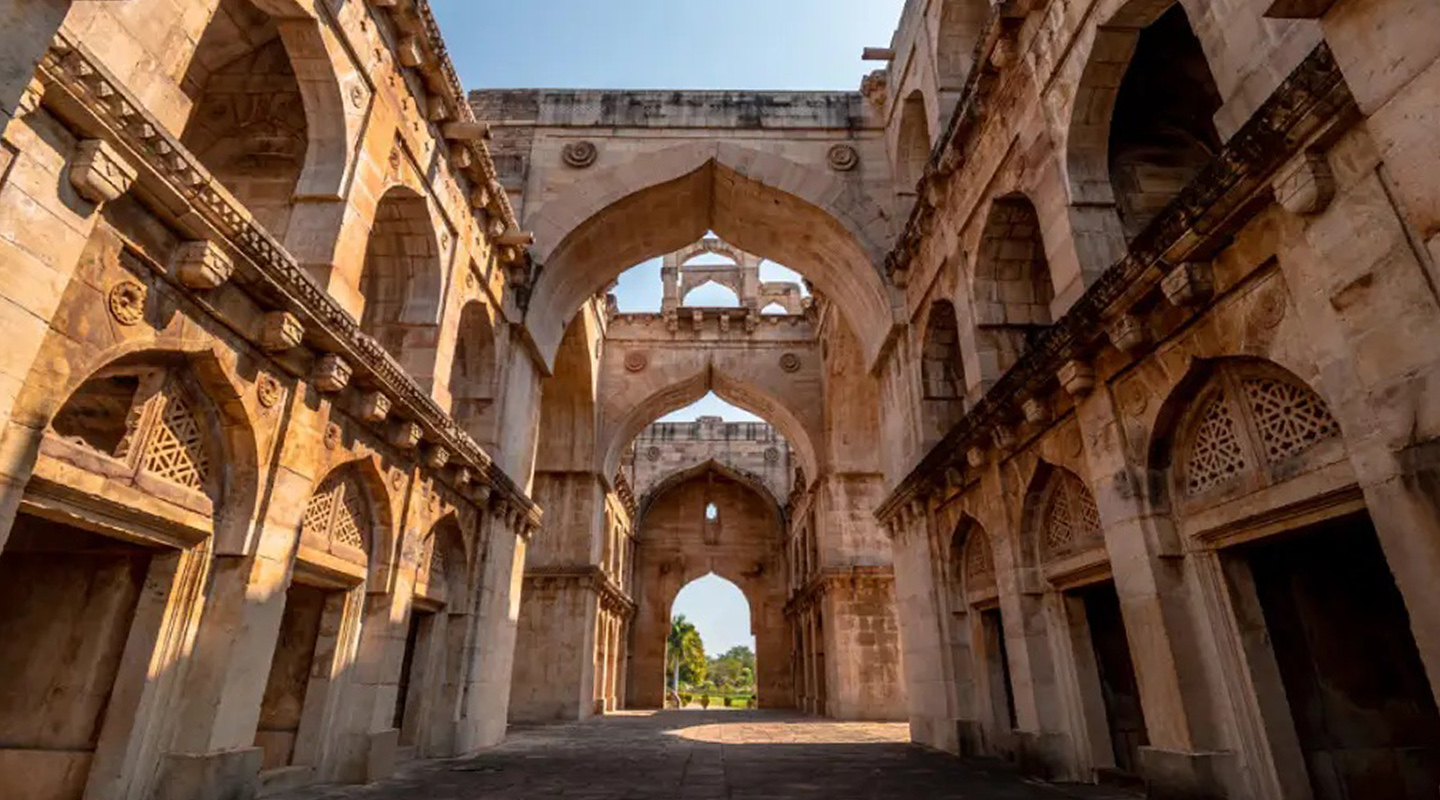
A journey through Chanderi during its Eco Retreat Festival reveals shimmering weaves, haunting legends and architectural marvels. No wonder the filmmakers of superhit film ‘Stree’ chose this Madhya Pradesh gem as a backdrop, writes Suman Bajpai.
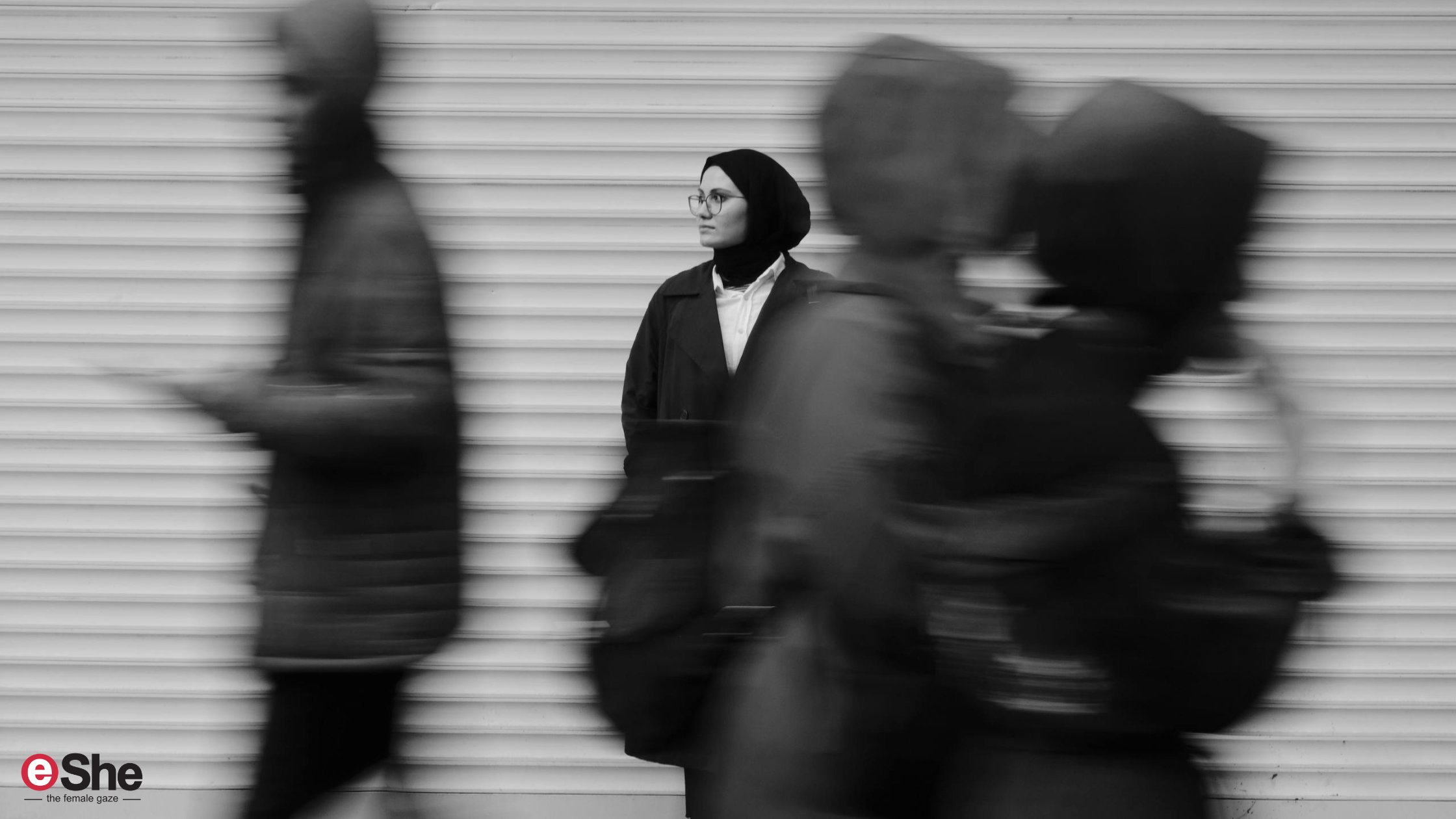
Senior Indian journalist Nilova Roy Chaudhury regrets her country’s treatment of her Afghan counterpart who was denied a visa to receive an award, and had to flee for her life after the Taliban discovered her work.
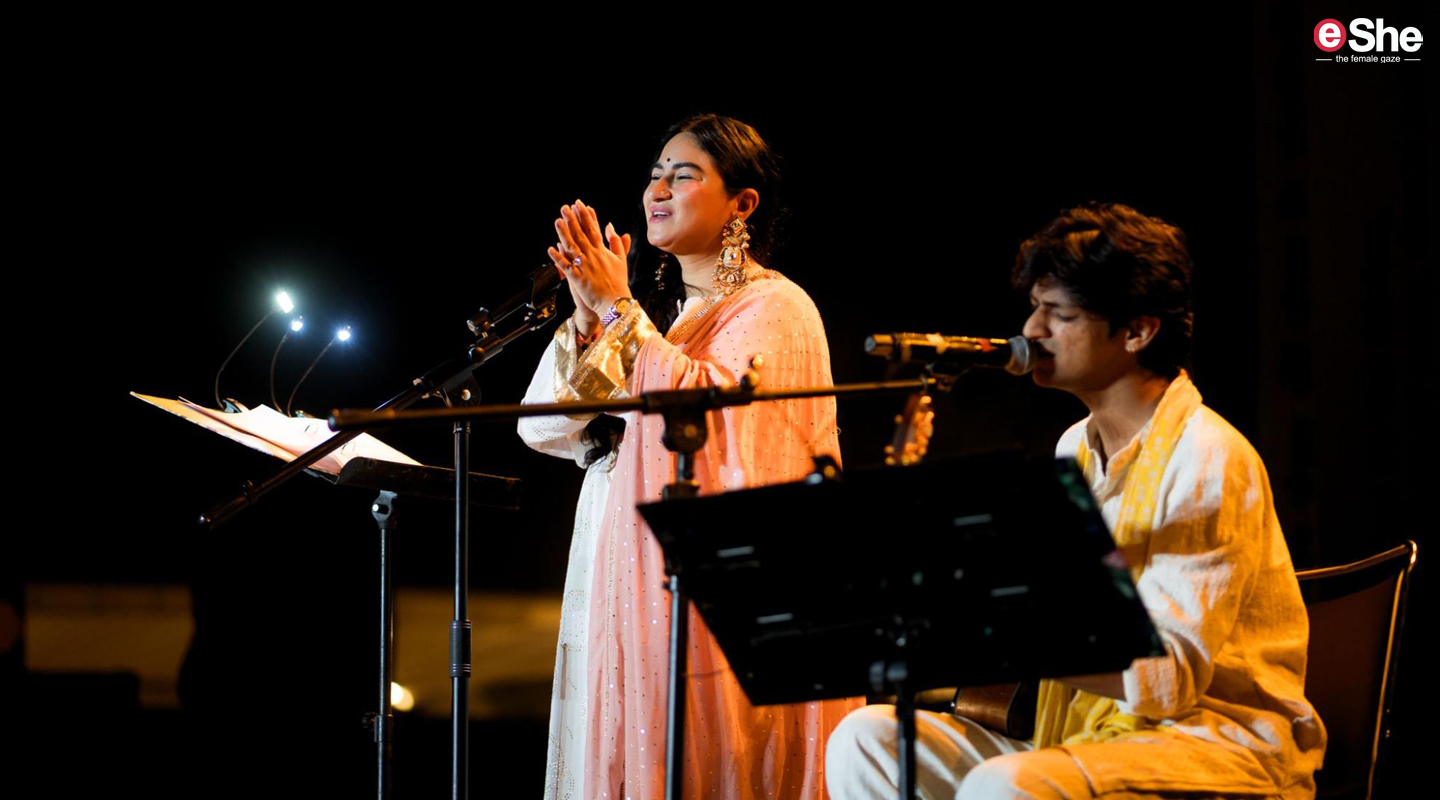
The Sufi Heritage Festival in Delhi showcased diverse performances celebrating Sufi poetry and traditions. Notable artists, including Priya Malik, Rekha Bharadwaj and Aditi Mangaldas, emphasised inclusivity and unity, blending modern influences with rich cultural heritage.
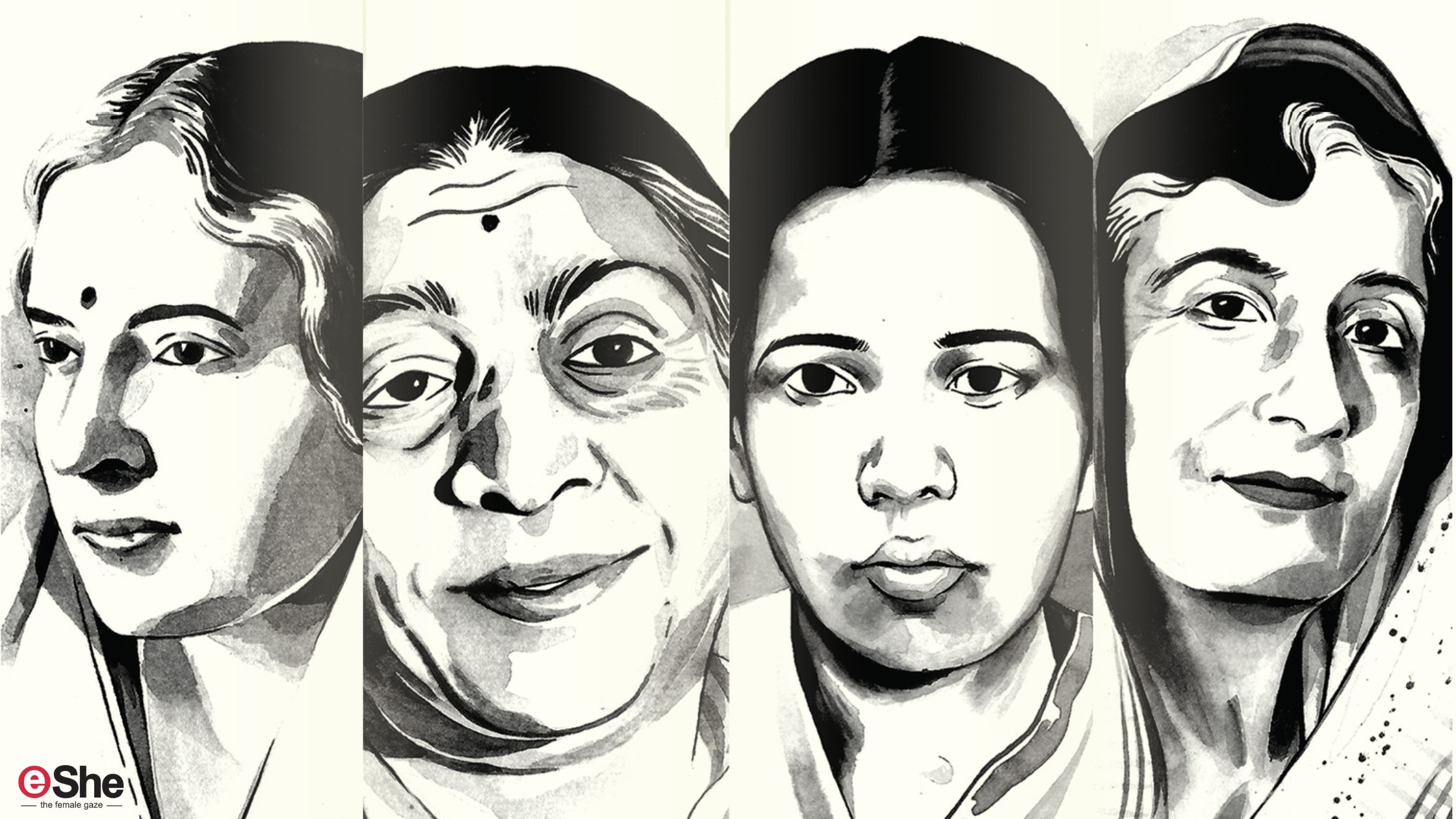
There were only 15 women in India’s Constituent Assembly, which first convened in 1946 with 299 members. A new book ‘The Fifteen’ highlights the contributions of these trailblazing women in shaping India’s Constitution, and their struggles for gender and social justice, while battling myriad challenges in their own lives.

Zakia Soman has been fighting for Muslim women’s rights for decades. Now, her son Arastu Zakia’s short film ‘Riha’ (Unlocked) based on her life and experience of domestic abuse, is being screened at Tasveer Film Festival 2024.
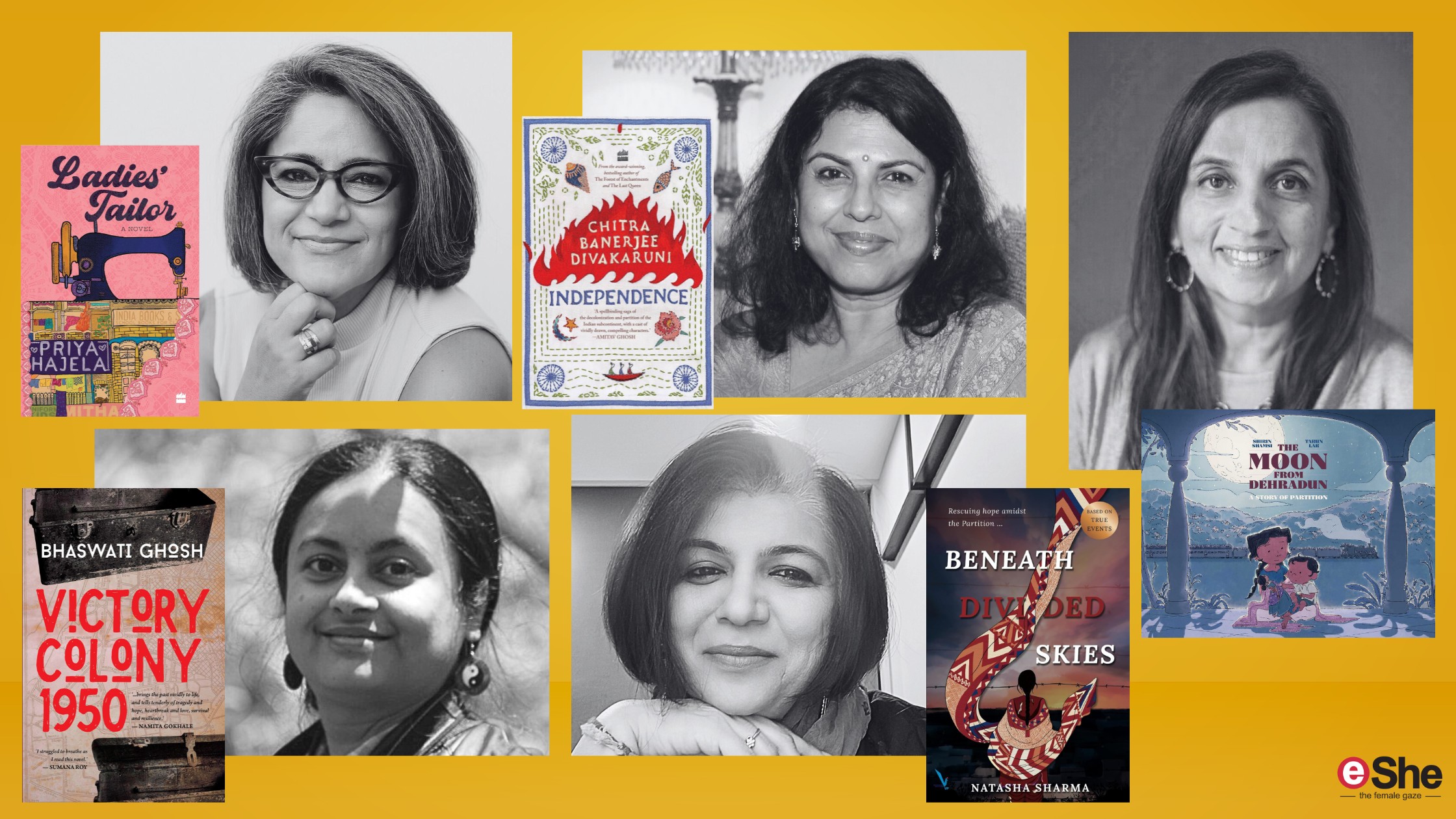
These five works of fiction by women authors are set against the backdrop of the Independence and Partition of India, and inspire us with their strong, resilient characters who survive turbulent times.
You must be logged in to post a comment.