

By Maryam Bajwa
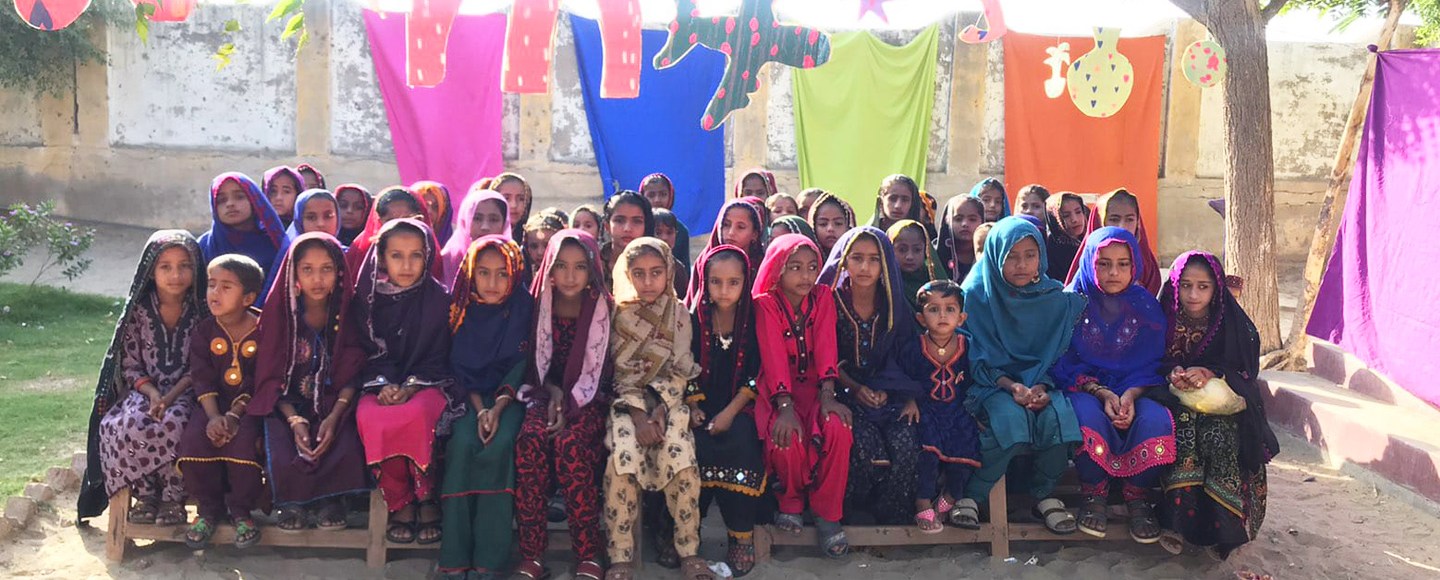
The girls sat beneath the trees in the scorching heat, trying to learn. There were no fans to cool them, no reliable electricity, and barely enough classrooms to accommodate the hundreds of children enrolled at their school. Some could not spell the word “science”. Others were too frightened by the camera and lights to speak during our educational activities.
This was Chanhio Village in Sanghar, the last village before the Achro Thar desert begins, and my first encounter with the conditions in which thousands of children in rural Sindh, Pakistan, attempt to receive an education.
I had grown up in Mirpurkhas, where I could attend school, pursue my interests, and eventually build a career. Until this journey, I had never fully considered what my life might have looked like if my education had ended at the age of 10 or 11, simply because I was a girl.
Yet that was precisely the future awaiting some of the girls I met.
I was traveling with the Children’s Creative Festival (CCF), an independent initiative by Roshni Publications, Parindey and Art Ghar. The project brought creative writing, art, science documentaries and interactive learning to underserved schools across Sindh. My responsibility was to introduce children to science through videos, questions and discussions.
What began as an educational outreach project became an opportunity to understand how the absence of schooling affects girls’ choices, safety, health, and independence.
A school that refused to close
Chanhio’s school was established in 1989. According to the account shared with us, a dispute involving a local feudal figure had left it without a proper building for 16 years. When we visited, more than 350 children were enrolled, but there were only two classrooms, approximately 30 benches, and five teachers.
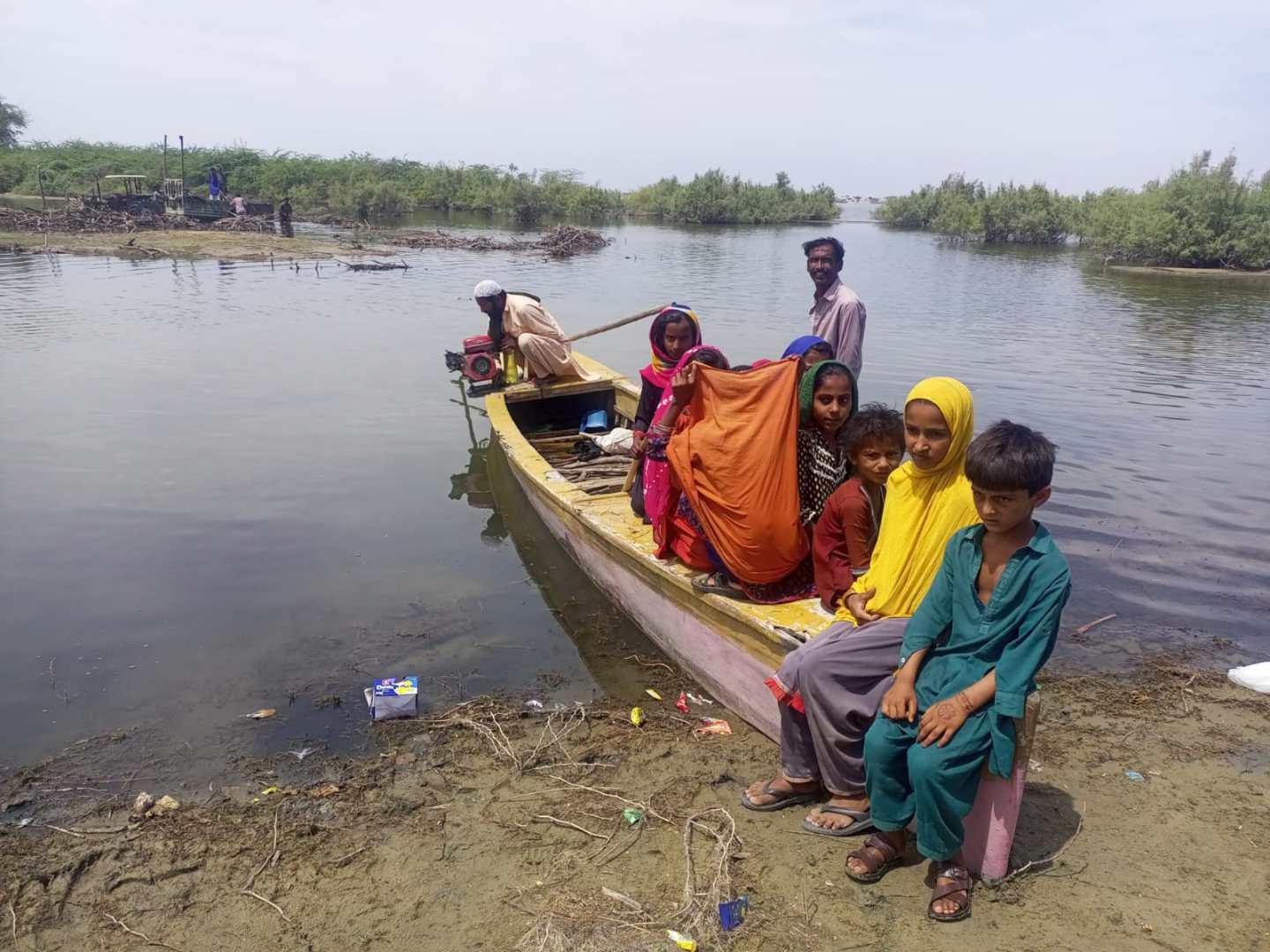
There was no proper road connecting the village to the district, and medical care was difficult to access. Residents described journeys of six or seven hours to reach a city for surgery.
During our sessions, more than 550 children participated, including children who were not attending school. They drew pictures, explored science, and imagined what their village might look like a century from now.
But conversations with families revealed another reality.
In some households, daughters were not permitted to study beyond fifth grade. Marriage within the family’s caste or community was expected, and girls had little say in choosing their partners. Some married and became mothers while still very young.
I met women whose days revolved around cooking, childcare, and household responsibilities. In large extended families, their labor was essential, yet their opportunities to make decisions about their own lives were restricted.
I thought about the freedom I had enjoyed to travel for work, meet people, and decide what I wanted to become. The difference between us was not ambition or ability. It was the opportunity to exercise those choices.
The girls who traveled to school
Our next destination was Ahori Farm in Umerkot, where we visited a girls’ high school serving 170 students with three classrooms and five teachers.
There was no electricity, adequate water supply, hygienic washroom facilities, or female teacher at the time of our visit. Some girls traveled considerable distances by bus to attend classes.
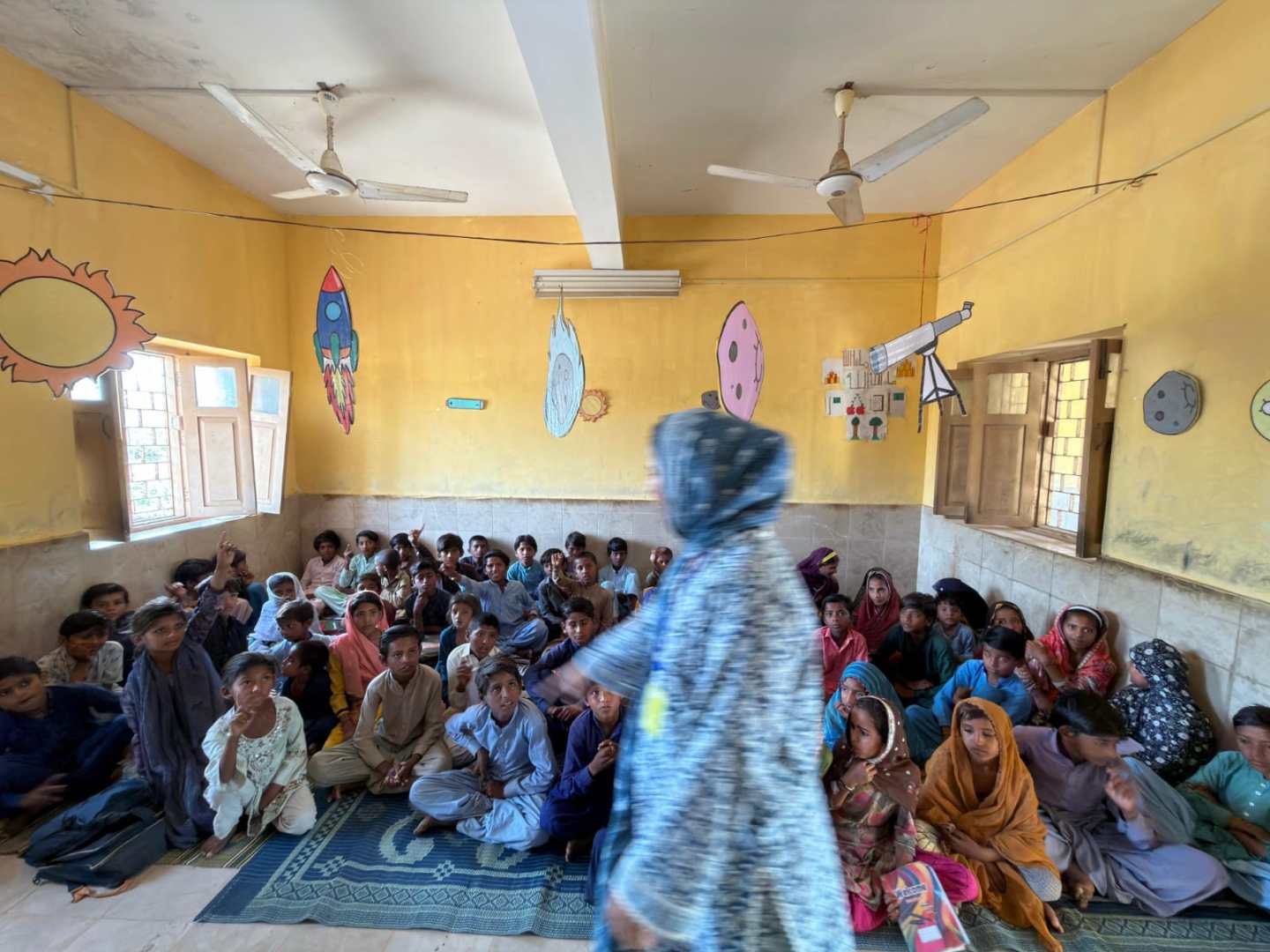
The surrounding community included non-Muslim families, and our hosts welcomed us into their homes, sharing meals and offering accommodation despite their limited resources.
At school, the girls responded enthusiastically to science questions. Others demonstrated their abilities in singing, debating, and drawing.
Yet outside the school, I saw girls engaged in labor while children of similar ages attended the festival. In conversations, I learned that household work and family expectations frequently interrupted girls’ education.
Some wanted to continue studying but needed their families’ permission.
Their situation made me question what education meant in my own life in a big city like Karachi. I had regarded it as preparation for a career. For these girls, remaining in school could determine whether they would ever have the independence to earn an income, delay marriage, or make decisions about their futures.
Learning beneath damaged roofs
In Moosa Junejo Village in Badin, the school building had damaged roofs, leaking walls, missing windows, and no electricity or fans. Bees and flies entered classrooms, while nearby animal farms added to the discomfort.
The school, established in 1993 and rebuilt as a high school in 2018 through the efforts of the late Dr. Akash Ansari, had approximately 168 students, five classrooms, and seven teachers.
The bathrooms were far from the classrooms and lacked adequate water and sanitation. For adolescent girls, the absence of clean, private facilities made attending school particularly difficult, especially during menstruation.
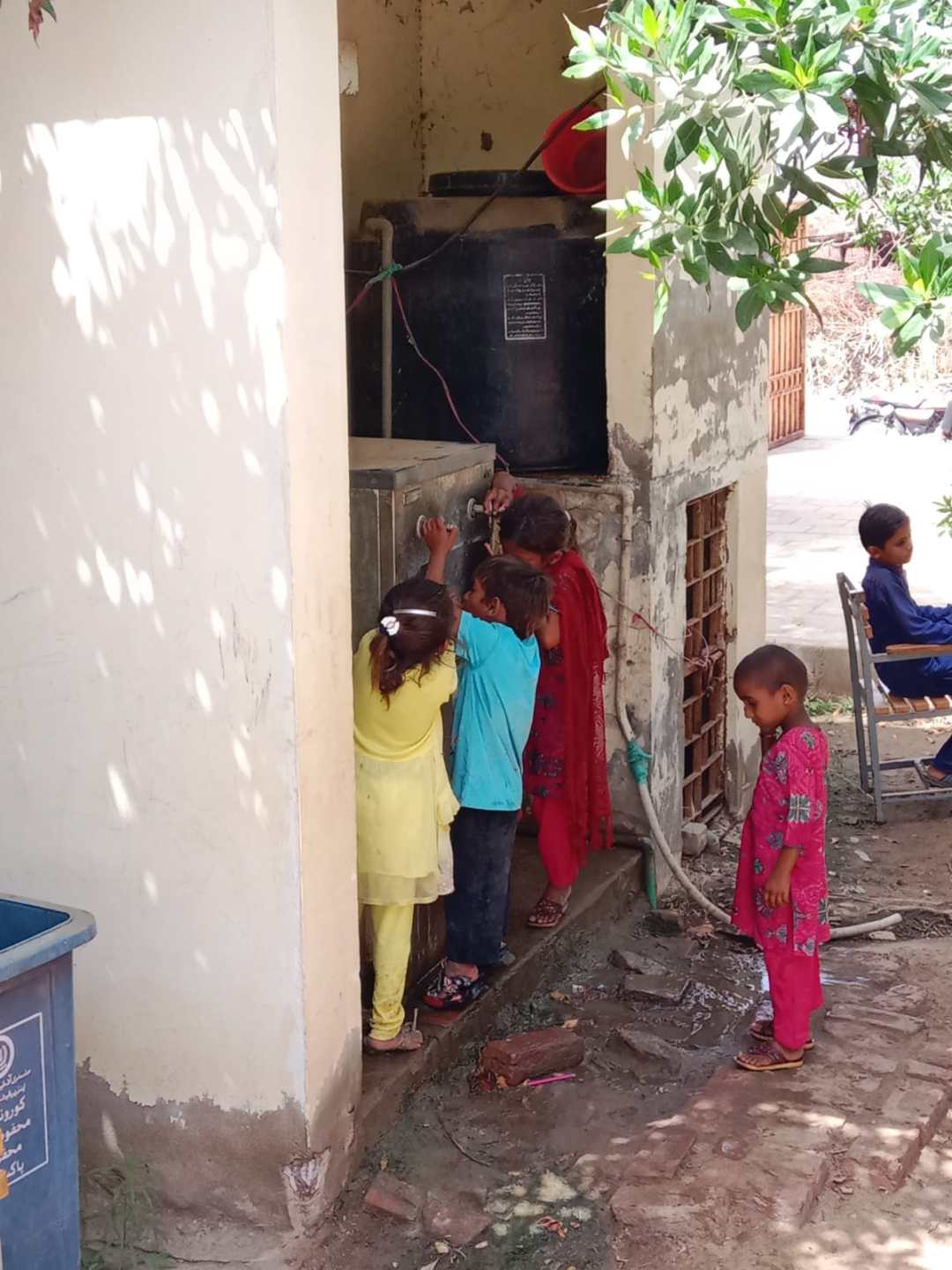
Despite these conditions, girls eagerly answered my science questions and won books during our quizzes.
Not everyone welcomed their participation. I heard a disapproving remark about girls working alongside boys, reflecting the resistance to mixed-gender activities.
Women in the village were heavily involved in domestic responsibilities and agricultural work. Some had little involvement in family decisions.
Without education, girls risked entering adulthood with limited knowledge of their rights, health, and available opportunities. The restrictions they experienced as daughters could continue when they became wives and mothers.
When even the school doesn’t feel safe
Before we reached the Public School of Bannu in Sujawal, we heard that two girls had drowned in a river while swimming. The news had distressed the community, and our visit was initially discouraged.
The village also struggled with inadequate water facilities and, residents told us, had been without gas for 15 years.
The school dated back to 1888. It had 541 enrolled students, five classrooms, and 10 teachers, including two women.
Although its classrooms were in somewhat better condition than those at previous schools, the building needed repairs. Furniture was inadequate, bathrooms were unclean, and electricity backup was unavailable.
There were fewer girls than boys.

I noticed older schoolgirls attracting uncomfortable attention from men around the premises. It was a reminder that access to education involves more than constructing classrooms. Parents must also feel confident that their daughters can travel to school and study without harassment.
More than 800 children from surrounding communities participated in the festival activities. They wrote stories, created artwork, and received books from Roshni Publications.
The community welcomed us warmly, presenting traditional Sindhi Ajrak shawls. Such generosity existed alongside serious shortages of public services.
A different side of Karachi
Our fifth destination, Rehri Goth, was within Karachi, Pakistan’s largest city, yet its conditions resembled those of the remote settlements we had visited.
Many residents depended on fishing for their livelihoods. Dirty water surrounded parts of the settlement, and sanitation was poor.
At the local primary school, children studied without electricity, fans, adequate windows, or properly maintained washrooms. The nearby hospital accommodation we saw had dirty bedding, insufficient water, and poorly maintained facilities.
Approximately 700 children participated in the educational activities, including students from Boys Primary School Ali Muhammad in Brohi Goth.
During one session, I asked the girls how they managed to study without electricity. One answer has remained with me: “We know that we have only this hope to come out of our homes. That’s why these things are never going to be difficult for us to face.”
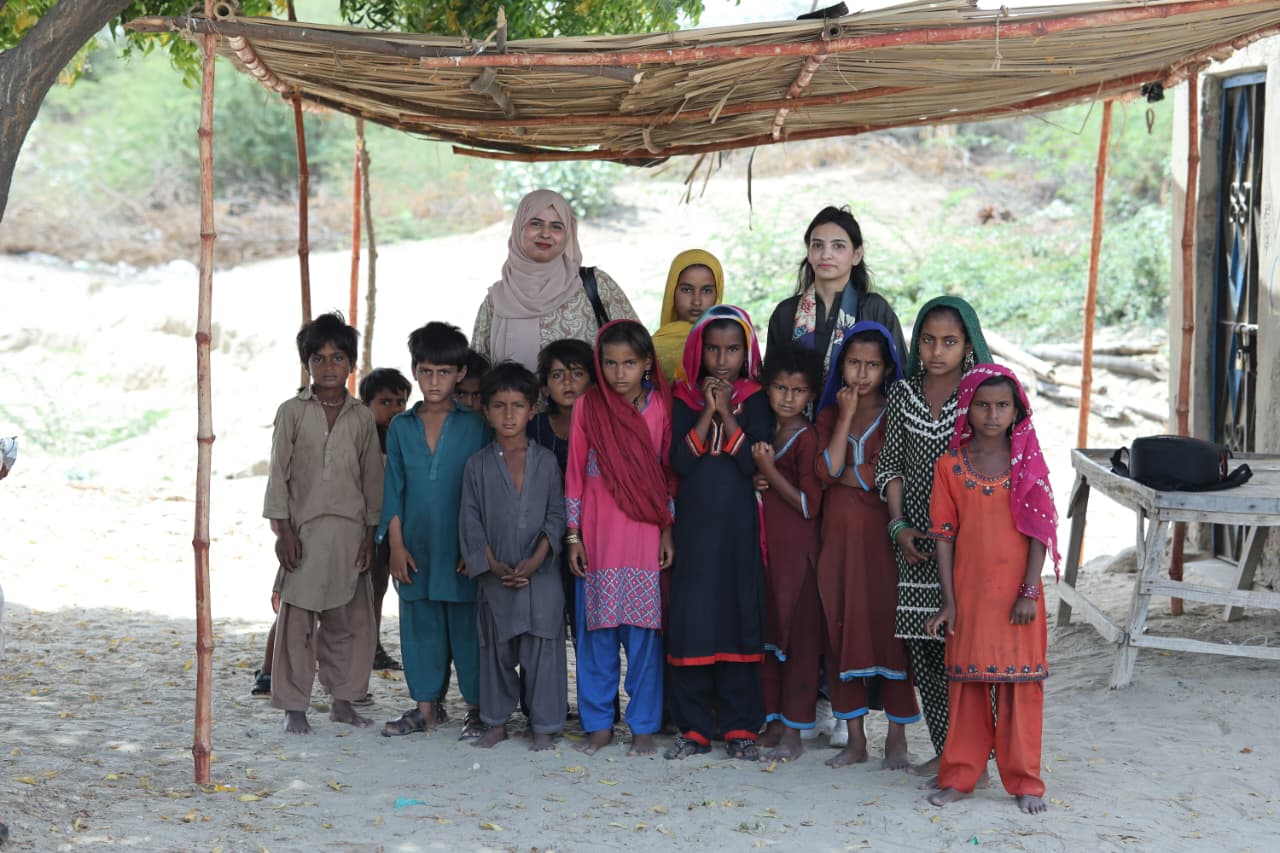
For these girls, school was not simply a place to learn mathematics or science. It was one of the few spaces outside their homes where they could meet others, ask questions and imagine a different future.
I could leave the village, and return to the city. They would remain, negotiating the same obstacles the following morning.
The right that remains out of reach
In October 2012, Malala Yousafzai was shot by a Taliban gunman in Pakistan’s Swat Valley for advocating girls’ education. Her survival and subsequent activism brought international attention to the dangers faced by girls who demand the right to learn.
More than a decade later, the circumstances I witnessed in Sindh showed how much remains unresolved, even though the forms of exclusion differ. Here, girls were not necessarily facing the same militant violence. Instead, their education was undermined by poverty, damaged infrastructure, inadequate sanitation, early marriage, and restrictions imposed within families.
These barriers are connected. A girl who leaves school early may have fewer opportunities for paid employment, less access to information about reproductive health, and reduced influence over decisions concerning marriage and childbirth.
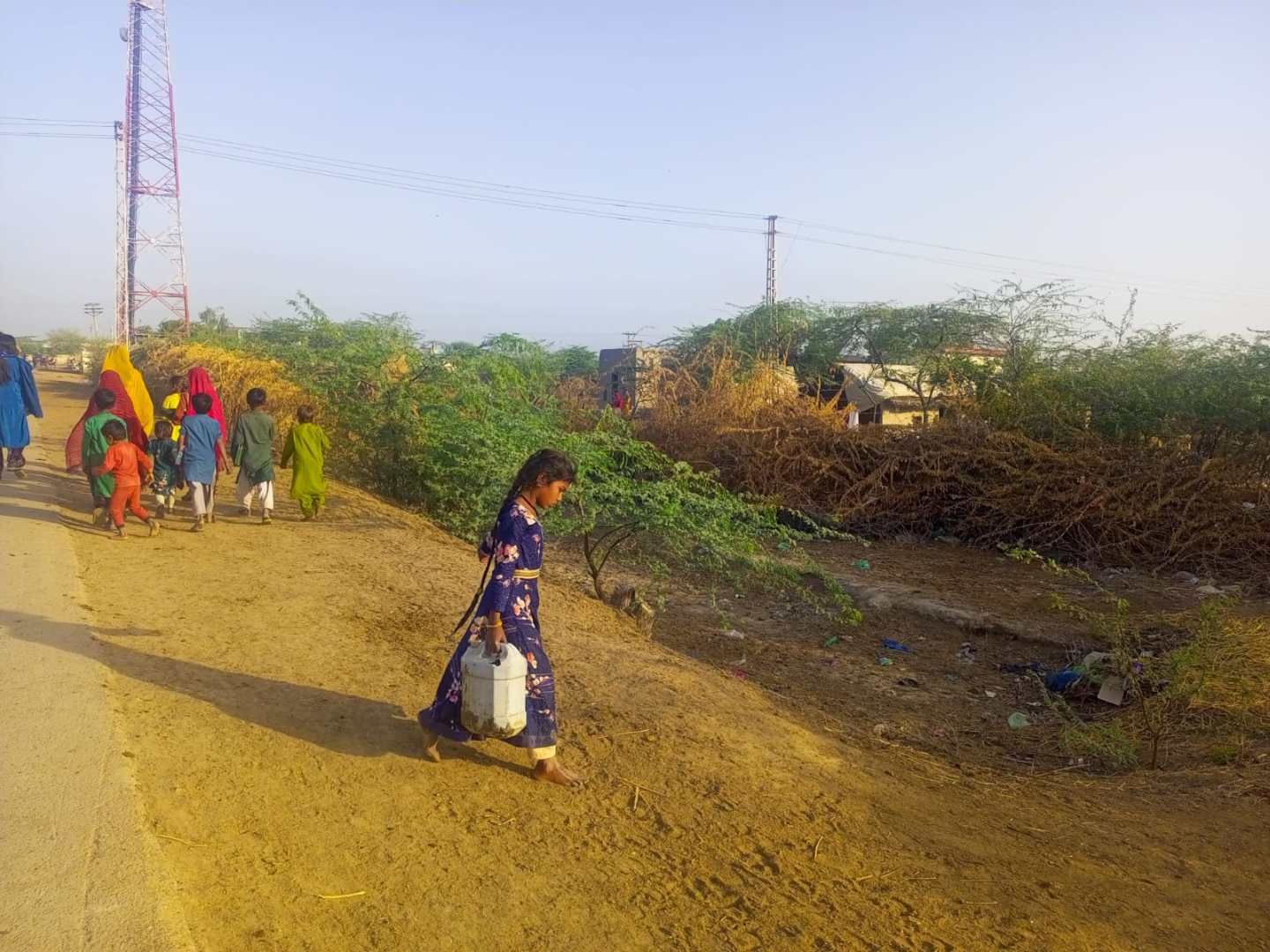
Education alone cannot eliminate gender discrimination, but denying it makes girls more vulnerable to dependence and exclusion.
Throughout the journey, I encountered families who generously shared their homes and food, teachers who continued working in difficult conditions, and girls determined to participate despite the obstacles.
Their communities cannot be reduced to poverty or restrictive traditions. Many people were making considerable efforts to keep education available. Yet those efforts cannot substitute for functioning public schools, safe transportation, clean toilets, qualified teachers, and meaningful protection of girls’ rights.
When I remember rural Sindh, I think of the girls answering questions beneath damaged roofs, traveling long distances to school, or watching other children learn while they worked.
I also think of the choices I was allowed to make because I received an education. The girls I met deserve those choices too. Their futures should not depend on whether their families grant permission, whether their schools have electricity, or whether society considers education necessary for daughters.
They should be able to attend school, remain there, and decide for themselves what comes next.
Maryam Bajwa is a Karachi-based writer, marketing professional, and gender equity advocate working at the intersection of communication, education, youth empowerment and social impact across Pakistan and beyond. You can reach her at maryambajwa021@gmail.com
Discover more from eShe
Subscribe to get the latest posts sent to your email.
0 comments on “In rural Sindh, girls are still fighting for the right to go to school”