
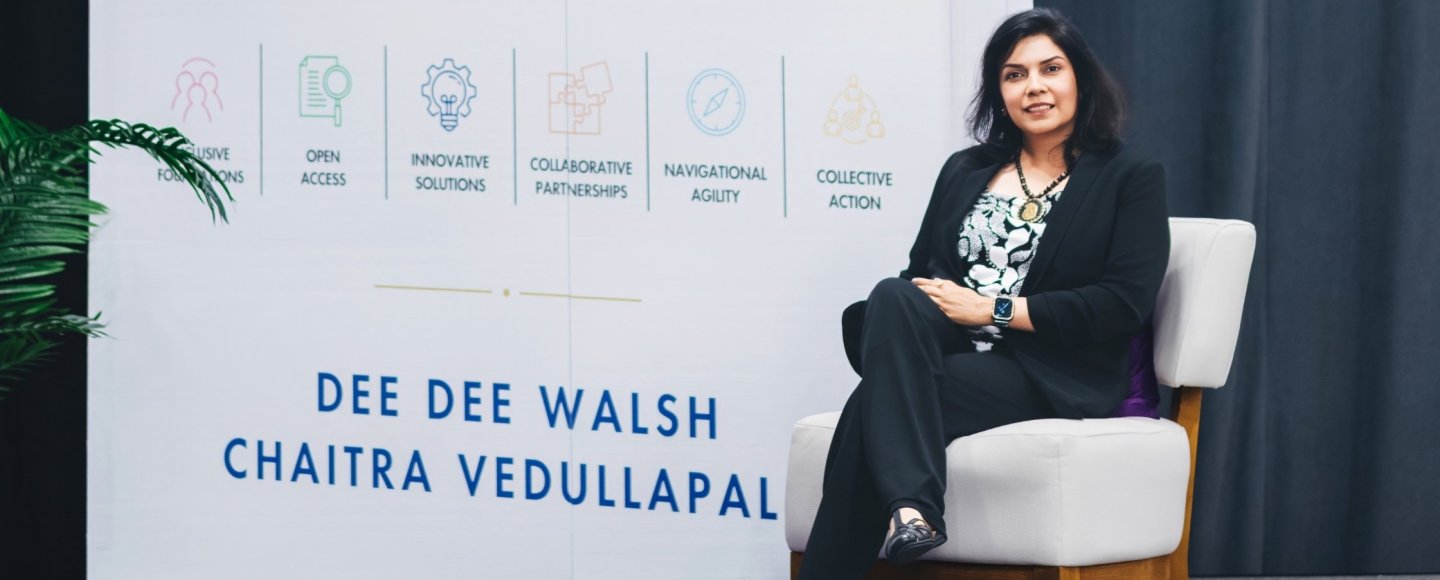

SEATTLE, WASHINGTON: For Monika Mital Gupta, GM Engineering at Microsoft, whose work focuses on employee productivity and intelligent systems, we are living in unprecedented times that offer not just opportunities for rapid growth in technology but also opportunities for women in technology to finally get their due.
“In the past, technology shifts have been relatively slower across all levels of society and workplaces, but AI has changed the pace, and the shift is happening very quickly at present,” says the Seattle-based corporate leader.
Though this shift has caused “a lot of churn” and there’s a lot of anxiety about jobs, there’s also more focus on the humanities and ethics, she says. “So there is scope for women leaders to step up at this point and to amplify the humane and cultural perspective of AI-based technologies.”
She further adds that while women were at the forefront of technology development and innovation in the past, they never got their due credit. “Today, we have an opportunity to be at the forefront of tech innovation and be recognized for it as well,” says Gupta, who holds a Master’s degree in computer science and is a Fulbright Fellow and alumnus of Carnegie Mellon University.
The AI factor
With over 20 years of experience at Microsoft, first in Hyderabad, India, and then in Seattle, USA, Gupta’s role emphasizes responsible AI and trust-building – a hot topic at a time when there has been a ‘trust deficit’ when it comes to adoption of AI.
Research has pointed out intrinsic biases in AI systems that have real-world implications especially since AI has become part of almost everything we use today.
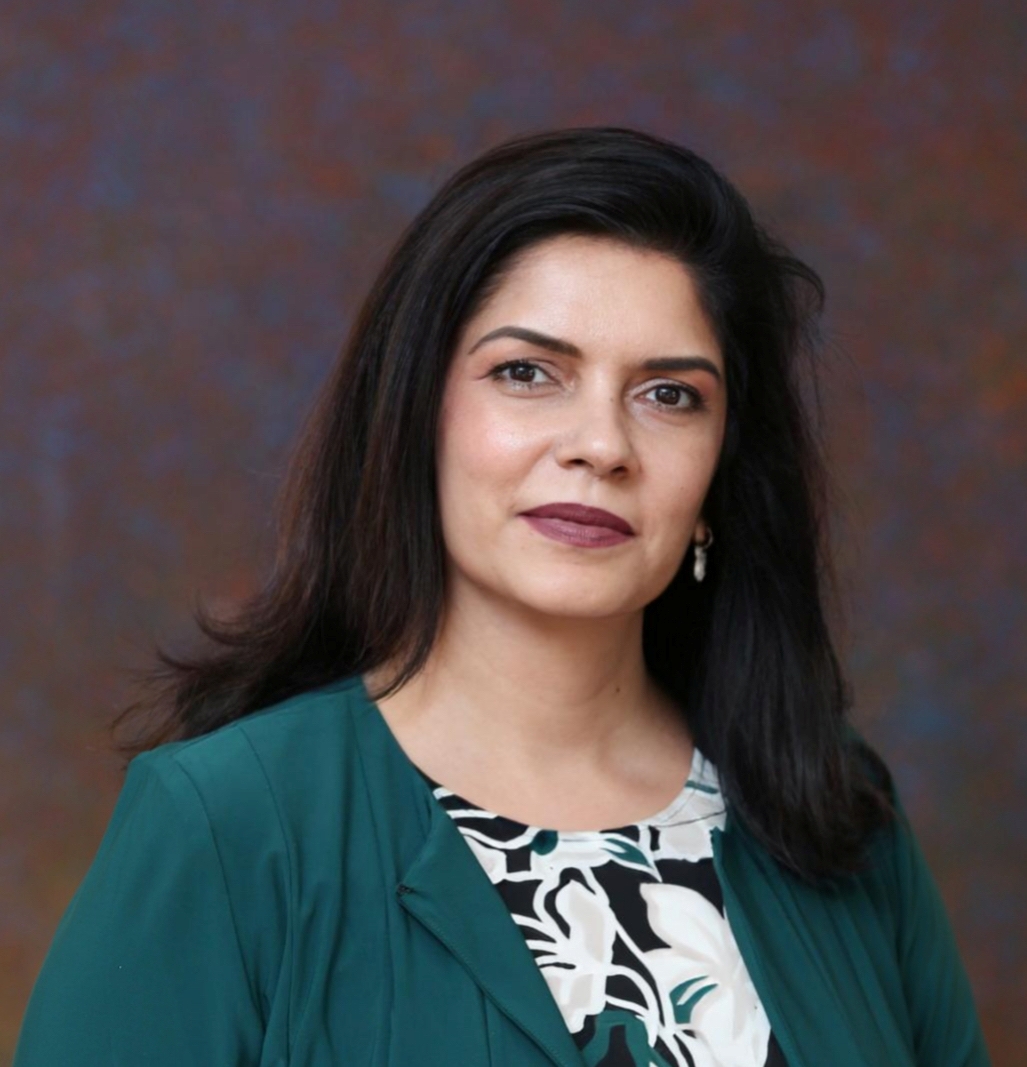
Gupta is both pragmatic and optimistic in this regard: “With any new technology, there will be both positive and negative implications. At the moment, people don’t really understand AI so they don’t trust it fully. But I do believe it will become so good, so efficient, that people will eventually trust AI too. It’s a matter of time.”
She also adds that artificial intelligence is “as subjective as human intelligence”, and if we want AI to be trustworthy and free of bias, then “we have to take the time to correct it and give it the right answer when it gets things wrong.”
She puts the onus of all of us – as users, leaders, activists – to direct the progression of artificial intelligence. “We cannot take a passive role. We have to make sure that diversity is incorporated. The information that today’s AI is trained on is fed by all of us, so we are equally responsible and have to participate in correcting biases that come up.”
Sharing the old adage, “Everybody was sure that somebody would do it but nobody did it,” she says: “As users, we assume someone else will fix the biases but we have to take charge of the narrative ourselves otherwise it is going to build itself by default based on existing narratives, that unfortunately do discriminate against people based on race or gender.”
At the same time, she accepts that companies also need to have guardrails in place. “For instance, we have responsible AI guardrails at Microsoft built on six core principles: fairness, reliability and safety, privacy and security, inclusiveness, transparency, and accountability. We cannot release even experimental AI without these guardrails,” she states.
Essentially, this means that the human in the loop is very important and that leaders have to ensure inclusivity from the planning stage of foundational AI itself, says Gupta.
On women’s safety
There is also the problem of AI tools being used for gender-based and race-based discrimination and abuse. Gupta, who is a mother of two, is aware of the pitfalls. “I think that AI as it is currently going is amplifying biases in society in an extreme way, and this will have strong implications for women. We have not been able to address women’s safety; in fact, perhaps some things have become worse rather than better.”
This is one area of technology development and AI that she is not enthused about. “I don’t know if technologies are going to make the world safer for women in future – they won’t unless we put in the investment to make it safer.”
However, she adds that this is not a problem of AI itself but discriminatory mindsets, which have been prevalent across cultures and down the centuries. “I hope we can turn AI application more towards safety than warfare.”

That’s why, she says, platforms like Women in Cloud (WIC) are important to make sure all voices are heard. Gupta is a member of the WIC global network and community-led initiative designed to inspire the tech ecosystem, build community engagement, and unlock $1 billion in new net economic access for women by the year 2030.
Fearless leadership
As a leader, Gupta is conscious of her role in shaping workplace cultures. “We’ve come a long way in gender equity in the workplace but there is still some way to go. Even a decade ago, people weren’t aware about the dual loads women carry – at work and at home. Now there is more awareness but it’s only in terms of giving due in terms of the mental load women carry, not really taking into cognizance the kind of hoops women need to go through at a systemic level. It’s still an industry problem. Also, we must remember that the gender pay gap is still very much there,” she says.
Policies against harassment and hiring bias have made a difference not just within organizations but also at a societal level, says Gupta. “Companies shape culture. When large companies implement gender-equal or humane policies, this percolates down to other levels of society through its employees.”
That’s why, she states, DEI (diversity, equity and inclusion) polices are required: “To make people aware of their unconscious biases and how systems are letting some people down. Maybe it’s still not perfectly equitable but it has in many instances led to a more balanced workforce.”
But, likening the situation to a pendulum that begins swinging the other way, she acknowledges the pushback and that issues persist despite these policies. “People who were benefiting from social biases are now targeting DEI programs saying these are biased against them.”
To Gupta, “Progress is when there is no reason to talk about DEI at all. When you’re treated as a human and valued for what you bring to the table and not your identity, gender or race.” But that hasn’t happened yet, she says: biases still exist.
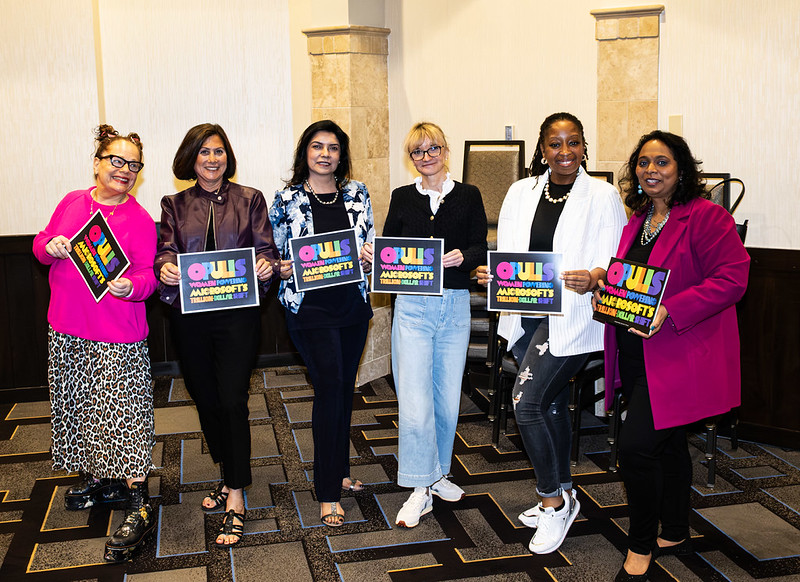
Referring to fearless culture principles that encourage innovation, risk-taking, and allow people to speak up and share their ideas and opinions freely, she says, “Leaders have a responsibility to create cultures that allow people to express their talent, and to feel valued for that. We must constantly self-reflect on our own biases, and keep a check on where we stand.”
Equitable policies and guidelines are a way, she says, “to force the culture so that huge teams across various backgrounds can understand what is expected in the workplace.” These cultural principles create psychological safety for the vulnerable populations, she explains. “And the leaders we create go out into the world and propagate that culture. The best thing we can do as leaders is create more leaders.”
With the technology industry metamorphizing in leaps and bounds over the years, Gupta’s definition of innovation has changed. “Earlier, innovative technology was used to describe a new way of doing things, or something that solved a problem that needed solving.”
Now, she says, “My idea of innovation has changed from addressing an existing problem or pain point to offering a solution that is more sustainable and gives the user a long-term tool to change the way they do things in the future as well.”
In other words, she says, “Solving today’s problems is enhancement. Solving tomorrow’s problems is what innovation looks like.”
Lead image: Monika Mital Gupta at the cover reveal of ICONIC Leadership, a book by Dee Dee Walsh and Chaitra Vedullapalli to be released in September 2026 by Women in Cloud.
Discover more from eShe
Subscribe to get the latest posts sent to your email.
0 comments on ““The AI era can redefine women’s place in tech leadership”: Monika Mital Gupta, GM Engineering, Microsoft”