
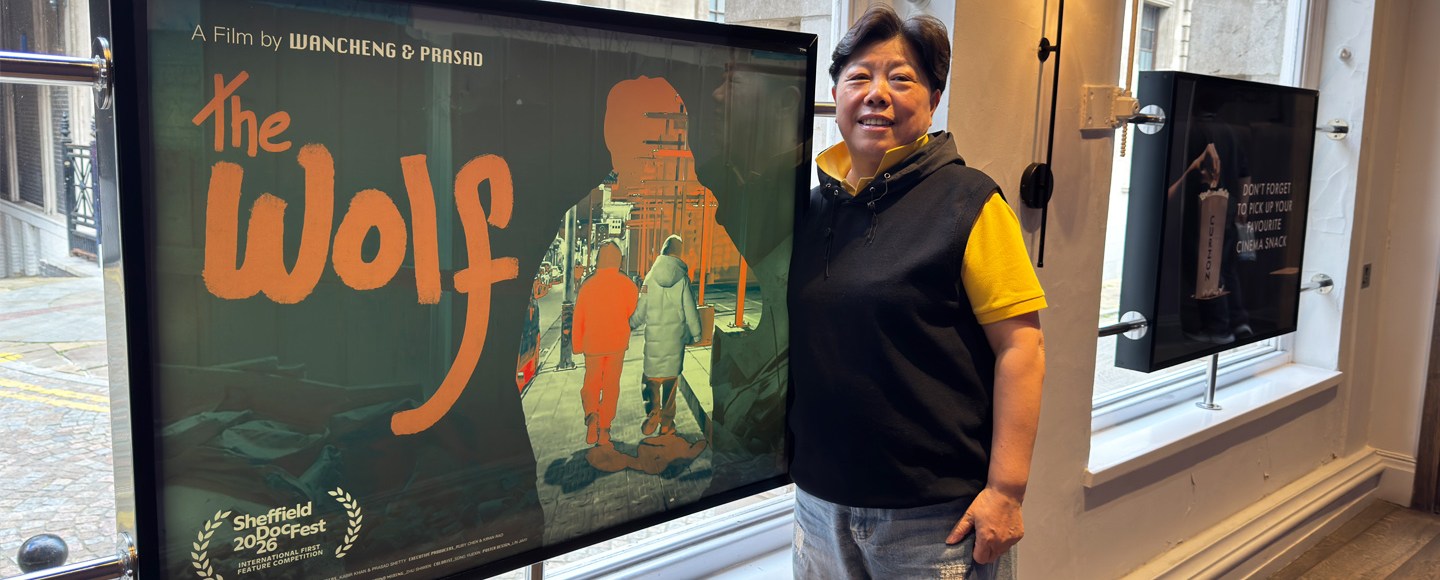

An enthralling new documentary, The Wolf, follows a 60-year-old former village mayor and businesswoman in Shanghai, Yuan, an openly lesbian woman who balances her roles as a mother, wife, daughter, friend and lover. Yuan makes a compelling subject because her life resists categorization and, to the credit of directors Wancheng Gu and Prasad Shetty, the film captures a personal and cultural complexity beyond Yuan’s sexual orientation.
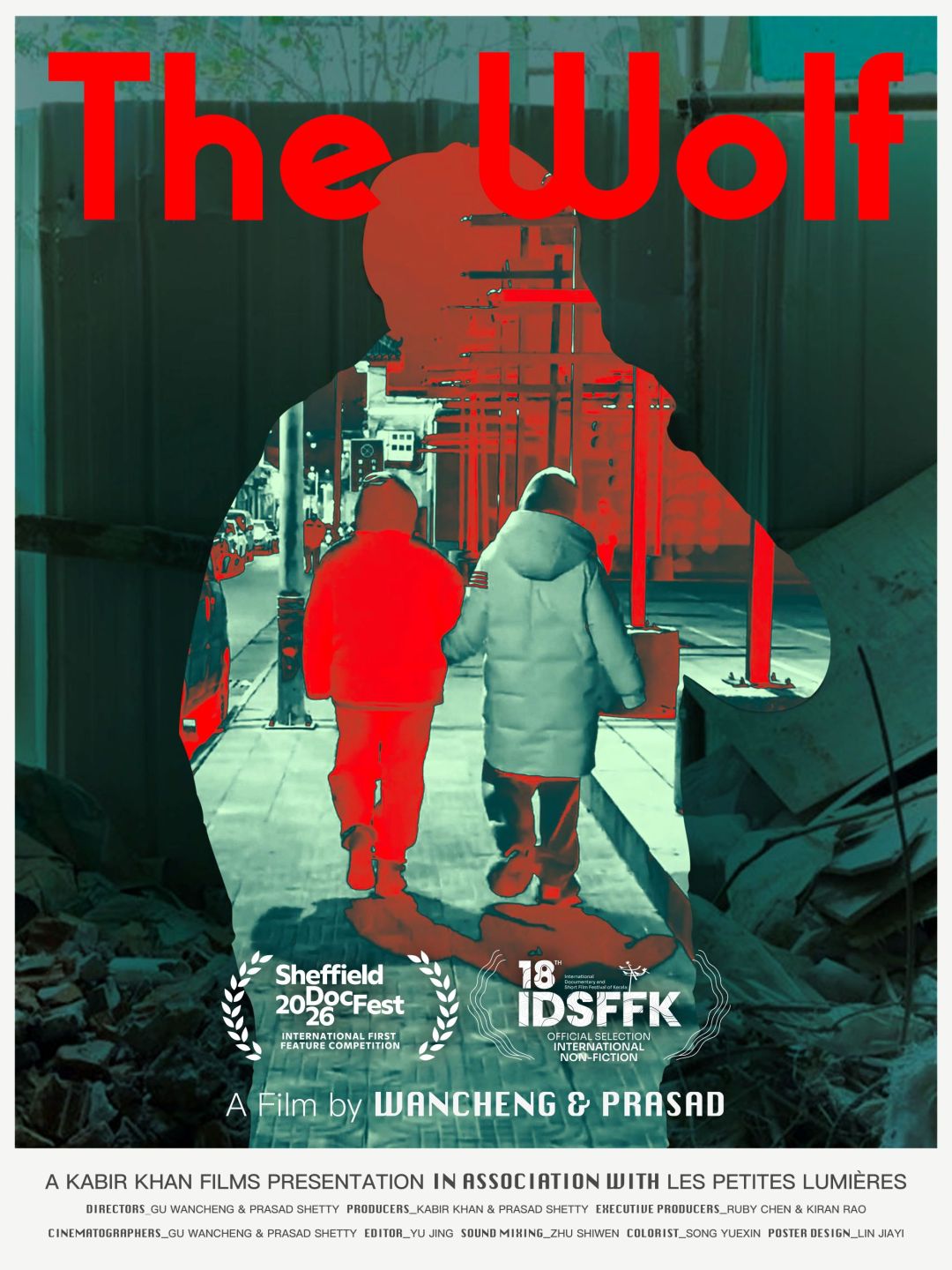
Produced by Shetty and Bollywood director Kabir Khan (of Bajrangi Bhaijaan), with executive producers Kiran Rao (of Laapataa Ladies) and Ruby Chen, the film made its world premiere at Sheffield DocFest 2026, UK, where it competed in the International First Feature Competition.
Khan and Rao, past collaborators of the directors, came on after seeing early footage, apparently drawn by Yuan herself.
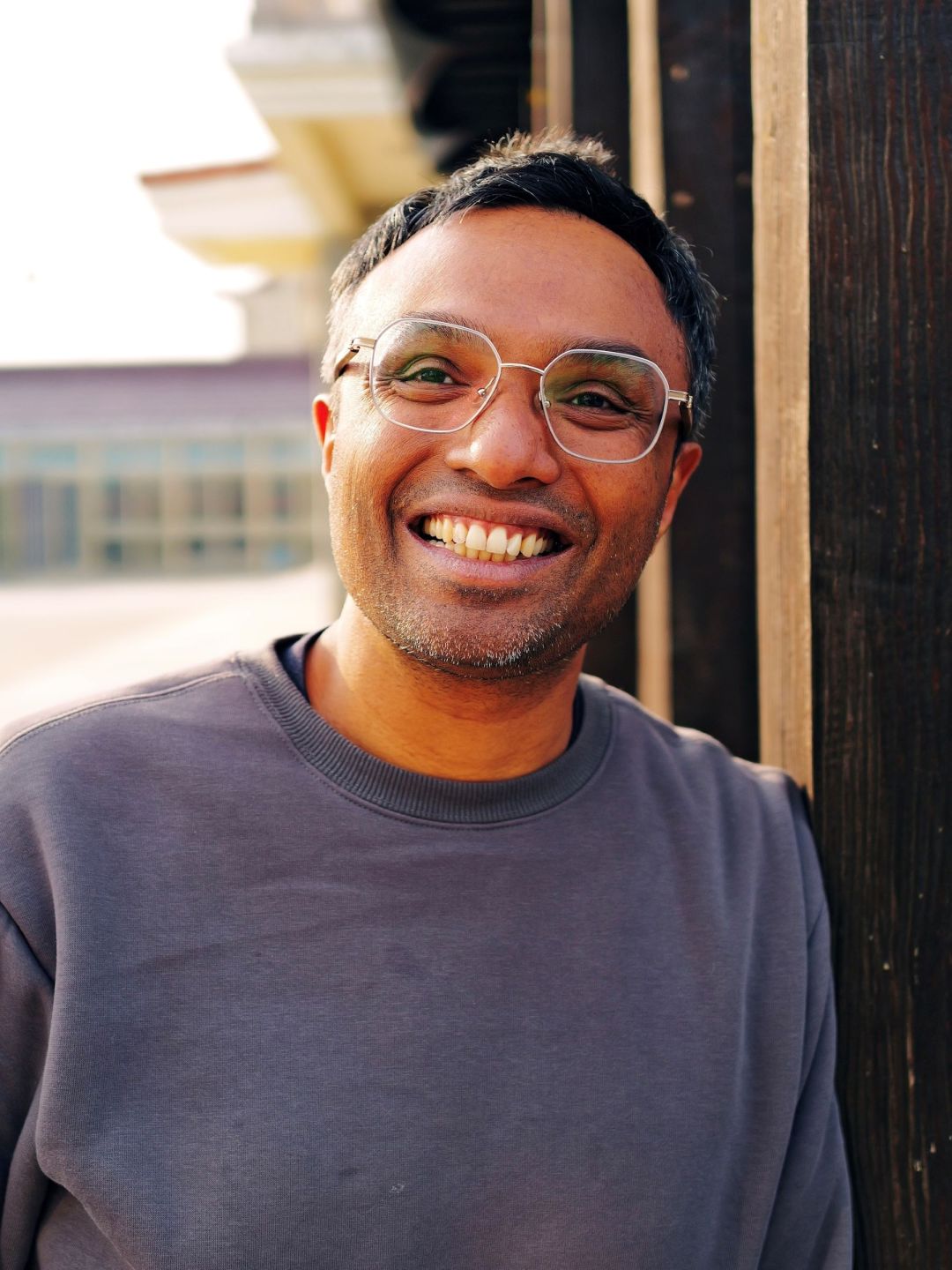
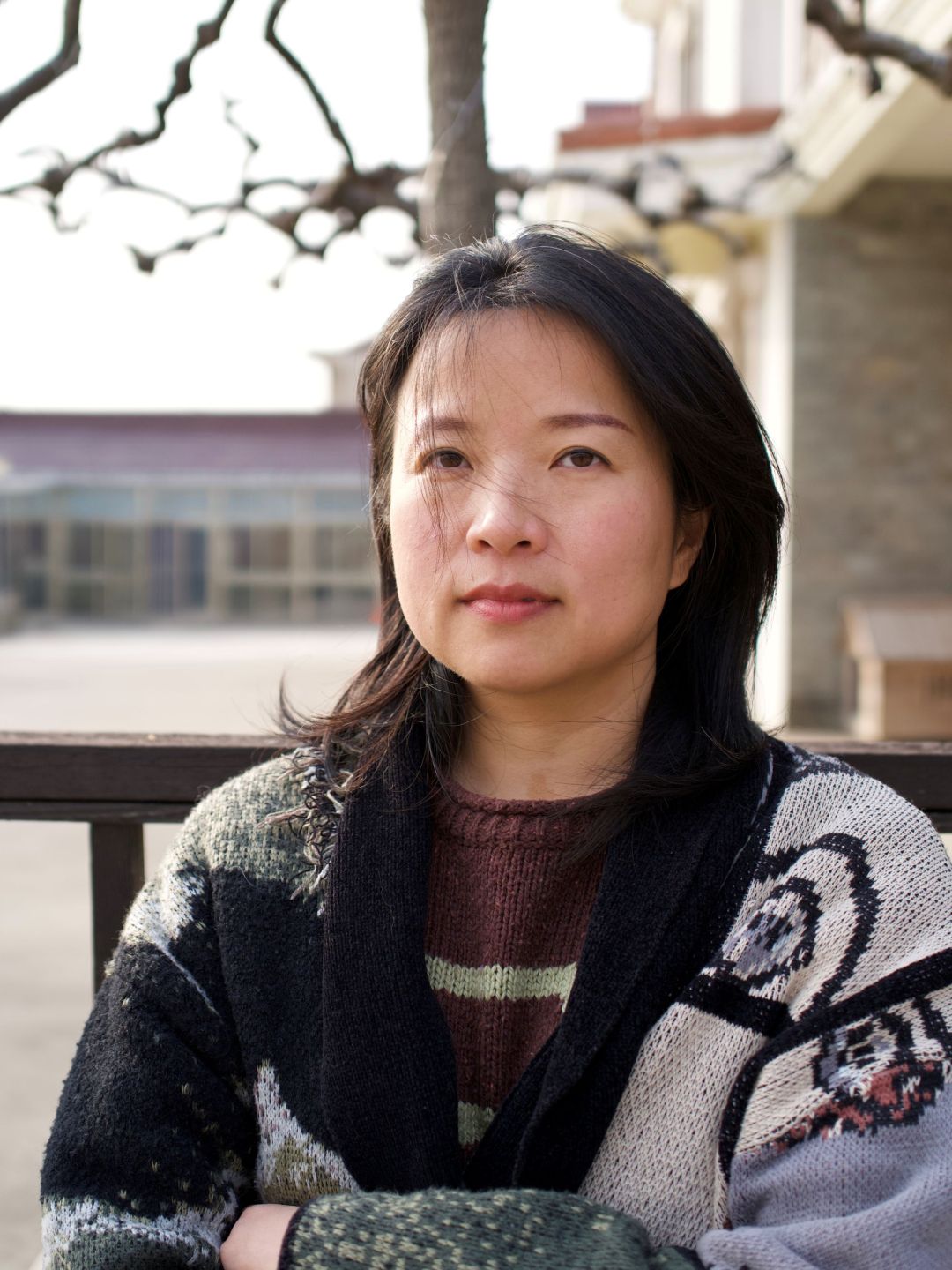
The 89-minute film, in Chinese with subtitles, is an India–France observational documentary shot in China on an iPhone. It is Gu and Shetty’s first feature-length documentary as co-directors. Gu has worked in film distribution, importing Indian films into China. She has known Shetty for 14 years.
Finding community, finding love
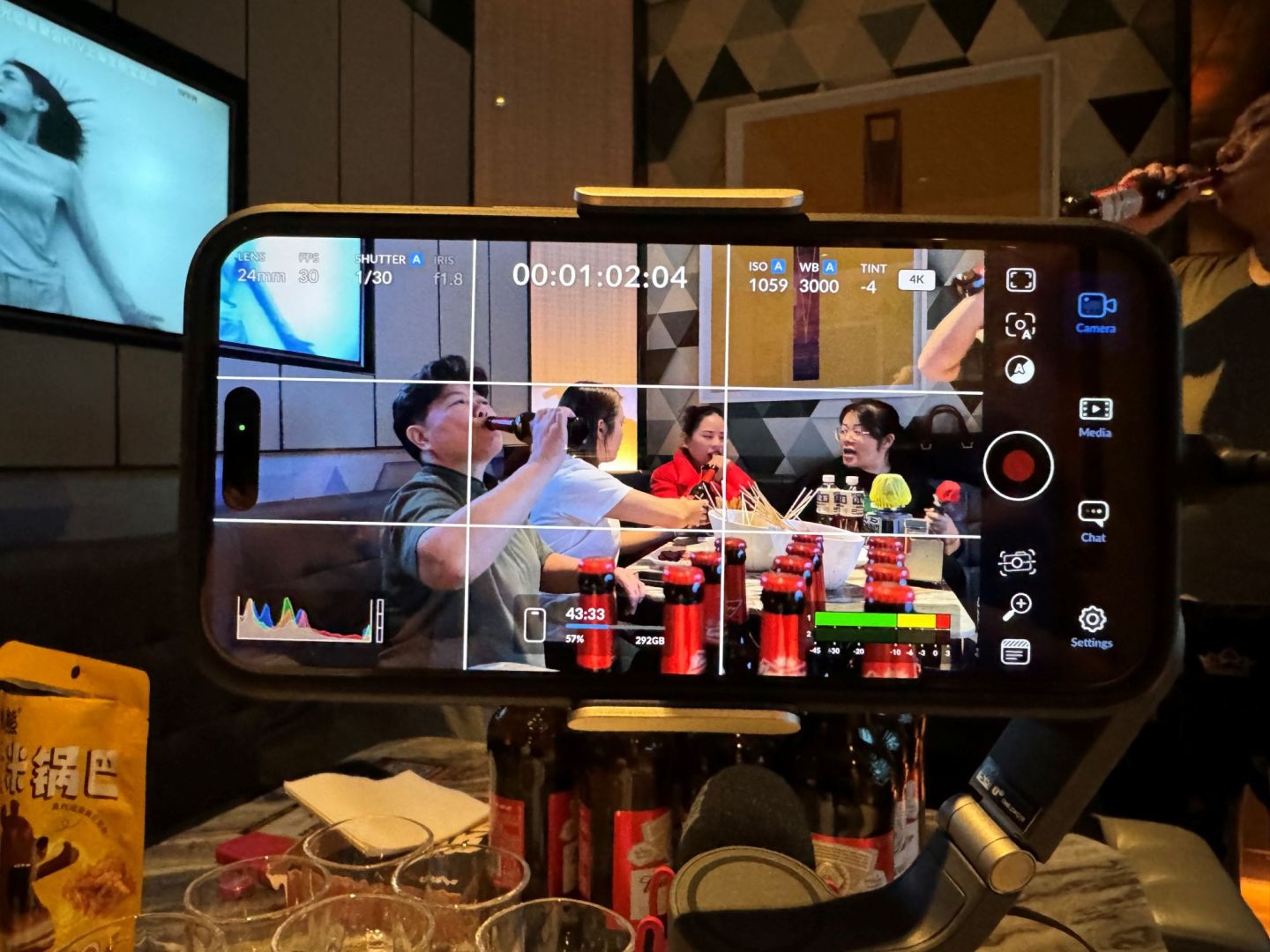
The film opens with Yuan at a karaoke bar with her partner, Zhen Zhen, who seems unfazed by their significant age gap. Yuan leads a song about love that lingers after it is lost. They then listen to a song about growing old together. When Yuan examines Zhen Zhen’s tattoo, she remarks, “Yuan is my last name, you know.”
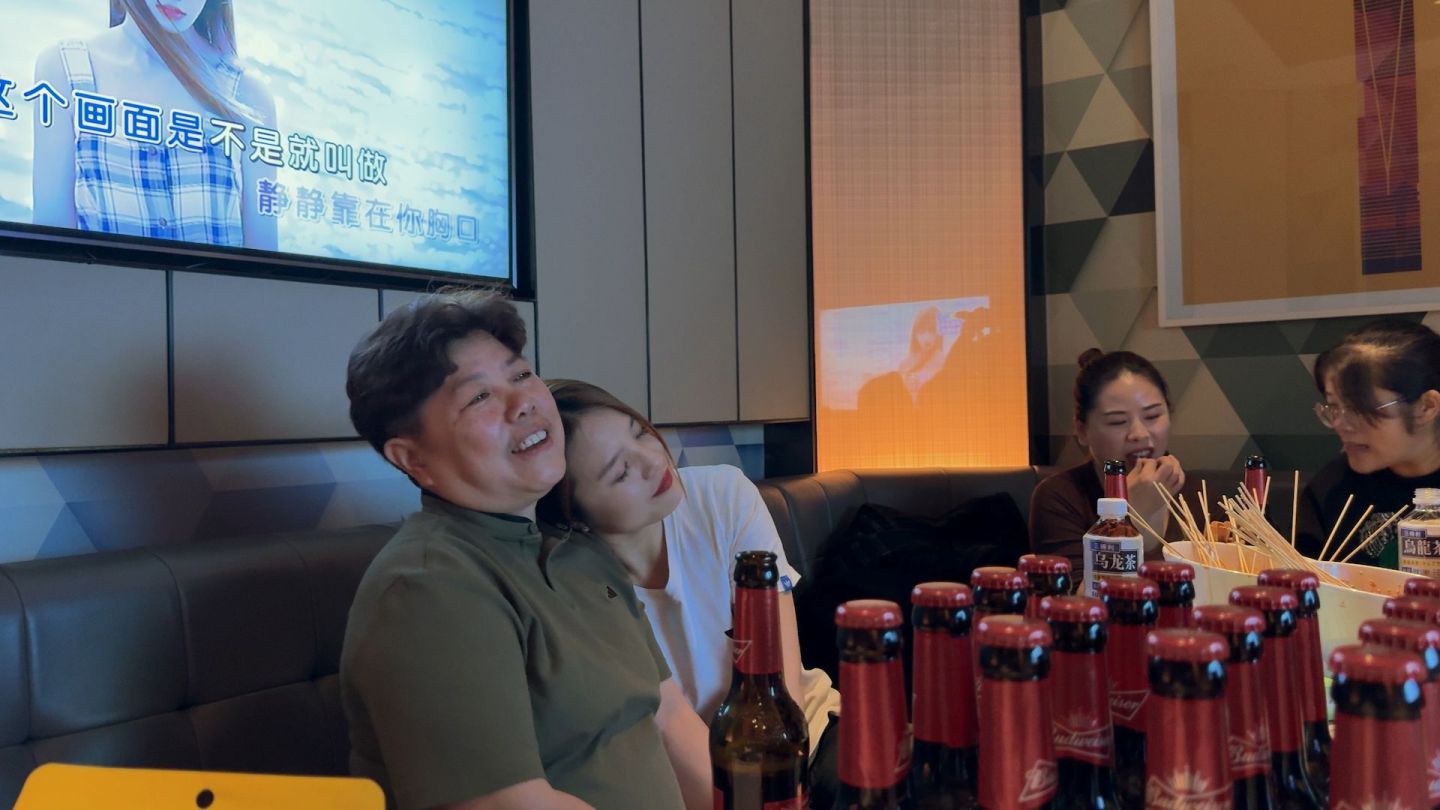
Zhen Zhen proudly reveals the full tattoo, which reads in lowercase italics: “yuan I am because you are.” She then speaks openly about her affection for Yuan, who is hearing these words for the first time: “I am just happy. Happy when she cooks for me… Happy when she shows me off to others.”
Like many Chinese lesbians of her generation, Yuan found her community online. Researcher Guo Yujie, in A History of Lesbians Organizing in China, notes that from the late 1990s, the internet became an important way for lesbians in China to connect. Recalling those early days, Yuan says in the film, “Online chat became available after [the] year 2000. I realized I was not the only one like this. There is a community.”
Co-director Gu had known Yuan for many years as a family friend. She explains how the project began: “In 2023, she introduced us to her new girlfriend, and a new romance signaled that more wonderful stories would unfold next. With this intuition, we started filming.”
A lifetime commitment
Yuan’s care for her husband, Zhang, is evident throughout the film. At one point, she chides him, “Later, put some cream on your face. Your face is very dry.” At her 60th birthday celebration, when a guest asks about Zhang, Yuan raises a toast and declares: “Zhang is my lifelong commitment. This will never change… Because Zhang took care of me for the first half of my life, I must take care of him for the second half of his life. That’s a must.”
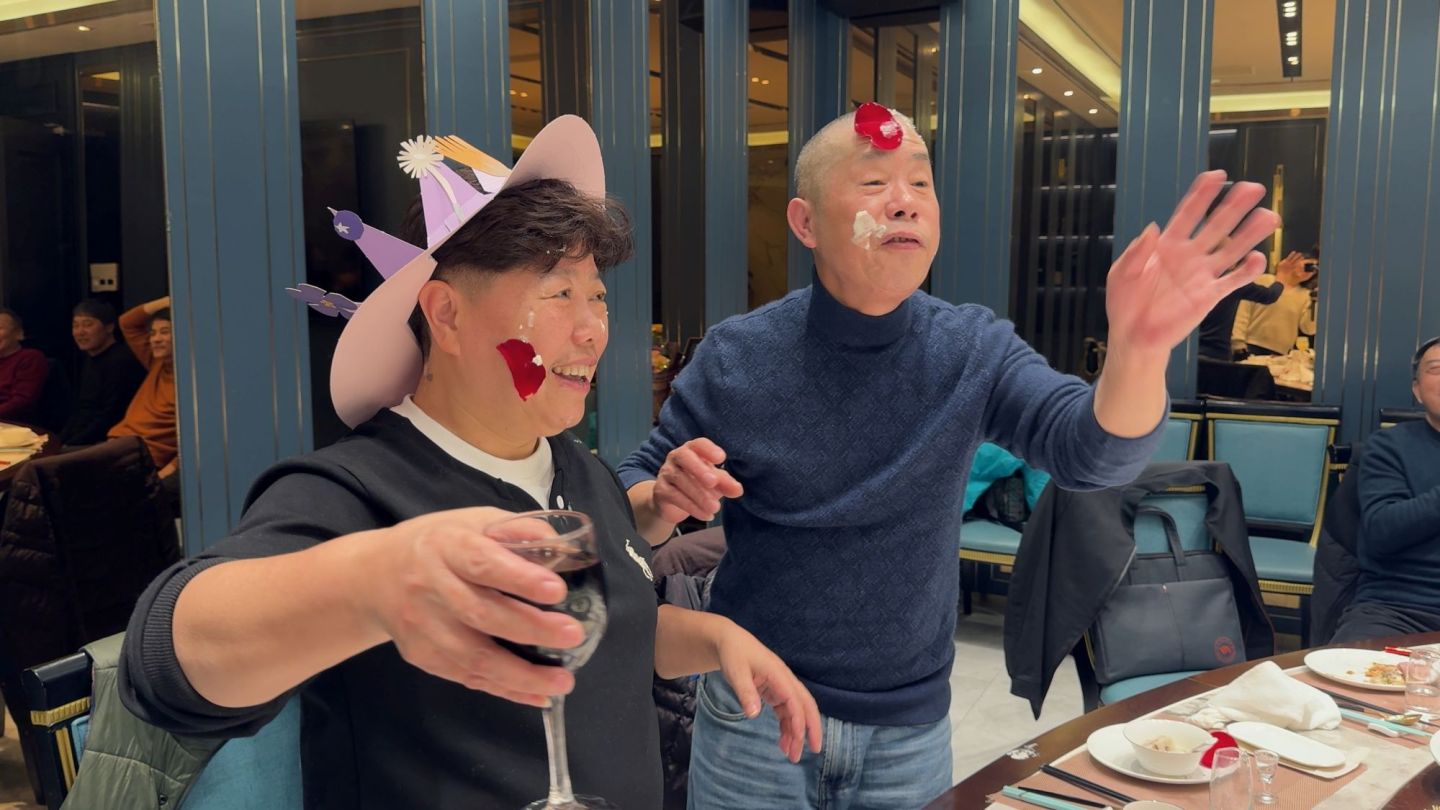
Asked whether this response changed her understanding of Yuan, co-director Gu says: “The split between family responsibility and personal feelings is not uncommon in China, and perhaps it is also part of traditional Chinese family relationships… But her [Yuan’s] answer did not surprise me at all – it has always been her way of thinking and doing things.”
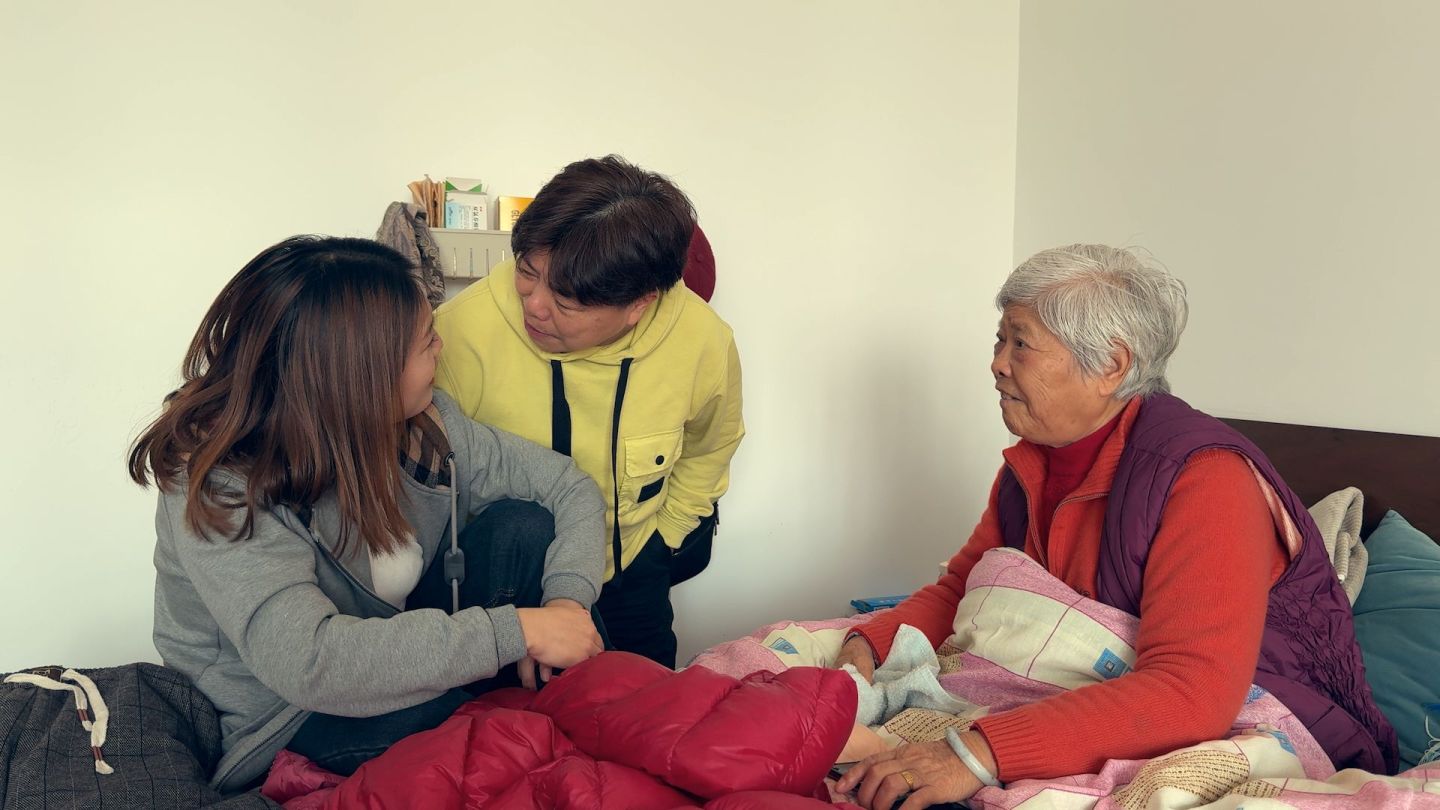
While Yuan admits that decades of caregiving have left her exhausted and that it is finally time to “do whatever I want,” her sense of familial duty remains strong. This comes through during a visit to her parents’ home with her partner, Zhen Zhen. Yuan reaches over to wipe the sweat from her mother’s forehead. Her parents are unaware of her sexuality, something Yuan navigates pragmatically: “They don’t have such a concept… I don’t think there’s a need to make things crystal clear.”
Instead, she expresses her care through practical gestures, promising that Zhang will visit to cut her mother’s hair so her mother can avoid the risk of infection from going to a hair salon.
Yuan’s energy extends to her working life. A former village mayor in Shanghai, she retired in 2021 but chose to keep working: “Just don’t want to idle. Just work for fun. Don’t have to be stressed about making money.”
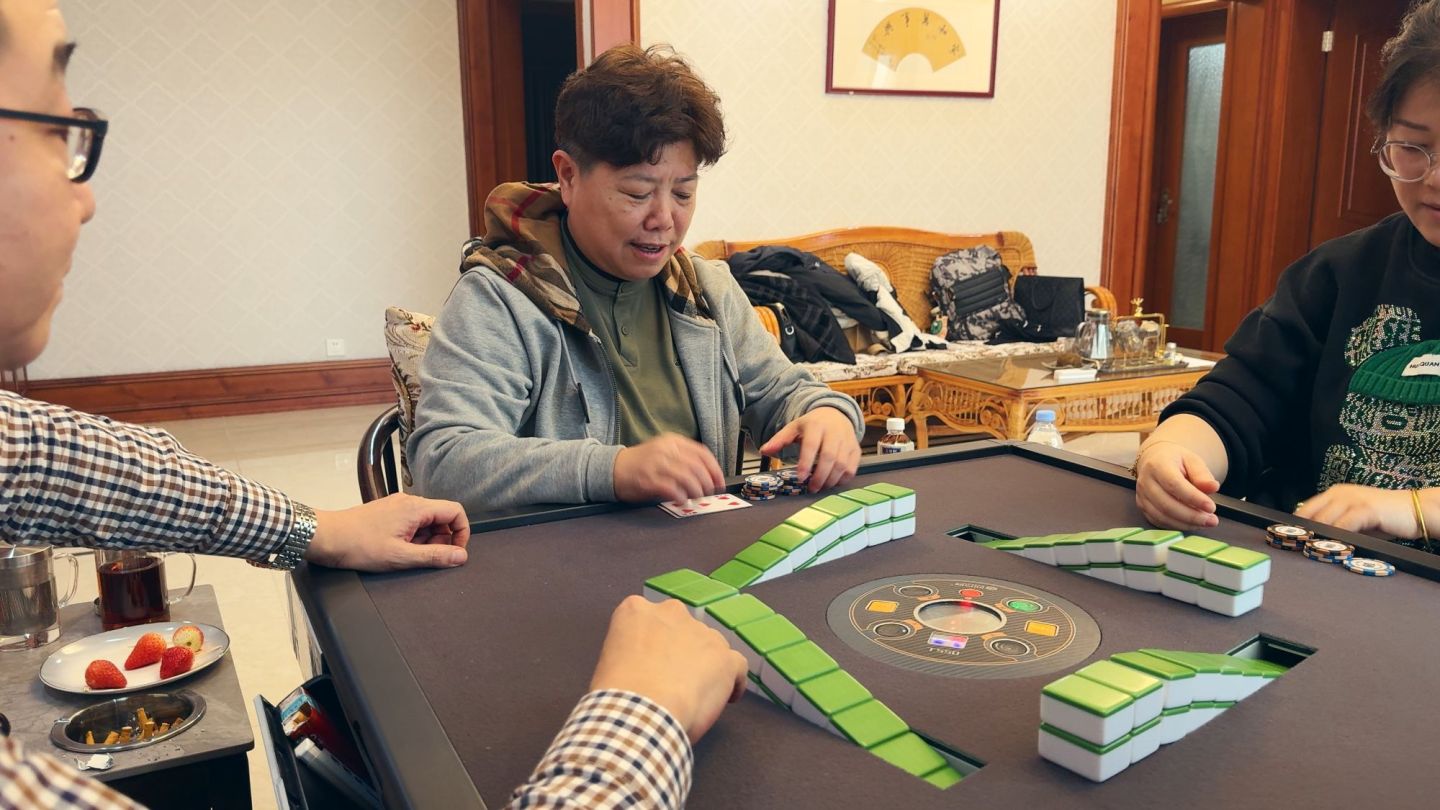
She now wears many hats, from running a company that supports businesses to operating a mahjong parlor. As China’s economy shifts, she continues to adapt, at one point cutting her staff’s salaries to keep the business afloat.
Duty, tradition and high heels
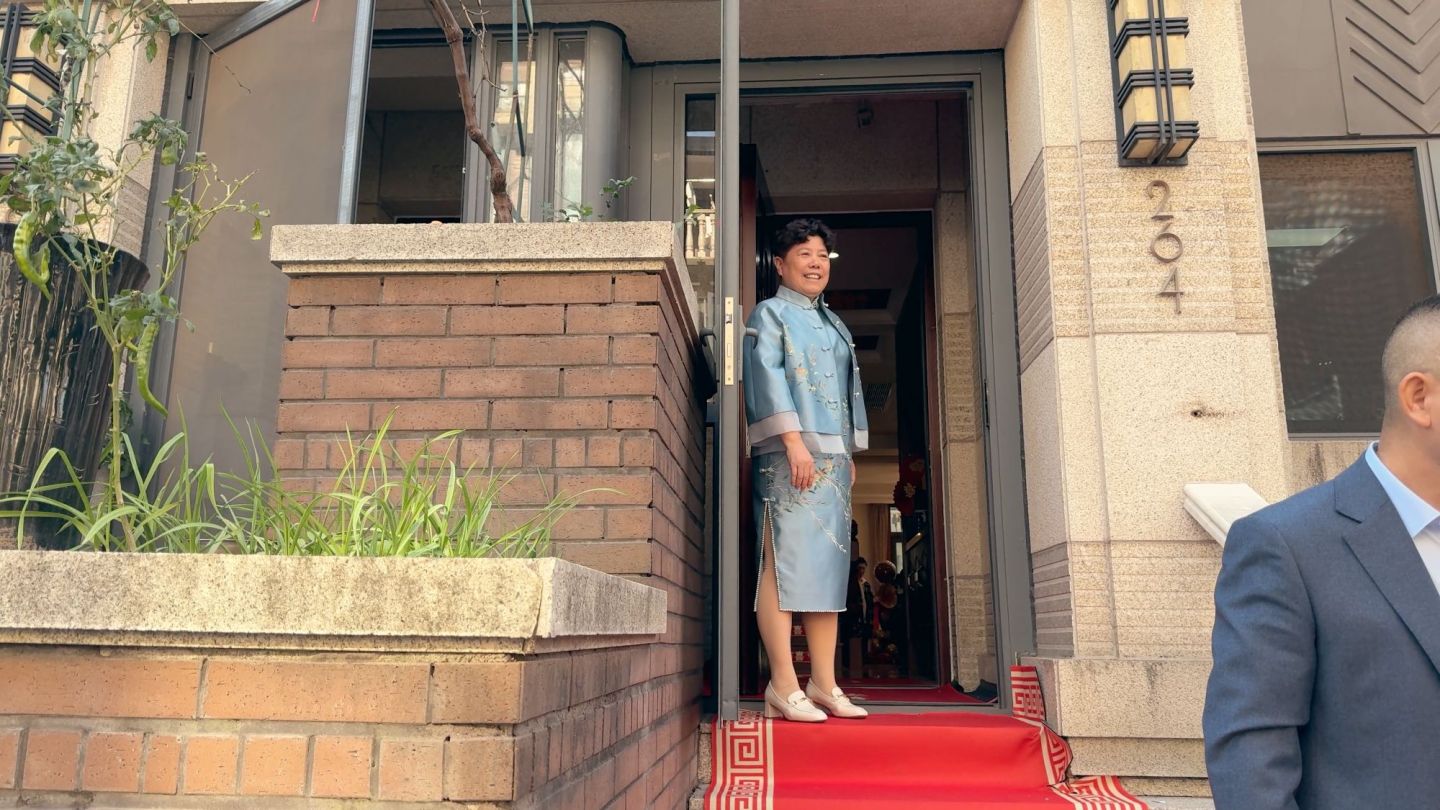
At her daughter’s elaborate traditional wedding, Yuan and Zhang observe marriage customs, including the exchange of red envelopes and other rituals between the two families.
Her friends poke fun at her for wearing a formal silk skirt suit and high heels, an unusual choice of attire for her, and Yuan exclaims, “I am too femme, too femme today.” She tears up as she bids her daughter goodbye, telling her son-in-law, “I hand her to you, son-in-law, okay?”
To understand the roots of her resilience, the film glances backward. It was in high school that Yuan first realized she was attracted to girls: “How come I like girls? It was quite strange. But I just knew it wasn’t allowed. This was wrong.”
The experience tormented her. “Sometimes I wondered why I was like that,” she says.
Like many women in China at the time, she married young. She disliked overly masculine men and decided to marry a “tender” man. Deep down, however, Yuan was not attracted to men. “Given a chance to do it again, I would not marry,” she says.
Yuan came out to Zhang in 2006. He questioned her: “Why do you go out of town every two weeks?” That was when she told him everything. Zhang accepted her relationships with women, and the marriage continued. Yuan says he would not have been accepting had she been seeing men instead.
Societal expectations can be so burdensome that conforming to them seems easier than defying them. Yuan had challenged conventional expectations around sexuality, yet continued to observe many cultural and family norms. Was this a way of balancing one against the other, or did she believe in those expectations all along? The film does not say. My sense is that she does believe in them, but is also pragmatic by nature.
Leaving it to fate
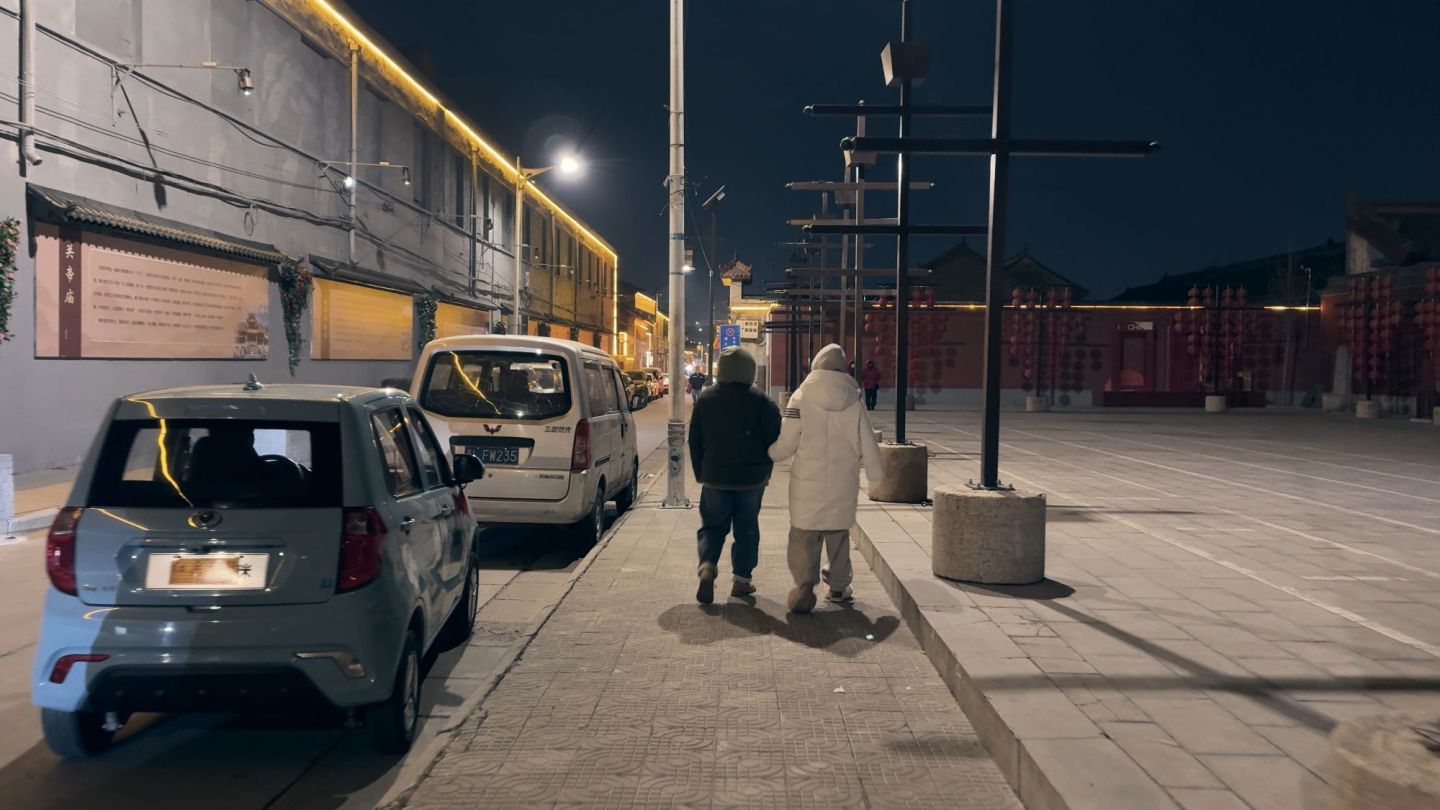
A visit to Shanxi strains the relationship between Yuan and Zhen Zhen. As the camera follows the pair walking together, Zhen Zhen’s silence makes the tension palpable. Yuan stops at a place of worship to pray, as if hoping to salvage their relationship.
Back in their room, Zhen Zhen, devastated by a miscarriage following IVF, describes her pain and says she will try again. Her mother had urged her to have a child. Zhen Zhen also explains how her view of homosexuality has changed, invoking yin and yang harmony and the idea that this is what the Chinese have relied on to reproduce across generations.
Looking at the camera, she bluntly says, “Anyone who has this kind of thought, let me tell you, they all have a defect.” She then turns to spirits: Yuan, she says, is missing one of the three souls and seven spirits, which is why she likes only women. One wonders what prompted Zhen Zhen’s change of views. The film does not reveal who or what shaped these beliefs, but the shift in her thinking is unmistakable.
As the film’s opening titles explain, China officially removed homosexuality from its category of mental illnesses in 2001. More than two decades later, Zhen Zhen’s words suggest that private beliefs have not necessarily followed.
Zhen Zhen tells the filmmakers, “I am just eagerly waiting for all of you to leave.” All she wants is to rest.
Determined to bridge the growing distance, Yuan renews her invitation the next morning: “Get well-rested and recuperated, and then come over. If you can come over, we can go out and travel together.” Zhen Zhen gestures no. Yuan presses on, suggesting that Zhen Zhen could curl up at her place or at her parents’ home, but Zhen Zhen continues to refuse.
When Yuan asks where she would like to stay, Zhen Zhen jokes, “Curl up in the chicken coop and hatch some eggs.” A long, awkward silence follows. The scene cuts to Yuan pulling her carry-on away from the camera and receding into the distance, suggesting the growing emotional separation between them.
As she walks toward the jetway, Yuan says in voiceover: “She [Zhen Zhen] has her life. She can’t change me, and I can’t change her. Nothing really matters. Just leave it to fate.”
Reflecting on the early weeks of filming, Gu says: “As for what exactly would happen, we had no idea at all – we could only wait for fate to decide what kind of gift it wanted to bring us… We were lucky: just as we had hoped, her life soon underwent dramatic changes, and the storyline gradually became clearer, so our later filming had a clearer purpose.”
The film beyond Yuan
The film ends where it began: back in a karaoke bar, with Yuan leading the singing. Nothing is explained or made a fuss over. What lingered for me after the end credits rolled were questions about the people closest to Yuan. How might her daughter have reacted when she first learnt about her mother’s sexuality? Was she too young to notice anything, or did she come to accept it? Was there ever a moment of resentment? And what about Zhang? Did he ever feel betrayed by Yuan? I also wondered how much time had passed before Yuan returned to the karaoke bar.
Queer films are appearing more frequently across Asia. Kashish Mumbai International Queer Film Festival director Sridhar Rangayan has observed that Indian films are moving toward “stories of acceptance rather than coming out.”
In China, the picture is different. The film’s opening titles explain that the country follows a “Three No’s” policy: no approval, no disapproval, no promotion. Still, Beijing’s annual independent queer film festival was recently canceled after what is understood to have been sustained harassment from authorities. Against this backdrop, it is heartening to see stories like Yuan’s reach the screen.
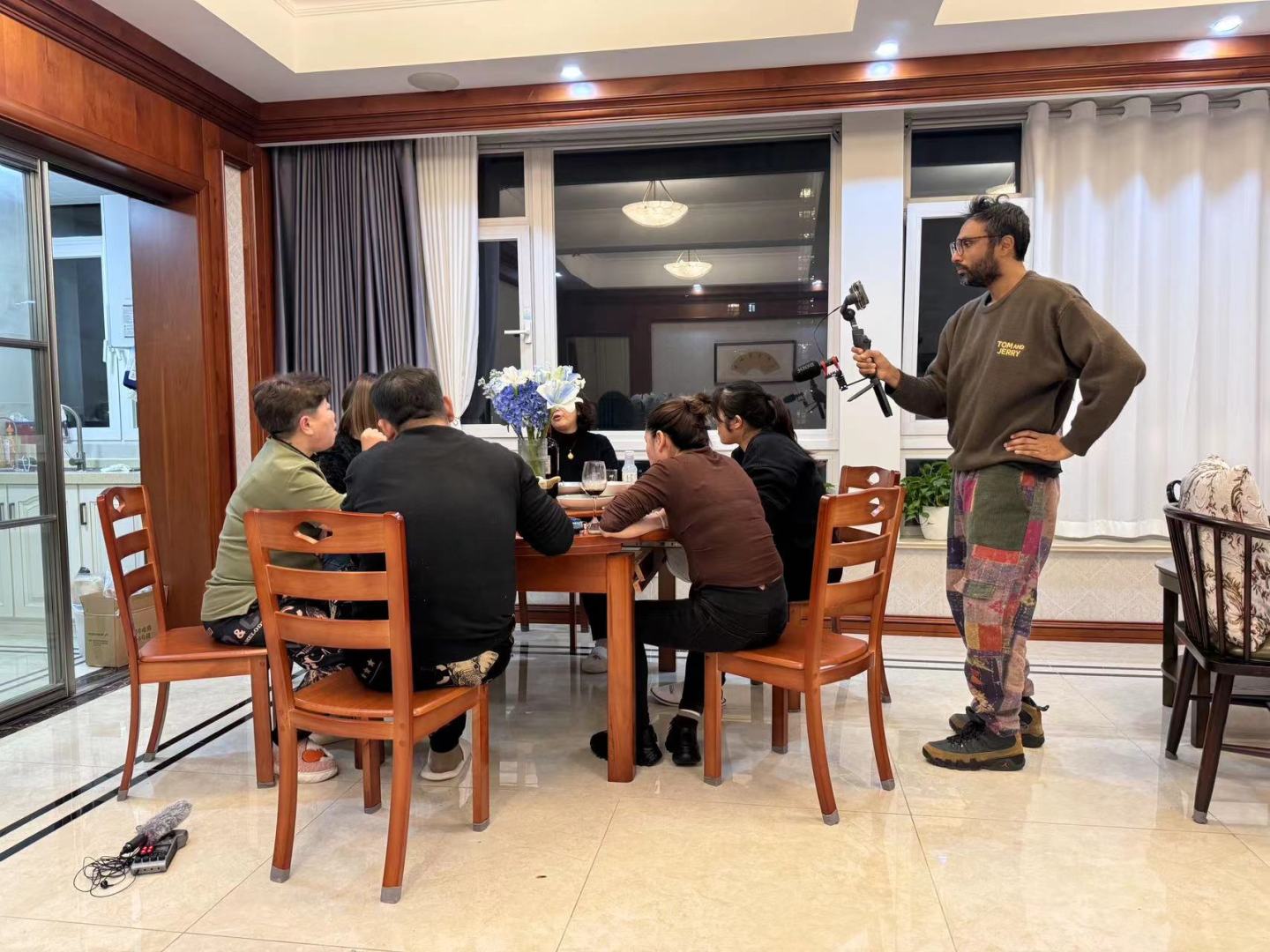
In an observational documentary, filmmakers do not seek to steer events. The work begins with the choice of subject; patience and persistence allow a story to evolve organically. That is what the filmmakers bet on. Gu knew Yuan personally and trusted that a story would emerge. By Gu’s account, the crew consisted of just the two directors, either of whom would pick up the camera whenever something important seemed about to happen.
The editing then gave the footage its shape, allowing viewers to feel the story unfold. One example is the transition from Yuan rolling her carry-on onto the jetway to her singing in the karaoke bar. The cut skips over the stretch of heartbreak one might expect.
Yuan’s daughter appears in the wedding scenes, visibly emotional as she says goodbye to her parents. But I wished for a scene or two showing her with Yuan outside the formal setting of the wedding, giving us a better sense of their relationship.
Gu and Shetty give us a portrait of a lesbian making the best of what life has offered her. Yuan does not seem to dwell on the past; she lives in the present and speaks with striking candor. The filmmakers let their subjects be rather than insist on a particular way of telling their stories.
Yuan, for her part, appears at ease with the filming, even as the emotions around her shift. The iPhone was not just a budget-friendly choice, says Gu. “Budget was one consideration, but the bigger reason was the convenience and discretion it offered, especially in unpredictable documentary situations.” In China, she adds, people are so used to seeing others film on phones that it hardly draws attention, while a larger camera makes people self-conscious.
That said, Yuan’s ease seems as much a matter of her nature as of the camera; I suspect she would have been candid however she was filmed.
Gu says the editing rested with her and Shetty, and that Yuan saw the finished cut and asked for no changes. At the Sheffield premiere, Gu adds, an audience member asked Yuan whether it felt strange to see herself on screen. She said it felt very natural.
Yuan’s story is a queer one, but it is also a story many people can relate to. What stays with me is how comfortable she is in her own skin, and how that ease carries her through love, duty and work.
Lead image: Yuan with the film poster at Sheffield DocFest 2026, UK
0 comments on “Inside ‘The Wolf’: a documentary portrait of a Chinese lesbian and former village mayor”