
A new global declaration unveiled yesterday is calling for a fundamental reset in how the world pursues gender equality – placing human rights obligations, accountability and feminist leadership at the centre of global efforts.
The Women Deliver network launched the Melbourne Declaration for Gender Equality at the ongoing Women Deliver 2026 Conference in Narrm, the Woi-wurrung name for Melbourne. The document is the culmination of months of global consultations involving more than 650 participants across movements, civil-society organisations, governments and research institutions.
Organisers say the declaration reflects a growing recognition within the global gender equality movement that existing structures – while responsible for many gains – are no longer sufficient to address widening inequalities and political backlash against women’s rights.
The declaration calls for “a world where States respect, protect and fulfil human rights; where feminist movements and civil society have the resources, space and legitimacy to hold States accountable; and where the wider gender equality ecosystem aligns its resources and influence behind that work.”
eShe endorses the Melbourne Declaration.
Guided by a gender equality ecosystem
Women Deliver is a New York-based global advocacy organisation that promotes gender equality, focusing on the health, rights and wellbeing of girls and women. Its president and CEO Maliha Khan, who started her career implementing development projects in marginalised regions of Pakistan, believes “real change is possible with a concerted, intentional effort to challenge structures and systems”.
The Melbourne Declaration emerged from more than 30 consultations held across different regions over the past year. Rather than presenting itself as a new blueprint from the top down, the document frames itself as a collective effort by those working within what it calls the “gender equality ecosystem” – the wide network of institutions and movements engaged in advancing women’s rights globally.
This ecosystem includes feminist movements, women’s rights organisations, organisations of persons with disabilities, grassroots and locally led groups, governments, multilateral institutions, philanthropies, researchers and advocacy networks. While these actors work toward shared goals, they do not operate with equal power or resources.
The declaration argues that these inequalities have often shaped global gender policy in ways that marginalise local leadership and weaken accountability. It imagines a world where “health, education and other essential services are free, quality, accessible, inclusive, equitable and appropriate, and where those most affected by injustice shape the decisions that affect their lives.”
Confronting unequal power structures
A central theme of the document is the need to rebalance power within the institutions that drive global gender equality initiatives.
The companion guide to the declaration notes that many international frameworks have been shaped by funding models and institutional practices rooted in unequal power relations. These structures can allow governments to evade responsibility while sidelining grassroots organisations that are closest to affected communities.
The Melbourne Declaration therefore calls for a shift in priorities: stronger state accountability, greater investment in feminist movements and locally led organisations, and stronger solidarity across global movements.
“The declaration and the guide are not new inventions. Rather, they build upon a long history of feminist and anti-colonial declarations, conventions and movements. They also draw on global and regional human rights conventions and political declarations,” the organisers note.
A moment of global backlash
The launch of the declaration comes amid mounting concerns among activists about a global backlash against gender equality.
Participants at the conference pointed to shrinking civic space, rising anti-rights movements and attacks on reproductive freedoms in several countries. In many regions, organisations working on women’s rights and LGBTQIA+ equality say they face growing political pressure.
The Women Deliver 2026 Conference, one of the largest global gatherings dedicated to gender equality, has convened around 6,500 advocates, policymakers and activists from roughly 170 countries. The four-day event includes discussions on issues such as climate justice, economic empowerment, ending gender-based violence and strengthening public systems that support women and girls.
Linking gender equality to wider justice
Another key feature of the declaration is its attempt to connect gender equality more explicitly with broader struggles over economic inequality, environmental justice and colonial legacies.
The document emphasises that gender justice cannot be pursued in isolation from these structural forces. Climate change, economic insecurity and political instability, for example, often have disproportionate consequences for women and gender-diverse people, particularly in marginalised communities.
“The current global economic system is built on extraction and the concentration of wealth, exacerbating inequality and environmental and ecological harm,” it notes. The consultations that produced the declaration therefore included voices from movements working on climate justice, Indigenous rights and economic equity, reflecting an increasingly intersectional approach within global feminist advocacy.
It also takes up a united stand against militarism and for peace and justice: “We refuse to be complicit in the normalisation of war and the instrumentalisation of the rights of girls, women, and gender-diverse people to justify conflict and violence. We also stand against the weaponisation of militarised masculinities to recruit men and boys as instruments of war, creating conditions that deeply harm all people, including through sexual violence as a weapon of war.”
More than a symbolic document
The declaration and companion guide outline guiding principles meant to shape how governments, international institutions and civil society organisations work together in the future.
These principles include reaffirming states’ obligations under international human rights law, strengthening the role of feminist movements in holding governments accountable, and ensuring that international funding and development systems support locally led initiatives rather than replacing them.
Organisers also stress that the declaration is meant to remain a living document. “This declaration belongs to all of us,” Women Deliver said in its launch announcement, inviting organisations, governments and individuals to endorse and carry forward the commitments outlined in the text.
A platform for the next phase of global advocacy
The launch of the Melbourne Declaration arrives at a pivotal moment for global gender policy. With the 2030 deadline for the United Nations Sustainable Development Goals approaching, activists and policymakers are already debating what the next phase of international development agendas should look like.
Advocates involved in the declaration hope it will help shape those conversations – particularly around issues such as movement funding, accountability and the role of grassroots leadership.
Whether it becomes a defining document for the next decade of gender equality advocacy will depend on how widely its principles are adopted. But its launch at one of the world’s largest feminist gatherings signals an effort to rethink not just the goals of gender equality work, but the systems through which that work is carried out.
As the declaration itself puts it, the aim is nothing less than “a future of gender equality” rooted in care, solidarity and justice.
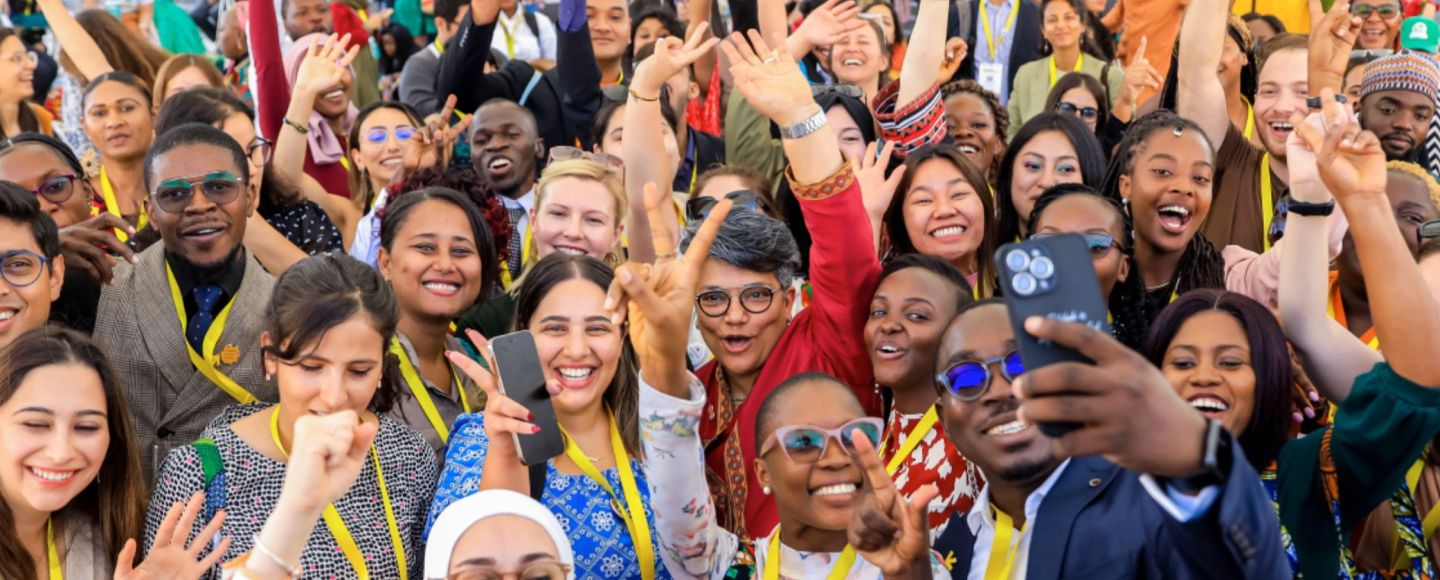
Lead image: Women Deliver
Discover more from eShe
Subscribe to get the latest posts sent to your email.
0 comments on “Women Deliver launches ‘Melbourne Declaration’ urging global reset for gender equality”