

By Sadhika Thapa
“I don’t particularly like to victimize women. So I always try to actually show what they’re doing, irrespective of the situation, the conditions that they’re in. So yeah, of course, I am a feminist filmmaker,” says Sulochana Peiris, a Sri Lankan documentary filmmaker, writer and researcher whose work examines conflict, human rights, peacebuilding and social movements.
“Whatever issue I focus on, I make sure the gender aspect is covered in terms of how women are affected. It comes naturally now as we grew up covering stories and seeing what women’s views are, how they propose solutions and how they claim their space.”
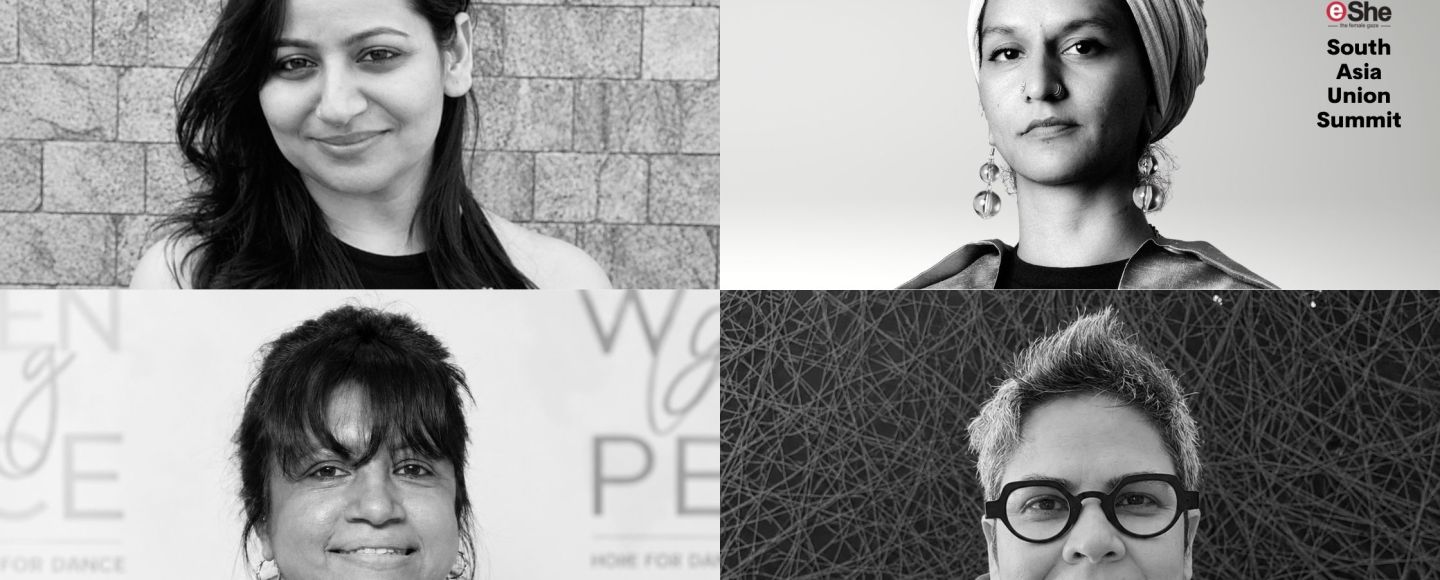
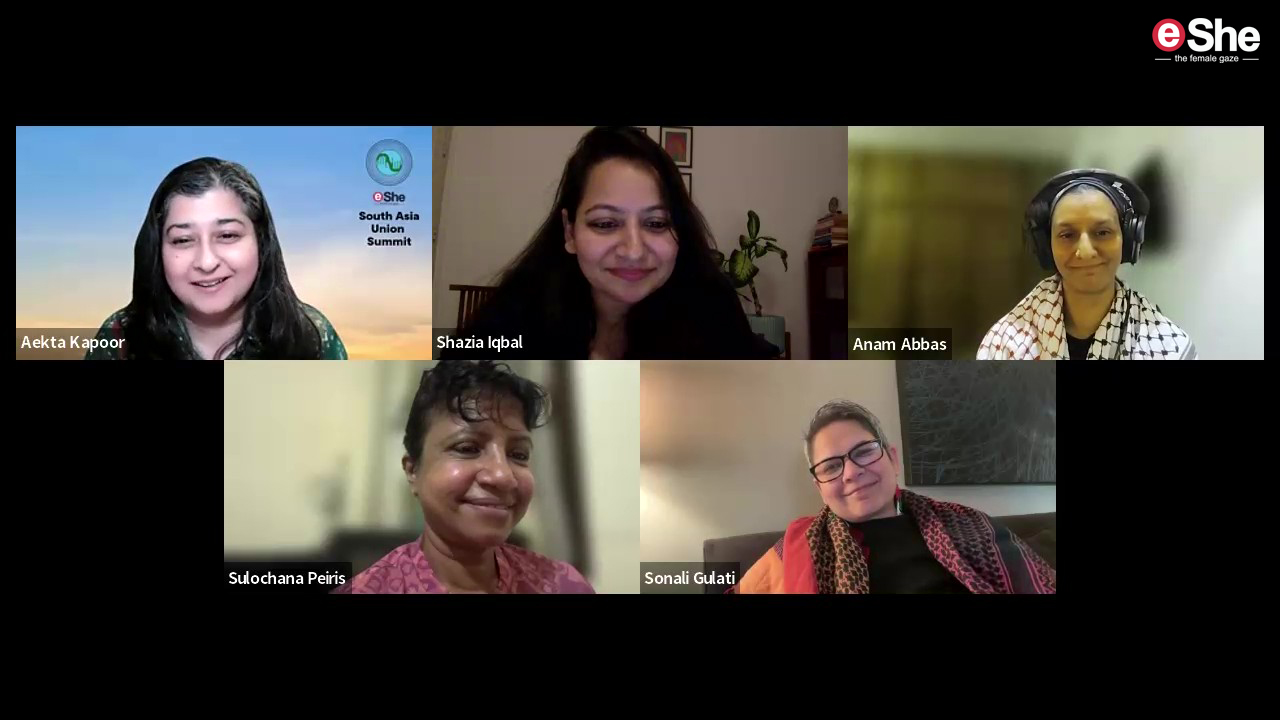
Peiris was speaking at a panel at eShe South Asia Union Summit 2026 titled ‘From Object to Author: When Women Control the Frame in Cinema’. The discussion brought together filmmakers Shazia Iqbal of India, Anam Abbas of Pakistan and Canada, and Peiris of Sri Lanka. It was moderated by Sonali Gulati, an independent filmmaker, feminist and queer rights activist, and educator who teaches film at Virginia Commonwealth University’s School of the Arts, USA.
The panel examined how women are often framed on screen as objects of desire, sacrifice or violence – and what changes when they take control of the camera and the narrative. Across their work, these filmmakers – who themselves grew up in patriarchal societies – have centered women, marginalized communities, queer people and others whose lives and perspectives are often invisible in mainstream cinema.
Their conversation explored not only representation, but also who gets to tell a story, who controls its production, and what happens when women refuse to make their stories more palatable to the industry.
For each filmmaker, the commitment to feminist storytelling emerged through a different route: witnessing conflict, confronting discrimination, or working alongside communities whose experiences are routinely misrepresented.
A feminist lens shaped by lived experience
Abbas, a Pakistani filmmaker and producer who works between Canada and Pakistan through her production company, Other Memory Media, said she has long identified as a feminist filmmaker. “I think I’m a pedaishi (born) feminist, like, it’s in my blood,” she quipped, adding that her perspective has continued to evolve.
Living through climate disasters and developing an interest in spirituality have expanded the questions she brings to her work. “Other kinds of activism kind of opened up my brain, politicized me,” she said.
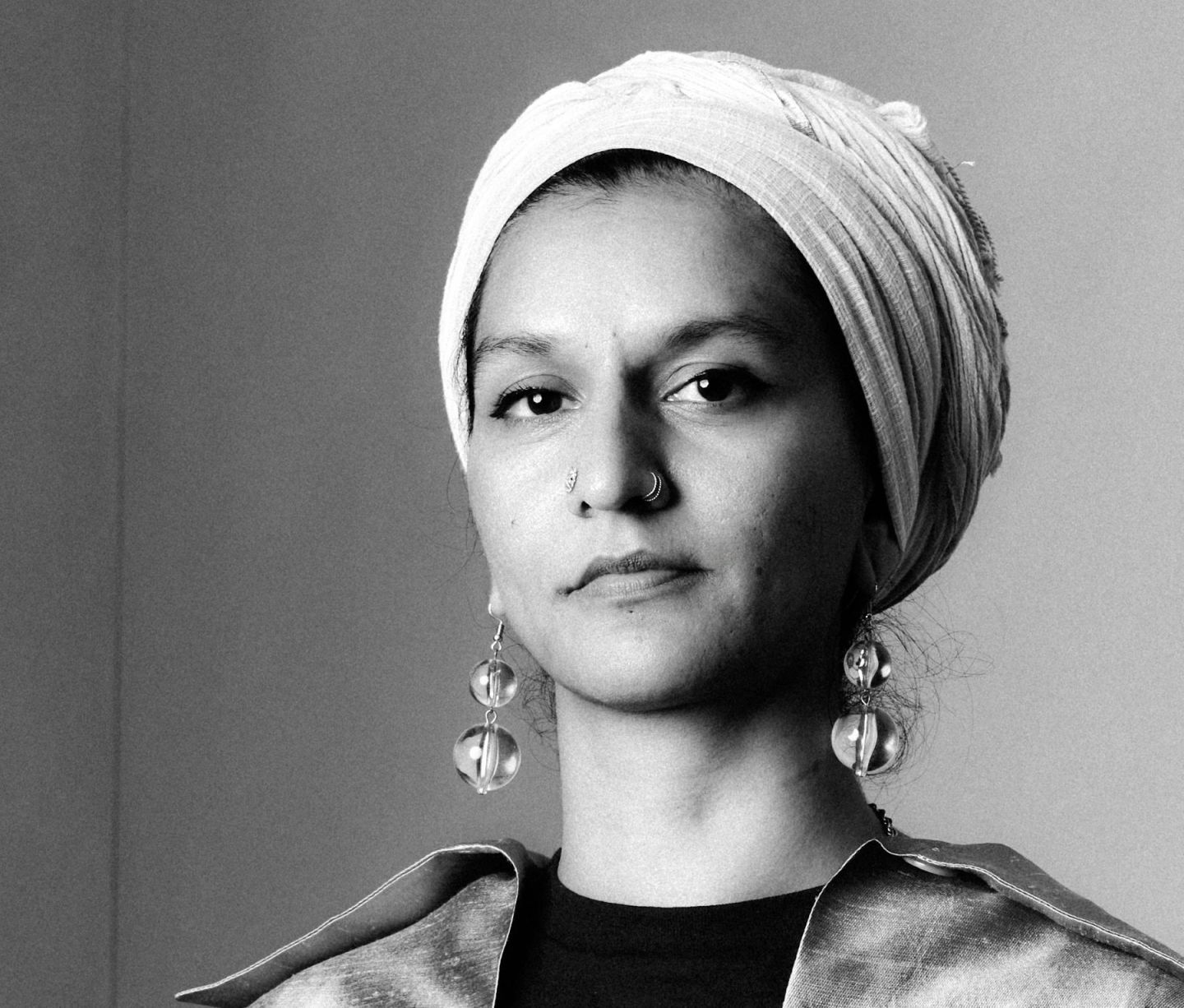
Abbas, whose first feature as producer and director of photography, Showgirls of Pakistan, premiered in competition at the International Documentary Film Festival Amsterdam (IDFA) in 2020, said her experience of making the film, which is about three transwomen, also brought her face to face with gender-based violence in ways she described as “brain-shifting”.
Abbas also met activists behind Pakistan’s Aurat March – about whom she made her 2021 documentary Dagh Dagh Ujala (This Stained Dawn) – which further deepened her engagement with intersectional feminism and labor issues, and brought social realities more firmly into her filmmaking framework.
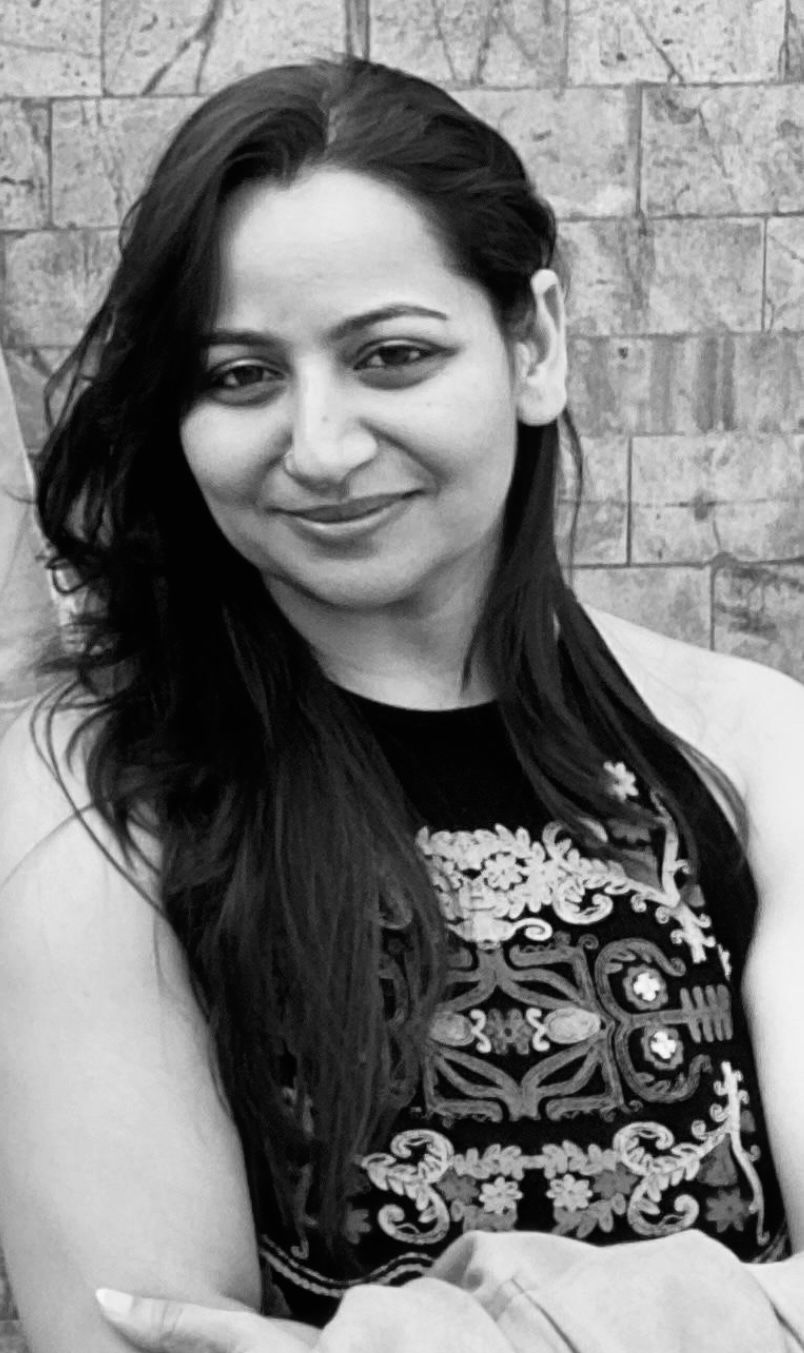
Iqbal, a Mumbai-based writer and director whose work interrogates caste, gender and power in mainstream Hindi cinema, described herself as someone drawn to questioning the systems around her. “I doubt, therefore I think, therefore I am,” she said, quoting the philosopher René Descartes, explaining how her understanding of discrimination grew as her world expanded – from family and neighborhood to college and wider society.
Encounters with people from different backgrounds helped her recognize how gender and other forms of marginalization shape everyday life.
That questioning is visible in Iqbal’s filmography. Her feature Dhadak 2 was widely recognized for bringing caste and Dalit politics into popular Hindi cinema. While researching the film, she and her co-writer spoke with around 200 students from marginalized caste communities. Iqbal emphasized the importance of understanding their experiences rather than approaching their lives from an outsider’s perspective.
Even when filmmakers tell stories beyond their own lived experience, she argued, they must make the effort to understand the pain, happiness and struggles of the people whose stories they bring to the screen.
Peiris traced her own transformation to her early work in television journalism. Her documentary practice is informed by her MA in Conflict and Peace Studies from the University of Colombo, as well as fellowships from Rotary and Salzburg Global Seminar. She was assigned as a supervising producer on two programs covering the Sri Lankan war, which took her into conflict-affected areas. There, she witnessed the impact of violence on women and families firsthand.
An Honorary Visiting Research Fellow at Coventry University’s Centre for Peace and Security, Peiris also spoke about working with journalist Lasantha Wickrematunge, a prominent Sri Lankan editor and outspoken critic of political corruption who was assassinated in 2009. His courage, and the risks faced by people working to expose abuses of power, helped politicize Peiris and shaped her determination to tell difficult stories.
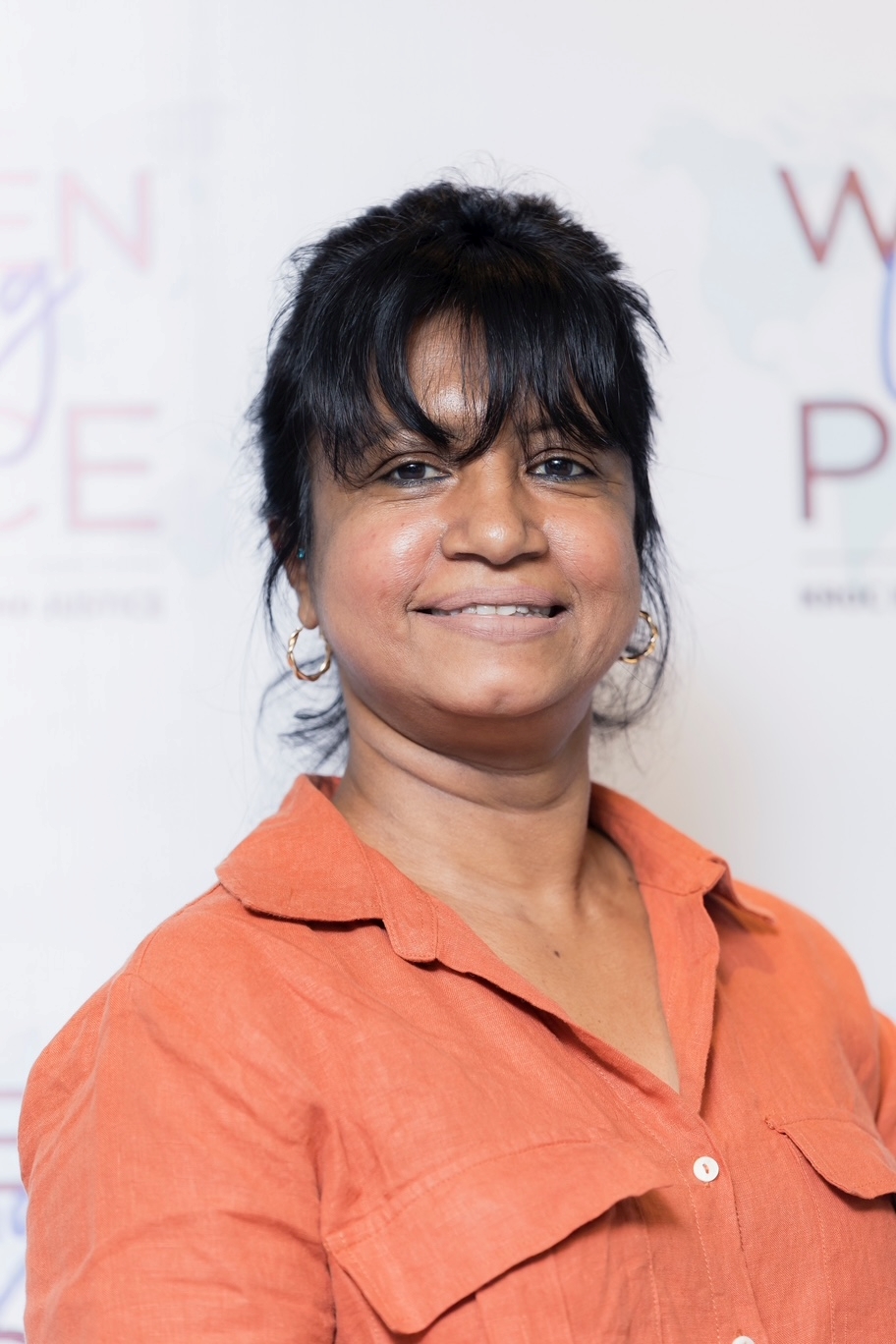
Peiris’s film GoHomeGota (2024), about Sri Lanka’s protest movement, has screened internationally, while her more recent documentary Pettah (2025) has appeared at festivals in Mexico, Europe, and India.
Research, representation and the right to tell a story
All three panelists identified as feminist filmmakers and described research as central to their work, while emphasizing that the process must respond to the story. Some projects call for academic or archival research; others grow from lived experience, community engagement and witnessing events as they unfold.
The panelists also made clear that women’s authorship does not, by itself, remove the barriers they face in the film industry. Iqbal, whose short film Bebaak won Best Debut Director at the São Paulo International Short Film Festival and who previously spent 15 years working as a production designer on projects including Sacred Games and Lust Stories, recalled pitching a film with a female protagonist in 2015. The studio questioned who would invest in a story led by a woman and suggested changing the protagonist to a man.
“So they tried to convince me to change the gender of the protagonist, and sell the script to them,” Iqbal recalled. She refused, explaining that changing the protagonist’s gender would fundamentally alter the story she wanted to tell.
The struggle continued even after her film Dhadak 2 was made. Iqbal described a six-month dispute with India’s Central Board of Film Certification, during which around 20 scenes were cut. The experience illustrated how control over a film extends beyond the director’s chair to the institutions that decide what audiences are allowed to see.
Iqbal spoke about the persistence required to bring a story to life. A filmmaker, she suggested, must wake up each day committed to the same characters and world, driven by the feeling that their story needs to be told.
On her part, Abbas – who is a founding member of the Documentary Association of Pakistan and received the 2023 Canadian Media Producers Association Emerging Producer Award – said independent filmmakers also face pressure over content. She noted that nongovernmental organizations sometimes resist films that address women’s rights, labor conditions or politics.
Her advice to emerging filmmakers was to pay close attention to contracts so they can retain control over their work. Advocating for “horizontal filmmaking”, Abbas urged young creatives to be guided by values rather than opportunities. Opportunities, she said, come and go, while values provide a more lasting foundation.
The panelists also raised concerns about artificial intelligence and the changing economics of filmmaking. They highlighted the underpayment of young writers and the lack of adequate protection for their creative work – questions that make authorship and control over intellectual property increasingly urgent.
Who gets to control the frame?
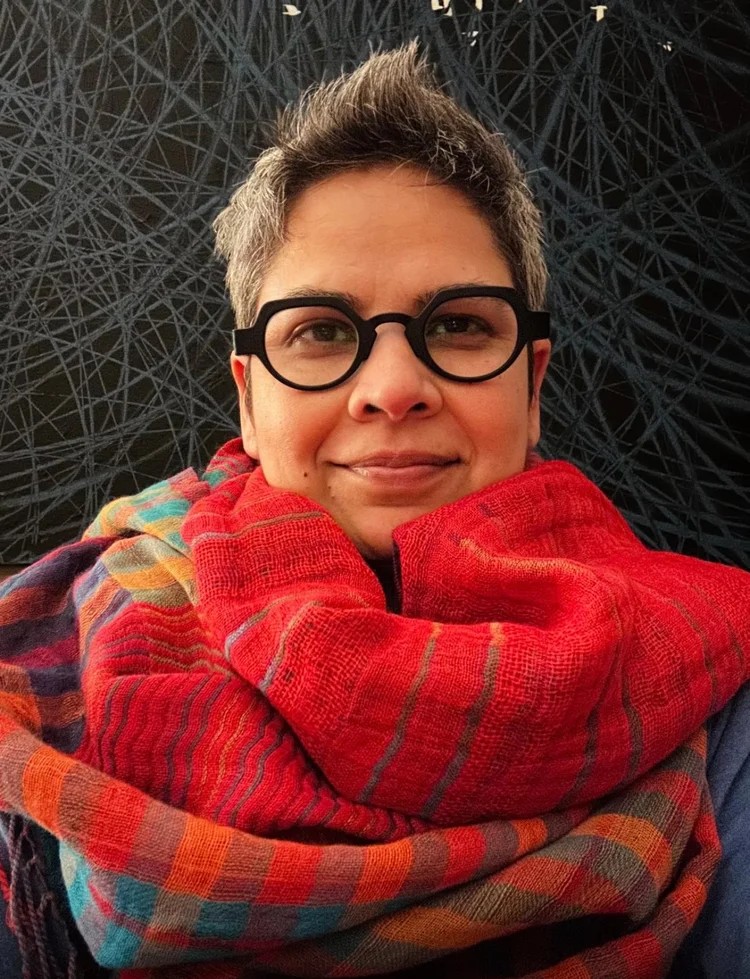
Reflecting on the conversation, moderator Sonali Gulati noted that the virtual format had brought people together across borders, including participants from Afghanistan, Pakistan, Nepal, Sri Lanka, and India. For her, the discussion underscored both the possibilities and the challenges of women controlling the frame. Women filmmakers may be encouraged to soften stories centered on women, she observed, while films that revolve entirely around men rarely face the same demand to justify their focus.
Gulati’s own practice brings together filmmaking, feminist and queer rights activism, and teaching. Raised in New Delhi, she holds an MFA in Film and Media Arts from Temple University. Her films have screened at more than 500 festivals worldwide, and her documentary I Am aired on public television in the United States. A Guggenheim Fellow, she has built a body of work grounded in decolonization and abolition.
The panel’s central question was not simply whether women are visible on screen, but whether they have the power to shape the stories, images, and meanings that reach audiences. When women are asked to tone down stories that center them, while male-centered narratives are treated as universal, the imbalance is not merely about representation. It is about whose experiences are considered worthy of attention – and who gets to decide.
For emerging filmmakers, the discussion offered both encouragement and a reminder of the work ahead: listen closely, research responsibly, protect creative control, and hold on to the values that bring a story into being. Women taking the camera is only the beginning. The larger task is to change the structures that determine who gets to make cinema, whose stories are funded and shown, and whose point of view is allowed to define the world.
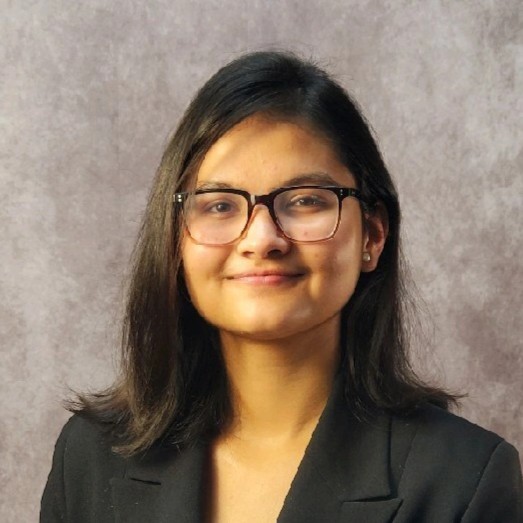
Sadhika Thapa is a film student, storyteller, aspiring filmmaker and actor from Nepal.
Read more about eShe South Asia Union Summit 2026 here.
Discover more from eShe
Subscribe to get the latest posts sent to your email.
0 comments on “Women behind the lens: rewriting patriarchal narratives in South Asian cinema”