

By Venessa Gomes
I’m actively ignoring the “hey” text on my phone I received last night from the same man who left me shattered a year ago and the year before that. It’s making me think: Am I really that accessible? According to him, we were never “officially dating”, so when I pleaded with him not to leave me one year ago, he said I shouldn’t make it sound like we were in a relationship. Funny how the daily updates, relationship-like conversations, emotional vulnerability and attachment were ultimately labelled as just “friendship”.
He hadn’t insisted on loyalty as a rule. But the intimacy combined with emotional confusion and an undefined dynamic made me believe it was, perhaps, something serious. So the real question is: what kind of access does he want from me now?
I believe that in the current dating scenario, access is demanded in different ways. Sometimes it is expected through familiarity and emotional closeness. Other times, it is expected through money. Both come with a sense of entitlement and the assumption that women owe access to men.
The recent viral clip from Indian comedian Pranit More’s stand-up show reveals such mindsets openly.
Himanshu Jangra, an audience member in the comedy show, allegedly implied that he expected physical intimacy in return for spending ₹370 on chicken biryani on a date. What baffles me is the sheer audacity to voice this thought publicly, thinking it is something so normal and humorous.
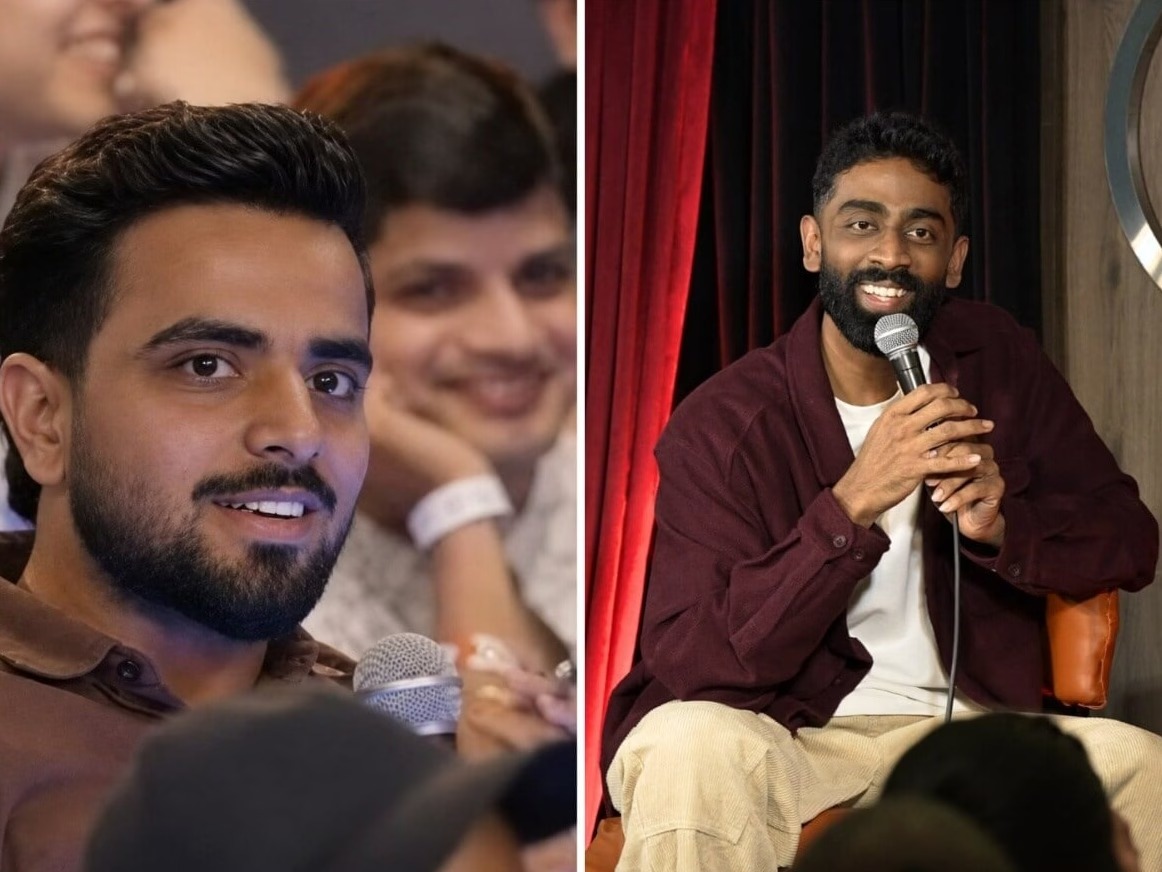
Another disturbing aspect about this inappropriate comment was the fact that it was openly laughed at and not challenged by anyone in the audience, not even by the show host himself.
It makes me wonder, is misogyny acceptable when it is packaged as a joke? Where is our conscience? Do some men really think that they can “buy” a woman’s consent?
Similar conversations in the dating culture are emerging in the US, too, where some men appear to pay for dates as a condition for getting physical access to women.
One thing is clear: whether it is ₹370 biryani in India or a $130 dinner in the US, the underlying patterns and mindsets remain disturbingly similar: a false “claim” over a woman’s body in return for spending on food, transport, dates or gifts.
These instances uncover a deeper struggle most women face; if they let men pay, they are accused of “using men”. If they insist on splitting the bill, they may be labeled as “too modern” or “egoistic”, or (horror) a “feminist”.
However, in this day and age, women are becoming more and more financially independent, and therefore, there is no point arguing that women “need” men to pay for them. Moreover, the issue is not who pays the bill, but for what intention or hidden expectation is it paid for?
A man may think, “I have invested so much in her, she must at least…”, and that “at least” is where the entitlement lies. Payment is not a contract for consent.
Entitlement doesn’t always come violently; sometimes it appears as, “I paid”, “I was nice to you”, “We talked every day”, or “You led me on”. All these remarks pave the way for effort or payment being treated as proof of ownership.
Additionally, when such thoughts are openly laughed at instead of being condemned, they become even more normalized in society.


In most South Asian households, women are taught to be docile, subservient, understanding, accommodating and careful with the male ego. The same is also encouraged through pop culture, television and movies, where women are depicted as being submissive, always available, always agreeable and always polite.
This shows up on dates when women feel they have to keep smiling or continue the conversation just because he made an effort. Consequently, consent becomes very complicated because societal expectations pressure women to placate men’s emotions over their own comfort. As a result, some men do not want to take no for an answer.
Now that women are finally speaking up for themselves and learning how to set boundaries, men are finding it “egoistic”. It is a simple fact: a woman may agree for a date, but that does not automatically mean that she has given consent to participate in physical intimacy – and it works the other way around for men too. Regardless of who pays, no one’s body comes with a price tag.
As for the “hey” sitting in my inbox, unanswered, it is not just a message or a regular check-in. It is the assumption that I am still available to someone who once wanted my effort, emotional availability and “girlfriend-like” treatment without the label and commitment.
Maybe the question was never about me being too accessible; it was about how some men plainly assume that women will always be available for them because we are “indebted” to them one way or the other.
Maybe I was conditioned to be forgiving, understanding and emotionally available even when it hurt me. Nonetheless, my silence now is not ego, confusion, hatred or bitterness. It is a boundary.
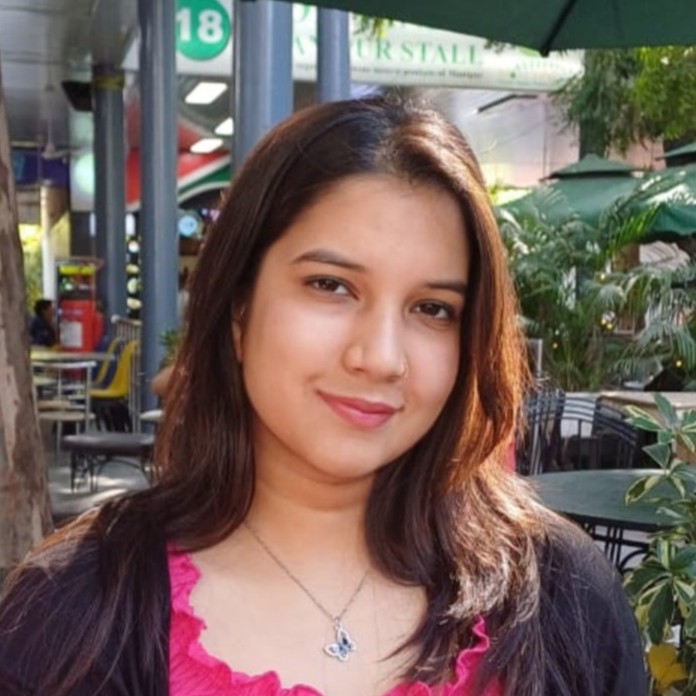
Venessa Gomes is a content writer and English Honours graduate from Jesus and Mary’s College, Delhi University. Her work and interests revolve around storytelling, women’s experiences, relationships, personal growth and the emotional complexities of modern life.
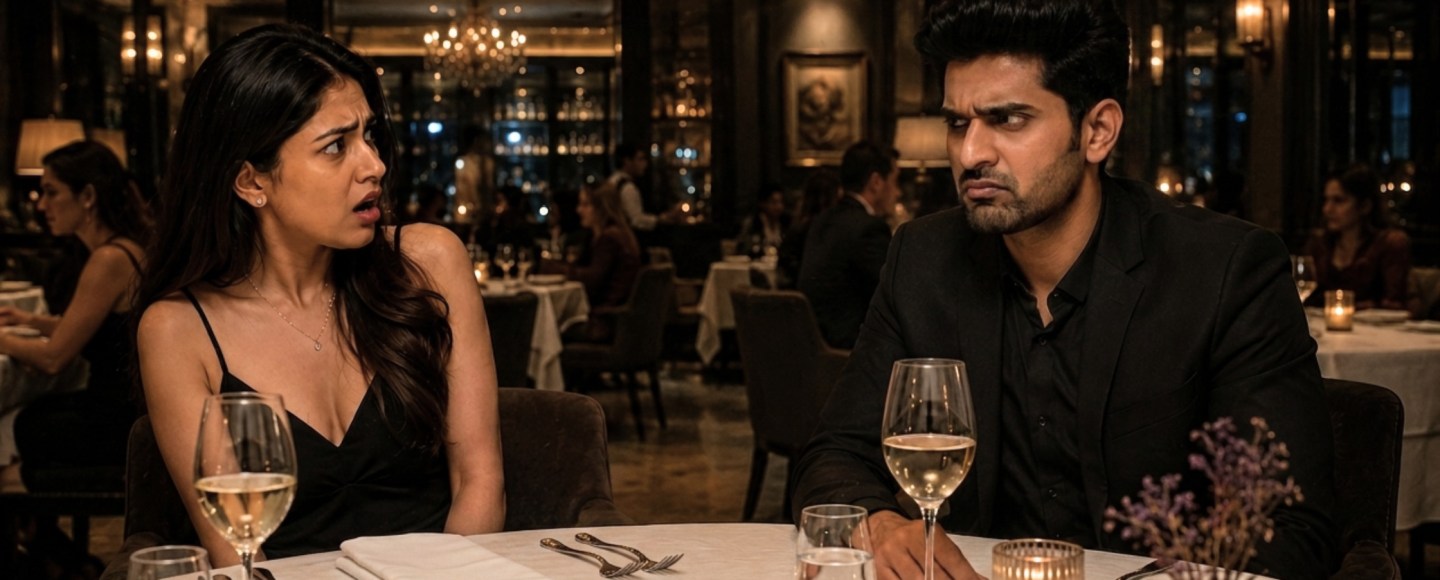
Lead image: For representational purposes only
Discover more from eShe
Subscribe to get the latest posts sent to your email.
0 comments on “370-rupee biryani in India, 130-dollar dinner in USA: a tale of transactional dating in 2026”