
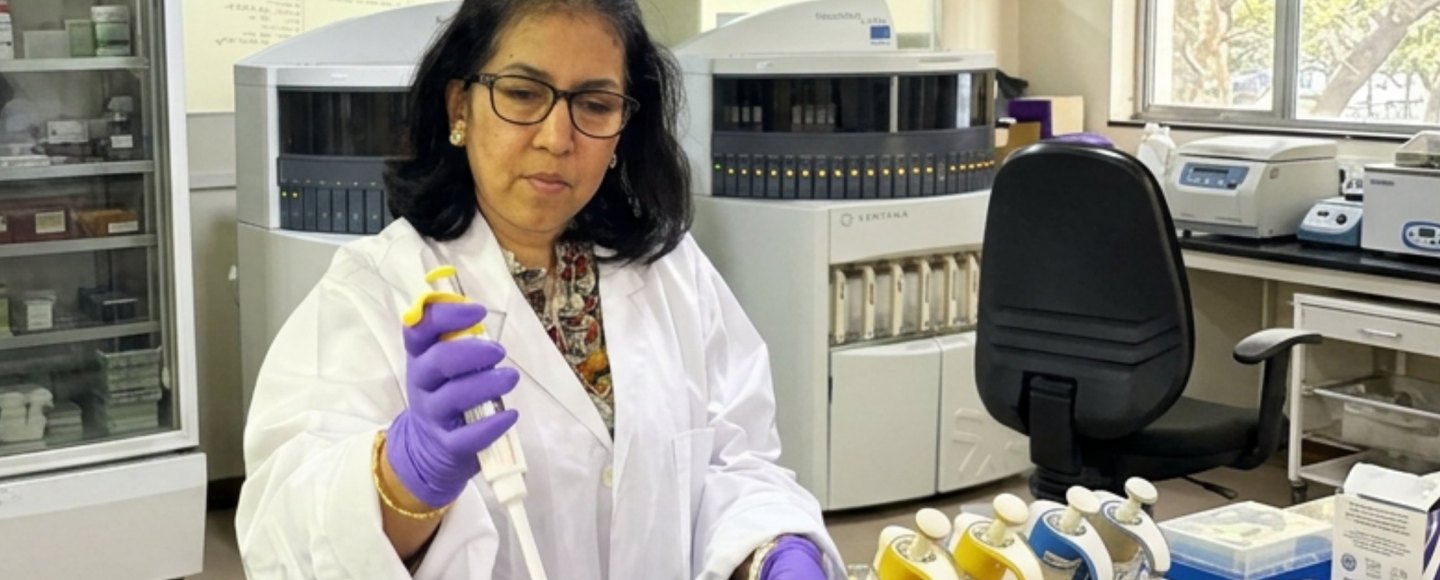

Oncologists in India have long used testing technology developed in the West to chart out treatment plans for women with breast cancer. But due to several social, biological and technological factors, the outcome has been that about 90 percent of patients in India end up undergoing chemotherapy after cancer surgery, when it is useful for only about 30 percent of them.
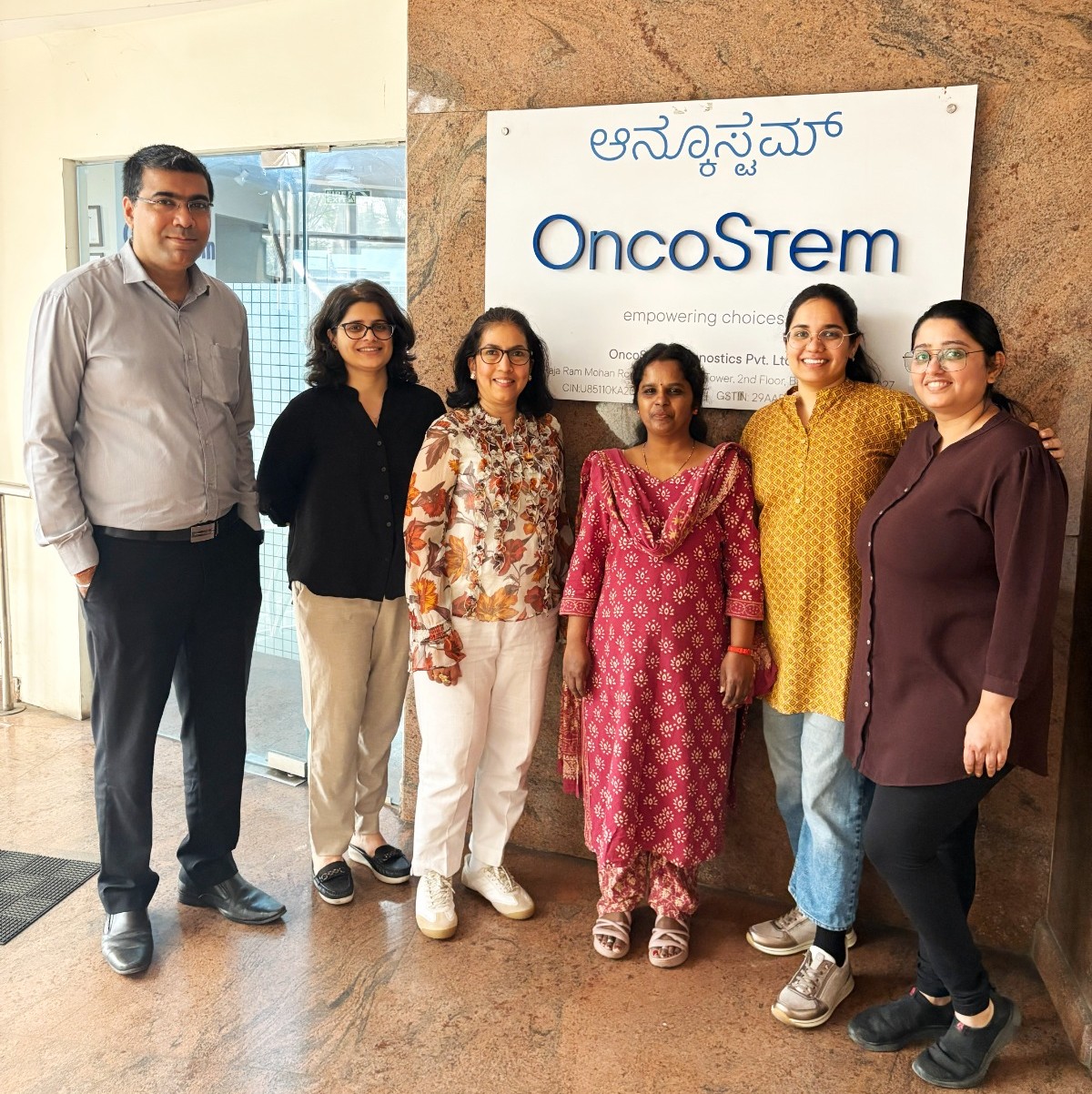
This is where Dr Manjiri Bakre’s Bengaluru-based healthtech firm OncoStem Diagnostics comes in. Their indigenously developed CanAssist Breast (CAB) test helps doctors decide whether a woman actually needs chemotherapy after surgery. Using an AI-driven algorithm built and validated on Indian patient tumor samples, capturing India-specific tumor behavior, it reflects real-world Indian diagnosis patterns, and identifies patients with a low risk or high risk of distant recurrence.
Interestingly, this test has been proven to work across populations globally, giving it an edge over Western tests. In clinical use since 2016, CAB is currently prescribed by over 800 doctors in India, Turkey, UAE, Sri Lanka, Bangladesh and Iran, and has served over 10,000 patients with a 98 percent real-world accuracy rate.
We caught up with Dr Bakre about CAB and its implications for women’s health, and her own journey. Edited excerpts:
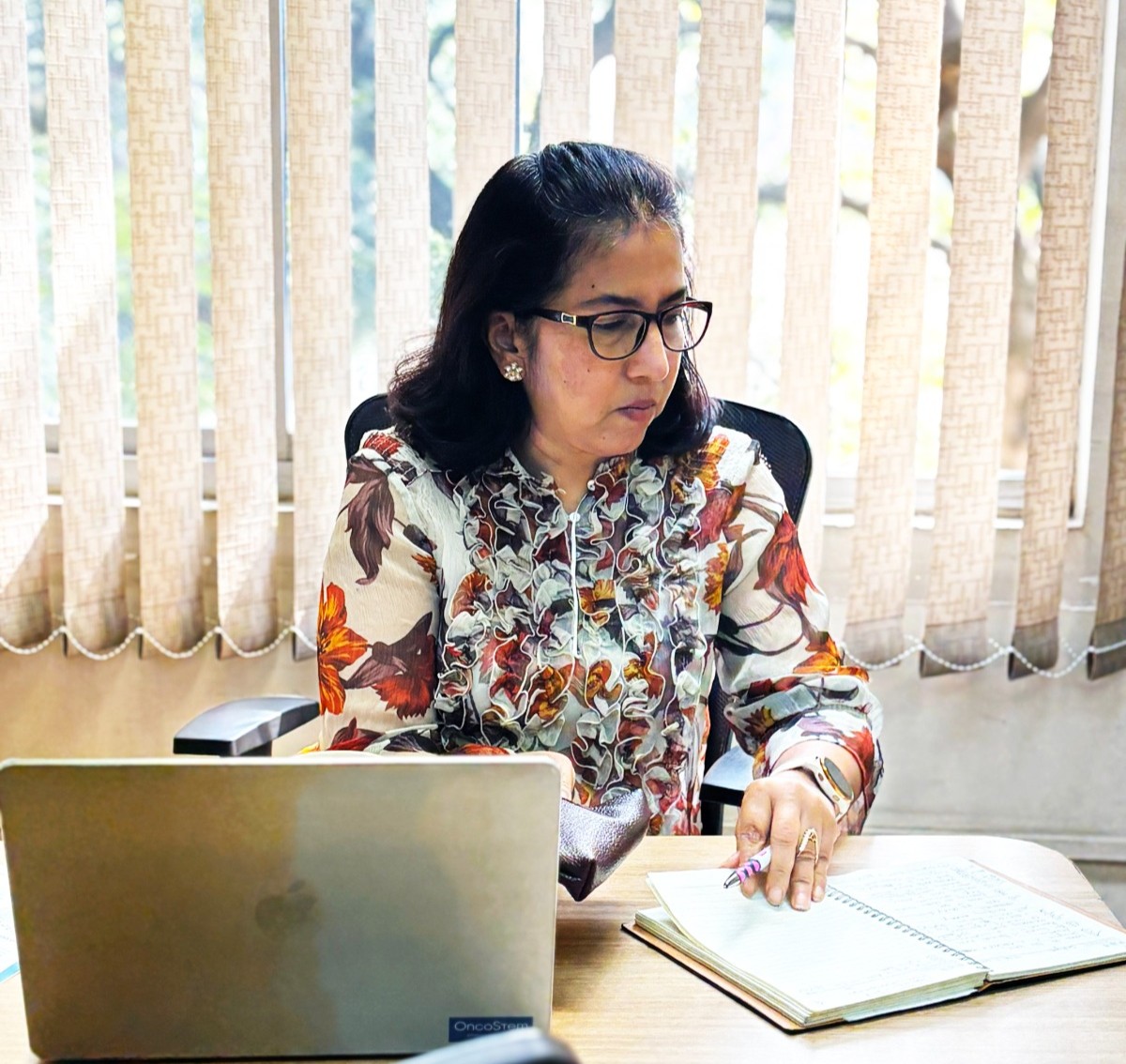
eShe: You trained as a research scientist but also chose the path of entrepreneurship by founding a biotech company. What made you take that leap from the lab bench to building a startup?
Manjiri Bakre: The seed was planted during my PhD, when I lost a close friend to breast cancer. She had early-stage disease, underwent treatment, but the cancer returned. That stayed with me, and the question of whether we could predict if the cancer would come back is something that I was always looking for an answer to.
During my years as a research scientist, I was essentially laying the scientific foundation for the work I wanted to pursue. However, it was my interactions with clinicians in India that really brought the problem into sharp focus. Many of them shared that, in the absence of a reliable and affordable way to assess recurrence risk, they often had to lean towards chemotherapy as a precautionary approach, potentially leading to overtreatment in some cases.
I felt the problem needs to be addressed. I had the experience and the opportunity to build something meaningful. And I decided to take that leap.
A lot of global cancer research has historically been based on Western populations. When you began studying Indian patient data, what surprised you most?
Most Indian patients are premenopausal or perimenopausal, with an average age of around 48, whereas in the West it is more common among postmenopausal women above 55. Additionally, most Asian patients are diagnosed with 2 cm tumors with 1 lymph node with metastasis while Western patients are diagnosed with <1 cm tumors with no lymph nodes involved. Combined together, these can make a significant impact in the way disease behaves.
In many Western settings, cancers are picked up through routine screening, whereas here, a significant number of women come in only after they notice a lump. That changes the entire starting point of treatment.
Breast cancer is still something many families in India hesitate to talk about openly. In your experience, how much do silence, stigma and social expectations shape the way women approach diagnosis and treatment?
Family and the immediate support system around a patient play a big role in shaping a patient’s breast cancer journey. In India especially, many women still come in for a check-up only when they feel a lump, rather than through routine screening. A big part of that delay comes from the stigma attached to breast cancer, coupled with the tendency to put their own health on the back burner and being in denial mode.
There’s also the weight of what the diagnosis means beyond just the medical aspect. Concerns around chemotherapy, questions about fertility in case of aggressive treatment, and anxiety around body image if a mastectomy is required all of this plays heavily on a patient’s mind. So the journey is rarely just clinical; it’s layered with emotional and social realities.
That said, there has been a noticeable shift over the last decade. Awareness is improving, and we are seeing more women being diagnosed at earlier stages compared to 15 years ago. But there’s still a long way to go before these conversations are normalized.
For patients, chemotherapy is not just a medical decision but also a deeply personal and social one – especially due to the side effects involved. How has your test changed outcomes for patients and their families?
The moment patients hear the word chemotherapy, it brings a wave of worry and anxiety. Most have seen someone around them go through it or have heard about the fatigue, hair loss and other side effects, which makes it feel overwhelming. So when an oncologist tells a patient that they may be able to avoid chemotherapy, the first response is often pure relief, both emotional and physical.
What our test does is bring a sense of clarity. By looking at the biology of the tumor, we can identify patients who are at a low risk of recurrence and can safely skip chemotherapy. Nearly 70 percent of early-stage patients fall into this category.
These decisions go far beyond clinical outcomes. For families, avoiding unnecessary chemotherapy means preserving quality of life, reducing financial strain, and lifting a significant emotional burden.
How important is it for countries like India to develop their own biomedical research ecosystems rather than relying entirely on imported knowledge?
Building indigenous products using our own population-specific data is actually critical if we want solutions that are both accessible and affordable for our people. Today, a lot of global prognostic tests are simply too expensive in the Indian context, which is why they don’t really get used in routine clinical practice. In fact, this is something we kept hearing from oncologists as well when we tried to understand the gap more closely.
At the same time, over the past decade, it’s become clear that the quality of biomedical research coming out of India is strong enough to build solutions that can stand shoulder-to-shoulder globally.

India is increasingly using AI in healthcare, including in tools like the risk-scoring model used in your test. Will this make healthcare more equitable, or could it widen gaps if access to such technologies remains uneven?
AI has the potential to make healthcare in India more equitable by scaling expertise, reducing variability in care, and bringing decision support closer to the point of care – even in resource-constrained settings.
However, this promise will only be realized if these tools are built on representative local data, validated across diverse populations, and deployed in an affordable, accessible manner. Without this, AI risks becoming another layer of inequality.
The real opportunity lies in designing AI not just for innovation, but for inclusion – ensuring it reaches and benefits the patients who need it most.
What are some of the subtle barriers – or unexpected advantages – you experienced as a woman building a science-driven company? Did you ever feel you had to work harder to be taken seriously as a woman scientist and founder?
Yes, initially it was a bit tough for people to take women entrepreneurs seriously but my educational background coupled with focus and passion has certainly rewarded me.
Another thing that favors women, in my opinion, is that while some might doubt you in the beginning, once they see your dedication, they do not doubt anymore and go out of the way to help. So in my opinion, women should focus on the latter and keep doing things with dedication and focus.
Science is often seen as purely objective, but the path to discovery is deeply human – full of doubt, persistence and intuition. What has been the most emotionally challenging moment in your journey as a scientist?
When I speak with patients, who have used CAB (our prognostic test) and have avoided chemotherapy, and hear their testimonials – that is an extremely emotional and heartwarming moment for me. It makes all the efforts of 15 years worth it to see that you have made a difference in a fellow woman’s life!
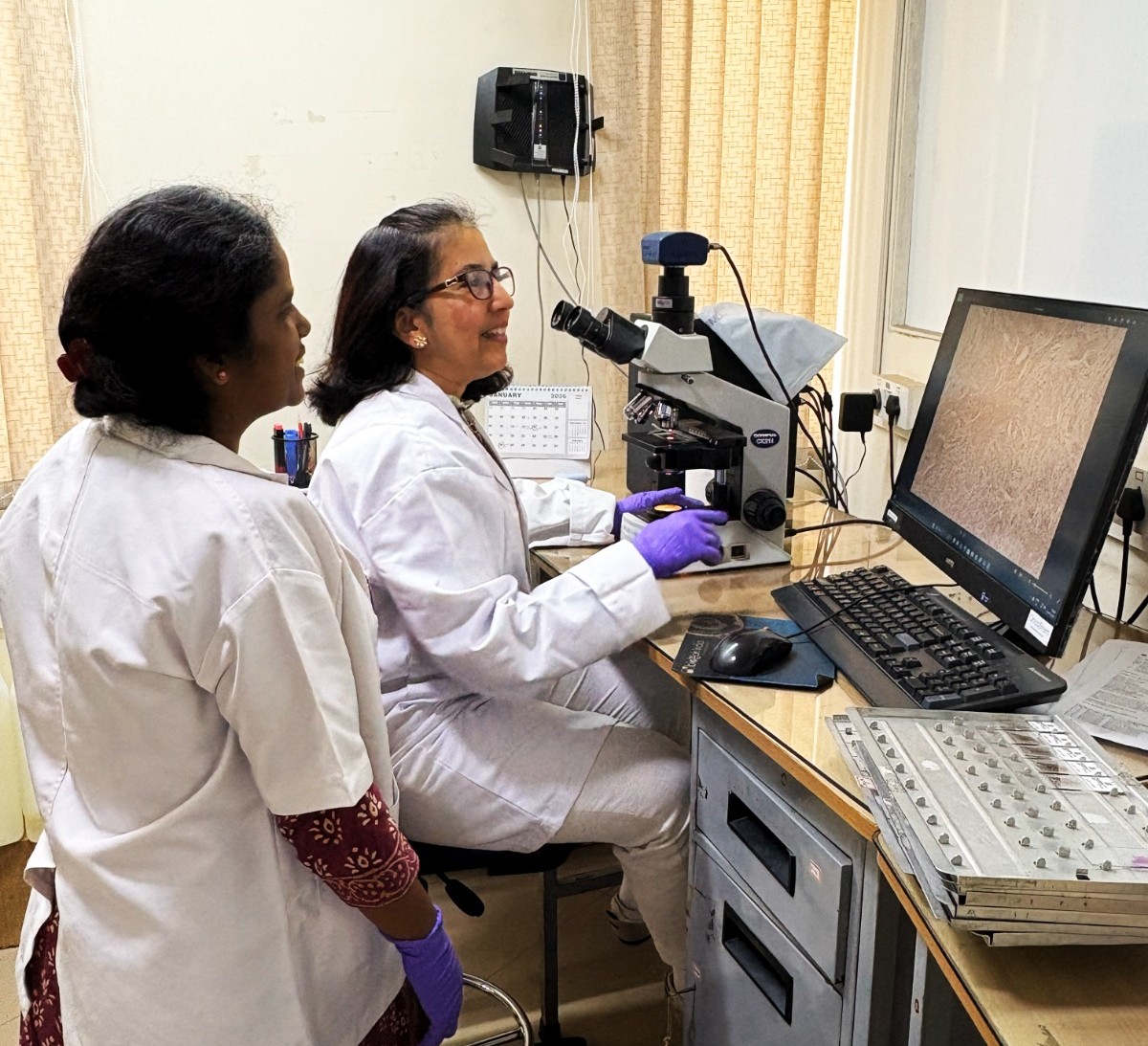
How do you protect your own sense of balance and wellbeing in a field where the stakes are literally life and death?
It’s a field where the outcomes directly impact patients, so there’s always a strong sense of responsibility that comes with the work. For me, that awareness is important – it keeps me grounded and closely aligned with the core principles of what we’re trying to do.
At the same time, I’ve come to recognize that building a life sciences company is a long journey. Impact doesn’t happen overnight. Having that perspective – and knowing that you’re contributing to something larger than yourself – helps bring a sense of balance and keeps you going over the long term.
If we fast-forward 20 years, what kind of change would you most like to see in how India approaches women’s health, cancer awareness and biomedical innovation?
From a clinical standpoint, I hope we move fully towards personalized care where treatment decisions are based on tumor biology rather than a one-size-fits-all approach. For early-stage patients, prognostic testing should be planned early, with proper counselling before surgery. The tumor sample can then be sent for testing immediately after surgery, so that by the time the patient returns for follow-up in two to three weeks, the results are ready and treatment decisions can be made without delay.
This kind of integration into hospital workflows removes unnecessary waiting time and uncertainty. Today, testing often happens after a patient has recovered from surgery, which adds delays depending on logistics and location. In the future, these steps should be seamless and part of routine care.
In terms of biomedical innovation, I hope to see more trust and acceptance in ‘Made in India’ products. We have demonstrated that solutions developed on Indian patient data, backed by strong science, validation and global standards, can be just as effective and relevant – not only for India, but internationally as well. Building that confidence among clinicians, patients and policymakers is key to driving adoption at scale. I hope to see more acceptance for our products by our people.
Discover more from eShe
Subscribe to get the latest posts sent to your email.
0 comments on “This scientist’s indigenous test helps South Asian breast-cancer patients avoid chemotherapy after surgery”