

For the past few days, I’ve been complaining to Habibi (my ‘husband dearest’) that my body feels different: “Something is changing. I feel like I am metamorphosing. And it’s not in my control.”
Now, Habibi is what I call a menopause-denier: he has been brushing off my insomnia, mood swings, night sweats and irregular periods as chance occurrences. So, it’s even harder for me to explain to him that I feel something changing under my cells, inside my nerves, within the bones and sinew – with no outward proof to show for it.
“I can’t describe it,” I said. “I am just feeling different. It’s a weird change in energy.”
“I don’t get it,” he said.
“I guess men are just lucky,” I sulked.
But then I come across a brilliant book that explains everything.
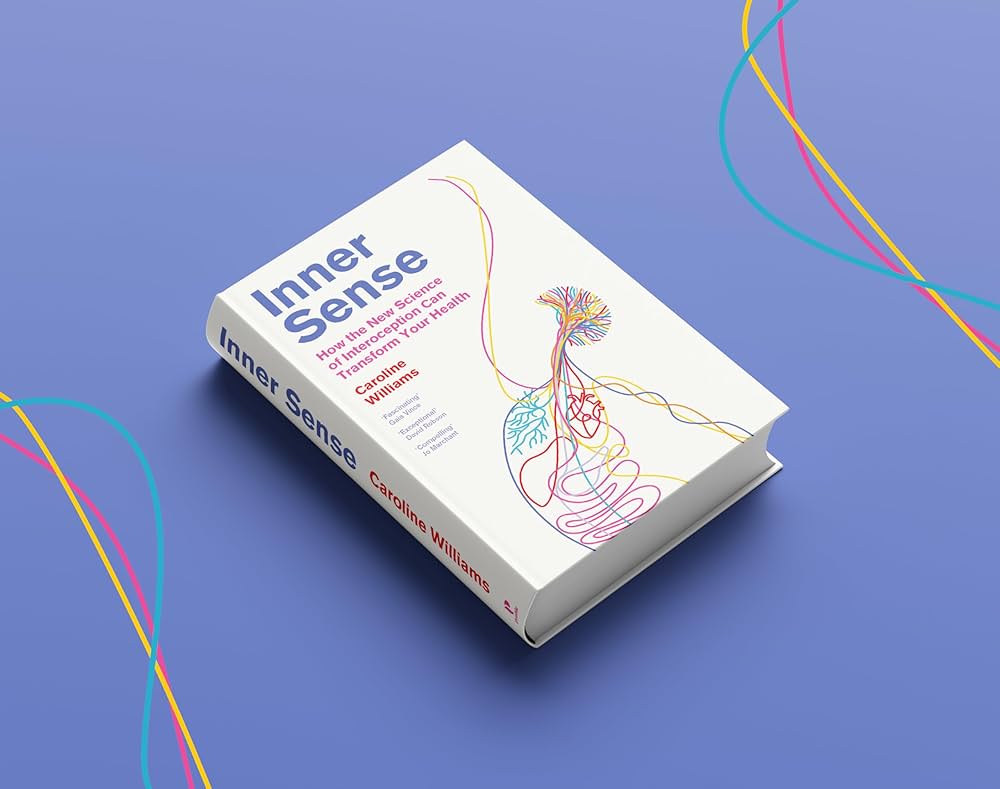
In Inner Sense: How the New Science of Interoception Can Transform Your Health (Hachette, ₹799), science writer Caroline Williams explores “interoception”, one of our most mysterious senses, which she describes as “the sense of our own bodies from within… a catch-all term for the way the brain makes sense of signals and sensations that originate from inside our bodies.”
Scientists have learnt that these signals and sensations from organs and tissues are “the foundation of the mind itself, providing a constant stream of biological mood music that colours our every thought and feeling”, while also providing the impetus for our actions and desires, she notes.
In other words, your body and brain are in constant communication – your body tells your brain what to feel, your brain tells your body what to do – which not only decides your health, behaviour and emotions, it also influences the quality of your relationships and way of connecting with the world.
One of the most important concepts to emerge in science and medicine, Williams says understanding interoception can improve our wellbeing, lower stress, balance our energy and help us find treatments for common, hard-to-treat conditions.
She also explains the difference in artificial and human intelligence: a brain without a body cannot embody “consciousness” since “human consciousness was built from the body up, not from the brain down.” It is, in fact, the body’s signals that create human ‘intelligence’ to begin with.
I am reminded of a scene in science-fiction writer SB Divya’s novel Meru (2023) in which a sentient nonhuman being Vaha takes on a human form, only to be flummoxed by the rush of feelings arising from its new body and realising why most human actions are driven by biology.
Williams also points out that this ‘inner sense’ is not only real and based on measurable bodily sensations and their conversations with the brain, it turns out that some people are more sensitive to interoception than others. This affects “how we manage our emotions, connect to others and make decisions” – such as me arguing with Habibi one moment and hugging him the next.
The good news is: this inner sense can be “tweaked and trained”.
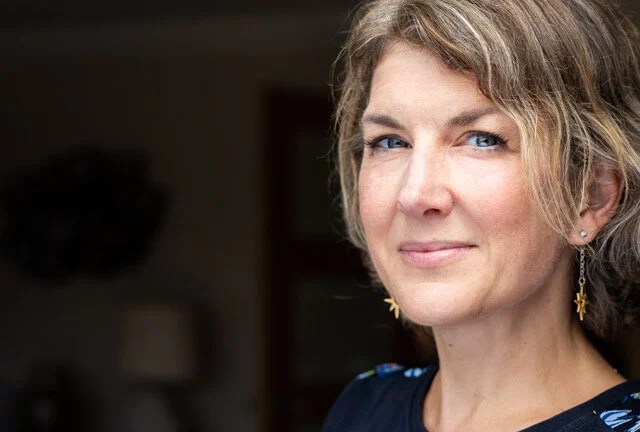
The author looks at the history of the mind-body connection in medical history, connecting the dots between energy levels, food, lifestyle and modern conveniences. I am especially intrigued by a chapter on the workings of mitochondria in our bodies, and how they breathe ‘life’ into living beings and manage our energy.
This chapter explains that just as being underfed or overworked makes us tired, the opposite is also true: too much food and too little exercise also drain energy, since they direct our body away from regular human functions to instead creating stress responses and chronic inflammation in cells.
“Perhaps we are worn out not because we don’t have spare energy, but because we have too much left over. And the reason we feel this as a lack of energy is because in the conditions our bodies evolved to survive, stress and inflammation were an expense that could only be afforded by hunkering down and making savings elsewhere,” she explains.
The solution: increase activity levels, replace ultra processed foods with fresh produce, and get “deep rest”.
Williams dwells on how meditation and chanting cut off the body’s stress response using the spinal cord networks and vagus nerve. I can relate to this: I often have an indescribable sensation of a ‘switch’ going off inside my brain and a wave spreading down my body during pranayam or other meditations.

She talks about stretching the fascia to stimulate cells within the tissue to release anti-inflammatory molecules. I relate to this too: my friend Arvinder who does yin yoga with me from time to time often says the same thing during her instructions. I know from experience the restorative mental and physical ‘reset’ that arises after an hour of deep, long yin stretching.
It is also illuminating to read about changes in mental health during “sensitive periods” such as puberty and adolescence, pregnancy and menopause – all of which are times when the body and brain “rewire” themselves. Any lessons our bodies learn or relearn in these phases are more likely to stick. The book explains that middle age, in particular, is the time to get all the muscles moving – “use it or lose it”, as the author puts it.
Reading the book changed my perspective of my body’s mysteries “I have changed over time; I can sense more things inside myself now,” I told Habibi.
“These things don’t happen to me,” he said.
“Maybe I’m more interoceptive than you,” I shot back, armed with my new knowledge. “And I’m going through menopause, which is a wonderful opportunity to rewire my body and brain. I am being born anew. I love my body.”
“Don’t men have some kind of menopause?” he mused.
“I guess women are just lucky,” I grinned happily.
Discover more from eShe
Subscribe to get the latest posts sent to your email.
 eShe
eShe 
0 comments on “This new book on interoception helped me make sense of my body’s mysteries”