
By Dipisha KC
“If I am going to call myself an activist, I’m going to call myself an activist of the truth,” says Zahra Nader. She runs Zan Times, an award-winning Afghan women-led newsroom reporting on a country where the Taliban have banned women’s faces from television and their voices from radio. Her reporters work from their homes, the only space left to them.
Her words set the tone for a conversation about what happens to truth when states, armed groups and corporate owners decide which stories get told. Across South Asia, the heaviest price falls on independent journalists, especially women, who often live the stories they report and carry them long after publication.
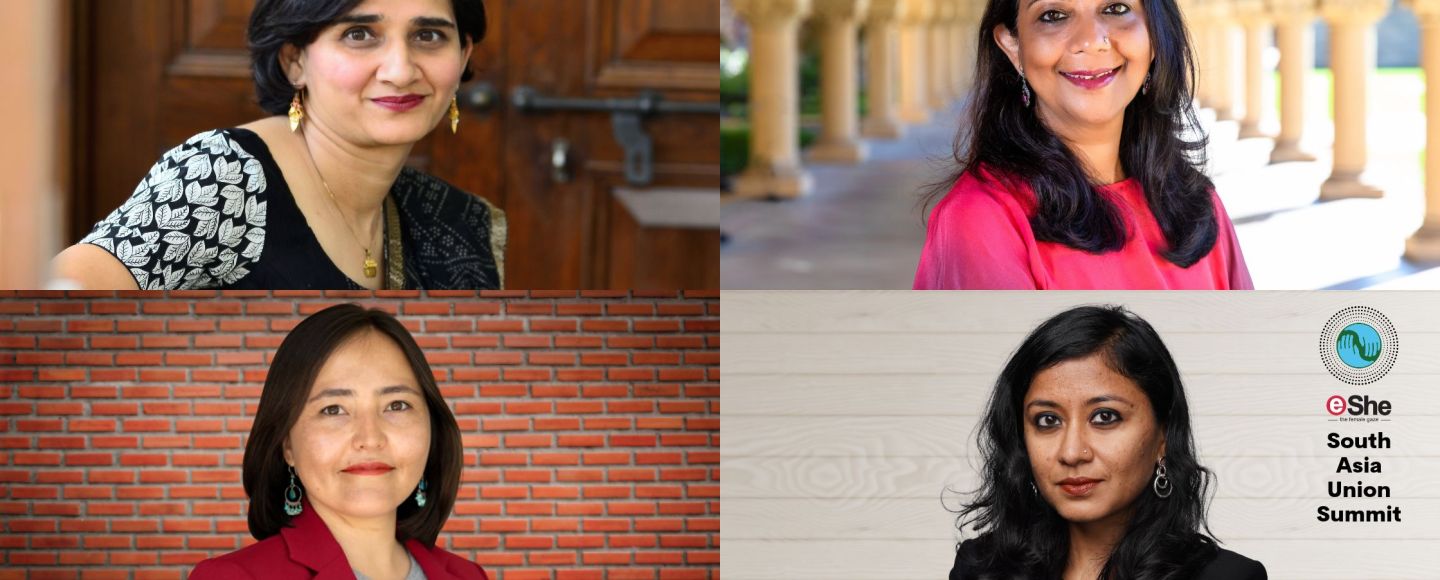
Nader was speaking on ‘Truth Under Fire: Media Censorship and Propaganda Press’, a panel at eShe South Asia Union Summit 2026. She was joined by Anuradha Bhasin, managing editor of Kashmir Times, and Niha Masih, an award-winning international correspondent who covered India for The Washington Post.
Author, filmmaker and media educator Natasha Badhwar moderated the discussion, while I was the host. The central question: how did propaganda come to overpower reported news, and how can the truth reach people in the face of state censorship of media and harassment of journalists?
From guns in the newsroom to summons at the police station
Anuradha Bhasin joined Kashmir Times as a trainee in 1990, the year the insurgency began in the state. Security forces and militants both walked into newsrooms with threats. In Jammu, the Hindu right-wing attacked hawkers and burned copies of the paper. “There is a whole method in this madness,” she said. “Various interests… collude, they line up against you.”
Bhasin’s work examines the intersection of militarization, development and climate change, as well as questions of community and identity politics in the Kashmir region. She is the author of A Dismantled State: The Untold Story of Kashmir after Article 370 (HarperCollins Indiam 2022), and has contributed to several anthologies and monographs as well as to Indian and international publications.
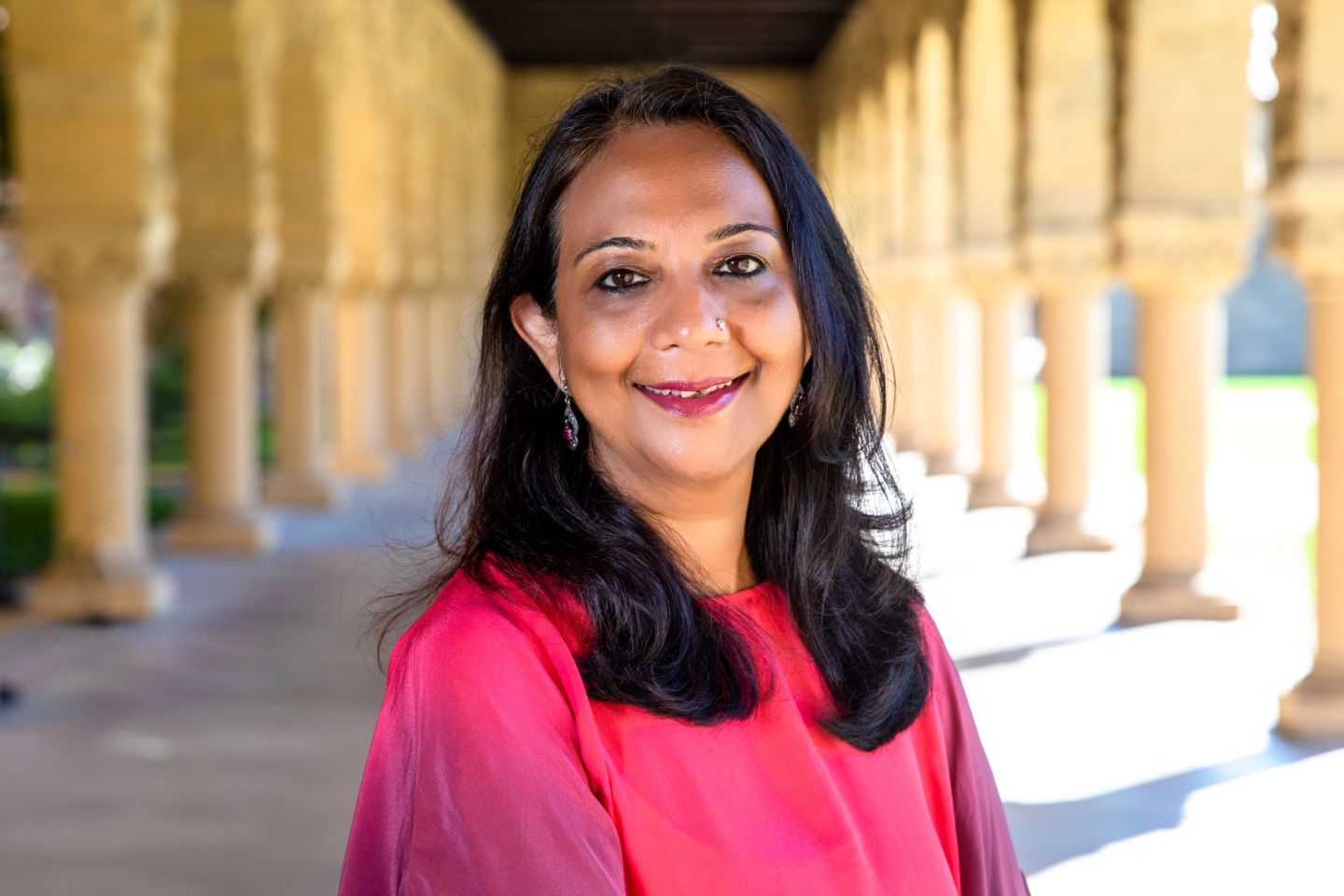
Through her reporting and writing, she has become one of the most consistent voices documenting life, rights and governance in Kashmir. She challenged the internet shutdown of Kashmir in 2019 following the abrogation of Section 370. That case, Anuradha Bhasin v. Union of India (decided by the Supreme Court of India on 10 January 2020), is a landmark judgment holding that freedom of speech and expression and the freedom to practice any profession or carry on trade/business via the internet are constitutionally protected and that indefinite internet shutdowns are impermissible.
But after the verdict, government advertising to her newspaper stopped, officials stopped taking her staff’s calls, and tax and labor cases followed.
Today the repression is quieter but more effective. Journalists, Bhasin said, now face seven or eight summons a month. Devices are seized; the questions turn personal and intimidating. “This has a chilling effect.” Governments, she warned, “learn from each other’s playbook.”
Not censorship, but a propaganda machine
For Zahra Nader, “censorship” understates Afghanistan’s reality. The Taliban place monitors inside newsrooms and invite social-media influencers to film a curated, peaceful country. Her reporters, meanwhile, live the stories they cover. A recent Zan Times investigation into a ban on male doctors treating women began when one of its own journalists was turned away from a dental clinic.
In January 2024, Zan Times reported on young women arrested for alleged hijab violations. The Taliban first confirmed the arrests, then denied them as “exile media” propaganda. Zan Times kept digging and found that some of the women had been raped in custody.
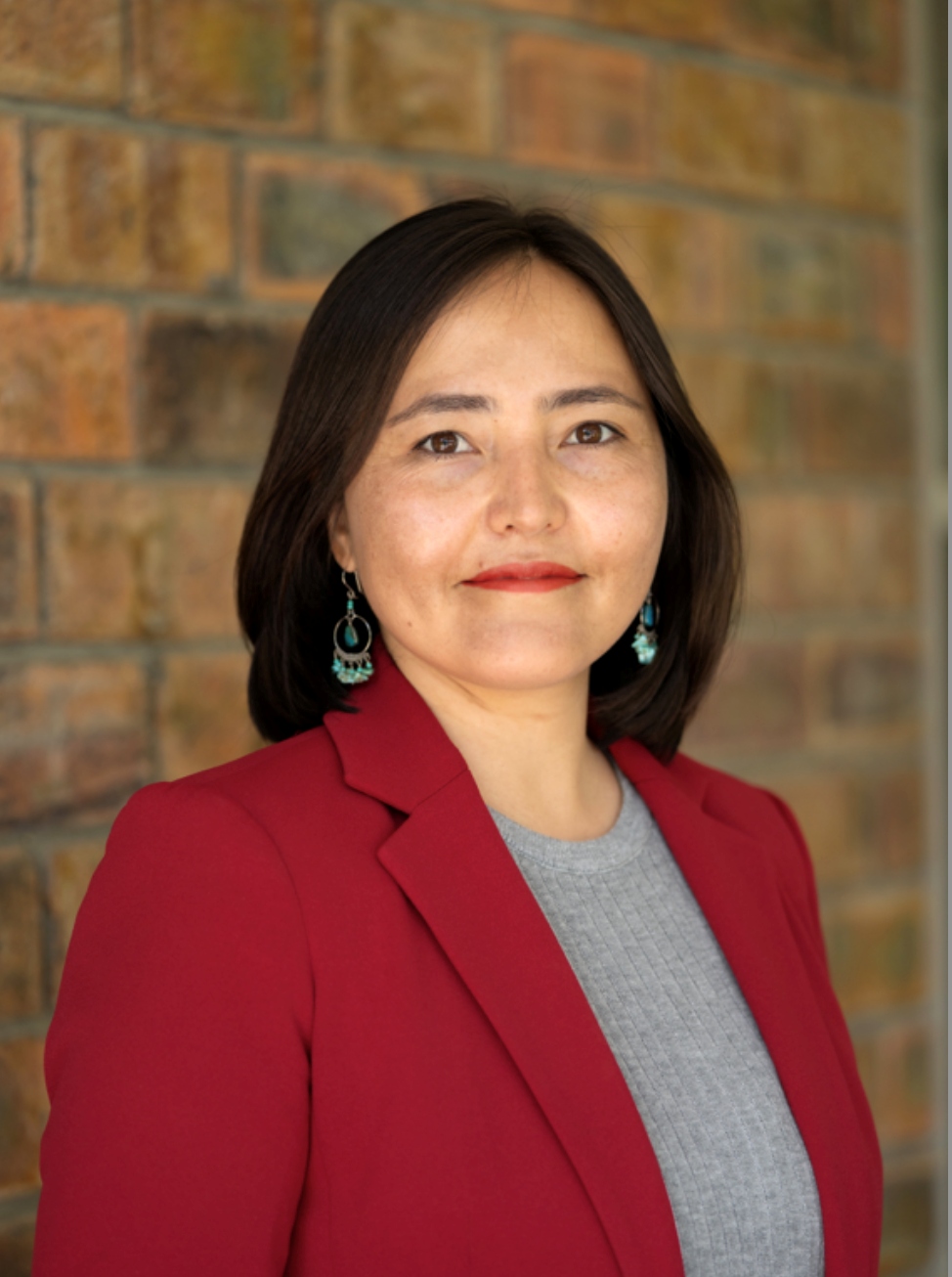
Nader began her career in 2011 as a journalist for Afghan newsrooms in Kabul. In 2016, she joined The New York Times bureau in Kabul, becoming the first Afghan woman journalist to work with English-language media outlets after 2001. She was a 2024–2025 Knight-Wallace Fellow at the University of Michigan and holds a Master’s degree in communication and culture from York University in Toronto.
She was candid that the pre-2021 press was not fully free either. Donor-funded outlets could attack the Taliban but not international allies. Yet those same donors opened newsrooms to women like her.
How lapdog media lost its grip
Niha Masih’s coverage of South Asia has helped shape global understanding of the region’s political and social transformation, bringing the stories of its people and conflicts to international audiences. She was honored with the South Asian Journalists Association’s 2026 Outstanding International Reporting Award for her coverage of the India–Pakistan conflict for The Washington Post.
Masih traced India’s shift through her own career. At NDTV in 2011–12 (a decade before the channel was taken over by the Adani Group, which is known to be closely aligned with India’s ruling party), she “never heard a no” on a pitch. At the Hindustan Times she built India’s first hate-crime tracker, which ended when editor Bobby Ghosh left.
At the Washington Post she showed that evidence in the Bhima Koregaon case had been planted on activists’ devices. When the Post cut its international desk this year, she felt “a very big sense of déjà vu”. What has grown most, she said, is the targeted harassment journalists face personally.
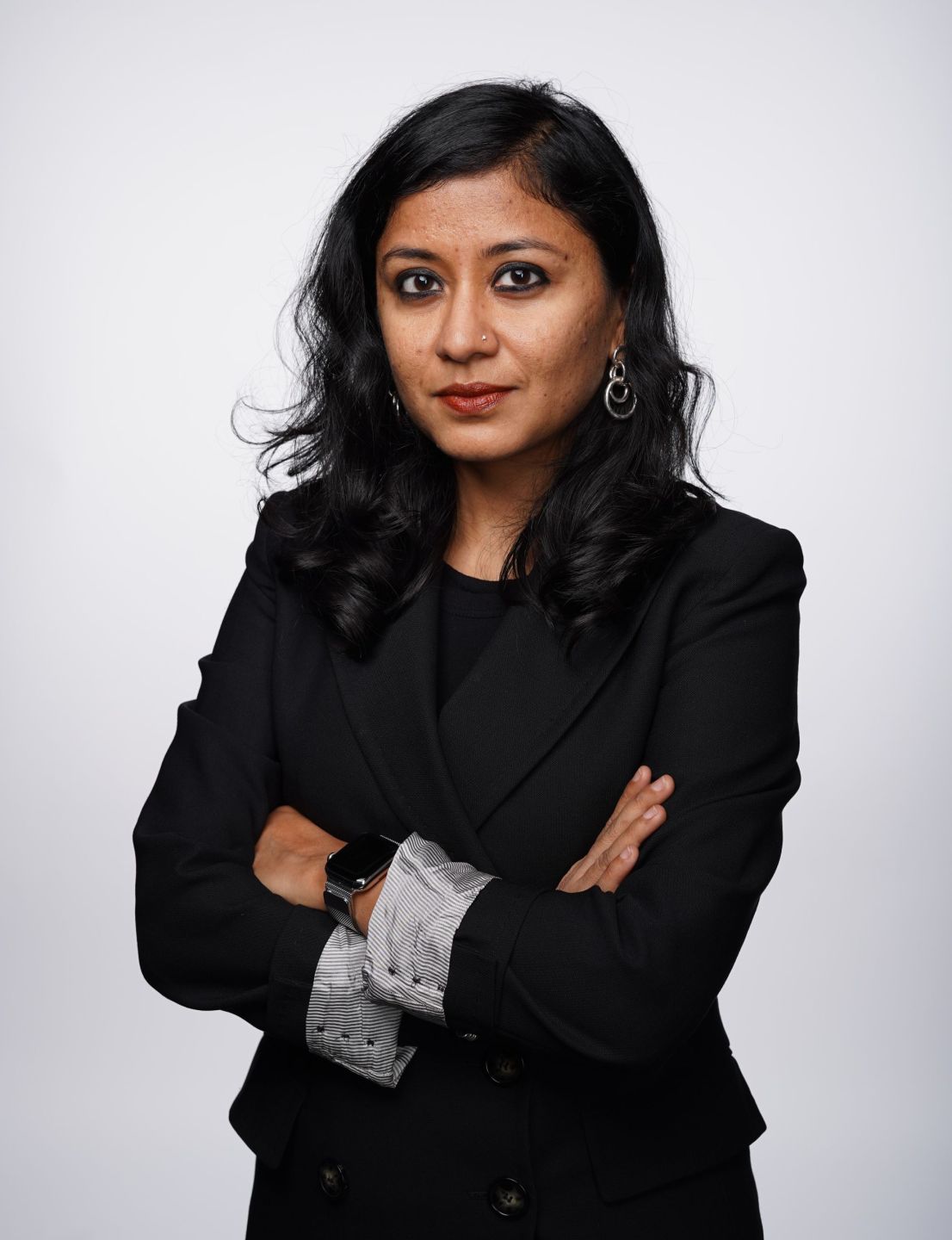
She named three strands of propaganda: overt “godi” or lapdog coverage, self-censorship born of fear, and ideologically driven reporting. Covering the Cockroach Janta Party’s July march in Delhi, she watched channels reuse independent footage while recasting protesters as “anarchists” and a police crackdown as a “clash”.
This time it didn’t stick. Gen Z was watching Instagram, not television, and families knew the young people who were there.
Journalism or activism?
Badhwar recalled that when she joined mainstream media in the 1990s and covered stories that pitted an individual or a marginalized community against those in power, sometimes a senior journalist would retort, “A bleeding heart aren’t you? This is journalism, it isn’t activism.”
Putting the question to speakers, the panel diverged. Bhasin said journalism is a kind of activism in that it gives a voice to the voiceless, dismissing “neutrality” and “balance” as standards that assume everyone “starts on an equal footing, and they don’t”. Without journalism, she said, Kashmir’s rights violations would go undocumented.
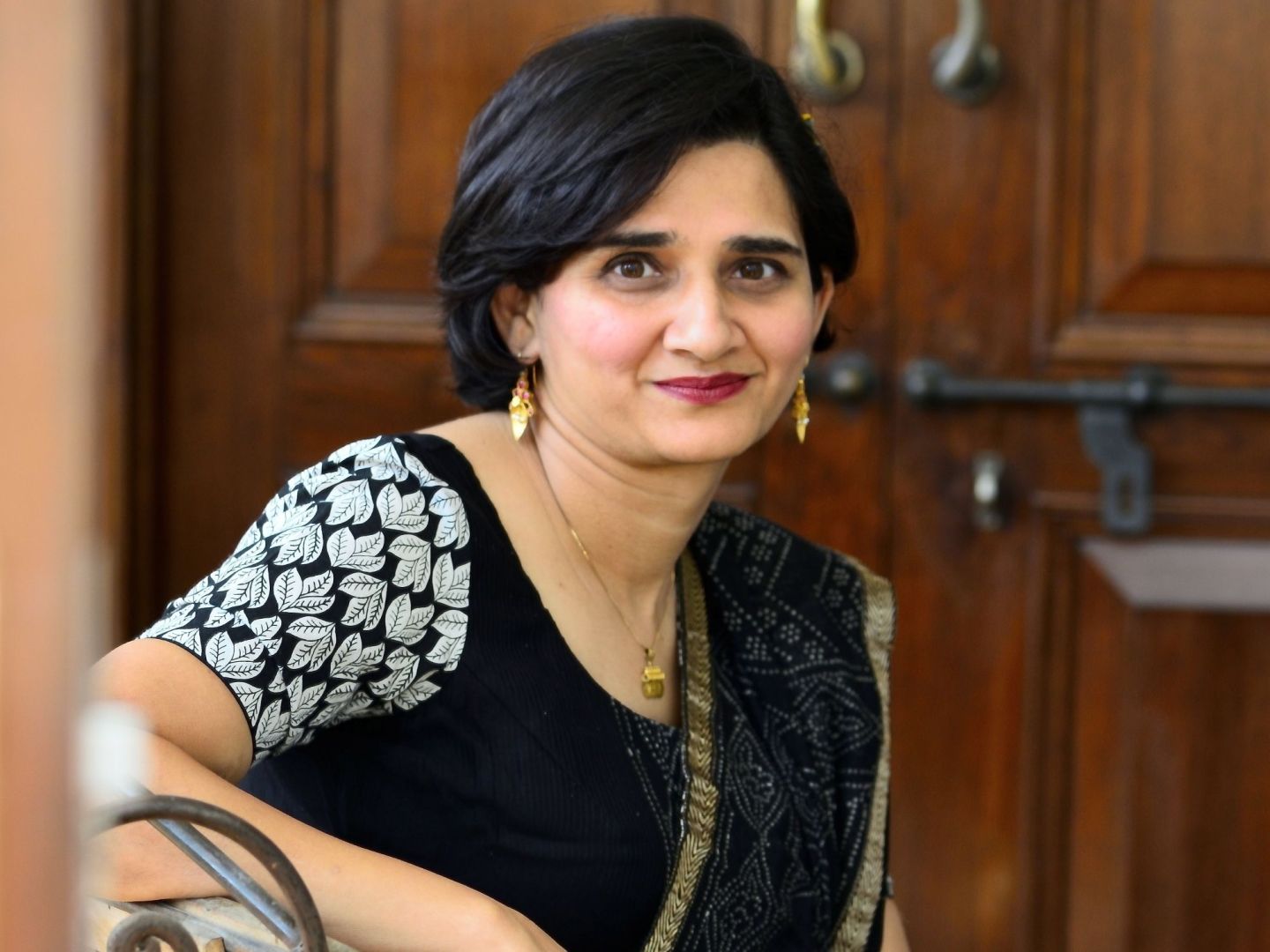
Nader said her team reports “what the Taliban do, not what they say”. Masih drew a firmer line: activists do harder work and see more direct results, while journalism creates “a ripple effect”.
The way forward
The panel’s clearest call was for solidarity that goes beyond messages of support. Nader asked for practical help for Afghan women journalists: visas, protection from deportation and safe passage. Her own managing editor reached Tanzania two hours before her exit permit expired. India’s warming ties with the Taliban, she added, “hurt a lot”.
Bhasin put mental health first. Journalists carry traumatic stories home, she said, yet the toll is “swept under the carpet”. Talking about it openly builds the trust that could turn informal networks, such as South Asian Women in Media, into structured support.
Questions remain. How can newsrooms, funders and networks protect the mental health of reporters doing this work, and catch burnout before it drives them out? How can independent media pay its way without donors, advertisers or owners shaping the news? And what does fairness mean when one side holds all the power?
Bhasin only reckoned with 35 years of that weight during a Stanford fellowship, after her paper had shut. Seniors had always told her to be professional. “You can’t!” she said. “I need to feel like a human being… You can’t feel like some kind of a professional robot.”
Nader’s hope is smaller and steadier: “One woman at a time, one story at a time, we can change our community.”
Dipisha KC is a program manager at the Bhutanese Community of Central Ohio, where she builds youth mentorship programs. A Bhutanese refugee herself, she has spent six years working on refugee and human rights issues, often alongside journalists and the media. She holds a degree in Global Security and Justice from the University of Virginia.
Read more about eShe South Asia Union Summit 2026 here.
Discover more from eShe
Subscribe to get the latest posts sent to your email.
0 comments on ““Activists of the truth”: reporting against censorship and propaganda in South Asia”