


A few days ago, at a gathering in a quiet neighborhood in Lucknow, a group of the elderly were fondly sharing tales about their childhoods. It was said, lightheartedly, that they had all received their ‘fair’ shares of beatings growing up and that there were next to no cases of depression or anxiety back in the ‘good old days’. Everyone laughed. I did too, to fit in.
The truth is, though, that violence, even normalized violence, is traumatic in nature. Recognizing that trauma is ‘rooted in our social fabric, in India’, mental health researcher and professor Dr Nishtha Lamba has authored Trauma Nation: Fighting India’s Silent Epidemic (Aleph Book Company, INR 799). As a behavioral scientist, her approach is to explore trauma as what happens in the mind and body in the ‘afterlife’ of a traumatic incident.
Through eight chapters composed of survivor stories, Dr Lamba highlights how we have normalized abuse and violence in our families and communities, which keeps the wheel of trauma moving. By biopsychosocially analyzing every case, she helps us understand the person’s journey from being a victim to a survivor.
In the end, she provides guidance on how we can heal and build resilience individually and collectively. No two traumas are the same and one of the things that makes every trauma unique is the socio-cultural context. This is a book on trauma in India by an Indian, about Indians. It doesn’t claim to be anything more or anything else. I would, however, add that most of the issues would resound across South Asia or in societies with cultural similarities.
The book begins by psychosocially exploring what trauma is and how it may show up as illnesses. In the presence of adequate support, we have an innate ability to cope and adapt, giving us deeper strength and resilience – this is referred to as post-traumatic growth. While acknowledging some positives, the ground realities, challenges and inadequacies of the mental healthcare system are highlighted.
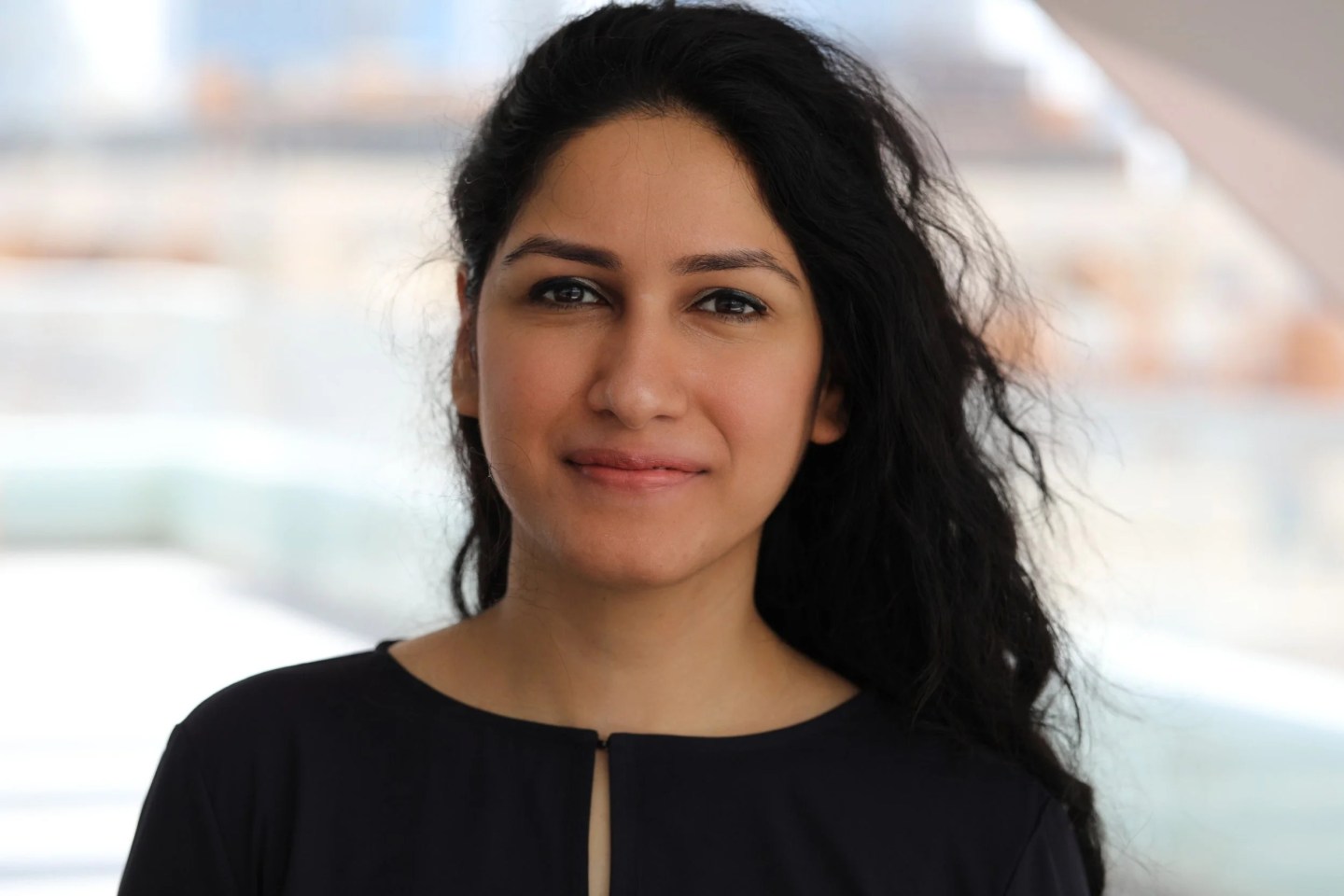
“Every country has its set of challenges. We need to understand ours to build a more trauma-informed society,” Dr Lamba writes. Some references to mythology, ancient wisdom and literature stand out. For example, Marich, a demon from Valmiki’s Ramayana, experienced symptoms of post-traumatic stress after being struck down by Ram and Buddha’s lessons on dukkha.
Since adversities are of many kinds, traumas too are of different kinds. Every chapter focuses on a specific kind of trauma starting with developmental trauma, which is the result of early exposure to abuse. Through the story of a survivor of childhood abuse and sexual abuse, the author highlights how victims grow up into adults with a broken sense of self and a life that they cannot understand.
Complex trauma is chronic and repetitive in nature. The author interviewed three male and female survivors of spousal violence to show how victims suffer abuse in relationships with intimate partners. Domestic violence is perpetuated by one factor – “unhealthy domination and control”. Considering it a “family matter”, it is often ignored by society and in many instances even the justice system.
This type of trauma also happens when one has to face the struggles of being transgender in our convoluted social paradigm. This is made evident by an interview of a transwoman who was expected to live as and be someone she was not.
A number of societal evils are so blatantly normalized in our society that it takes a minute to even recognize that what one has gone through is actually traumatic. After reading the stories of survivors of abuse in interpersonal conflicts, a thought surfaced: in India if one finds themselves in a domestically violent situation, what choice does society give them? On paper, they have a choice to leave. But do they really?
Staying and enduring abuse, being self-sacrificial, and saving the marriage and family from harm is held in high regard but prioritizing one’s health and sanity is not a pro-social choice, for if the abuse itself isn’t destructive enough, the stigmas are. Survivors have to resort to destructive coping mechanisms and a life of secrecy.
Parents beating children, husbands beating wives, children growing up in chaotic and violent environments… Unfortunately, for many in India, these are things that just happen, they are “normal”. The book quotes research that found that a staggering 52 percent of women and 42 percent of men believe that a man hitting his wife is justifiable.
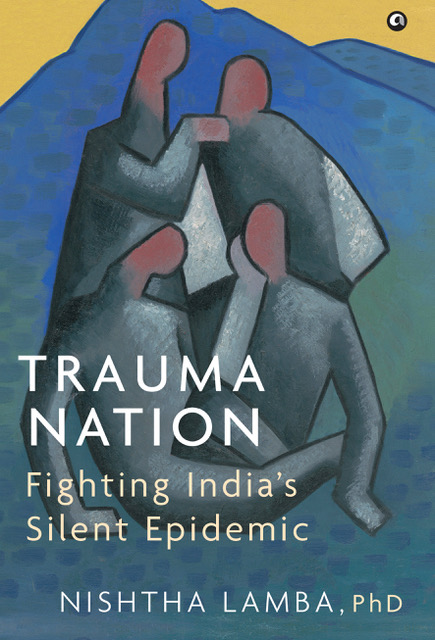
Since trauma is “an unhealed psychological wound” and security a necessity for survival, a society that reinforces structures and practices that cause “hurt” is one that minimizes psychological safety and undermines the basic needs of its members.
Intergenerational and collective traumas happen when an entire community of people experience horrific violence. It is passed down generations in the form of stories, practices and even genetically. Through the case of a survivor of displacement during the Partition, Dr Lamba touches upon the subjects of intergenerational silence and intergenerational resilience.
The next topic is acute trauma that occurs when one is exposed to a single, sudden and extremely distressing event. Dr Lamba explores it through interviews with a road-accident and an acid-attack survivor. Both had experienced events that led to circumstances where they had to bid adieu to their former lives and start over, rebuilding themselves and their lives from scratch.
Secondary trauma is the result of exposure to another’s suffering. With several interviews with Covid-19 pandemic survivors, the author explains how witnessing other people’s pain for a long time can result in secondary trauma taking the shape of primary trauma.
Media trauma is introduced which happens due to consumption of negative news and content. Exposure to other people’s suffering is weaved into many professions. A journalist and an army personnel share how their occupation takes a toll while the expectation is to “toughen up and deliver”. Dr Lamba confesses to experiencing symptoms of secondary trauma herself in the process of writing this book.
So, how do we heal from trauma? By identifying and reframing our deeply embedded dysfunctional belief systems. “The difficult truth is that many of our instincts were shaped at a time when we had no sense of self or agency. The hopeful truth is that, as adults, we have a tremendous ability to recognize and change these disruptive patterns,” Dr Lamba notes.
The author lists mind- and body-based practices that can be instrumental for individual healing. For building trauma-informed societies, we need prevention and care. In every chapter, the author writes about what helped each survivor cope, tracing their “arc of resilience”.
While every healing journey is different, some commonalities include finding a sense of purpose, getting on with one’s day-to-day life, psychoeducation, professional growth and nurturing relationships. Survivors want and need compassion from oneself and others.

The book is as social as it is psychoeducational in nature, which the author says was her calling: “Awareness does not erase vulnerability, but it does provide one an active choice,” she writes. What I appreciated most about the book is that it doesn’t attack, it doesn’t blame; it says what is as it is and leaves the reader to ponder, instilling a needed and reflective thought process.
There is a word that has been used more than a few times in the text: disillusionment. It is something that most survivors felt. Our sociocultural practices are fed to us in the guise that they are for our own good but the experience of them often reveals something contradictory.
The book urges us to reflect on ourselves and our practices, as individuals and as a collective whole, to make space for how things should be if we are to heal from wounds that have been hurting us for months or years or even generations.
“Cultural shift is often top-down,” Dr Lamba writes. “When society sees survivors being valued by the system, it gradually reduces stigma and shame.” In some rare instances in the book, though, I felt that there was an assumption of the entire country being under a homogenous culture.
On one hand, the book is an easy read with scientific concepts and theories explained in words that the average person can understand. On the other, it’s a tough one with each survivor story being deeply intimate and emotional, which could be triggering or distressing.
Personally, I approached it one survivor story at a time. The cases are highly relatable for every Indian. If we haven’t faced similar circumstances ourselves, we have seen them or heard of them. The read evoked feelings of sadness, shame and anger in me. A sense of despair ran parallel because, though the book makes a case for it, it will take a very long time to see a significant change in the deeply rooted dysfunction in our society. Alongside, I felt a glimmer of optimism due to the fact that healing and change is possible and this book is a step in that direction.
I find the ends of books fascinating. It’s a close, ultimate farewell to the subject and a parting point for the reader and author. It could be a sentence or a paragraph but there is something stirring and settling at the same time about the last words.
And that holds true for Trauma Nation as well with Dr Lamba quoting a Hindi poem titled हताशा (Despair). It reaffirms her message that the way forward is in walking together, not alone.
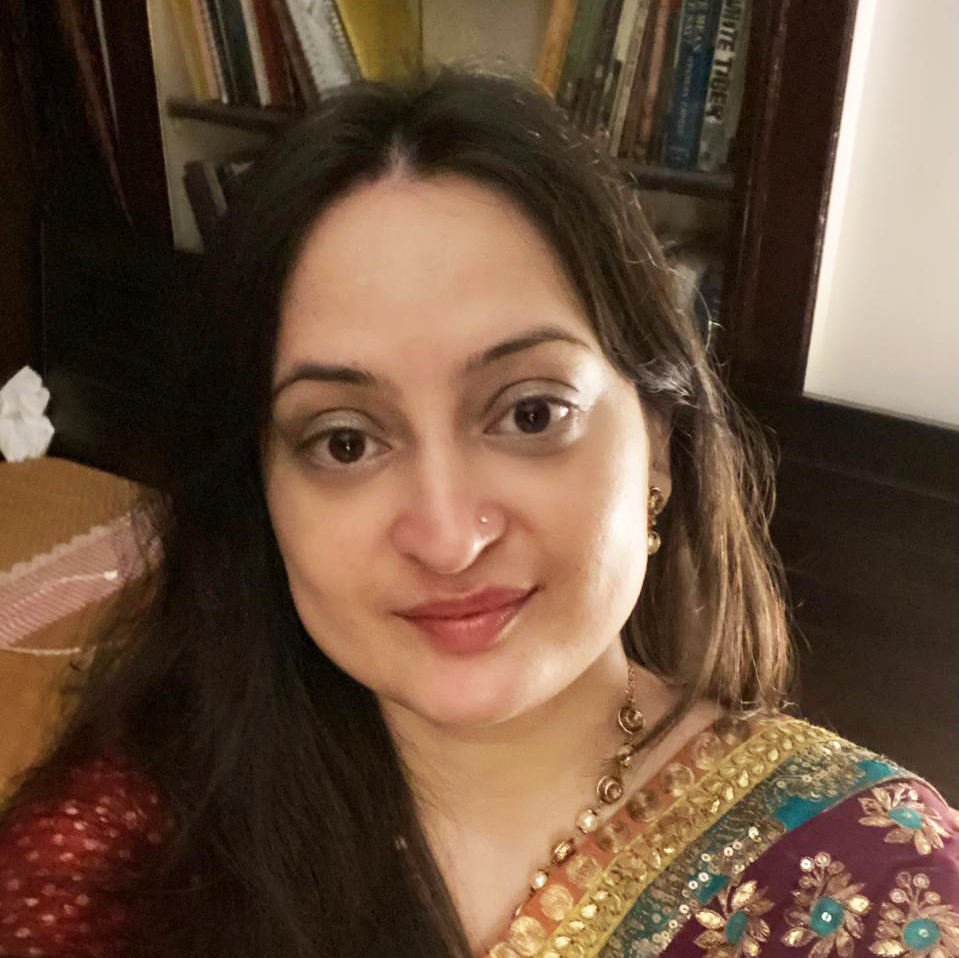
Apoorva Gairola is a psychology professional and writer who is passionate about mental health, women’s and gender issues.
Discover more from eShe
Subscribe to get the latest posts sent to your email.
Thank you ! Will purchase a copy .
Best!
Prof Sachidananda Mohanty