

By Deepika Khatri
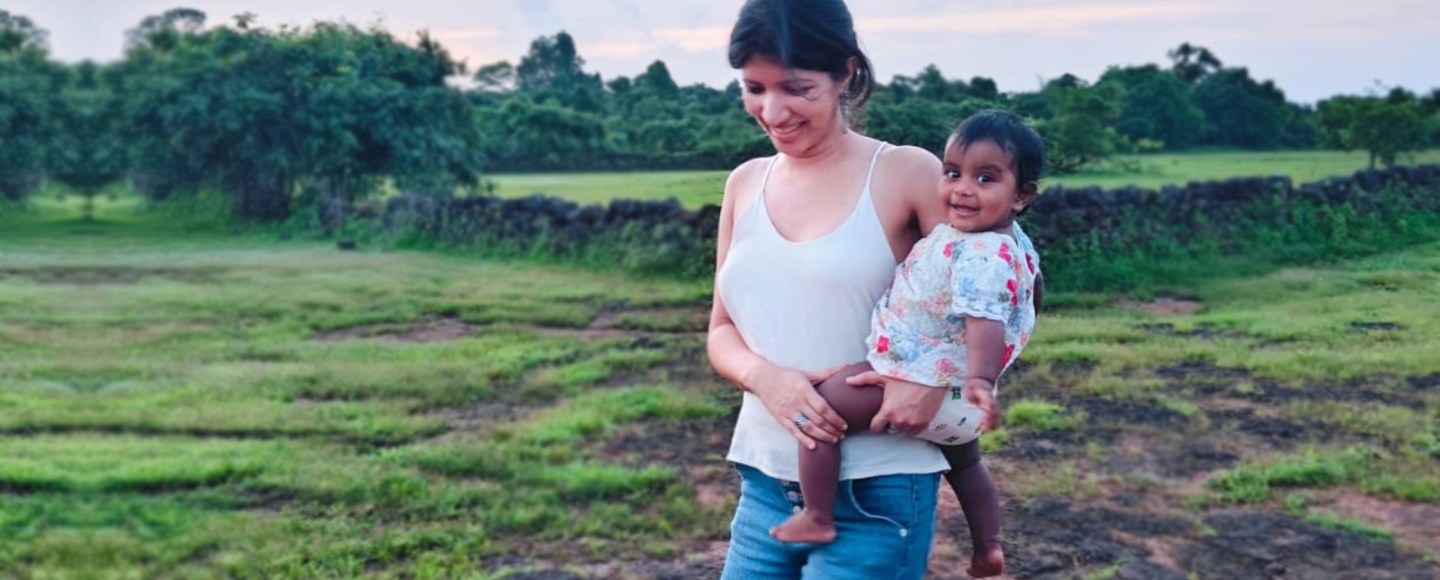
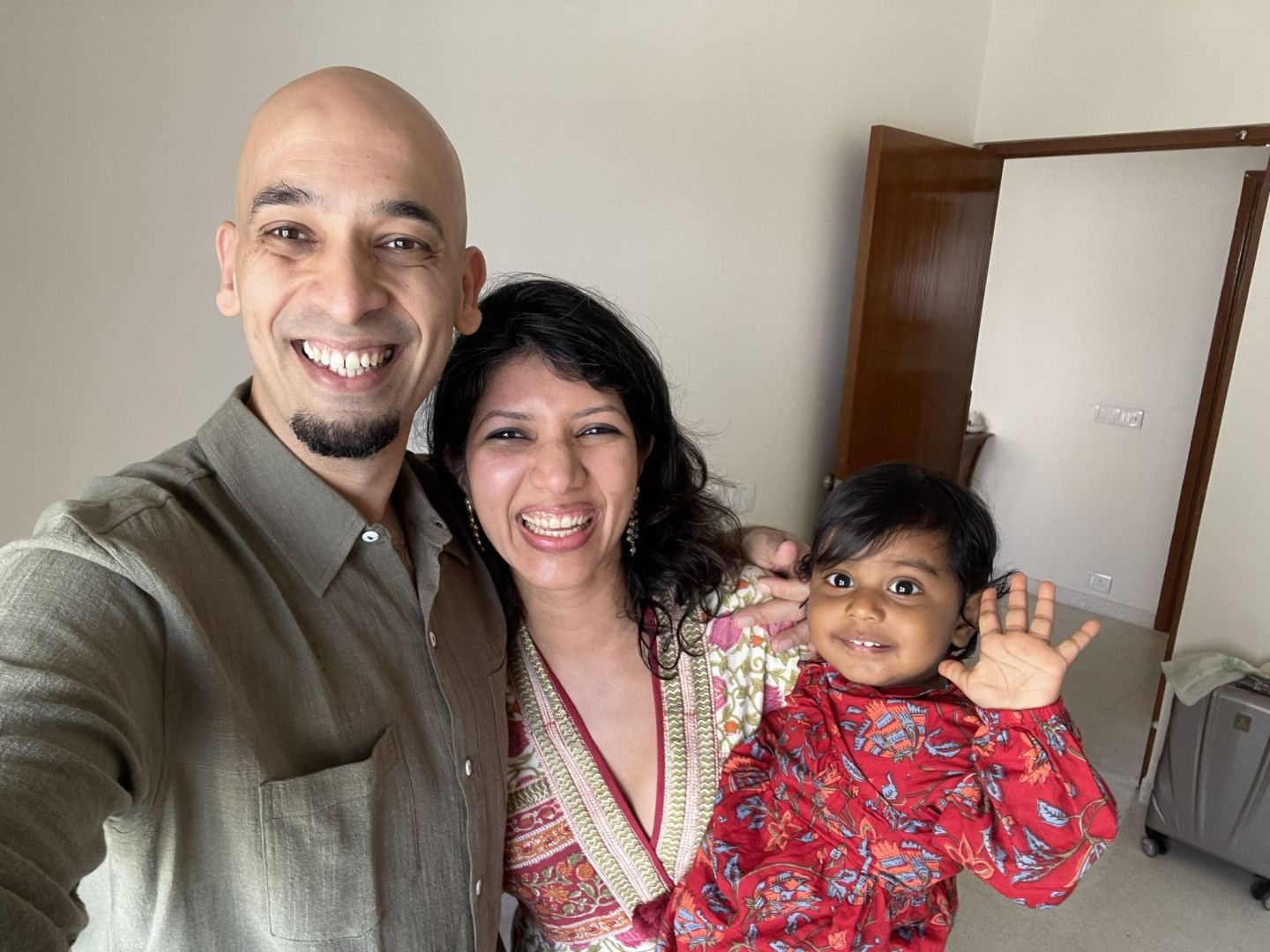
In March this year, as we approached the one-year mark of our daughter Saira in our lives, I began to plan a small celebration.
One week later, my spouse Abbas, who is rarely given to illness, was unable to lift himself off the bed. He was running a fever, had a splintering headache and complained of muscle pain. Saira’s nanny, who arrives every morning like clockwork, was dealing with a family emergency and unable to come to work.
Suddenly, I was the only adult for the count tending to a curious, active toddler who had to be kept away from her father and couldn’t understand why. Abbas was summarily locked into a room with warm fluids and paracetamol by his bedside. The few words we exchanged were to cajole him to eat what little he was able to.
A few days passed. He didn’t show much improvement. We ran blood tests for dengue, malaria and chikungunya. All turned out negative.
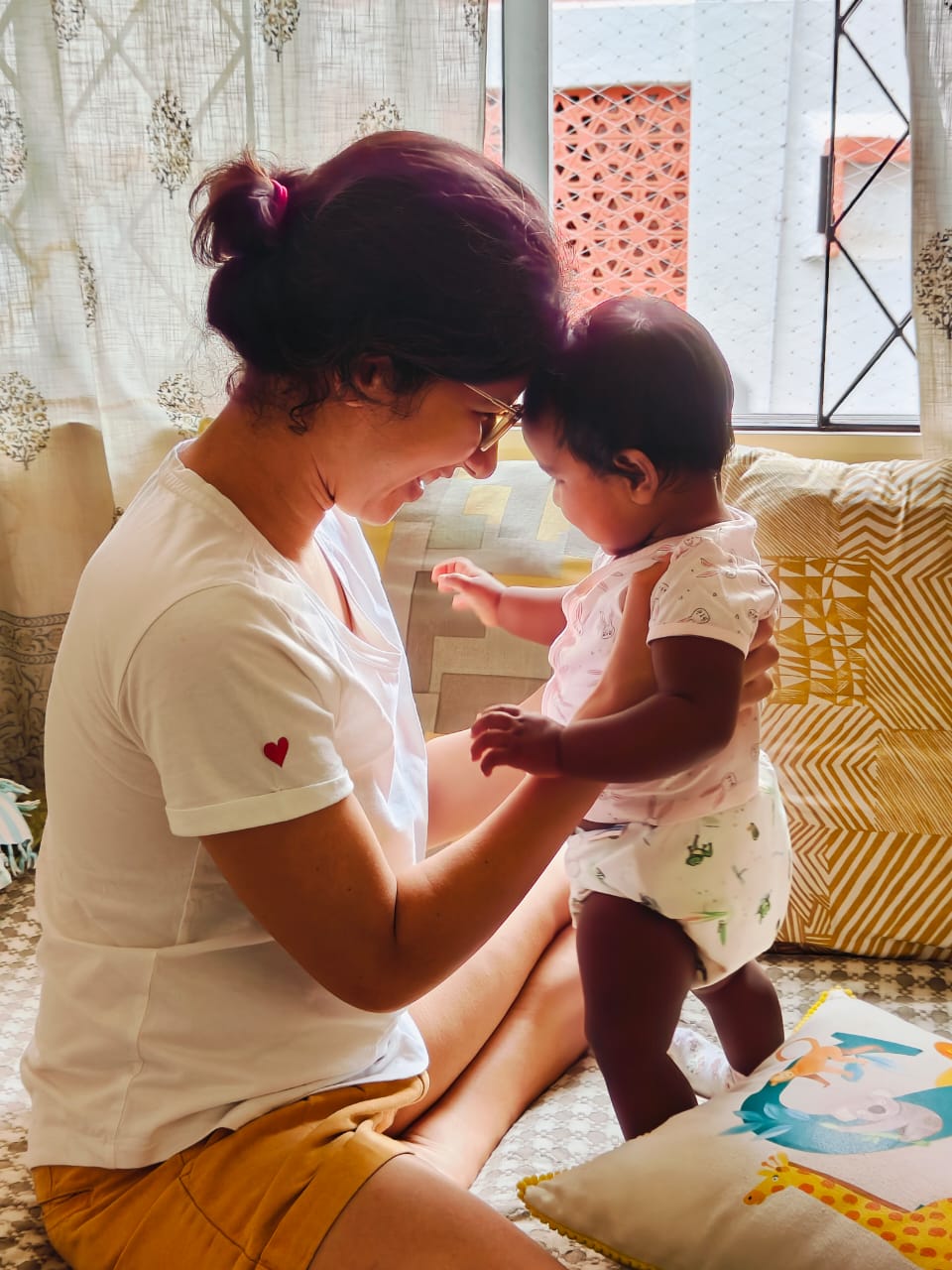
On day three, friends offered to have Saira over at theirs and take her to the park in the evening. I said yes. As I was driving home from dropping her off, my sister called.
“How are you all?” she asked.
“Still not sure what’s wrong with Abbas. We haven’t been able to go to a doctor yet,” I said.
“Want me to come? I can hop on a flight. Then you won’t have to do the bedtime and morning routine on your own.”
Long pause.
I felt the breath catch in my throat. The muscles in my lower back slowly unfurling from a tautness I hadn’t realised I was holding.
“Can you?” I responded, feeling the warmth of relieved tears running down my face.
“You’ll see me tonight,” she responded.
No one told me that the hardest part about having a child was asking for help. Being open to receiving it. Practising saying ‘yes’. Of feeling less-than-able multiple times a day and having friends, siblings, neighbours prop you up – with a phone call, an airport drop off, meals sent that you said you’d manage and then gratefully ate when there wasn’t time to cook. A message that said, Are you alone at home with Saira? I’ll come spend the night. A seemingly simple something that would carry me through the day.
No one told me how difficult it would be to lean into the discomfort of not having anything to give in return. Of feeling like I have to do something to deserve this care. Earn it. That having a child would mean looking at my own fraught relationship with care. How much easier it is to give than to allow myself to be tended to.
I’d grown up in a home where I saw my mother do it all. Raise two children (mostly) on her own while my father travelled for work. She handwashed our clothes every morning till a washing machine arrived in my adolescence. Cooked three meals a day. Travelled an hour each way for work. All while living far away from anything familiar to her. No friends or family at hand and having to learn a language she had never spoken. The only access to communication was once-a-week STD calls booked in advance for a brief exchange with her mother. I don’t remember her leaning on anyone or asking for help. I don’t know if she thought she could. If that was an option.
I had a front-row seat to this high-performance modelling. When I began to work and keep house on my own, I began to hold myself to the same standard. Everything had to be just so. Perfectly planned, anticipated and executed. It was a mantle I wore with casual pride. Anything thrown my way, I’d nod and say ‘yes’. I enjoyed the surge of adrenaline it took to do what seemed impossible in a 24-hour day. How it made me feel capable. In control.
In my 30s, when my body began to protest the relentless pace, I was forced to pause. To take stock. To begin working in different ways. But the voice remained, You can do it on your own. You know how.
When Saira arrived in our lives as a five-month-old, I told myself something similar: I’ve got this. It’ll be hard. But not impossible.
I’ve had to revisit this story on more than one occasion since then.
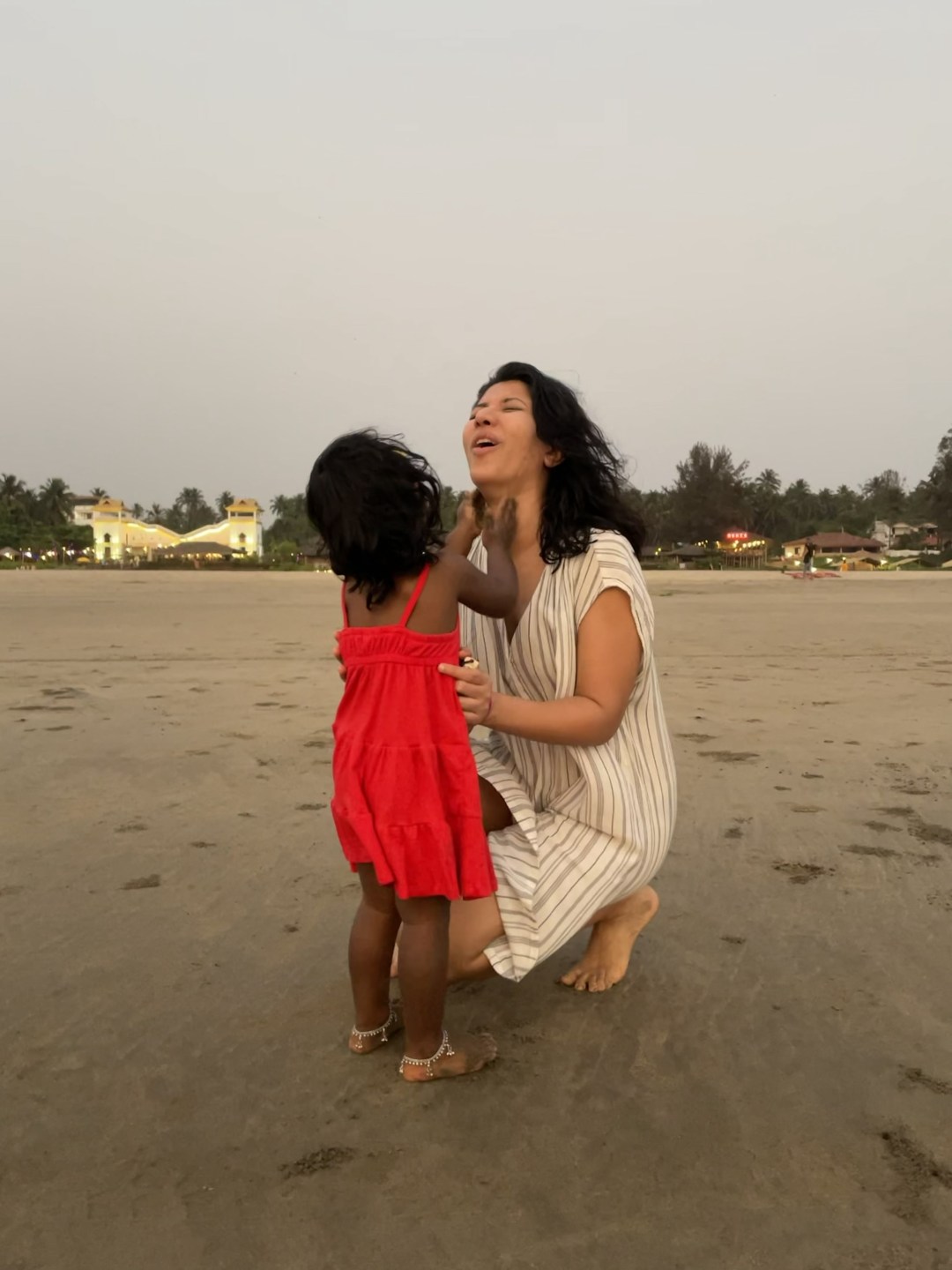
On days I’ve woken up too tired to make myself breakfast till 12 pm. Where I’ve cried frustrated tears in a darkened room after rocking and walking the baby till my arms ached. When my lower back needed a brace to make it through the day. When Abbas had to stay back at work and missed bedtime. Days when someone in the household fell ill. When I felt the absence of my close friends in the city who I feel free to collapse with. I’m tired of saying I’m tired, I mutter on a video call to an old friend. How long is it okay to do that?
Saira’s presence in my life has made me revisit stories of efficiency I’d clung to. To look at how deeply embedded I am in systems that celebrate individualism. A machine-like productivity. To learn to listen to the (loudly) communicated message that there is nothing in my control. There never was. To remember as I struggle to say ‘yes’, what it feels like to be present for a friend, a sibling, a loved one. To know that asking for help is an act of trust. Of saying, I feel safe to be imperfect with you. To remind myself that it brings with it an immense softness. A letting go of pretensions. That it’s a place of building intimacy. Of love.
Saira has given me permission to say, I haven’t got this. I’m bone tired. Overwhelmed. Can you hold my hand while I hold hers?

Deepika Khatri has worked as a researcher and development practitioner with high-risk communities. She’s now looking anew at the world as she explores it with her daughter. You can find her writing on Substack.
This essay was first published on Ochre Sky Stories, a platform for writers from the memoir-writing workshops facilitated by Natasha Badhwar.
Discover more from eShe
Subscribe to get the latest posts sent to your email.
❤️