
By Shailaja Rao
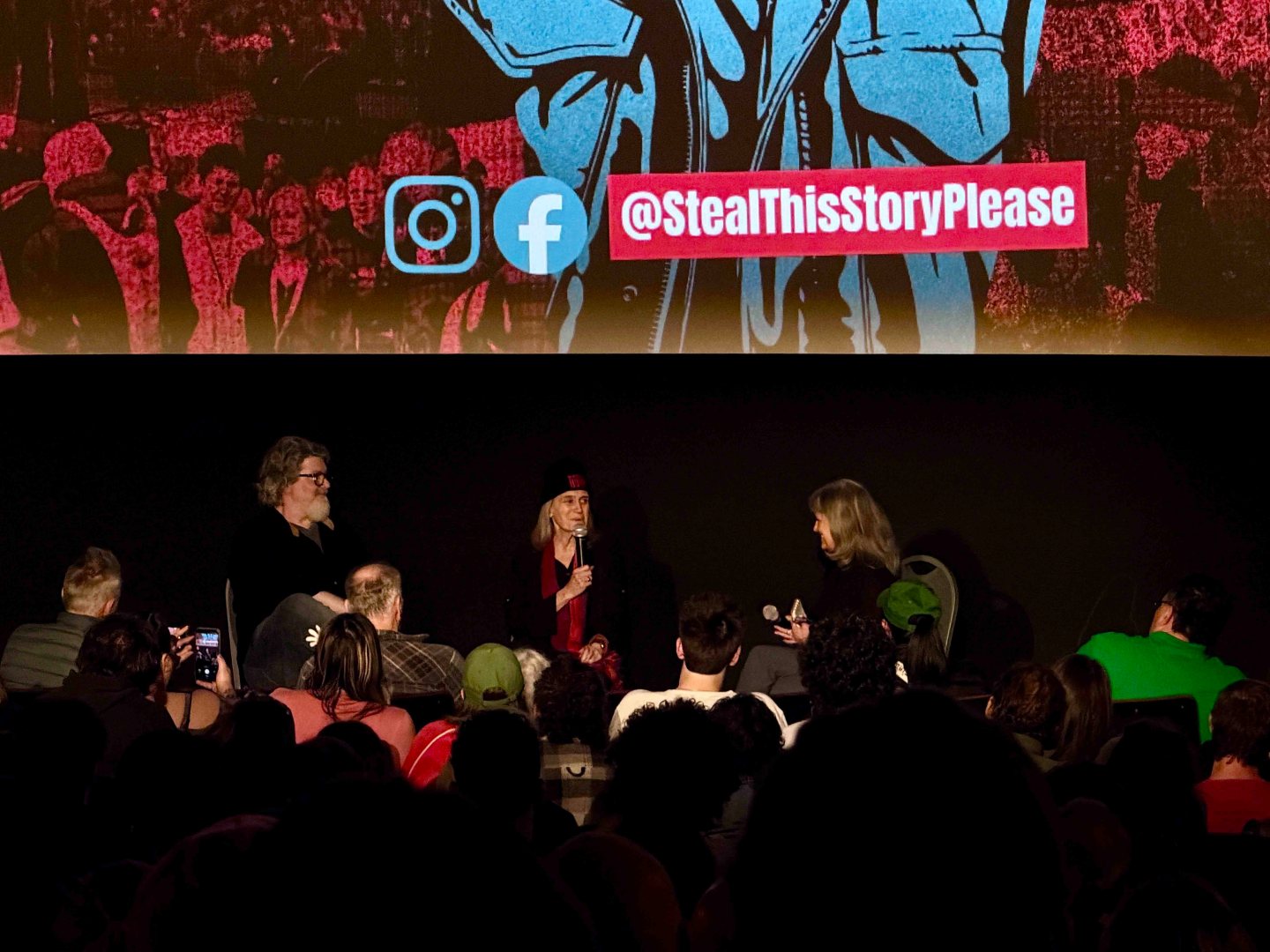
“Independent journalism is the next wave,” Amy Goodman declared at the Seattle International Film Festival (SIFF) Cinema Uptown theater on 23 April 2026, where the evening was graced by three distinguished voices in independent media: Goodman herself, Oscar-nominated documentary filmmaker Carl Deal, and Ann Telnaes, the Pulitzer Prize-winning cartoonist who resigned from the Washington Post over editorial censorship.
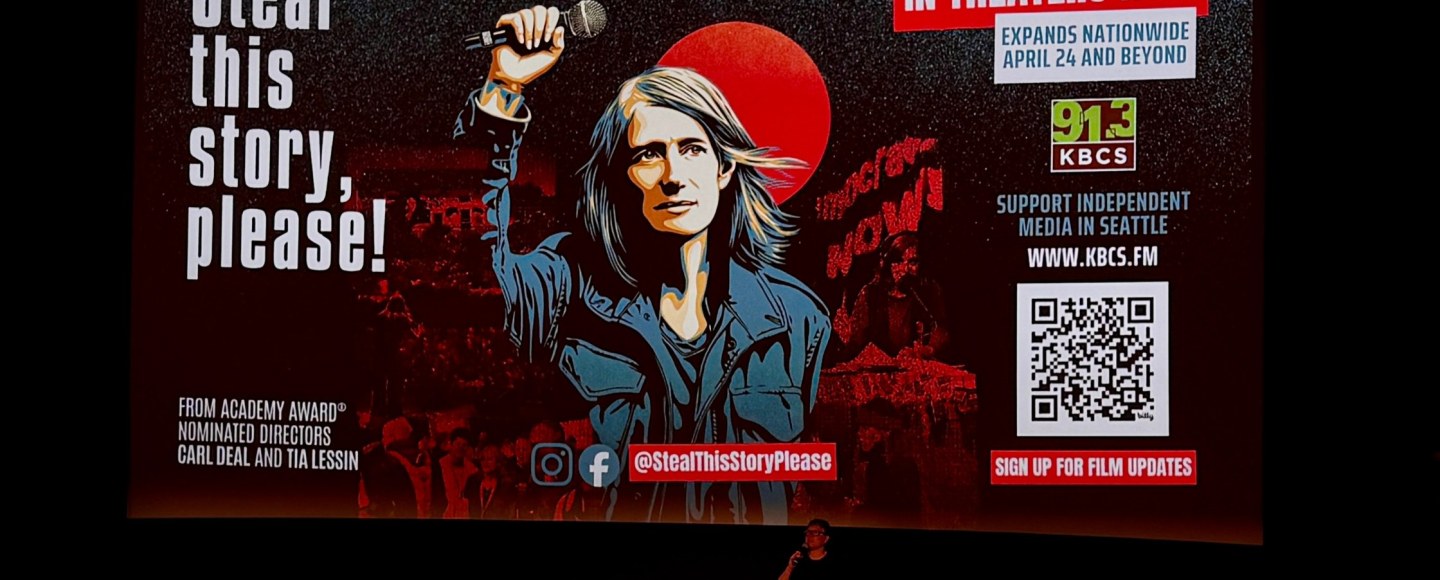
Acclaimed broadcast journalist and Democracy Now! cofounder Amy Goodman is traveling across the country promoting the documentary Steal This Story, Please!, co-directed by Carl Deal and Tia Lessin, accompanied by her dog, Zazu, named after France’s WWII anti-Nazi youth culture.
The film has been making its way through the festival circuit since 2025, winning numerous awards, including the Audience Award at the SIFF DocFest 2025. Screenings are scheduled across the country, many with Goodman in attendance.
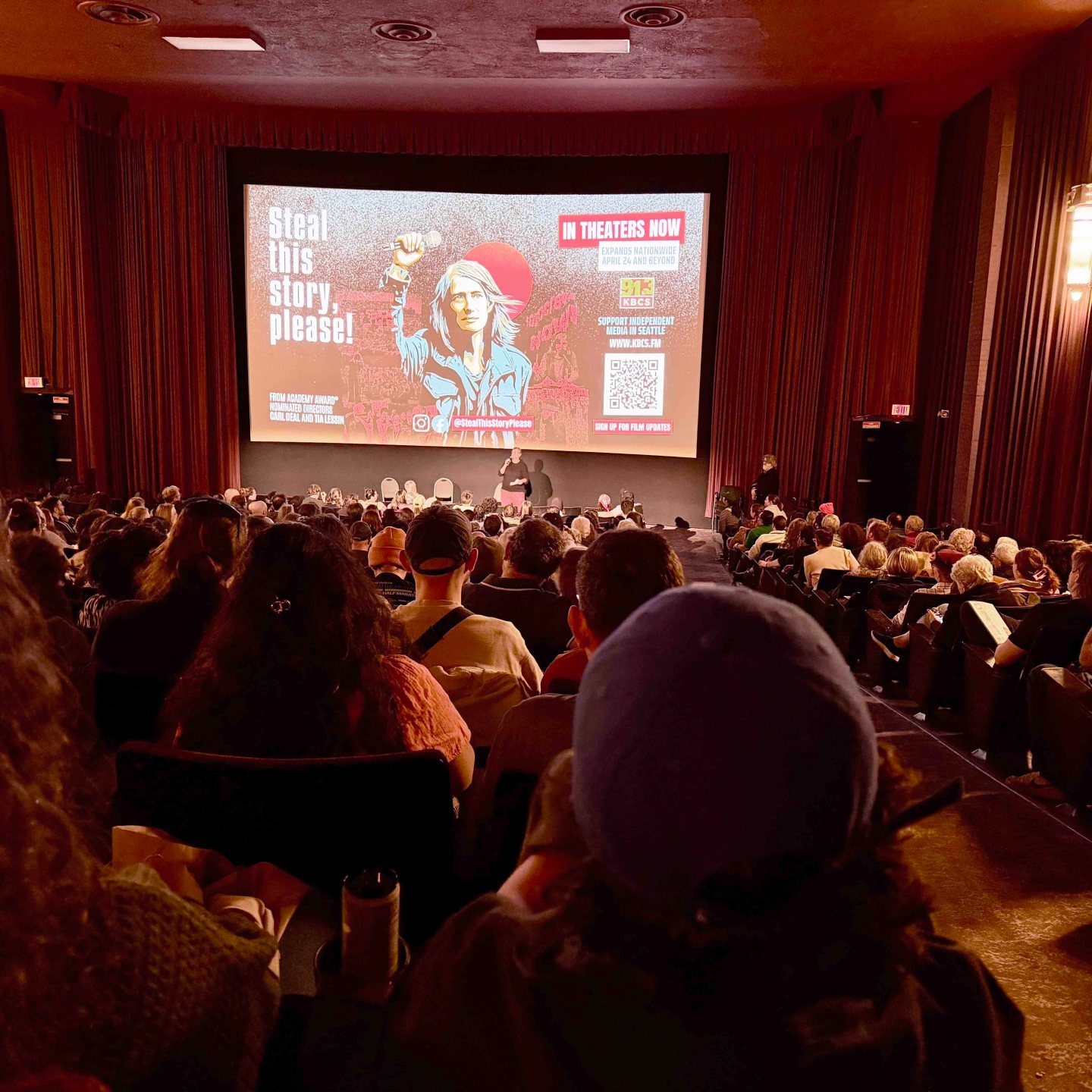
The film opened to a packed house on Thursday night, and Friday’s screening already sold out, a testament to how a community rallies around a film of this relevance. As someone who advocates for independent journalism and follows the challenges facing secularism and democracy in South Asia, I found the screening deeply uplifting in these uncertain times.
Meeting Goodman in person made the evening unforgettable. She took a moment to ask my name, repeating it carefully to make sure she had it right – a small gesture that spoke volumes about the woman behind the mission.
The film traces Goodman’s family background, including their escape from persecution in Eastern Europe. Goodman herself was born in Bay Shore, New York, in the late 1950s, and her intense curiosity and thirst for truth began early.
As children, she and her younger brother, independent journalist David Goodman, started a family newspaper, communicating through “letters to the editor” that often sparked lively family debates. The home footage and humorous moments make it real.
Goodman’s background provides the foundational context for her strategic approach to seeking human stories across the globe that corporate media is reluctant to cover. Democracy Now!, a global independent daily news program, launched in 1996 as a radio show airing on just nine stations.
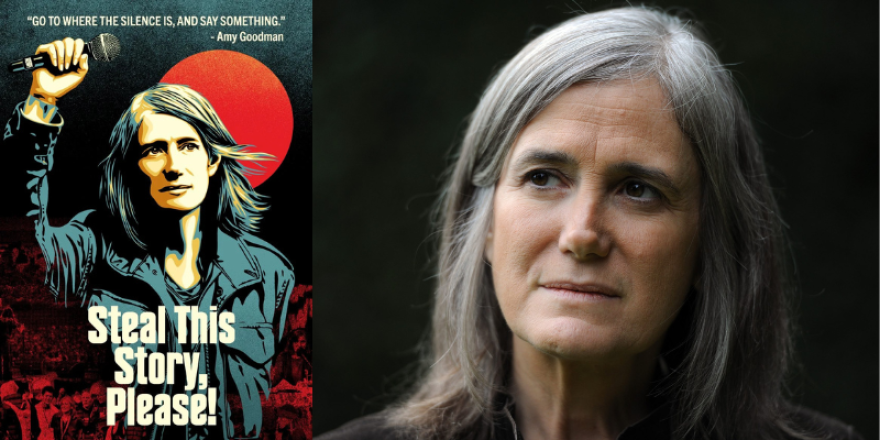
Since then, the US-based show has grown into one of the world’s leading independent news programs on TV and the internet. The film features archival footage of Goodman going live from a small studio with a total of three people – a reminder that what began in remarkably humble circumstances has become a global voice for the voiceless.
Beyond Goodman’s origins, the documentary turns to footage predating Democracy Now!, including her coverage of the Indonesian occupation of East Timor for WBAI radio in New York in 1991. There, she and colleague Allan Nairn narrowly escaped with their lives when a pro-independence demonstration turned into a massacre, carried out with the backing of the US government.
Goodman believed that exposing the truth was not optional – it was necessary. That unwavering conviction is the throughline of her entire career.
That conviction is evident throughout the film as it moves to Goodman’s encounters with law enforcement and her memorable 30-minute phone call with President Clinton. The documentary also captures her reporting from the construction site of the Dakota Access Pipeline alongside the Standing Rock Sioux Tribe and members of nearly 100 tribes from across the U.S. and Canada, voicing concerns over water, environmental and cultural rights, as well as her extensive coverage of the long-term health effects of toxic air pollution following the 9/11 attacks.
A striking point in the film is how the media changed forever after President Clinton signed the Telecommunications Act in 1996, deregulating the industry and allowing corporations to buy radio and television stations nationwide.
During the post-screening conversation, Carl Deal raised the recent news of Paramount Skydance’s shareholder approval to acquire Warner Bros Discovery, a deal that would reshape the media landscape even further.
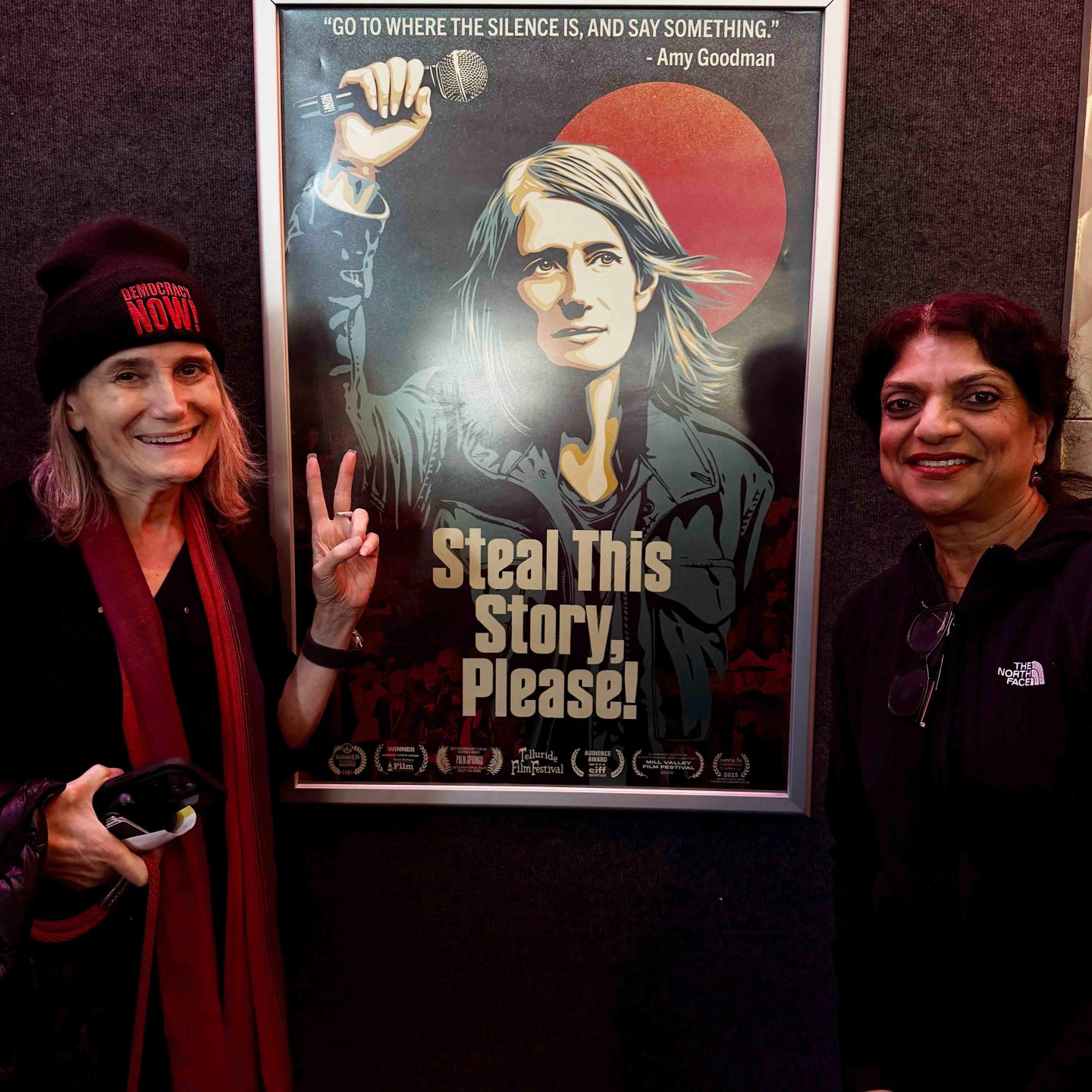
Goodman closed the evening on an uplifting note. “The president occupies the most powerful position on earth, the president of the United States. But there is a force more powerful. It’s all of you in this room, joining people all over the country, across the political spectrum, people who have so much in common with people around the world.”
Gesturing toward the audience, the 69-year-old added, “There’s no telling what could come out of something like this. Your actions matter.” She insisted, “Those who care about war and peace, the climate catastrophe, immigration crackdown in the country, LGBTQ issues, racial and economic inequality are not a fringe minority.”
Goodman’s story is one of courage and humility. That she has done it as a woman, navigating law enforcement, government pressure, and corporate media for over 30 years, makes it all the more remarkable.
For those of us who work in independent media, Goodman’s actions, her positive outlook and her life story are immensely reassuring. And this film is a worthy tribute to the life of a trailblazer, truthseeker, peacemonger, and yes, in my opinion, an activist at heart.
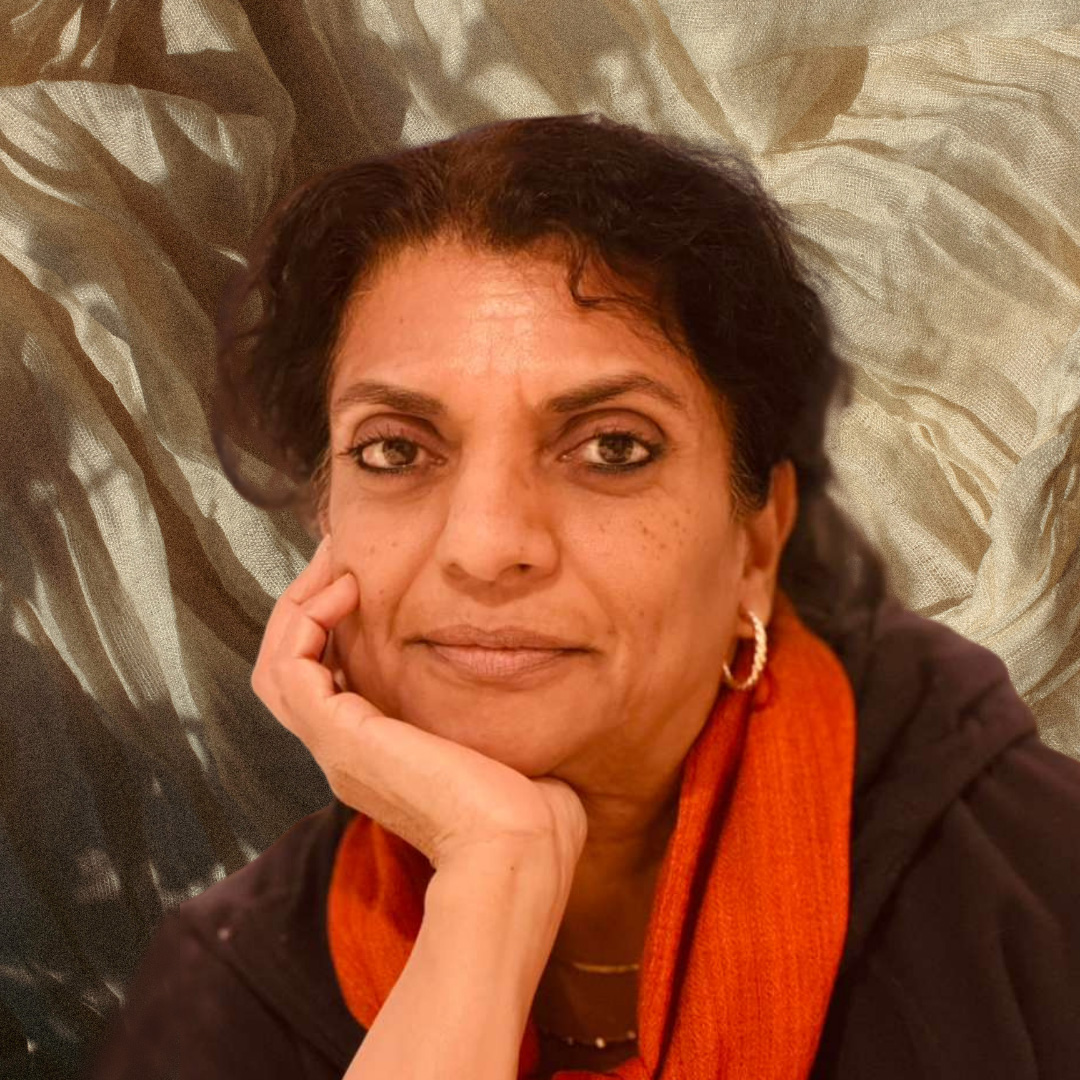
Shailaja Rao is the executive director of eShe and a festival programmer at the Seattle International Film Festival (SIFF). Email: shailaja@esheworld.com
Discover more from eShe
Subscribe to get the latest posts sent to your email.
0 comments on “‘Steal This Story, Please!’ – an evening with firebrand journalist Amy Goodman in Seattle”