
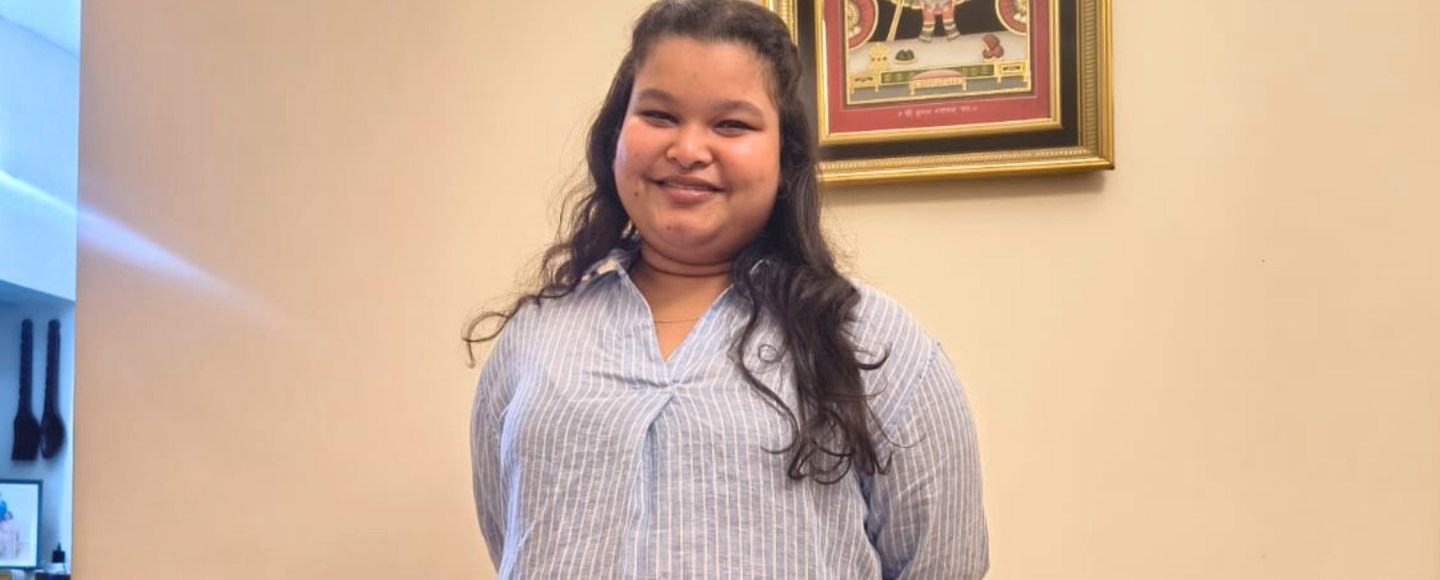

NEW DELHI: Just before noon on 20 July 2026, Delhi-born management studies student Rhea Pradhan joined her first-ever protest march, which started from Jantar Mantar, a designated protest site in the heart of New Delhi, heading towards the Indian Parliament.
At first, Rhea enjoyed the camaraderie in their procession of what she guesses were at least a couple of thousand students. “They were our kind of people – the slogans were creative and hilarious; the boys were so protective and polite towards us girls; students used guitars and makeshift instruments like steel plates and spoons to create cheerful beats – it was super fun.”
Some students even handed out flowers to policemen flanking the procession, saying, “Sir, we love you,” and “We’re sorry to trouble you,” she says. Protesters carried copies of the Constitution of India and portraits of Dr BR Ambedkar.
But their bonhomie was short-lived.
Less than half an hour later, as she took a break to drink water near the Central Secretariat metro station, the 21-year-old found suddenly herself facing a burst of smoke from what she describes as a “chilli bomb”, which left her face smarting and her voice choking. Students began running helter-skelter as the police lathi-charged at them without provocation.
“I saw with my own eyes that some of the wooden planks being used to hit protestors had nails on them,” says Rhea. “I also noticed that some police personnel in blue uniforms were not wearing visible name tags.”
Even while students backed away, teargas canisters began bursting around them. “All around me, people were screaming; their eyes turned red and began watering; younger kids began crying and falling in the rush. We stopped to pick them up as we ran. Policemen were hitting people, shouting as us, ‘Jaldi jao’ (go fast). It was chaotic and confusing. People were bleeding. I am asthmatic and I just couldn’t breathe; my upper chest felt painful and my face had red, burnt patches.”
It’s not like Rhea was not prepared for this.
She and her five college friends had showed up in response to a call by scientist-activist Sonam Wangchuk and the Cockroach Janata Party (CJP) – a satirical campaign that turned into a youth-led movement – calling for the resignation of India’s education minister Dharmendra Pradhan (no relation to Rhea) in the wake of several exam paper leaks.
The CJP’s Instagram handle and other pages had warned protestors that Delhi Police had been spotted stocking up on teargas equipment. So Rhea and her friends had come prepared with face masks, towels, swimming goggles, and, in her case, a dupatta to tie around her face and head.
Since metro stations were closed and internet shut off in central Delhi, Rhea and her friends took a cab through a rideshare app. “But we were unable to pay using our phone UPI so our driver took us some distance away until we got network. From there, we had to walk to Jantar Mantar,” says Rhea, who is in the final year of her Bachelor of Management Studies degree with a major in e-commerce.
On their way to the protest site, the six friends were excited to see several YouTubers and independent mediapersons they recognized from social media. They had carried along their own handmade posters and water bottles.
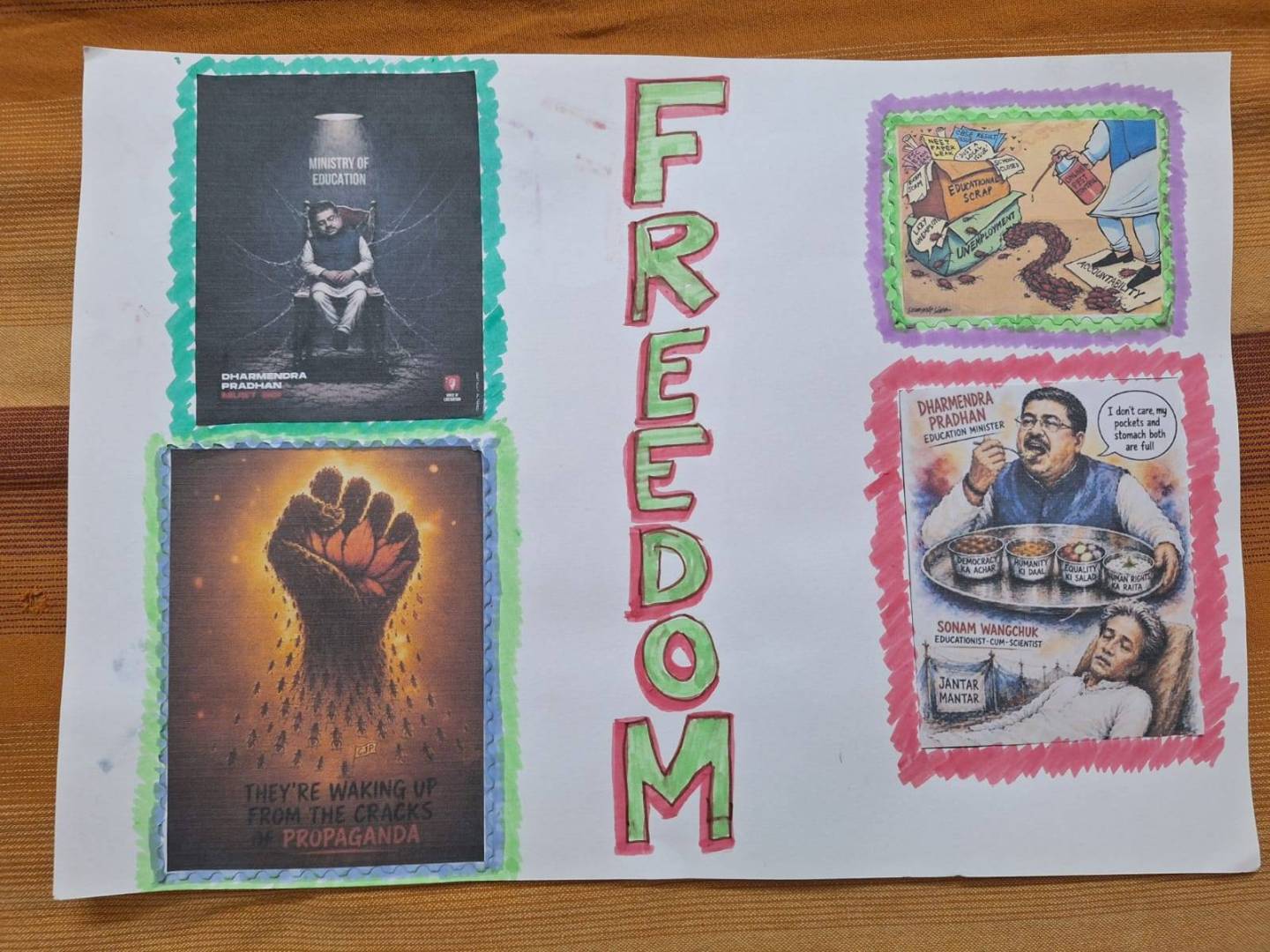
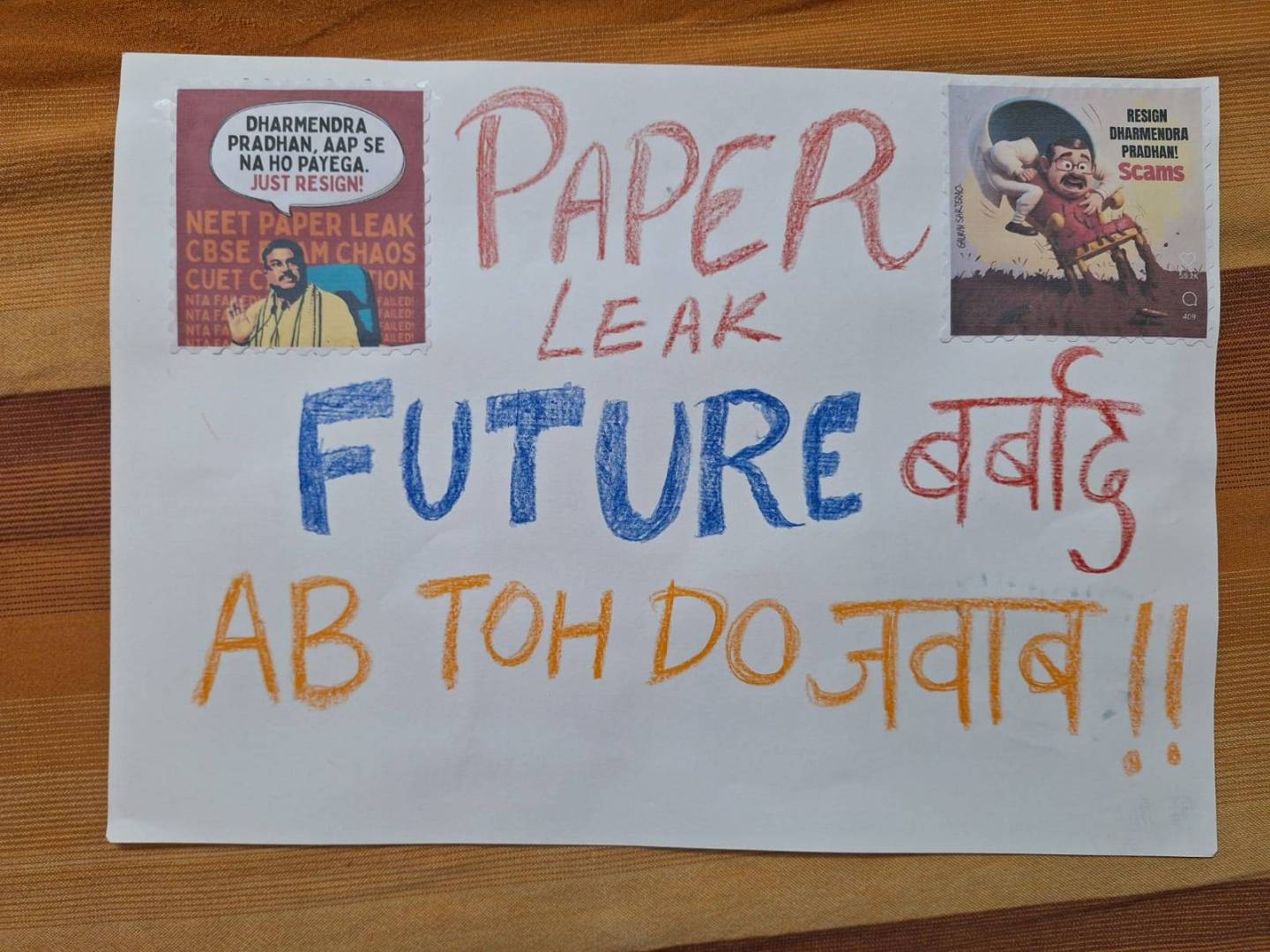

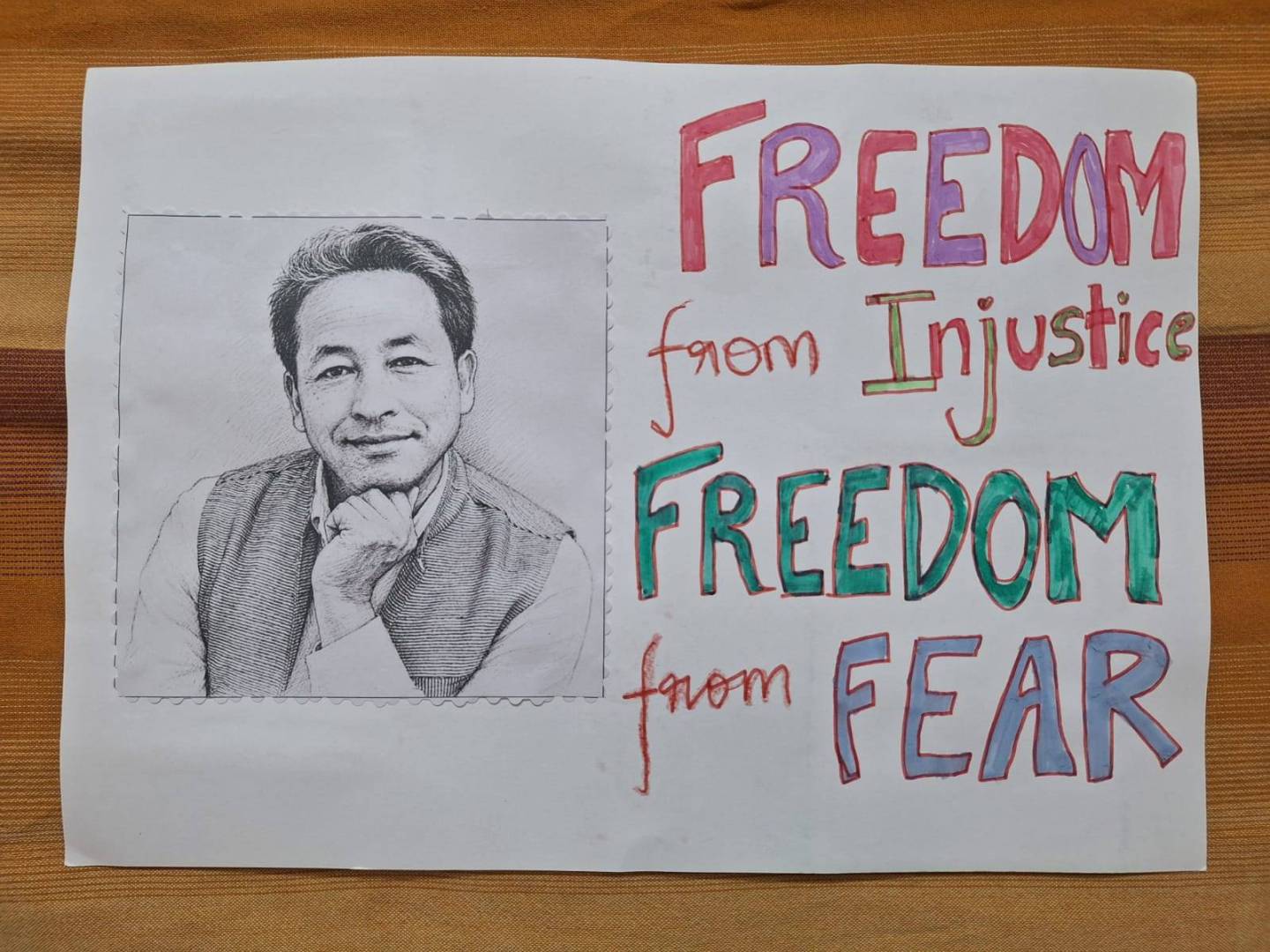
And yet, despite their upbeat mood and preparation, they were no match for the wrath of the state.
Their escapade last one and a half hours. “Even during the chaos after the lathi-charge began, people were helping one another. Passers-by gave us water to wash our eyes and faces,” Rhea says. By 1.30 pm, the friends made their way to Rajiv Chowk metro station, about three kilometers away from Central Secretariat.
But there too, all entrances except one were closed, leading to much time spent in a long, frustrated queue, with burning faces, tearful eyes and uncontrollable coughs. “The police themselves were creating chaos at the metro station,” says Rhea, who spent the rest of the day recovering from skin burns, chest pain and breathing difficulty.
The ongoing protests, which began in Delhi earlier this month and have since spread across India, were ignited after repeated paper leaks, cancellations and mismanagement of major national and regional examinations in the country that are taken by millions of students each year.
Rhea herself had faced a “glitch in the system” during the Common University Entrance Test (CUET) exam for admission to her undergrad, which had influenced her choice of course and college.
“The NEET exam leak affects all of us – even if we aren’t personally giving the exam, if future doctors are not educated or have simply bought their way into the system, it will affect the whole country,” she states.
Unlike one of Rhea’s male friends who faced opposition from his parents who were concerned about boys being more vulnerable to police assault, Rhea’s mother supported her decision to join the CJP rally on 20 July.
This was partly because their neighbor, Dr Parvathy, a holistic therapist and founder of the Stroke Awareness Mission, had gone to Jantar Mantar on 17 July and found it to be totally peaceful – even if the weather was hot and muggy. “I couldn’t believe many of these people had been camped there for so many days,” recalls Dr Parvathy, noting that, “What was glaring was the lack of media coverage or support from prominent voices.”
A day after Dr Parvathy’s visit, Sonam Wangchuk – who had been on a hunger fast for 21 days by then – was unceremoniously whisked away by the police to hospital, leading the movement into a wider revolt against what many young Indians now see as a deeply compromised higher education system and lack of accountability by the ruling BJP government.
Rhea further avers that the NEET paper leak was only the last straw – student frustration had been building up for a decade on a raft of issues. “Corruption, communal hatred, misgovernance, bad systems – people are sick and tired of this. It has all come bursting out now against the government. It’s their bad for neglecting these issues for so long.”
It’s time, she says, for the government to become more socially aware and socially active. “The new generation is all on social media. This government can’t hide their mistakes now.”
She dismisses those who try to spread disinformation on WhatsApp or even through news channels. “I don’t know why the BJP IT cell thinks it can get away with spreading misinformation or Hindu-Muslim hate propaganda online – AI tools like ChatGPT instantly identify what is factual and what is fake.”
She plans to go back to Jantar Mantar on Saturday – when more protestors are expected to attend, especially “the corporate workers, who don’t get leave during the week,” she says.
“I wanted to stay there, actually. Staying away is giving me FOMO.”
Discover more from eShe
Subscribe to get the latest posts sent to your email.
0 comments on ““We gave policemen flowers, got lathi-charged in return” – Delhi student on Jantar Mantar protest march”