


A few years after Shikha Agnihotri began her career in experiential learning in 2010, working with schoolkids from diverse backgrounds, she encountered deeply disturbing disclosures from children – including cases of incest – that she felt wholly unprepared to handle.
“One particular conversation gave me sleepless nights for days,” she shares. “The girl’s imploring eyes never left me. I started digging into what I could have advised her, how I could have helped.”
The Delhi-based educator visited several police stations, spoke with emergency room doctors, and consulted legal experts to understand how such cases are handled.
By 2015, she had identified a systemic gap in the handling of child sexual abuse (CSA) – schools were dismissive, police were limited in their capacity to act, and no structured support existed for children or educators.
This realization led her to pivot from experiential learning to child safety, eventually founding a consultancy Right Side Story in 2018, along with the nonprofit National Council for School Safety. “The two organizations have so far worked with 1,500+ schools across 40+ cities in India, from Tier 1 to Tier 3 cities, spanning Kashmir to Kanyakumari,” she shares.
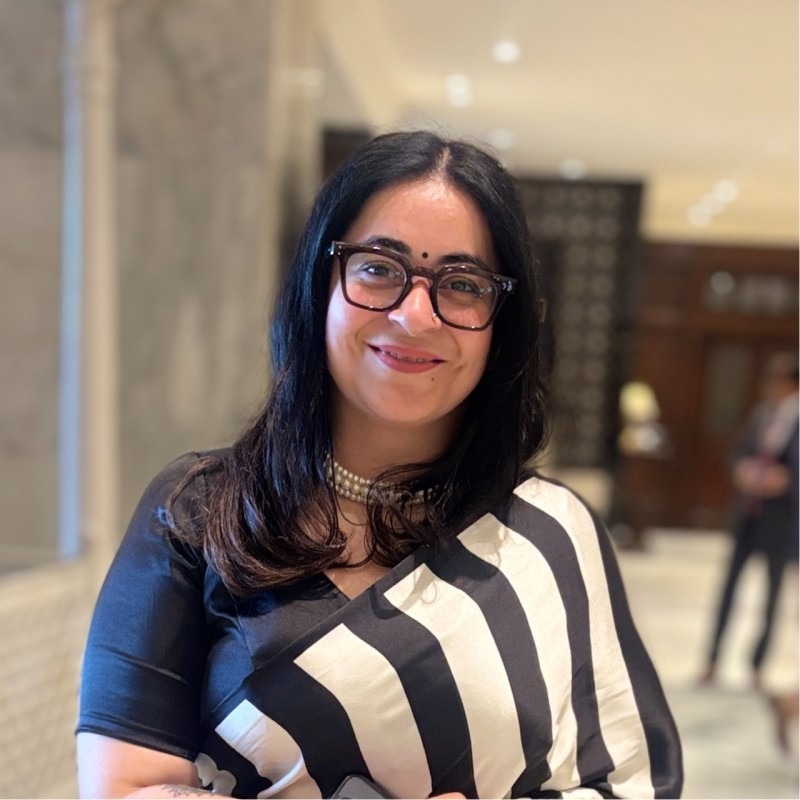
Their core offerings include safety audits, policy creation, staff training, student workshops (on issues such as bullying, puberty, mental wellbeing and anti-vaping), parenting workshops, and a pro bono school safety helpline.
“Most schools – including elite IB schools – rely on corporate lawyers who are not equipped to handle criminal law. Protection of Children from Sexual Offences Act (POCSO), Juvenile Justice Act, the Information Technology (IT) Act, and the Narcotic Drugs and Psychotropic Substances (NDPS) Act are all criminal laws, each carrying imprisonment clauses,” notes Agnihotri, who is government-certified on POCSO and Sexual Harassment of Women at Workplace (Prevention, Prohibition and Redressal) Act (POSH).
But why do institutions struggle to shift from crisis management to genuine prevention? “Honestly, because prevention is uncomfortable,” Agnihotri says. “It requires institutions to accept that something can go wrong, and most schools do not want to accept that reality unless they are forced to.”
It’s not just girls who are vulnerable to CSA. Agnihotri shares that 52 percent of child abuse complaints are filed by or on behalf of boys, and 48 percent by girls. She hastens to add that this figure likely reflects under-reporting by girls’ families rather than a true gender disparity in incidence.
Further, she says, “Boys’ disclosures are often dismissed or not formally reported by parents, particularly in cases involving male-on-male abuse.”
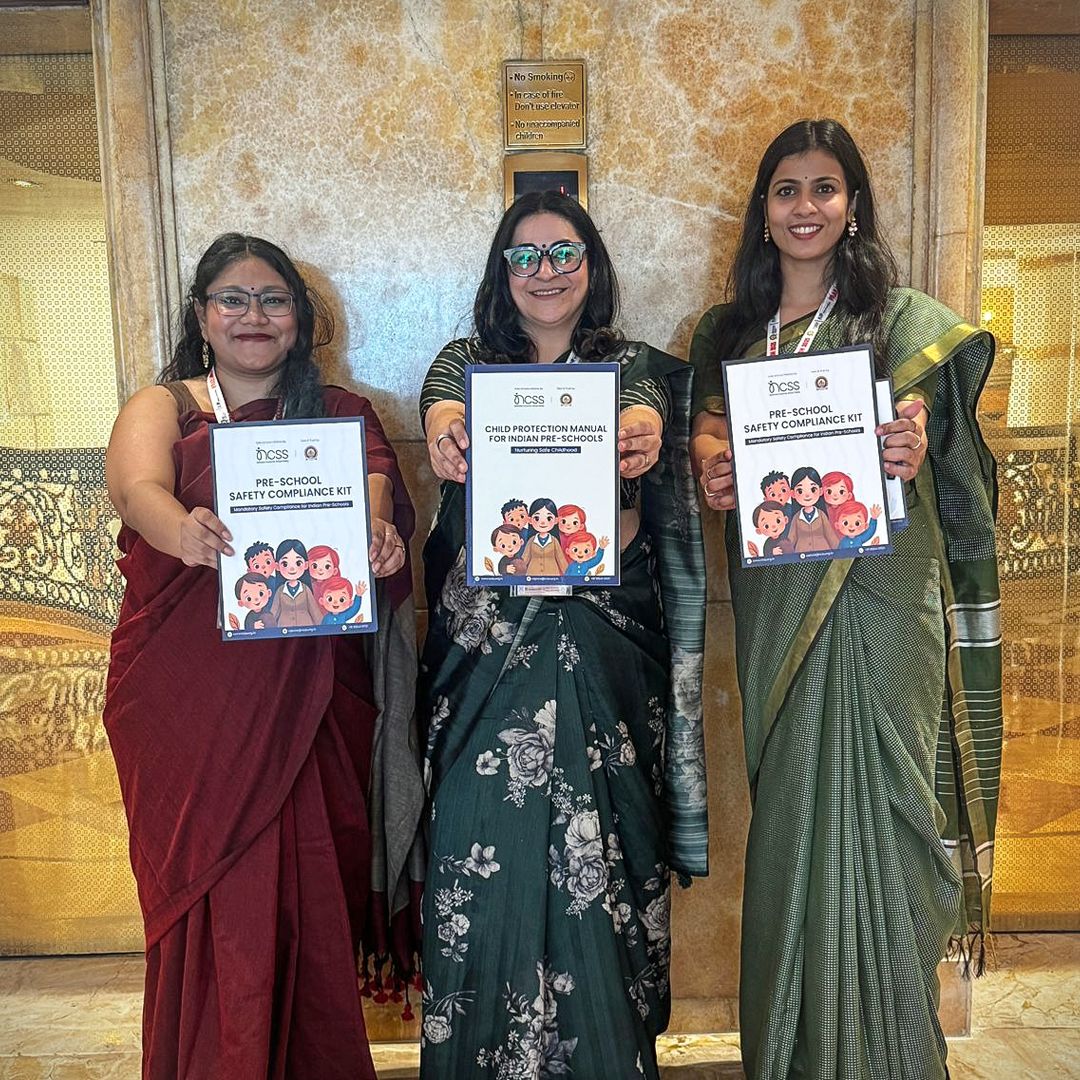
There is no doubt that POCSO has clear policy guidelines for schools. But as Agnihotri explains, it is a vast and complex document in reality and most schools struggle to “extract the relevant material and translate it into something practical”.
She narrates incidents of schools having CCTV systems, policies and training records all in place on paper. “But there is no system or accountability. Hence, when a situation arises, it is total chaos. Nobody knows what to do. They are clueless about who is responsible, who takes the lead, or who is to be informed,” she says with regret.
In the process, the most critical first 30 minutes post the incident are lost. “The fact is that without defined roles, structured processes and operational preparedness that is audited regularly, safety will always remain reactive,” states the 40-year-old.
A big part of this gap, she says, also comes from a common belief that “This will never happen in my school”. “That assumption creates complacency and prevents proactive systems from being built. What schools really lack is a clear, structured framework to execute these policies. This is the gap we are trying to address,” states Agnihotri, who completed a child protection law course from National Law University, Gujarat.
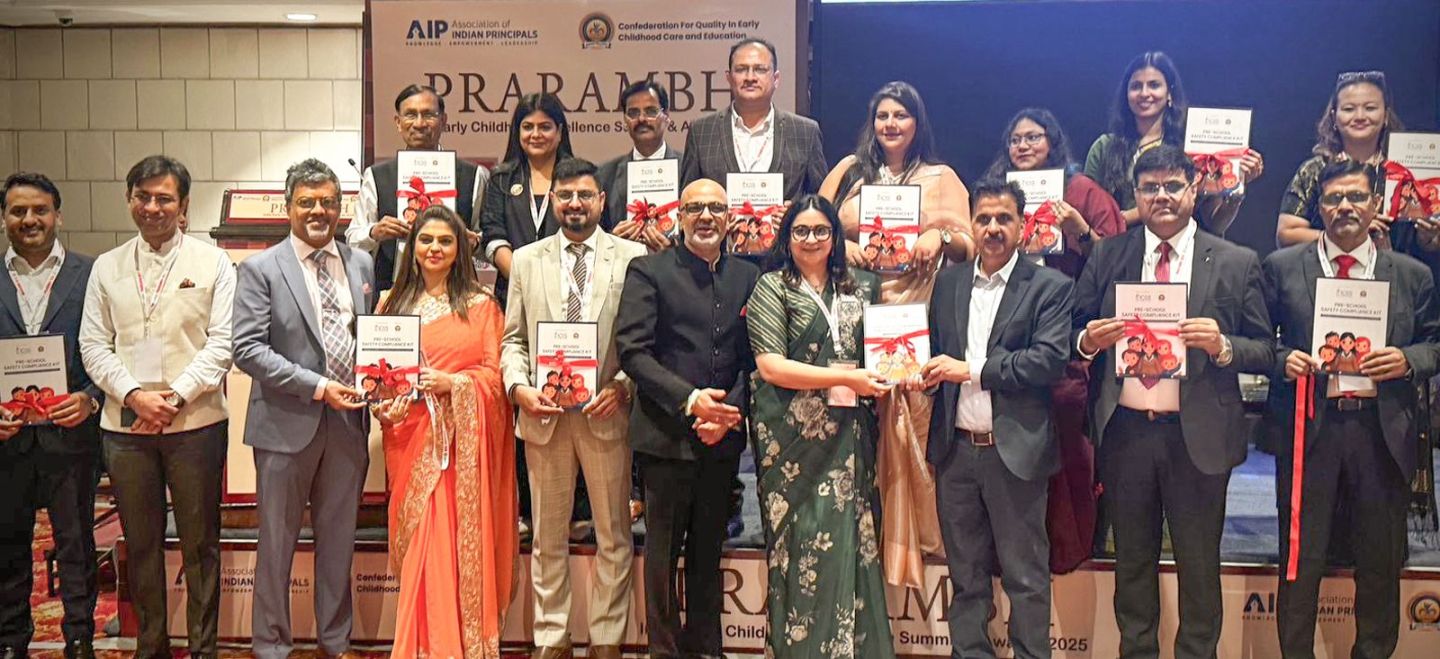
Her organizations work with schools to build tailored frameworks aligned with POCSO and National Commission for Protection of Child Rights (NCPCR) guidelines. “Frameworks that clearly define roles, responsibilities and accountability. The idea is to embed safeguarding into the everyday culture of the institution,” she says.
And yet, school educators continue to have common misunderstandings about what child protection really involves. “What is often missed is the psychological dimension of safety. Creating a safe environment now means building systems and cultures that allow children to speak up, express themselves and communicate when they feel challenged, uncomfortable or at risk,” says Agnihotri.
She adds that this requires clear, trusted ways for children to raise concerns, and a structured response that ensures those concerns are acknowledged and resolved. “Without this, even the most secure physical environment can fail a child.”
Agnihotri admits her personal journey has not been easy. “In the early days, it was overwhelming. I have spent nights unable to sleep, carrying the weight of the cases I was seeing. I have witnessed institutions shut down and families, especially parents, go through immense distress. Those experiences stay with you,” she admits.
Yes, over time, she says, “I realized that if I let emotions rule, I would burn out. I had to shift my focus to what I can do and where I can create real impact. That is where the idea of building structured frameworks came in. Frameworks that help schools move from reaction to preparedness. Frameworks that protect not just institutions, but more importantly, children.”
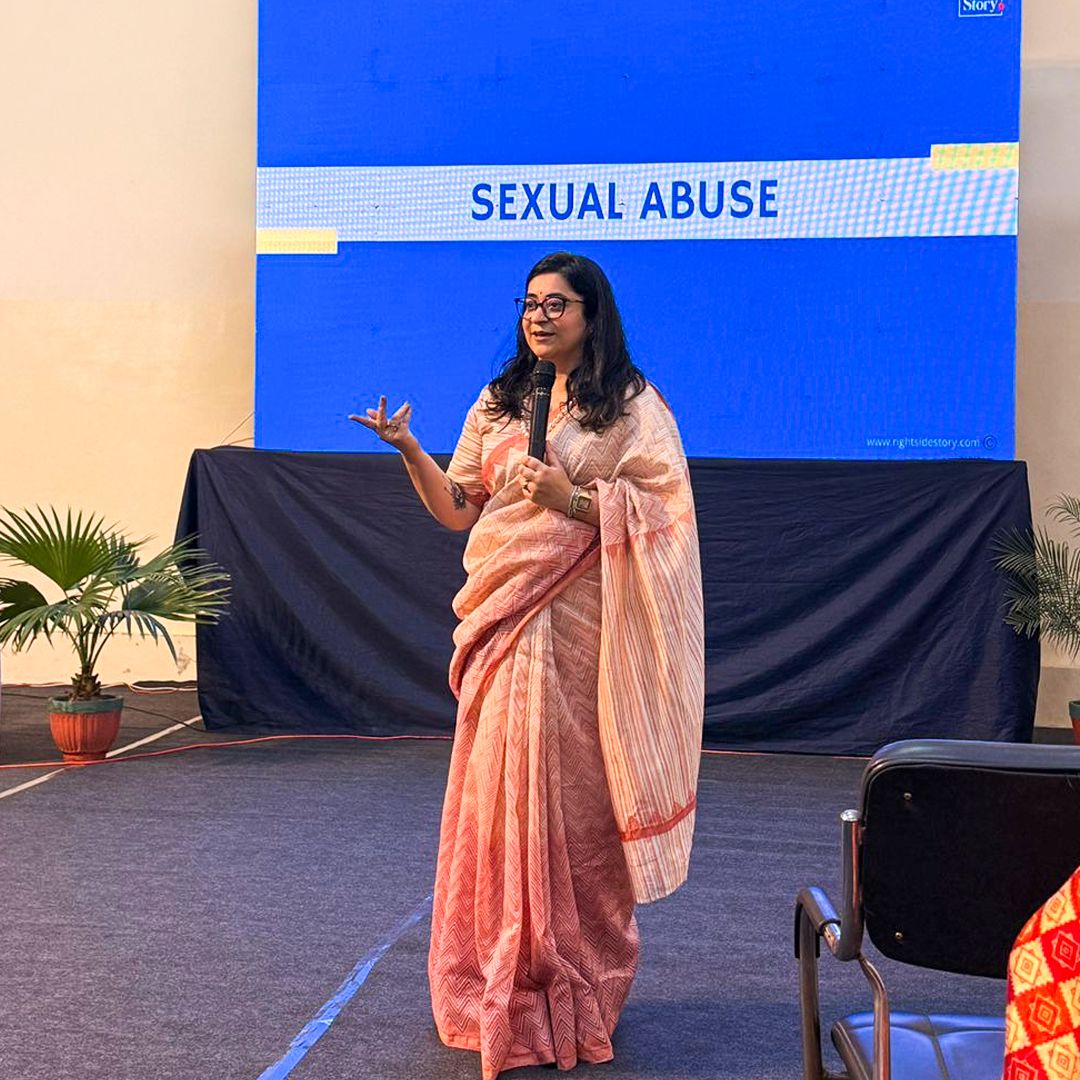
This change in mindset gave Agnihotri a sense of direction and balance, and allowed her to channel difficult experiences into something constructive. “Today, my resilience comes from knowing that every conversation, every framework and every effort to build awareness is helping schools become safer and more accountable. That is where I find my sense of purpose.”
Agnihotri’s advice for parents:
Agnihotri suggests that parents move beyond visible safety measures in place by schools, and ask very specific questions that test the school’s actual safety readiness.
- First, ask: how can a child raise a concern or report an issue within the school? Is there a clear, accessible system that children are aware of and comfortable using?
- Second, ask: who receives and handles that concern? Is there a defined point of responsibility, or does it get passed around informally?
- Third, ask: how is the child’s privacy protected? What systems are in place to ensure confidentiality and prevent further harm or exposure?
- And finally, ask about escalation and response. What are the timelines for action? How quickly is a concern acknowledged, addressed and resolved? How and by whom is the child informed about what has been done?
“These questions shift the focus from ‘Is the school safe?‘ to ‘Is the school prepared?’ Real safety lies not in compliance, but in how effectively a school can respond when something does go wrong,” she says.
Discover more from eShe
Subscribe to get the latest posts sent to your email.
0 comments on “How can we protect children from abuse? One educator’s mission to ensure school safety”