


A cross-border webinar on 10 April titled “Counting the Costs of Conflicts – Why Peace Matters” brought together activists, scholars and feminist voices from India and Pakistan to reflect on the human cost of war and the urgent need to rebuild a regional peace movement in South Asia.
Organised by the Pakistan India People’s Forum for Peace and Democracy (PIPFPD), the discussion ranged widely – from the lessons of recent conflicts in West Asia to the growing militarisation of politics, the role of nationalism and religion, and the gendered impact of war.
The webinar was dominated by women speakers from India and Pakistan – including academic Dr Saba Gul Khattak, filmmaker Vani Subramanian, human-rights defender Tahira Abdullah, journalist and documentary filmmaker Nupur Basu, writer and researcher Navsharan Singh, and others.
The forum emphasised that conversations about peace were especially important at a moment when public discourse in many countries is increasingly shaped by militaristic rhetoric. The webinar also served as a prelude to the forum’s forthcoming national convention in New Delhi from 18–19 April 2026.
The event began with political poetry recited by educationist and women’s rights activist Syeda Hameed and her reflections on the cultural and political traditions of resistance in South Asia. By remembering figures from across South Asia’s literary tradition who had spoken against war and injustice, Hameed sought to situate the peace movement within a broader cultural history of dissent.
PIPFPD was established in the mid-1990s to create a platform for dialogue between citizens of the two countries when official diplomatic relations were strained. The forum emerged from a moment when civil society actors realised that government representatives often deepened hostility rather than resolving tensions.
Rising hostility and shrinking space for dialogue
The talk highlighted how cross-border conversations have become increasingly difficult due to restrictive visa regimes and growing political hostility between India and Pakistan. Yet, as moderator Rita Manchanda argued, such interactions remain vital because they challenge official narratives that depict the two societies as permanently antagonistic.
She noted that civil society dialogue “defies these hostile visa regimes” and offers an alternative to policies that seek to keep people divided. Manchanda, a Delhi-based author and peace activist who is a founding member and currently the co-chair of PIPFPD’s India chapter, also expressed concern about the rise of nationalist propaganda and media narratives that portray the neighbouring country as inherently violent or hostile.

Citing the recent Bollywood blockbuster Dhurandhar 2, she argued that such portrayals normalise the idea that military confrontation is the natural mode of communication between India and Pakistan.
The discussion linked these trends to broader geopolitical tensions, including the latest US-Israel military assault on Iran, which many speakers saw as offering sobering lessons about how quickly crises can escalate into full-scale warfare. The possibility of nuclear warfare, Manchanda warned, makes such developments particularly alarming.
War as emotional and human devastation
A central theme of the webinar was the human cost of war. Pakistani economist and policy expert Dr Saba Gul Khattak emphasised that wars cannot be understood purely through strategic or geopolitical analysis; they must also be understood as deeply emotional experiences for societies.
“Wars are felt… they are emotionally experienced,” she said, arguing that the suffering they cause is often invisible to those making decisions about military action.
Modern warfare, she observed, increasingly resembles remote “video-game” operations in which decisions are executed through drones or long-distance strikes. For those launching the attacks, the process may appear clean and technical, but the consequences on the ground are devastating.
“You click a button and you wreck a country – you wreck homes, you wreck lives.”
Dr Saba Gul Khattak
Even when physical infrastructure is rebuilt, the emotional trauma remains for decades. Parents who lose children, students who lose teachers, and communities displaced by conflict carry wounds that cannot easily be repaired. “The bridges, the roads, the infrastructure will be built,” she noted, “but the inability of a mother to feed her children properly cannot be rewritten or redone.”
Khattak also argued that recent wars have blurred – or entirely erased – the distinction between civilians and combatants. Schools, hospitals and universities have increasingly become targets, undermining the very principles of international humanitarian law.
Media narratives and information control
Another issue raised during the discussion was the role of media and information control during wars. Participants such Pakistani lawyer-activist Rukhshanda Naz and Indian journalist and documentary filmmaker Nupur Basu noted that governments often downplay their own losses while exaggerating those of their adversaries, creating distorted narratives that shape public opinion.
Social-media algorithms, participants noted, have intensified this dynamic by allowing people to consume information that reinforces their existing biases. As a result, audiences often follow viral narratives rather than verified information.
At the same time, governments across the world increasingly impose restrictions on communication during conflicts, including internet shutdowns and the arrest of individuals sharing images from war zones. These measures further obscure the humanitarian impact of war.
Feminist perspectives on conflict
A major focus of the webinar was the gendered impact of war and militarisation. Feminist activists participating in the discussion argued that conflict disproportionately affects women while also reinforcing patriarchal political structures.
Indian feminist activist and filmmaker Vani Subramanian traced how feminist movements have historically opposed war, drawing connections between militarism, religious fundamentalism and gender oppression. According to her, nationalist mobilisation often uses women symbolically – invoking their suffering or honour to justify military action such as in India’s naming of Operation Sindoor in 2025 – while simultaneously marginalising their voices.
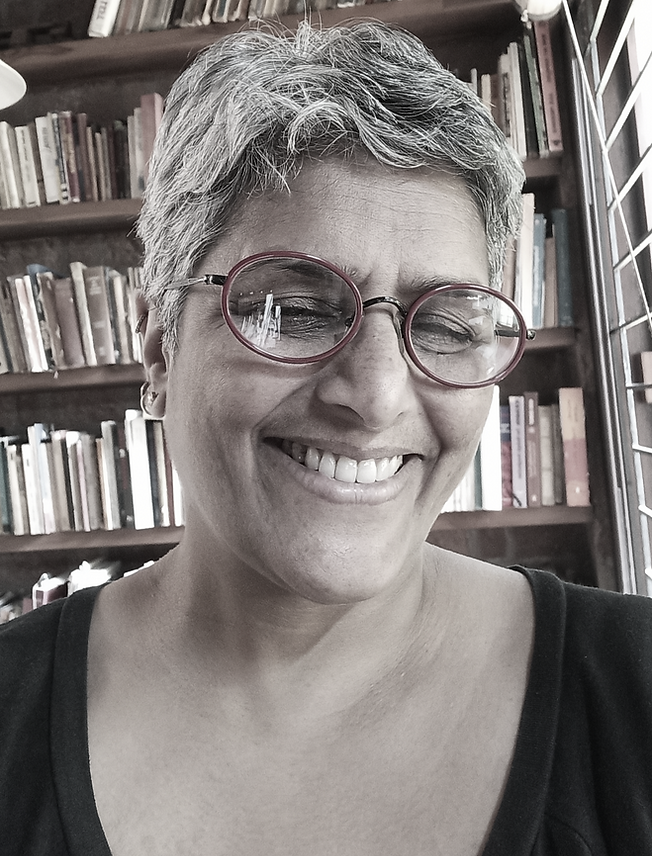
She argued that militarised nationalism frequently turns women into symbolic markers of community identity. “Thousands of women [are] living through the burden of bearing the honour of nation and community in war after war,” she observed.
Subramanian also pointed to the way nationalist rhetoric spreads beyond the battlefield, shaping everyday politics within societies. Jingoism, she said, can become an effective political tool because it diverts public attention from economic hardships, social inequality and restrictions on democratic freedoms.
“Nationalistic fervour… becomes almost a ‘sexy tool’ for mobilisation,” she said, warning that such narratives often distract citizens from pressing domestic issues such as unemployment, shrinking opportunities and restrictions on freedom of expression.
“Where are the women?” asked Pakistani human-rights defender Tahira Abdullah, referring to the glaring absence of women experts at global peace tables and conflict negotiations, despite UN Security Council Resolution 1325 being in place since 2000.
Addressing shared challenges
Notwithstanding the grim assessment of current global and regional politics, the webinar concluded on a cautiously hopeful note. Manchanda stressed the need to rebuild a “peace constituency” across South Asia – one rooted not only in diplomatic engagement but also in civil-society collaboration.
Peace activists, such as those involved in PIPFPD and SAPAN (Southasia Peace Action Network), have long maintained that cross-border dialogue remains essential for challenging the idea that India and Pakistan are destined for perpetual hostility. By sharing experiences and confronting difficult political questions together, they believe citizens can help shape alternative narratives of cooperation.
Navsharan Singh emphasised that peace is not merely the absence of war but a broader commitment to justice, equality and democratic freedoms. Building such a peace, participants agreed, requires sustained effort at the grassroots level – from defending minority rights to challenging militaristic rhetoric in everyday politics.
The crux of the webinar was that peace must be imagined not only between states but also within societies themselves. In a region marked by deep historical wounds and persistent political tensions, that vision remains both difficult and necessary.
Discover more from eShe
Subscribe to get the latest posts sent to your email.
0 comments on “South Asian women activists call for peace dialogue amid rising military conflicts worldwide”