

By Anushka Roy
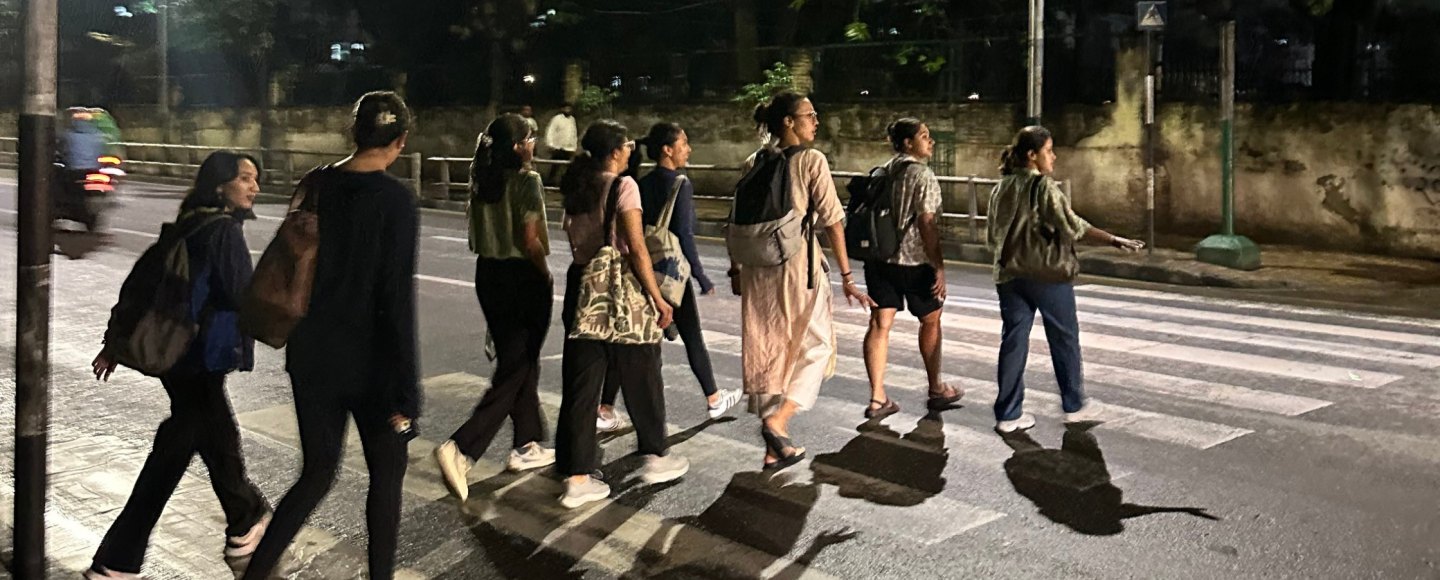
It was a winter night in 2016 when theatre artist Mallika Taneja led the first official walk of ‘Women Walk at Midnight’ (WWAM), an activist practice of women walking together at night to enjoy and claim their place in the city. Taneja was a part of a group of around 20 women who had decided to walk together in central Delhi that night.
Suddenly, a brawl broke out. The white, colonial buildings of Connaught Place became a stage for a bloody and silent fight: a group of men jumped off their bikes, had a furious exchange in sign language, and began assaulting each other. Two women had accompanied these men, and they grew nervous as cars started to slow down to watch the fight.
The 20 walkers incredulously witnessed this secret theatre: they could not understand sign language, and they did not know these strangers. But Taneja recalls feeling like it was about the women. Suddenly, for just a split second, the men were distracted, and the two women saw their opportunity.
“[They] tucked themselves into our group and walked away with us, using our group of women as a shield,” Taneja recounts. “Not for very long, just to get away a little bit and walk off.”
Reflecting on this early encounter, Taneja notes that while it revealed the clear distance – created by different languages, contexts, and lives – between the two women and the rest of the group, it also showed “what the presence of women could do”.
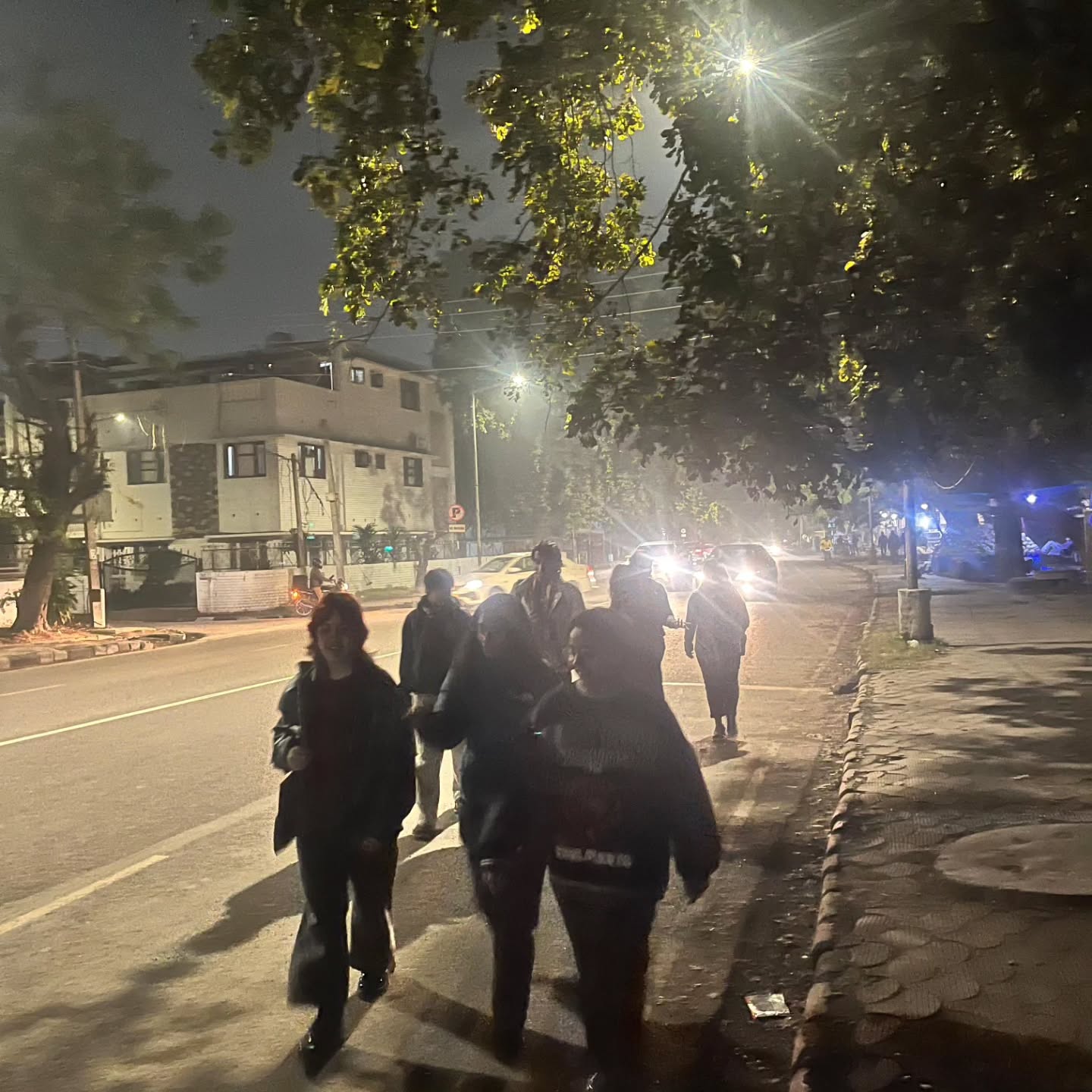
Since 2016, WWAM has opened chapters across India and internationally, and its popularity reveals how walking in public at night can be an act of reclamation and resistance for women in cities around the world.
WWAM is a non-ticketed, non-sponsored and volunteer-based practice. It was initiated by Taneja in 2016 in New Delhi – a city actively grappling with the issue of women’s safety and lack of freedom after the brutal Nirbhaya rape case in 2012.
Drawing inspiration from Maya Krishna Rao’s theatre piece Walk, at the heart of the movement is walking without permission. Their website states, “We walk because we can.” In a city like Delhi, which is ranked one of the lowest in India when it comes to women’s safety according to the National Annual Report and Index on Women’s Safety 2025, this is no simple feat.
Walking becomes a complicated practice when you are a woman traversing through streets that are poorly lit, patrolled by policemen who are difficult to approach, and teeming with catcallers. The very design of cities like Delhi preys on women. On a deeper level, women’s lack of safety and belonging in Delhi’s urban public spaces is a product of a socio-cultural climate that favours the public participation of men and the male gaze.
When Taneja walked through the lively Hauz Khas village late at night with a mixed group of men and women, she recalls being ogled at and catcalled. “I think Delhi is telling you, time and time again, if only through its very invasive gaze, that you [a woman] are not supposed to be here,” Taneja reflects. “And if you are here, you will be consumed.”
Taneja’s lived experience echoes that of many women in the city: a study published in The International Journal of Environment Sciences on women’s perceived safety in Delhi’s public spaces shows that social and cultural factors like women’s low participation on the community level and the lack of women-friendly urban design significantly contribute to women’s insecurity in public spaces.
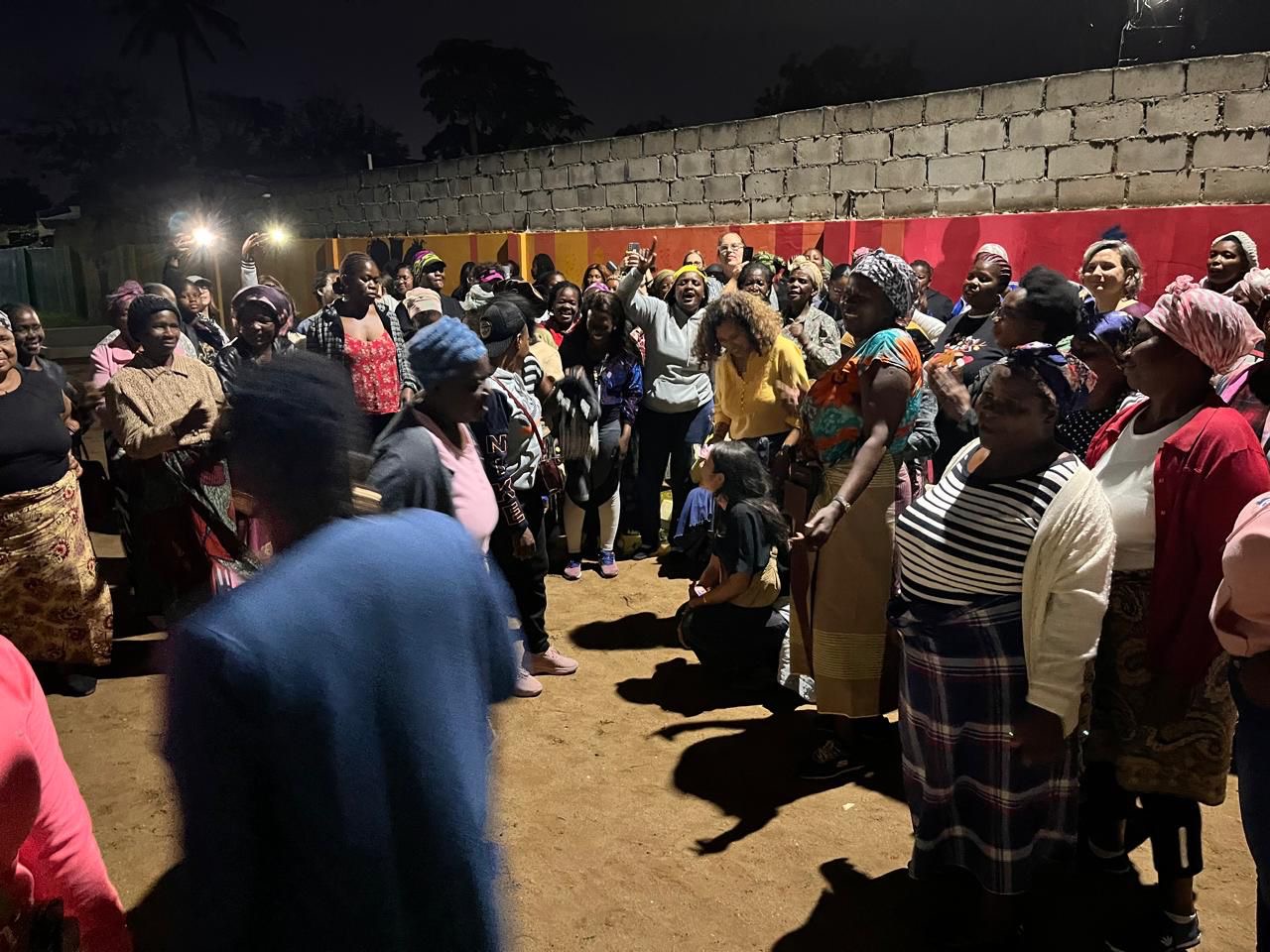
The hostility of urban public spaces towards women is not a phenomenon limited to Delhi. In 2022, nearly 13,000 kilometres away, professor of sociology at the University of Cape Town Dr. Amrita Pande opened a chapter of WWAM in Cape Town, South Africa.
“In almost all the countries that I have inhabited, I have not felt that there has been any moment where I could let my guard down as a woman, especially at night in public spaces,” Pande says. She emphasises how walking around is not common in Cape Town.
However, while the fear of being mugged or held at gunpoint is present regardless of gender, it is amplified for women, who would likely face acts of greater physical and sexual violence.
Pande also notes how, in the particular context of Cape Town, the act of walking is not so much a reclamation as a rediscovery: she explains that the apartheid history in the country has shaped a city that remains spatially segregated.
Walking at night with women from a diverse range of neighbourhoods – from middle-class suburbia to informal settlements – challenges a history of division. “I learnt so much about all the 36 different neighbourhoods that we’ve walked through in the past couple of years,” Pande reflects. “I wouldn’t have dreamt of doing that, because it just doesn’t come normally to South Africans to explore beyond their own [spatial bubbles].”
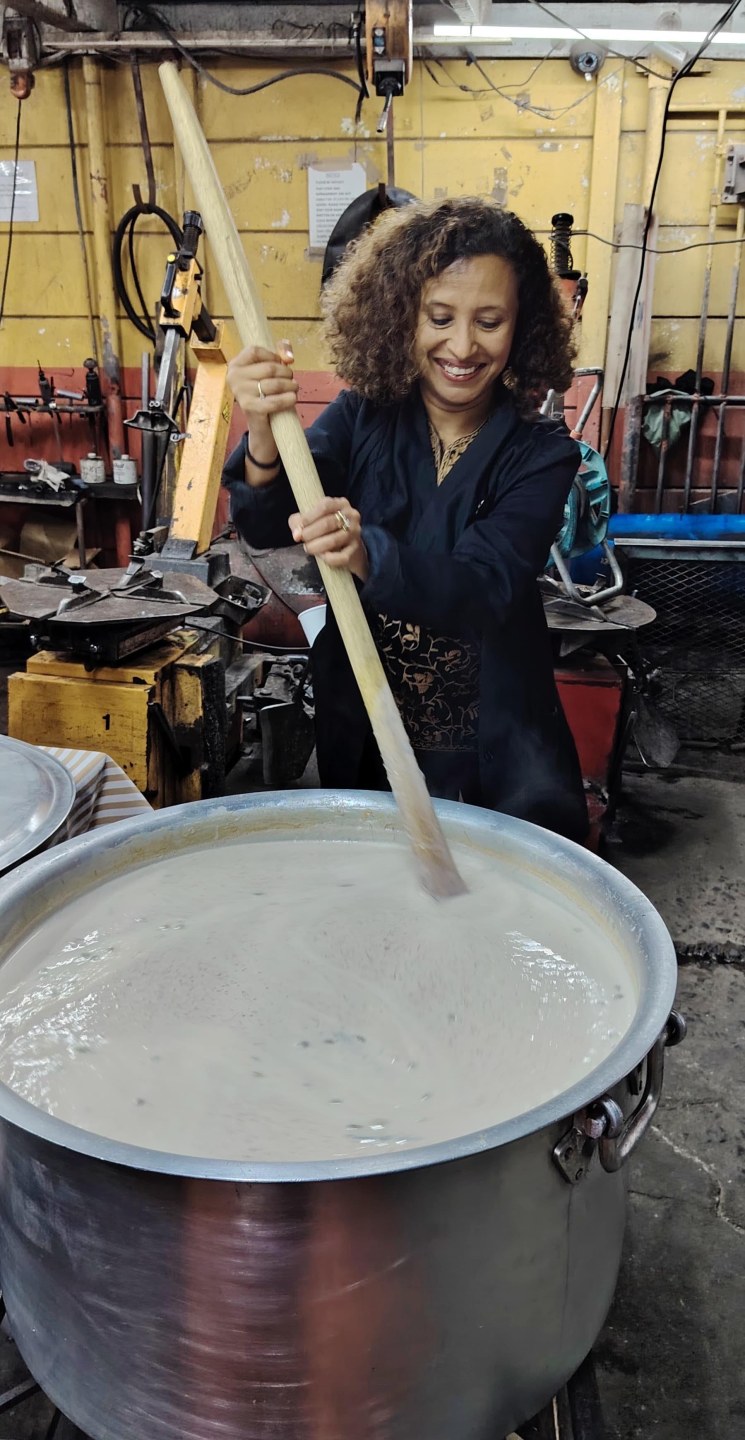
This sentiment resonates with a great number of women in Cape Town: the first walk in the city amassed only 22 participants, while walks today draw an average of 100–250 women. “I wanted to access the night without fear,” Pande shares. “I wanted to access the night with joy, and I should be able to, so I did it.”
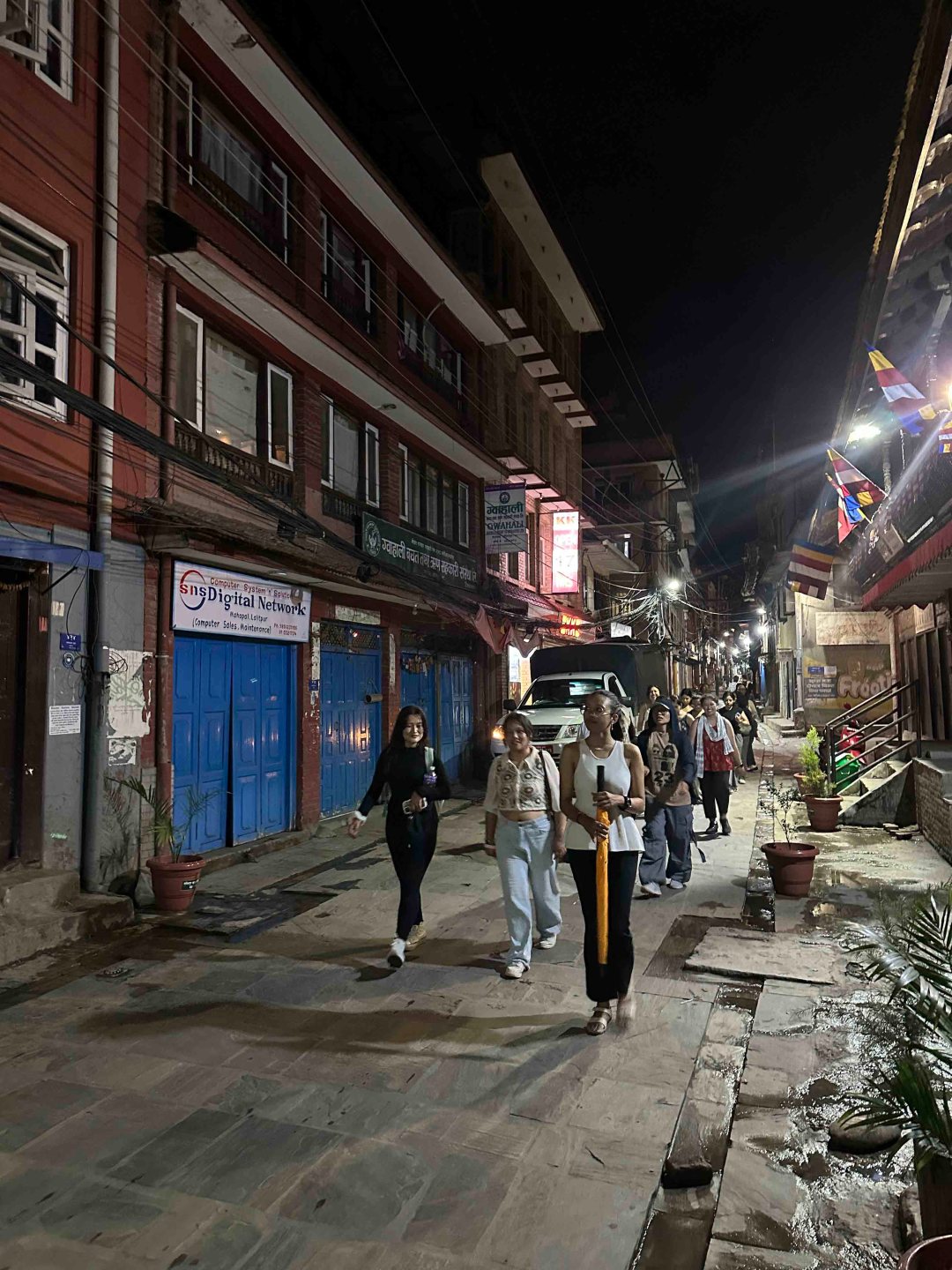
In July, 2025, Samikshya Bhattarai and two of her friends opened a chapter of WWAM in Kathmandu, Nepal. Bhattarai found out about the practice while studying at Jawaharlal Nehru University in New Delhi. But it was a 30-minute walk late at night with a female friend, from the buzzing neighbourhood of Thamel to her home, that pushed her to start a chapter in Kathmandu.
“It was scary… there were people passing comments, there were drunk men, and that made me think ‘okay, this [practice] is what we really need’,” she says.
In Kathmandu, women are often limited to the private sphere, whereas men inhabit the public sphere. “You barely see women, especially in Nepal and elsewhere in South Asia, going out for the sake of leisure,” Bhattarai says. “For a woman to go outside, she always needs a purpose.”
She notes how this division is internalised, eventually leading to archetypes of ‘good’ and ‘bad’ women that are passed down through generations like folklore. “There’s this idea that the women who go out at night are ‘bad’ women,” observes Bhattarai, explaining how safety concerns and gender norms construct a relationship between respectability and women’s participation in public spaces.
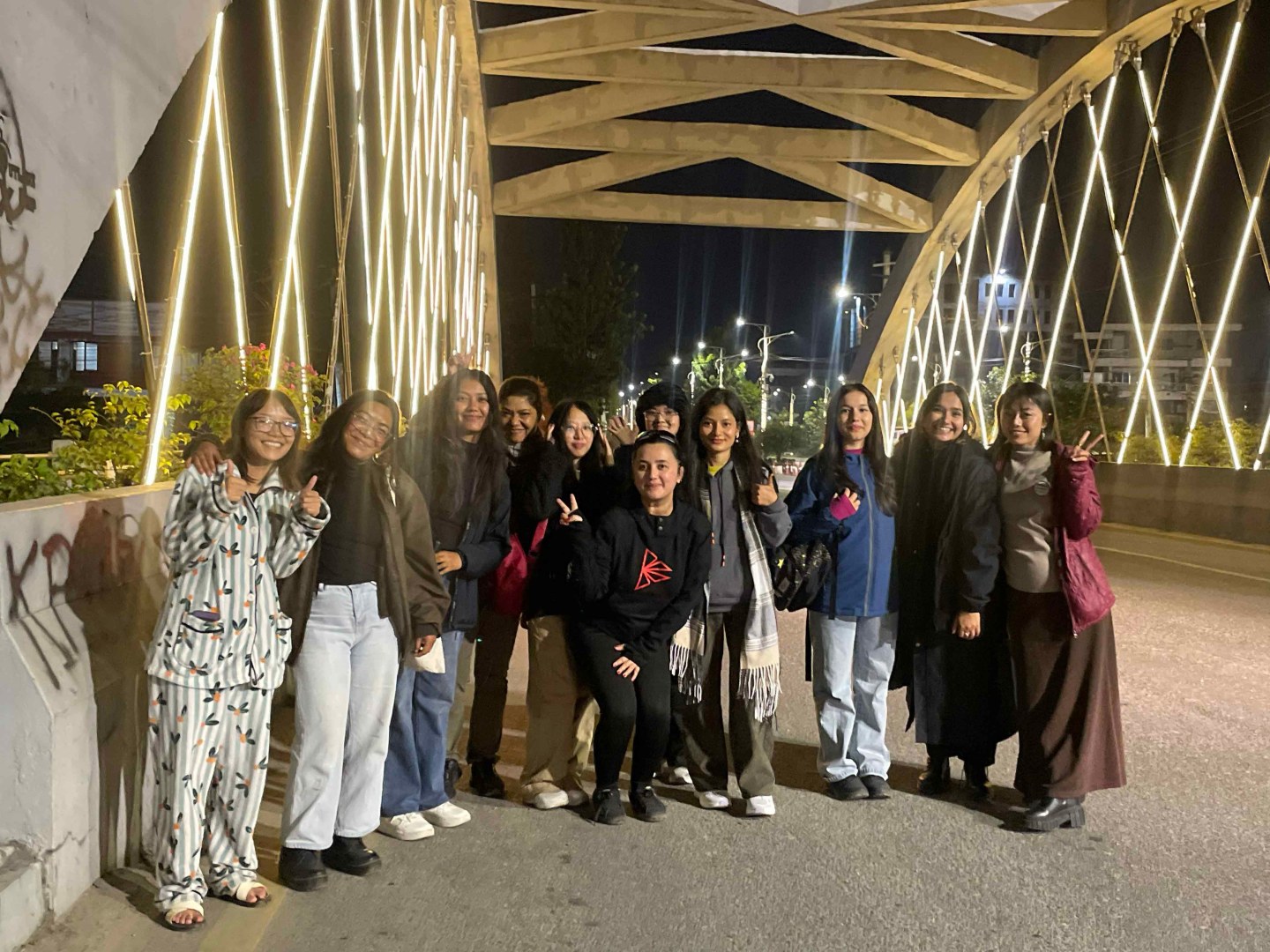
Across these cities, women asked themselves: why walk together, at night? Taneja, in Delhi, lays out how the city diminishes a woman: “It’s an eating up through the eyes, through touches, through violent language… it takes away something from you. It takes away your personhood, in a way,” she says.
In the context of a hostile city, women walking together can provide a brief moment of rest and a chance to feel like a person again. “We are able to, by being in a group, reclaim some of this [personhood] because, I think, when we’re all together, we have the freedom of forgetting what is around us,” Taneja confesses.
Pande, walking in Cape Town, notes how the fear of a city at night burrows into your bones and makes your muscles heavy. Walking, then, becomes a form of release. “Only when you relax in a situation like this for the first time do you realise what it is like to not embody that fear,” she shares.
In almost a decade, the movement has resonated beyond the context of Delhi to several others – from Jaipur, Chandigarh, Bangalore and Kolkata in India to elsewhere in the world like Damak, Johannesburg and Paris.
In cities that often prey on women, it can be difficult to stay dedicated to this practice. Reflecting on this, Taneja says, “We all have our reasons to start, but until you can see a reason to stop, why would you stop?”
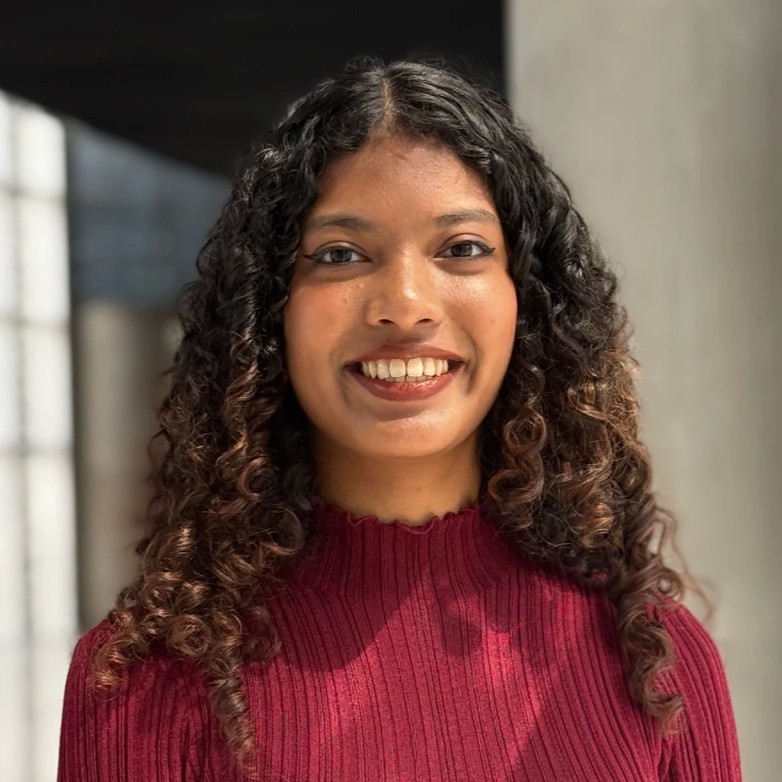
Anushka Roy is a writer, researcher and artist. She is currently studying journalism and politics at Northwestern University in Qatar.
Women Walk at Midnight is a global practice of women walking together at unsafe hours of
the night on the streets of their cities. The practice started in New Delhi in 2016.
Lead image: Women Walk at Midnight, Kathmandu, Nepal, June 2025 (Photo: Samikshya Bhattarai)
Discover more from eShe
Subscribe to get the latest posts sent to your email.
 eShe
eShe 
0 comments on “Delhi to Kathmandu to Cape Town, these women’s groups are reclaiming cities past nightfall”