

By Sapphire Mahmood Ahmed
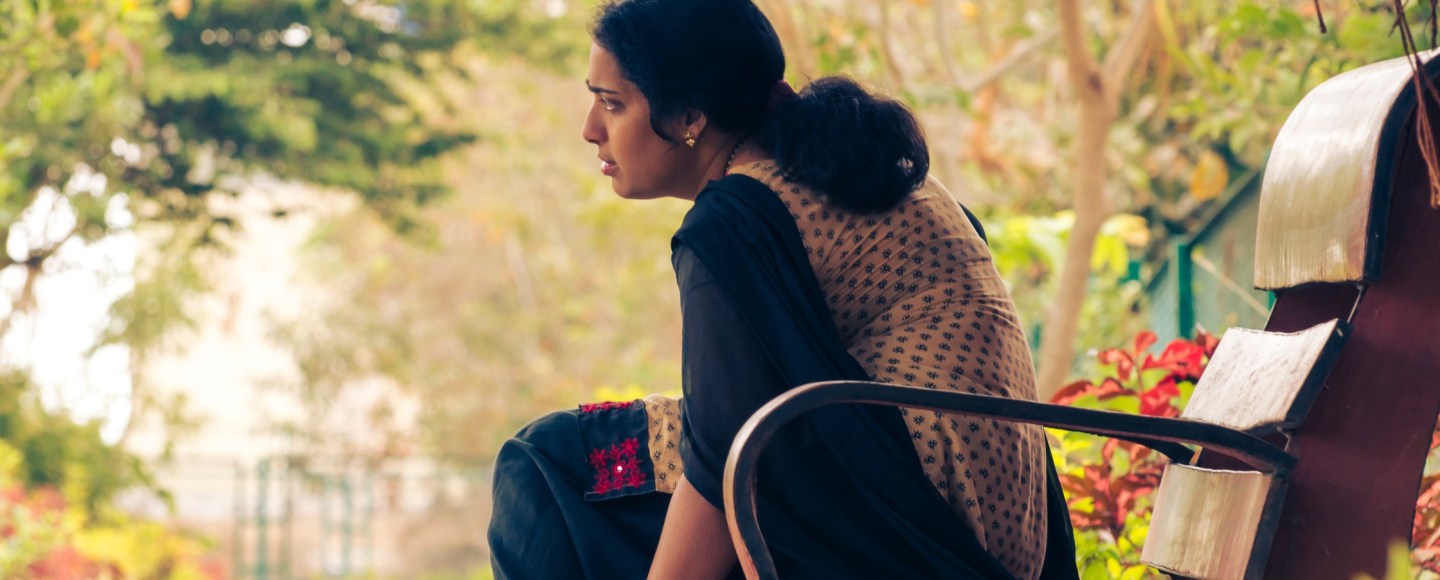
Motherhood is often celebrated as the most important turning point in a woman’s life. Across India, it is not only a milestone but, in many families, seen as the ultimate fulfilment of womanhood.
From the moment a woman marries, pressure to conceive begins. Advice comes in abundance: “You should have a child early; the older you get, the more complicated it becomes.”
Yet, in many parts of India and especially my home state of Kerala, no one warns a woman about what happens after delivery. Once she gives birth, the expectation is that her work is done, her role fulfilled. Emotional emptiness, exhaustion, anxiety and self-doubt are ignored.
Instead, society judges her: for how she holds her baby, how she feeds it, how she manages household responsibilities, how she manages herself. Even educated women face the same questioning: “You have everything; why are you sad?”
In Kerala, postpartum care is embedded in ritual. For generations, postpartum rituals have been presented as an unbroken thread linking women to ancestral wisdom. They are described as healing and protective, meant to rebuild the mother’s body, restore warmth and shield her from infection.
But over time, the meaning of these practices has drifted. What may once have offered comfort has, in many homes, turned into a rigid script that leaves little room for a woman’s emotions or needs. The same rituals that promise care often end up restricting mobility, privacy and autonomy at the very moment she is most vulnerable.
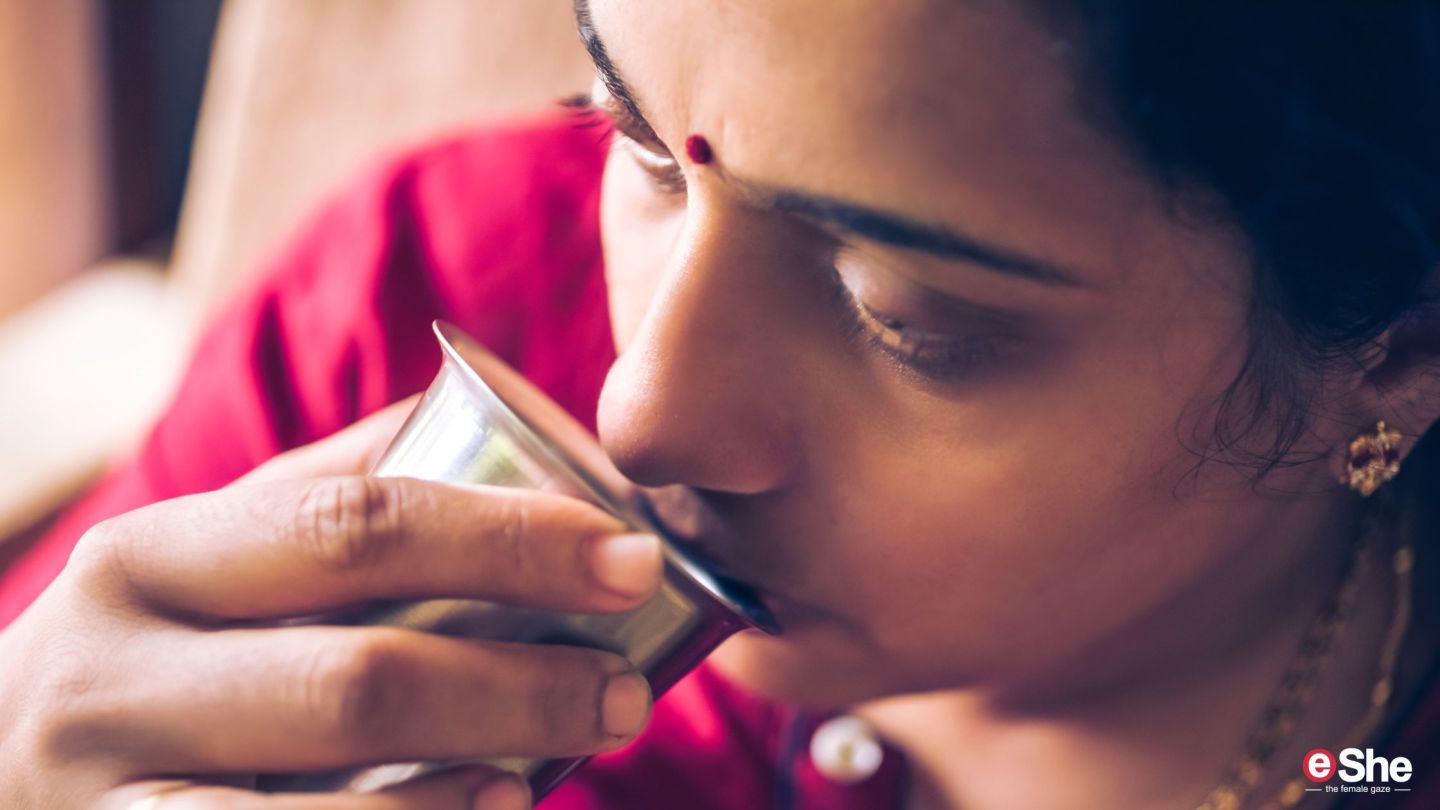
The room chosen for a new mother is almost always the darkest, quietest, most insulated space in the house. In theory, it is meant to protect her from cold air and unwanted visitors. But in practice, it becomes a kind of emotional quarantine.
She sits alone with her baby for hours, her world reduced to four walls, the smell of oil, and the sound of neighbours carrying on with their day outside. The body is already fragile, torn, leaking, aching, and now the mind begins to shrink too, starved of conversation, touch and sunlight. The obligation to breastfeed every two hours, and to appear happy turns care into confinement.
Even the rituals that claim to be restorative can become sites of fear.
Many new mothers speak of the hot-water bath as the most painful part of the postpartum period. Water heated to extremes is poured or splashed onto the abdomen in the belief that it “shrinks the womb” or “drains impurities”.
One young mother told me that the woman appointed to bathe her insisted on pressing her stomach while pouring scalding water over her skin. She said she cried out from the burning sensation, but her pain was dismissed with, “This is how it should be. We suffered too.”
What is framed as care often becomes a re-enactment of older women’s own unprocessed trauma. Expressing fear, pain or sorrow becomes dangerous. Judgement and shame follow.

The postpartum rituals, claimed to be cultural practices, would be harmless if they genuinely supported women, but they often mask deeper emotional suffering. Feeding the mother is another ritual wrapped in duty. She is urged to “eat for two”, even when she is nauseous, anxious or constipated.
Sleep is fractured into two-hour windows because the baby must be fed on schedule. In many homes, she is discouraged from stepping out of the bedroom, from speaking freely, or from sitting with her own family.
These instructions may have come from a place of tradition, but their emotional consequences are rarely acknowledged. Isolation, sleep deprivation, hormonal swings and physical pain together create the perfect storm for postpartum depression, but the signs go unnoticed because the mother is expected to remain grateful, calm and composed.
When such suffering is ignored or dismissed, the consequences can be devastating. The silence can be fatal.
In April 2025, young Kerala mother Divya Johny allegedly ended her own life. In 2021, she had killed her three-and-half month baby due to severe postpartum depression, aggravated by emotional abuse by her husband’s family. This is a stark reminder of what happens when emotional pain is ignored.
Postpartum mental health remains the most invisible crisis in Kerala, masked by cultural expectations, moralised ideas of motherhood, and assumptions that a healthy birth guarantees happiness.
Women often struggle in silence because social and familial expectations demand it. Emotional distress is normalised, minimised or dismissed as hormonal fluctuations, immaturity or Western influence. Seeking help can be interpreted as weakness, overreaction or failure to cope.
For women dependent on family support, financially, logistically or socially, accessing therapy is often impossible. Husbands and men, even when willing to help, are often culturally constrained from intervening, leaving women to navigate these challenges largely alone.
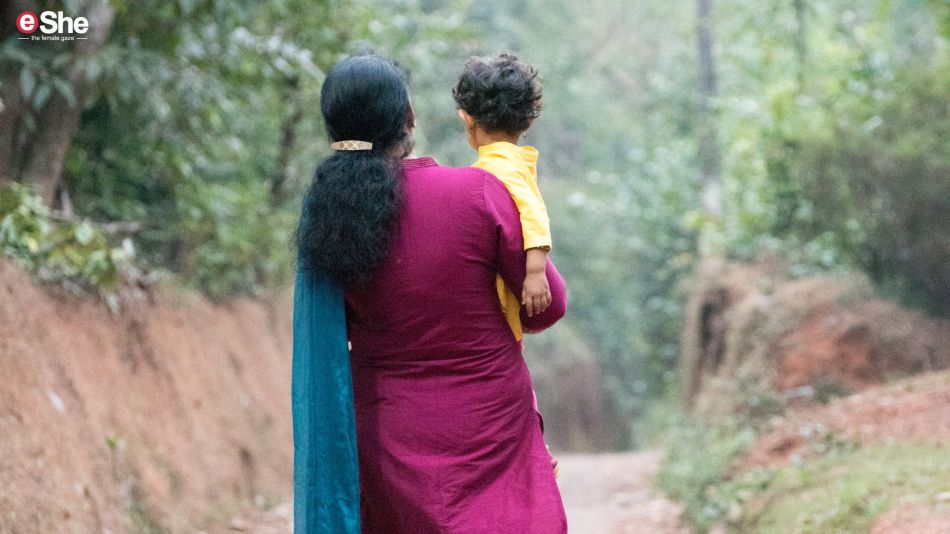
The problem is systemic. Mental distress in India, as highlighted in a recent report, is not merely personal but structural. Economic insecurity, political anxiety, social isolation and changing community dynamics all contribute to widespread suffering.
These pressures are compounded for women by persistent gender norms, resulting in a disproportionate mental-health burden.
In Kerala, despite high literacy, robust healthcare indicators and progressive reputations, emotional suffering for women is woven into the very fabric of their daily lives. Therapy is rarely seen as part of social infrastructure. It is treated as a private failure, something to hide, correct or spiritually absolve.
Emotional invalidation is compounded by lack of awareness: many women do not know that their sadness, anxiety, or fatigue are symptoms of depression or trauma. Without education, supportive structures or therapy, distress persists, often silently, sometimes fatally.
What we urgently need is a cultural and systemic shift. Therapy should be normalised and de-stigmatised. Families must actively support emotional wellbeing, validating the struggles of women and enabling access to help. Postpartum mental health screening should be made mandatory at hospitals, and follow-up visits must include assessments of emotional as well as physical wellbeing.
Community-based support networks, trained health workers and accessible mental health professionals are essential. Public narratives that name the pain, share real stories and break the taboo around emotional suffering can foster empathy, awareness and intervention.
Women’s mental health is not a private issue. It is a public, social and moral responsibility. The question is whether society is ready to recognise and care for the invisible wounds women carry, and to build the systems necessary to address them. Only then can motherhood, and life beyond it, be something lived with support, dignity and compassion.
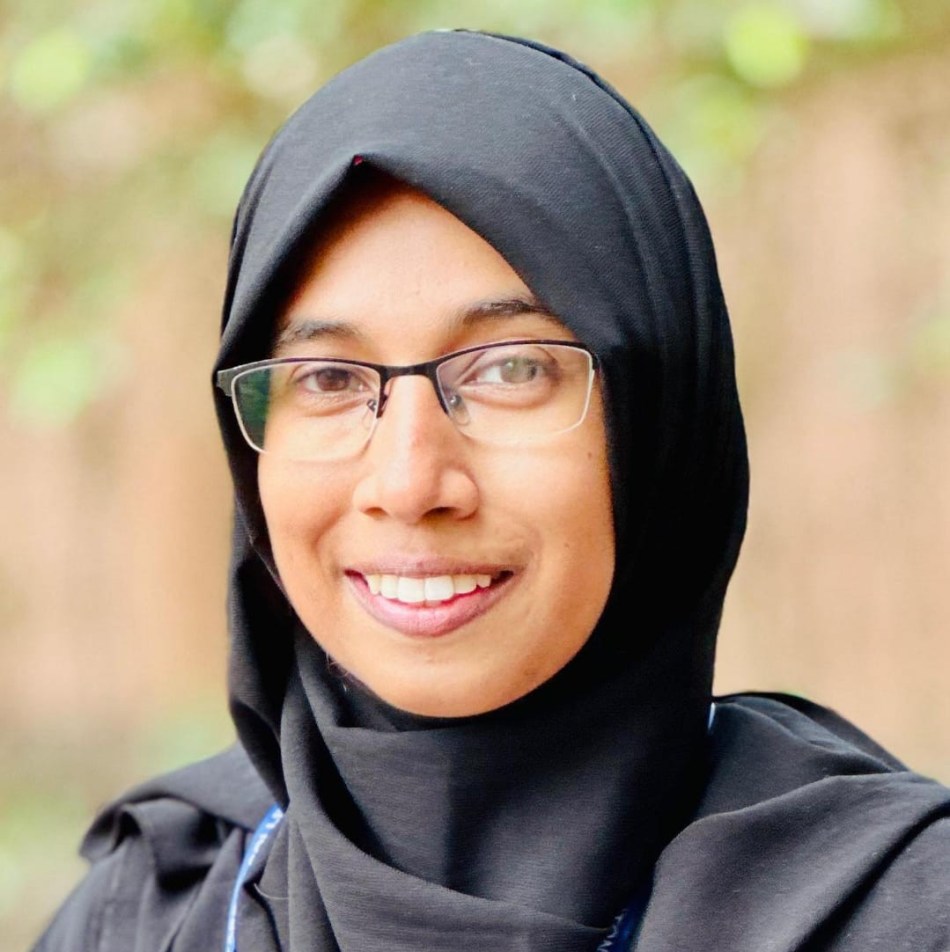
Dr Sapphire Mahmood Ahmed is a researcher, academic and writer whose work focuses on gender, culture and women’s everyday experiences in Kerala. She teaches literature and researches digital narratives, emotional labour and identity.
All photos: Shylendra Hoode
Discover more from eShe
Subscribe to get the latest posts sent to your email.
 eShe
eShe 
0 comments on “Ritual to reality: the silenced wounds of postpartum motherhood in India”