

By Shobhita Thakur
I love the American author Fran Lebowitz, even though she hasn’t written anything consequential in decades. She almost always repeats herself on every show, yet I find her so damn entertaining. A year ago on Jimmy Fallon’s Tonight Show, in her classic poker-face style, she said, “I am good for the environment because I have no children, which are, by the way, very bad for the environment…”
This sentiment just won’t fly in India, I guess, not even when its national capital Delhi has already turned into a gas chamber. In any case, the environment isn’t what led me to reflect on my long-standing decision to remain childfree; the national, unofficial council of aunties did.
As a filmmaker dividing time between three major cities, I never expected that the sheer act of getting married would hand out a free licence to nosy aunties, buas, didis and chachis from the extended family to start dropping probing, judgemental missiles at me during every family gathering.
I have been married for quite a number of years, long enough for my presence, without a young, annoying thing hovering around me, to be considered a sour visual. This sudden “poor her” sentiment emboldened one of my distant aunts – who to my surprise, is a doctor by profession – to offer me unsolicited, point-blank advice that I should adopt a child in the future.
She was shockingly conclusive – and skipped a tiny but very important fact that you have to gather data first and then conclude. Indian society finds it hard to digest the fact that there are happy women very much alive and breathing who may never feel maternal.
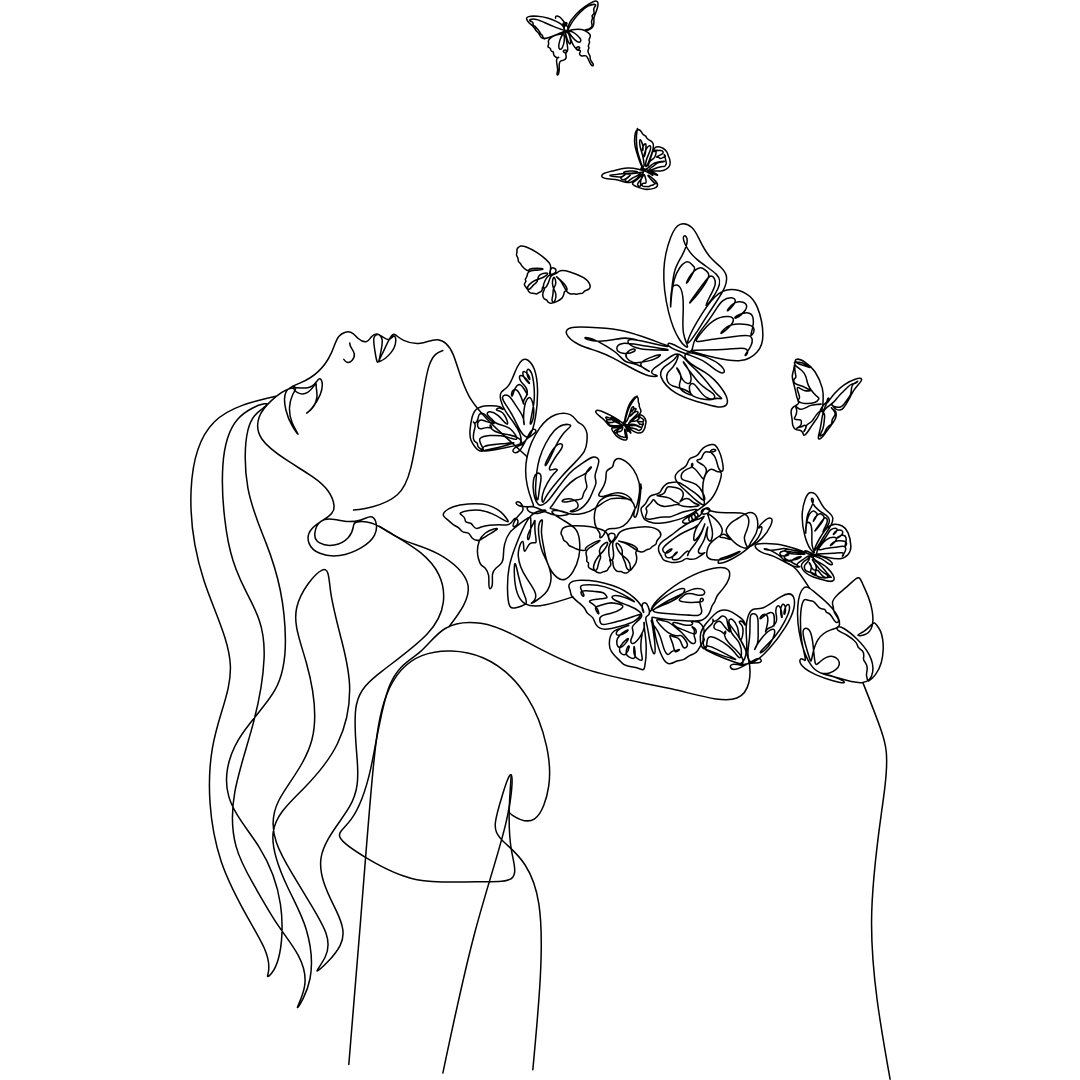
In another incident, far more caustic in tone, an older female relative declared that women who do not love animals and children are, in fact, witches. I had to fight the urge in that moment to add plants to her list, but I let it go. Knowing that I am a plant-killer too, she would have banned me from all family gatherings, which would have deprived me of delicious Bengali food.
Back in my film-school days, a friend and I would often talk on our way to evening film screenings at the National Film Archive of India, Pune. In one of those conversations in 2011, she confessed about dreaming obsessively of having a golu-molu (chubby) baby by her side.
She spoke excitedly about how much fun it would have been if the baby were present during her shoots, screenings, and everything else right on campus to witness her life. Her boyfriend at the time showed no interest in the idea. She was so deeply in love with her dream of a baby that not having a husband seemed perfectly acceptable to her.
That conversation stayed with me for a long time afterward. On one hand, motherhood is glorified in our country; on the other, the basic biological infrastructure that produces offspring – such as menstruation – is considered too distasteful to speak about.

Once, at Film Club of Bharat Bhavan, Bhopal, I watched Ingmar Bergman’s 1972 film Cries and Whispers for the very first time. I was thrilled to see a filmmaker daring to show a woman mutilating her vagina and smearing the blood on her mouth as an act of rebellion on screen in a very Bergmanian way. A sophisticated 75-ish man sitting next to me was so aghast he yelled “Badtameez!” (“Shameless!”) at the Swedish actress Ingrid Thulin playing Maria.
That became my real-life lesson in understanding the utter disgust men and women alike in our society have for the vagina and the blood that comes from it. Strangely enough, in poetry and Indian sculpture, women’s breasts are celebrated, lovingly immortalised in stone and verse. In modern life too, men have ensured these body parts never fall out of cultural circulation.
So, then, I wonder why such an absence from Indian art and the dirty status assigned to the vagina? How easily and comfortably people forget that tiny Golu-molu was swimming in the same detestable blood for nine months.
Women remain untouchable for one and a quarter months after birth, while the baby is celebrated by all instantly. The casual disrespect and discarding of the body that brings new life into the world is striking. Even today, in my home state of Madhya Pradesh, I see senior women enforcing this disturbing ritual with strict devotion.
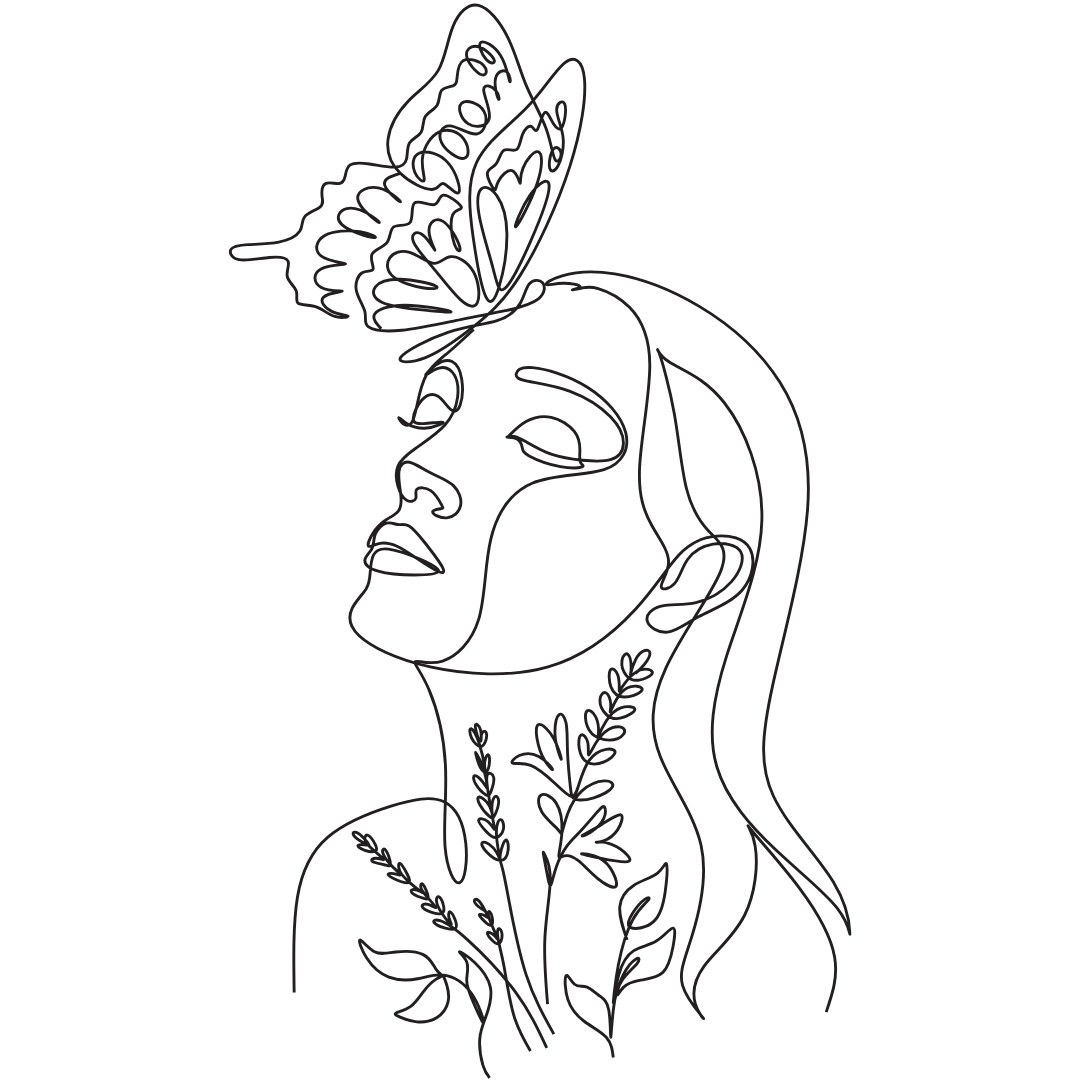
My decision to remain childfree is not only religiously policed by female relatives or the building society’s nosy aunties; it is subjected to a far more performative moral audit by Instagram’s proudly multitasking goddesses, who have very carefully curated lives that function less as lived experience and more as virtue-signalling brands.
Their relentless feeds normalise a glossy checklist of must-haves: a handsome, arm-candy husband; a jet-set lifestyle; a cuddly pet; a child or two for emotional optics; a meticulously styled home that resembles an art gallery, dishing out yummy meals in between work calls; and an impossible career punctuated by Insta-worthy milestones.
It is an envy-inducing life, engineered to appear effortlessly abundant forever. These are the same women who livestream scathing takes on Meghan Markle’s cooking show, a show that contains barely any actual cooking, using her celebrity as convenient bait for likes. Publicly, they perform aspirational disavowal, labelling Markle fake, calculated and insufferable. Privately, they would trade places with her in a heartbeat.
I often wonder whether, in all this chaos, there is any space left in the real world for profoundly inefficient women like me, those who can barely perform one task at a time, who zone out so completely that we don’t just burn food, we come dangerously close to setting the entire kitchen on fire.

It reminds me of the time when a female film-appreciation professor at Film and Television Institute of India, Pune, declared with confidence and ease that anyone who did not know and enjoy the art of cooking could never become a good filmmaker. Her words scared me to death. I had always known the kitchen was the bane of my existence, and suddenly I was flooded with regret for avoiding it like the plague. Perhaps I didn’t stand a chance of becoming a filmmaker after all.
And then I turn to Fran Lebowitz for comfort and hope. She has successfully avoided marriage, children, the internet, social media, smartphones and cooking. In spite of or perhaps because of all this, she has aced the game of enduring fame. She is a masterclass in monetising a brand that is the absolute antithesis of everything that constitutes fast-selling influencer culture.
What if inefficiency is not a personal flaw or failing but a deliberate slowing down? What if opting out of kitchens, of hustle, of curated perfection, is not about winning at life, but about protecting the inner life where art, thought and honesty are still allowed to exist without needing to perform constantly?
Maybe the point was never to keep up, but to stay inward long enough for something honest to form.
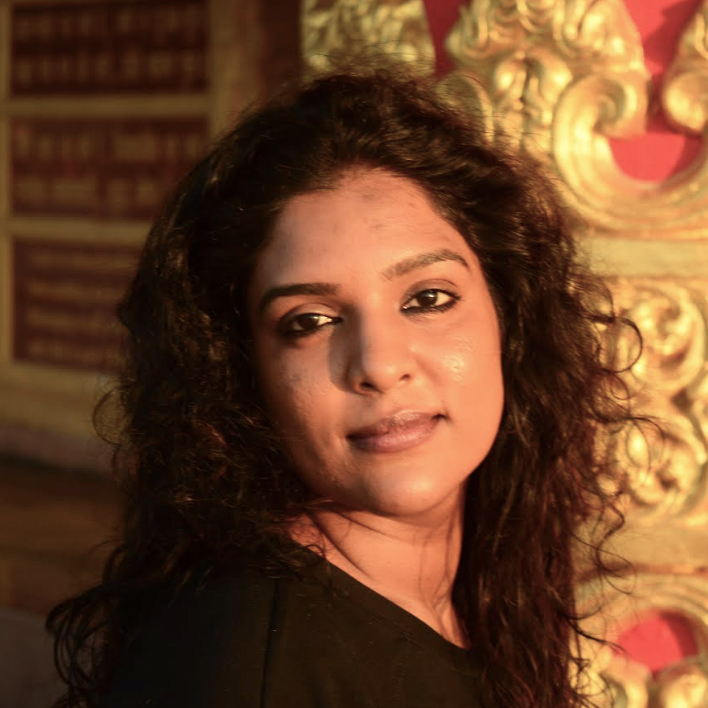
Shobhita Thakur is a filmmaker and writer based in India. An alumna of the Film and Television Institute of India (FTII), Pune, her professional journey spans cinema, advertising, and long-form storytelling. Follow her on LinkedIn and Instagram.
Illustrations: Victoria Rusyn
Discover more from eShe
Subscribe to get the latest posts sent to your email.
 eShe
eShe 
0 comments on “Childfree not childless: a filmmaker reclaims her right to freedom from motherhood”