


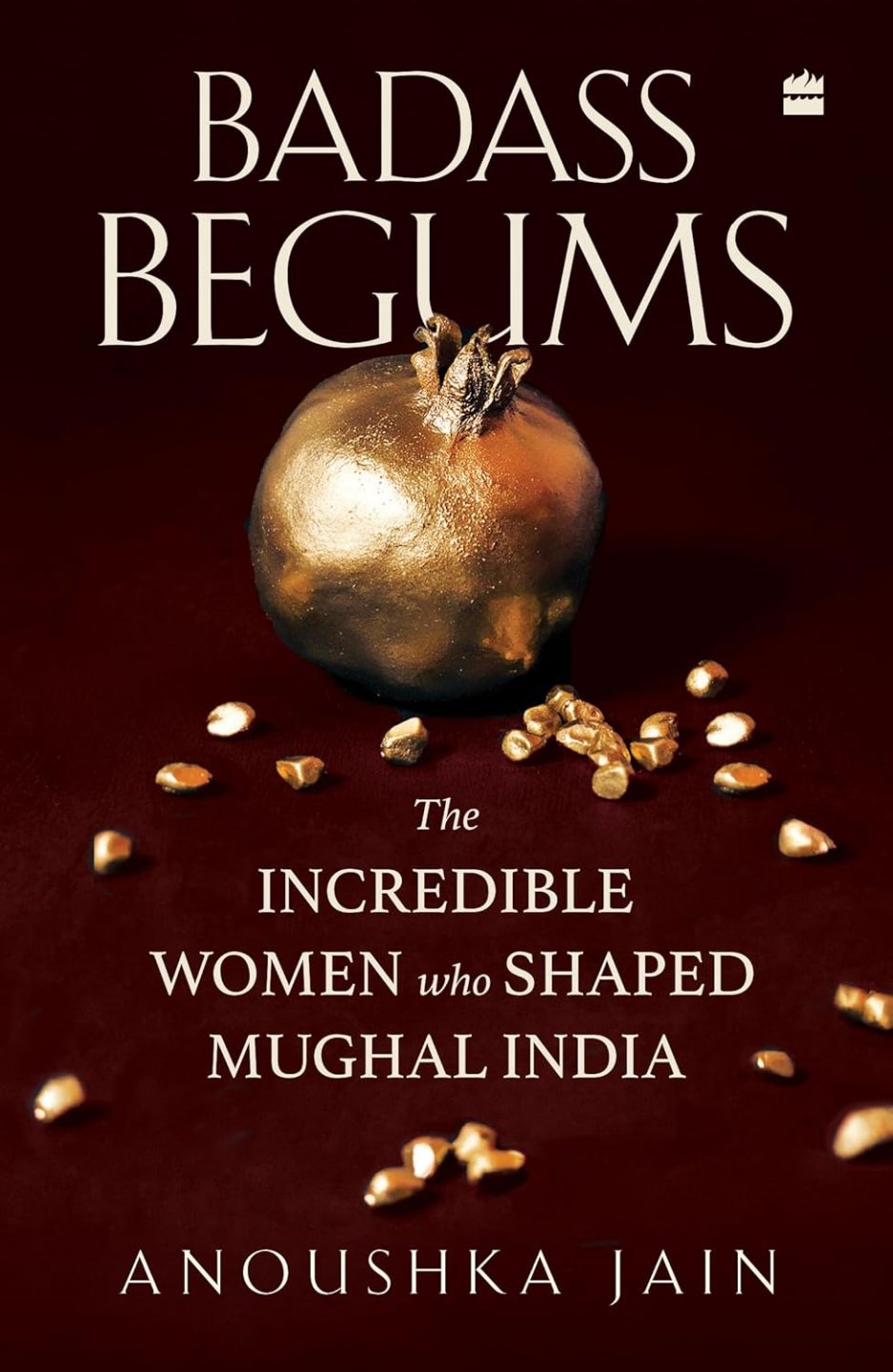
Mainstream history frequently sidelines the women of the Mughal era, relegating them to the passive shadows of the harem. However, Anoushka Jain’s new book Badass Begums: The Incredible Women Who Shaped Mughal India (HarperCollins India, ₹399) forcefully reclaims this narrative, illuminating the lives of 10 formidable women who wielded immense power from behind the purdah.
An alumnus of Hindu College, Delhi University, where she studied history, Jain details the lives of figures such as Jahanara Begum, the architectural mastermind behind the landmark Chandni Chowk in Delhi; the political strategist Roshanara; and Begum Samru, a courtesan-turned-leader who commanded her own armies.
Unlike the stereotype of women in the Mughal court being disempowered and cloistered behind closed doors, these queens were diplomats, builders and warriors who boldly subverted patriarchal structures to reshape the political and physical landscape of Delhi.
An art historian who has worked with the Indira Gandhi National Centre of Arts, Jain runs a heritage organisation Enroute Indian History that conducts workshops and heritage walks around Delhi, besides publishing research articles. She currently works as a knowledge partner with the India’s Ministry of Tourism.
Combining rigorous research with immersive walking tour maps, her newly released book offers a vital feminist lens on the city’s heritage. It serves as a potent reminder that resilience and ambition have always flourished in the face of restriction, inviting readers to walk in the footsteps of the matriarchs who truly built India’s capital.
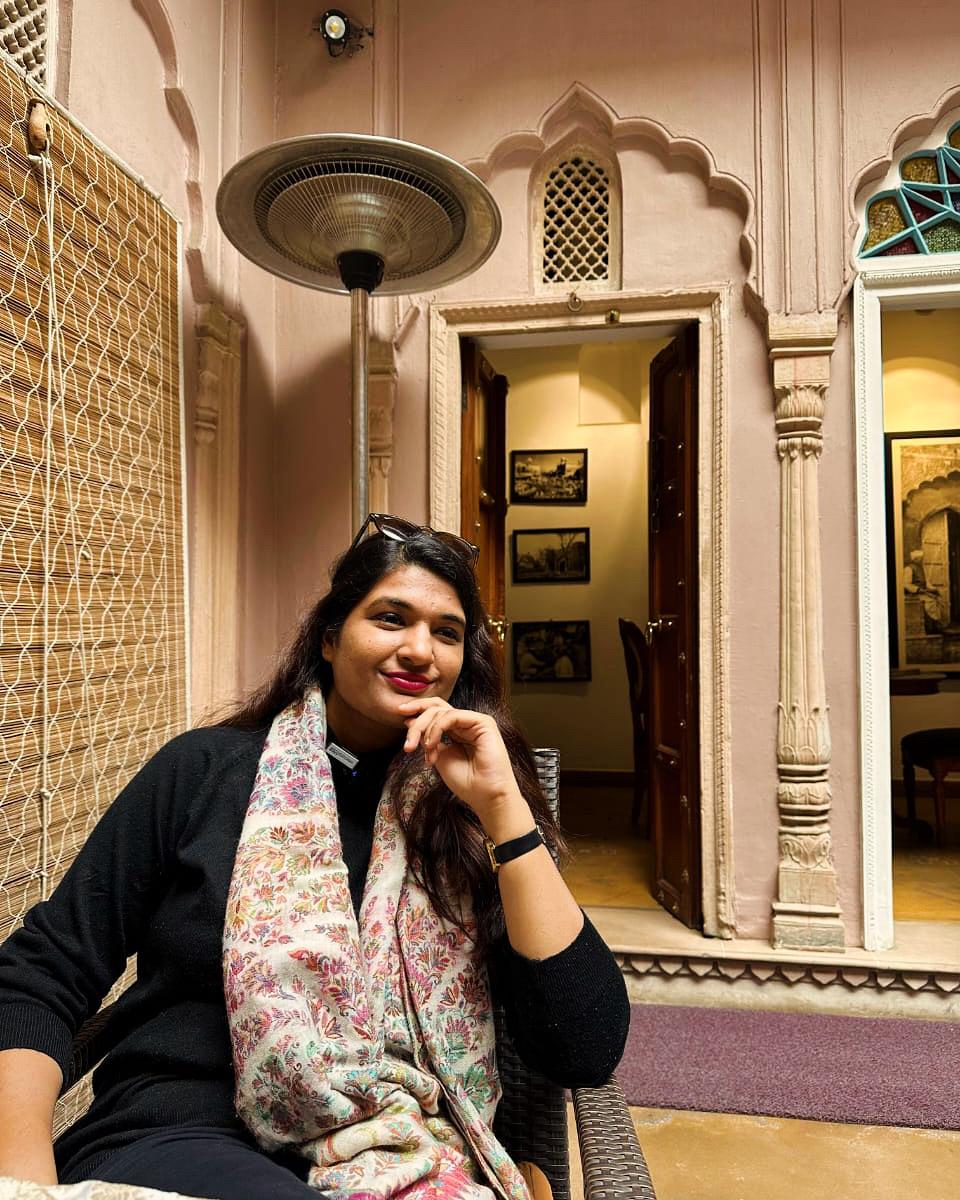
We asked Jain about the inspiration behind the book, her favourite begum, and navigating patriarchal narratives from history. Edited excerpts:
eShe: What was the moment or discovery that convinced you that the stories of Mughal begums needed to be reclaimed, and that you had to write this book?
Anoushka Jain: My writing journey has been an unusual one. I finished my education in history and started Enroute Indian History, which is the only all-women heritage organisation in Delhi. I wanted to see more women at heritage spaces.
Once we started conducting walks, a common question was: “Where do we find women in history?” Yes, they are mentioned as footnotes in history books, but do we have physical evidence of their presence? And slowly I unravelled women’s contributions to building Delhi. It was then that I decided Badass Begums is a necessity, not an idea.
You profile 10 remarkable women in the book. Which begum’s story stayed with you the longest – and why does she feel particularly relevant to women today?
I truly enjoyed writing the story of Jahanara Begum, the eldest daughter of Mughal Emperor Shah Jahan. There are many reasons why I like her the most, and why she becomes the first chapter in the book. Jahanara was the eldest daughter, and she was drawn into the politics of the harem at the tender age of 17. Before that, the matriarch was usually the wife or the mother of the emperor.
A young girl like her had to handle so many responsibilities – she managed the entire household, raised her 13 siblings, and became the emotional crutch for her father.
What is more interesting is that, in later years, she questioned her identity and purpose in life and found great solace in Sufism. She wrote books, was well-read, and was a brilliant architect. If she were a man, she would have been remembered more fondly.
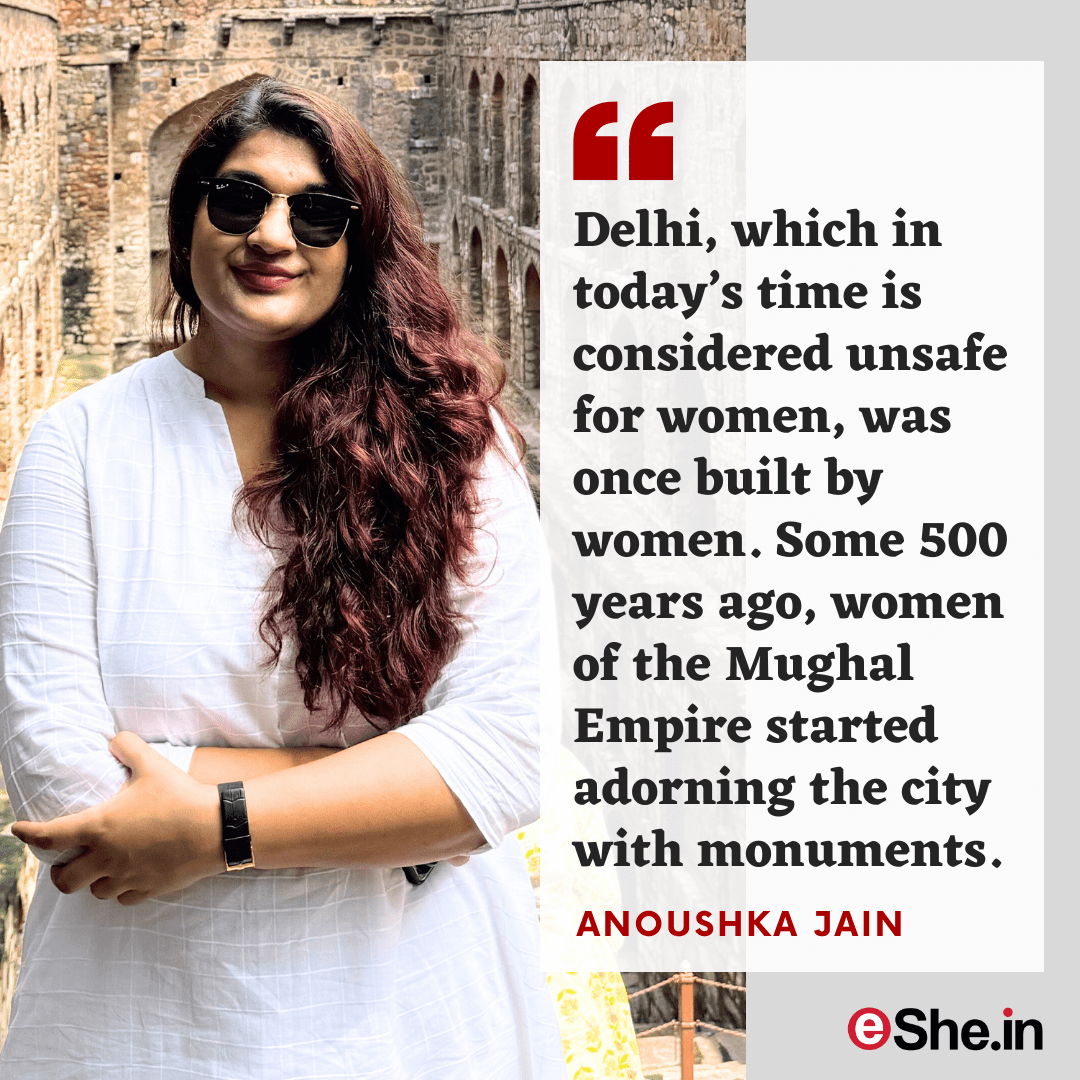
What are some of the most persistent misconceptions about Mughal women that Badass Begums seeks to dismantle?
One of the biggest misconceptions that has been formed over the years is that Mughal begums were confined to a harem, which meant isolation and repression. However, there were many amazing women who were industrious; they were building businesses, commissioning monuments, handling commerce, and being active participants in court politics.
In fact, it was well known that many of these women had the most decisive influence in court, and that to approach the emperor, you had first to coax the women. We need to redefine what a harem was, and did it really restrict women from being part of history?
Your narrative shows begums as political strategists, urban planners, diplomats and rebels. Which of these roles do you think most disrupts the patriarchal myths around the ‘women behind the purdah’?
Whenever I have discussed the book even briefly with other people, one of the biggest surprises for people is the idea that women were urban planners. They were shocked to know that in Delhi, we have several monuments built by women. I am pretty sure you can ask people in Delhi to name three monuments constructed by women, and they won’t be able to name even one. They may name women in history, but women as architects and urban planners are essentially unheard of.
Was there a moment in your research when you felt genuinely surprised – by a revelation, a forgotten story or a piece of evidence that changed how you understood Mughal women’s lives?
I was happy to read about the other wives of Shahjahan, who have not been discussed much. What I liked more was how they carved space in court and in the city despite the overwhelming omniscient presence of Jahanara and Mumtaz Mahal. After her death, especially, the wives took an active part in the city’s construction and made sure they didn’t become just names in Mughal history.
Heritage research often involves reading between the lines of male-authored archives. How did you navigate that silence and what feminist methodologies guided your work?
That is an interesting question. One of the biggest challenges while writing this book was navigating between history and everything left unsaid. Court chronicles have not been generous and are quiet about women in history. We find rich data from travellers’ accounts.
But travellers’ accounts are often exaggerated and hearsay, so I juxtaposed several accounts to identify what was relevant and seemed plausible.
Another critical methodology is to read between the lines and to have a keen historical eye to understand what remains unsaid in court chronicles, or to infer information from how and where the women have been mentioned. This is where my years of experience and education really came in handy.
Among the places mapped in the book, which site best captures the spirit of these begums, and what should readers pay attention to when they visit it?
It will be hard for me to pick just one site, and I suggest readers take the book along with them when they visit the monuments or the city. Each monument is unique in its own way.
If you could bring one of these begums into contemporary India, whose voice do you think would shake up our current political or feminist conversations the most, and why?
I feel Begum Samru would have been a brilliant diplomat and politician in today’s environment. She was astute in maintaining cordial relations with everyone, held her principles, managed an army of 4,000, and was never afraid to take chances and show her loyalty.
She would have been a fantastic addition to Indian politics, and I can see her sitting in Parliament among all men, making sure her presence and words are acknowledged.
Discover more from eShe
Subscribe to get the latest posts sent to your email.
 eShe
eShe 
0 comments on “The Mughal queens who built Delhi’s monuments and influenced Indian history”