

By Hansa Makhijani Jain
Anyone who has not been living under a rock will know that Korean beauty or K-beauty is having a moment. Viral Instagram reels promising ‘glass skin’ have been the rage for quite some time. Several beauty products from South Korea are flying off Indian shelves as well.
Well, Indian beauty brands are never far behind to cash in on global trends. (Remember the green tea craze in skincare?) The impact of K-beauty has now started becoming visible as homegrown beauty brands are beginning to adopt star Korean ingredients in Indian products.
From modest to coveted – Korean beauty ingredients are now all the rage in Indian skincare too. As our Prime Minister says, Make in India!
Here’s how you can reap the benefits of this new global beauty cult with our very own brands.
Rice water for glass skin
Seems the Koreans have been using what we have been tossing into the drain for ages. Yes, the water left over after cooking rice is one of the most popular ingredients in K-beauty formulations. The overlooked, unassuming ingredient is found in every Indian household dishing out rice on the dining table.

Try: Mamaearth Rice Facial Kit with Rice Water & Niacinamide for Glass Skin, ₹399
According to a 2022 study published in Journal of Cosmetic Dermatology, individual components of rice include phenolic compounds, betaine, squalene and tricin. These rice-derived ingredients have been found to be anti-ageing, anti-inflammatory, whitening, photoprotective and moisturising. It is especially preferred by teenaged girls in their war against acne and acne marks.
Fermented rice water or rice wine is also a popular ingredient for treating a variety of skin issues. Rice water is popularly used in Japan as well.
Snail mucin for ageless skin
It is simply the mucus naturally secreted by snails. It has been used extensively in Korean face and eye creams, serums and masks. It mainly addresses the issues of hydration, fine line and wrinkles as it is a treasure trove of growth factors, antioxidants and hyaluronic acid.
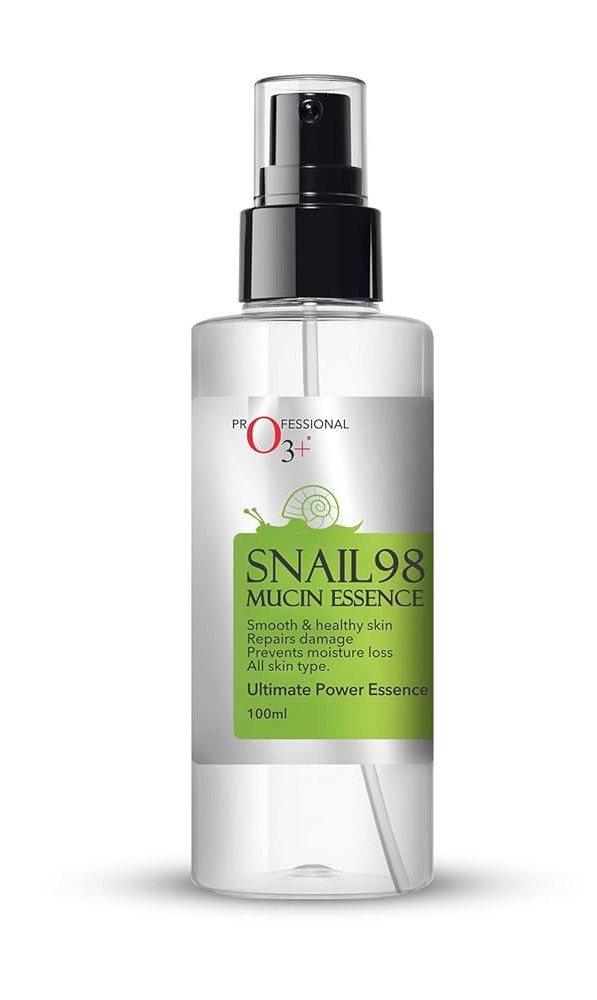
Try: O3+ Snail 98 Mucin Serum with Niacinamide, ₹1,050
It offers a rare combination of ingredients such as glycosaminoglycans, glycoproteins, allantoin, glycolic acid, lactic acid, collagen and elastin all together, according to a 2024 article published in the Journal of Cosmetic Dermatology.
Although now there are vegan versions of snail mucin (simply called mucin), the K-beauty favourite continues to rule.
Centella asiatica for luminous skin
Locally known as gotu kola, this medicinal plant has been used extensively in oriental and Ayurvedic formulations for ages. But now, thanks to the K-beauty craze, we’re beginning to see more of it in our lotions and potions.

Try: 82°E Gotu Kola Dew Revitalizing Toner Serum, ₹2,400
Its anti-inflammatory and anti-bacterial properties make it very useful for treating a variety of skin conditions like atopic dermatitis, acne scars and burns.
Research published in Korea in the Journal of Plant Biotechnology revealed a reduction of melanin content of up to 20 per cent, indicating a significant skin-whitening effect. Significant skin wrinkle improvement was also seen. So, if you’re struggling with dullness and uneven skin tone, go for gotu kola!
Yuza for sun-safe skin
Sun damage is a leading cause of a number of skin issues such as ageing, dullness, tanning, pigmentation and more. What yuza, a sour citrus fruit, does is boost the antioxidant supply to the skin.

Try: Plum 2% Alpha Arbutin & Hyaluronic Acid Face Serum with Yuzu Lemon, ₹599
Also known as yuzu, the extracts of the fruit are loaded with vitamin c and flavonoids – all essential ingredients to fight the sun’s effect on the skin.
A 2024 study published in the International Journal of Molecular Sciences suggests that peptides in yuza seeds exert anti-photoageing effects due to their ability to increase the levels of laminin-5, type I collagen and filaggrin, while reducing TRP-2 and melanin content. This helps in preserving skin health by preventing UVR-induced photoageing.
Red ginseng for toned skin
The use of ginseng dates back 4,000 years. The root of this herbal plant offers holistic medicinal properties for body and mind – you may have seen several health supplements incorporating it in their formulations.
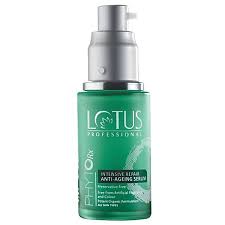
Try: Lotus Herbals Phyto-Rx Intensive Repair Anti-Ageing Serum, ₹995
According to the Korean Society of Ginseng, the medicinal plant can repair DNA damage and increase cell viability. In skin melanocytes, Korean ginseng mainly relieves hyperpigmentation. Its collagen-boosting qualities reduce signs of ageing while promoting elasticity. It is also known to reduce puffiness and inflammation.
Propolis for clear acne-free skin
Often confused with honey, propolis is a natural resinous mixture produced by honeybees to protect their hives from invading creepy crawlies. According to the Journal of Young Pharmacists, propolis is prominent in the treatment of acne and related issues.
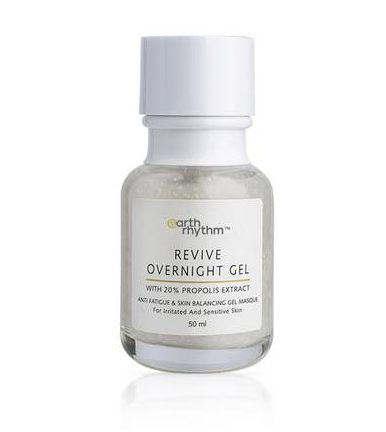
Try: Earth Rhythm Revive Overnight Gel Mask with 20% Propolis, ₹469
In addition to its high anti-microbial activity, propolis also has documented healing and anti-inflammatory activities, which is useful for acne treatment.
A study published in the Asian Journal of Beauty and Cosmetology also revealed that patients treated with propolis noticed significant decrease in redness and hyperpigmentation, while increasing the moisture content.

eShe’s beauty editor Hansa Makhijani Jain may as well have been born with a lipstick in her hand. She’s been writing about the beauty biz for almost two decades. Follow her on Instagram.
Discover more from eShe
Subscribe to get the latest posts sent to your email.
 eShe
eShe 
Interesting to know K-beauty standards have reached India but does it really help Indian skin and complexion types? Though the editor has well researched and listed amazing products .
LikeLike
Yes, they work on Indian skin as well – some of these ingredients like Gotu Kola have been used in Ayurvedic formulations too. Go ahead and try 🙂
LikeLike