
By Sara Yahia
It was a quiet and cold afternoon in December 2018 in New York. I remember sitting in my office, staring out the window, feeling both proud and overwhelmed. At that time, I was a human-resources (HR) director overseeing operations across the USA when I was offered a senior HR operations director role in Qatar. The responsibilities and expectations were high, and it was when I insisted on jumping into a deeper exploration of who I really was.
But I didn’t expect to discover how much of my emotional intelligence, introverted nature, and feminine energy would come into play in navigating this new chapter in my career.
As an introverted woman in an HR leadership role, I’ve faced my share of challenges. While HR is often seen as a female-dominated field, it is still influenced by traditional corporate expectations and leadership biases.
The corporate world is rarely designed to accommodate the emotional depth or introspective qualities that many leaders, especially introverts, possess. But over the years, I’ve turned these traits into strengths, helping me lead with creativity and authenticity.
Observing not talking
Growing up in the USA, I was more of an observer than a talker. I found solace in books, quiet moments, and deep thinking. When I started my career in HR, I quickly realised that the traditional standards didn’t match who I was. People would tell me I needed to be “more talkative and friendly.”
But I honestly saw the constant chitchat around the office as unnecessary and a waste of time. I preferred to prioritise meaningful conversations, productivity, and reliability over being like a butterfly flitting around the office.
As a social introvert, I naturally shift into an extroverted behaviour when needed, balancing observation with engagement. For a while, people misunderstood me, and I had to force myself to be someone else. One-on-one conversations and my implemented strategies and visions helped others see the real me and get a glimpse of my internal world, one that many struggle to understand.
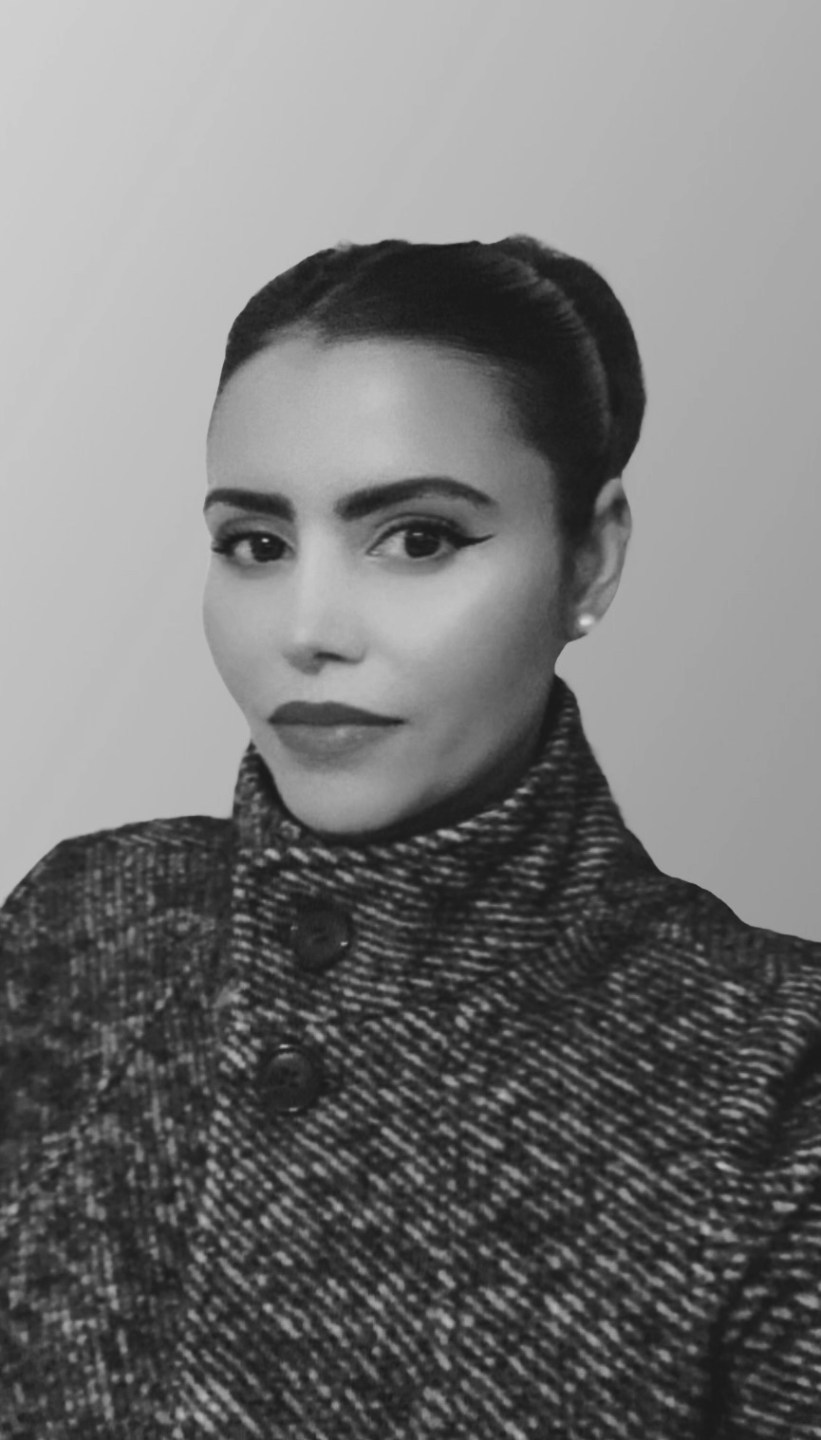
I made sure to be true to myself and educate others by implementing my personal philosophy: “Be accessible, approachable, and reachable.” Over time, I realised that being introverted meant finding my own approach to becoming a leader of change.
I had to develop my emotional intelligence, which didn’t happen overnight. It took self-discipline and grit to build self-awareness, positivity, expertise in my field, confidence, and being intentional about my growth.
The more I tuned into my emotions and feminine energy, the better I could adapt, communicate, and connect with those around me.
One of the lessons I’ve learned was how important it is to embrace real diversity, which should include personality traits. Misconceptions cause introverts to be overlooked in conversations about diversity. The irony is that they represent about half of the US workforce and are just as valuable.
As an introvert in leadership, I prioritised raising awareness about introverts to give them a chance to be empowered and thrive. I’ve seen firsthand how diverse teams, when led inclusively, are innovative and engaged.
Owning my feminine energy
That brings me to a crucial aspect of my leadership style: the power of feminine energy. In a competitive professional environment, success doesn’t come from adopting a masculine version of leadership that is unauthentic to a woman. Recently, Mark Zuckerberg claimed that corporate culture had become “culturally neutered” and had strayed too far from “masculine energy,” reflecting a common but flawed belief that leadership should lean toward one dominant style.
The truth is that feminine energy shouldn’t be seen as the enemy of leadership or corporate success. It is an essential component. It enhances vision, collaboration, and decision-making rather than diminishing them. Our society must recognise that women are natural leaders instead of shaming us for who we are.
Being a woman brings invaluable visions that elevate teams and organisations. Indeed, long before we entered the workforce, we mastered time management, interpersonal skills, multitasking, negotiation, active listening, empathy, and problem-solving. Embracing this energy isn’t a weakness but a competitive advantage.
Let’s never forget that knowledge is power. The ability to nurture and intuitively understand people fosters collaboration and trust. Emotional intelligence, adaptability, and decisiveness are not just complementary skills; they are driving forces that women are born with.
I’ve also learned that success isn’t about changing who we are to fit an outdated standard but amplifying the qualities that already make us strong, capable, and impactful with precision and grace.
None of this came without its challenges. I doubted myself, feeling the weight of not fitting neatly into a box. The pressure to conform was heavy, and some people tried to dim my light, placing roadblocks in my path to slow my progress. Instead of letting negative trends, ignorance, and criticism define me, I used them as stepping stones for growth.
Leaning into my true self
The very qualities that set me apart (deep introspection, thoughtful decision-making, and an innate ability to understand people) became the foundation of my leadership. This realisation led me to explore and champion the power of introversion in the workplace. Through my books, Quietly Sparks and Quiet Diversity, I aimed to reshape how we view success and the value of different working styles. Use your uniqueness to spark meaningful change!
Through all the obstacles and self-discovery, I refused to conform to unfair and misplaced expectations. I accepted my emotional intelligence, introversion, and feminine energy to build a legacy that positively inspires all.
Moreover, as a professional in my early 30s from an Arab background, I also understand the significance of debunking stereotypes. Through inclusive strategies aligned with company objectives, I ensured that women from underrepresented backgrounds, particularly from the Arab world, were seen and heard in leadership spaces.
I believe each of us has a role to play on this earth, and I want to positively impact lives and bring a sense of purpose and understanding, regardless of how big or small it will be. However, this path had to start within me, daring to step away from the crowd and build transformative frameworks and policies for organisations and communities. Authenticity isn’t a limitation but a great power.
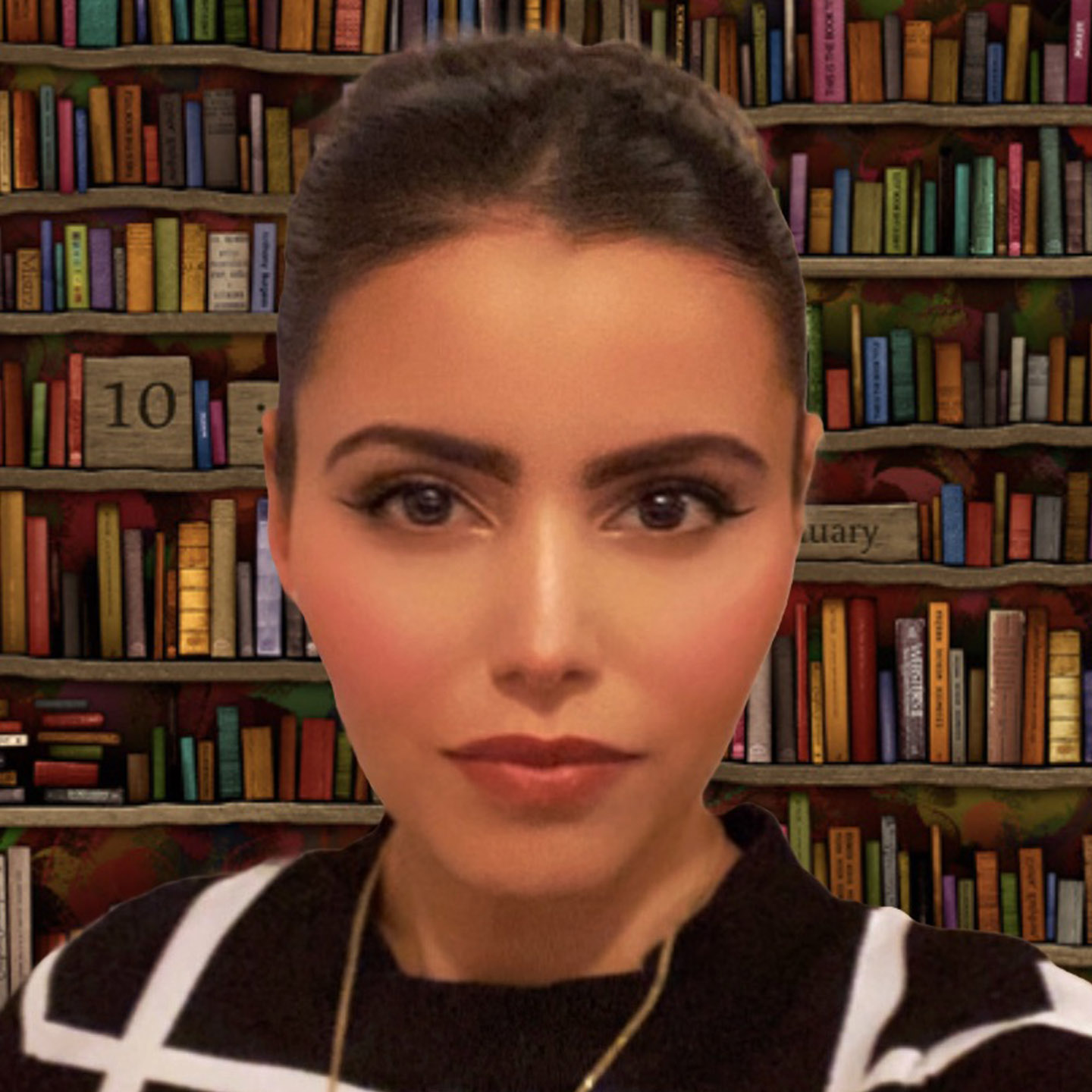
Sara Yahia has held key HR leadership positions at organisations such as DoubleTree by Hilton in Spain, Jade Associates in New York, and FIFA Qatar/Mall of Qatar. She now consults for US companies, specialising in HR strategies and promoting inclusive workplace cultures. Fluent in four languages and holding a Master’s in business management and leadership, she is passionate about flying planes, horse riding, playing the piano, and skiing.
Discover more from eShe
Subscribe to get the latest posts sent to your email.
 eShe
eShe 
Pingback: Authentic Leadership for Women Who Do It All On and Off Screen
Pingback: "Not Like Us": The Leadership Playbook for Women Who Lead Differently | Sara Yahia