


By Yasmin Soni
Last year, I got the chance to spend some time in Germany as part of summer school. Courtesy of this opportunity, I extended my trip and decided to explore the land as a solo traveller. I also visited cities in the Netherlands, Belgium, Switzerland and France.
While I gleefully reminisced about my journey, it later dawned upon me that I missed out on several opportunities too, simply by virtue of being female.
Several studies have analysed the experiences of solo women travellers and have found four broad and connected themes of constraints: sociocultural, personal, practical and spatial. Here, I will focus on the sociocultural and spatial challenges I faced while solo backpacking across several European cities.
Sociocultural challenges
Women’s experiences and opportunities for solo travel are greatly influenced by sociocultural barriers. A woman who decides to travel solo always faces criticism, either directly or indirectly, because her choice goes against so-called gender roles. Family or acquaintances may not openly oppose a woman going on an international trip, but they do impose restrictions that do not allow her to travel far.
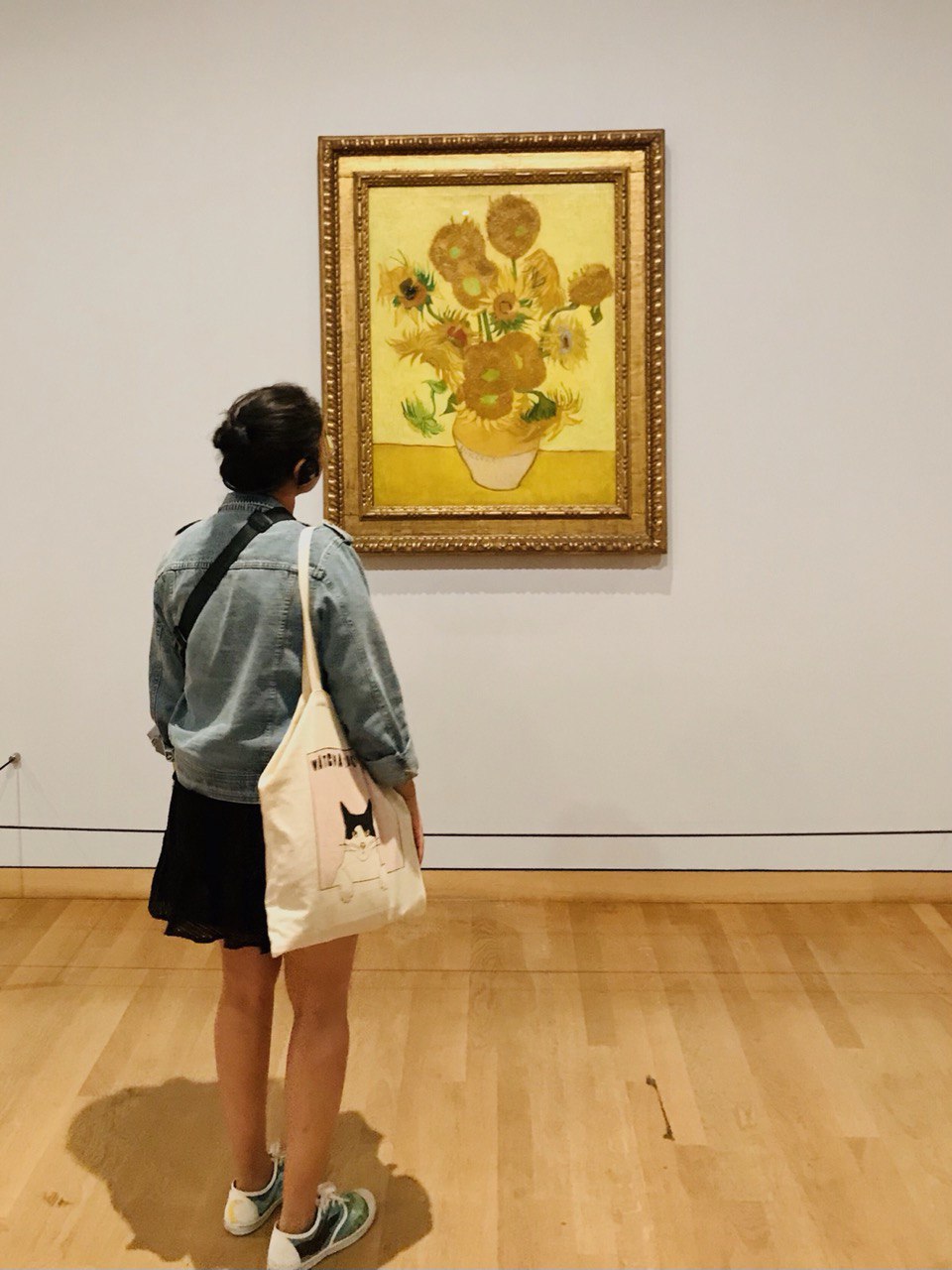
Nevertheless, despite these impediments, women still pursue solitary tourism to break such taboos in different ways. In this sense, they use the trip as an avenue to stand up to the expectations placed on them at home, as well as other restrictions imposed on them by societal constraints.
- Navigating stereotypes and misconceptions
Travelling alone often exposes one to assumptions and stereotypes along the way – including those to do with nationality, religion, gender and race. South Asian women particularly find themselves in a very complex landscape; the aggregation of their multi-faceted identities is accompanied by a host of stereotypes and misconceptions.
When I was in Berlin, one evening, my roommates planned to go club-hopping and asked me if I wanted to tag along with them. They were trying to get entry into the ‘notorious’ KitKat Club. There was a really surprising conversation with a guy on the bunk bed who asked if I knew of the club.
In retrospect, I realised his question was based on a preconceived notion about Indian women and a deeply ingrained notion of ‘modesty’. This incident made me realise how cultural expectations and prejudices meet at certain points and influence personal relationships.
- Unwanted attention and harassment
I was wandering at the central station of Zurich, lost in my thoughts on a long layover while waiting for my next bus, when a stranger approached me. The fellow ended up inviting me to spend the night at his place and promised he would get me back to the station by the time of my bus. My alarm bells were ringing and I turned him down but he continued to share stories about his migrant life in Germany. He asked me my name, and started calling me his sister. I was relieved and uncomfortable at the same time.
In another incident in Amsterdam, I came across an oversized chess game near Rijksmuseum. After spending an hour observing the game, I was invited to play. I chose to instead play normal chess with a veteran there.

A very old Indonesian man sat next to me, observing the game and chatting with us. He playfully proposed marriage, asking me to stay there, and that marrying him would get me residency in the country. It was so absurd that we all burst out laughing, including the onlookers. It was a light-hearted moment and yet it speaks volumes about deeply ingrained stereotypes and everyday jokes of South Asian women as potential wives or immigrants.
Unwelcome attention is part of the package of being a solo female tourist and, often, it can be invasive and emotionally draining.
- Perceptions of female travellers
While travelling through Paris on public transport, I offered my seat to an elderly man. As he approached, someone else quickly took it. We exchanged smiles, and my apology caused the start of a conversation that lasted through the rest of the journey. Coincidentally, we got out at the same stop and talked for another half-hour.
He offered me a room at his place for my future visits. We parted ways after exchanging social-media addresses. Our interaction made me introspect on how solo women are perceived: bold in some cultures, vulnerable in others, evoking protective instincts in some people and predatory natures in others. Each and every encounter comes with opportunity as well as caution.

Spatial challenges
The need for safety can become a constraint for solo female travellers, limiting their movements or freedom as tourists. It leads women to avoid visiting places considered unsafe, such as particular countries or regions. Besides, the feeling of being observed or judged permanently keeps them away from interacting and exploring more even in popular tourist destinations, which has a negative impact on their whole travelling experience.
- Safety concerns in public spaces
While travelling in Brussels, I once forgot a shopping bag on a bus and only realised it after getting off at my stop. It was late, and panic set in as I tried everything I could think of – tracking the bus, raising a complaint, and calling numbers. But being a tourist in a foreign city at such a time, I felt pretty helpless. Concern for recovering the bag became an ancillary issue to my concern about getting back safely. I had to decide whether it was worth it to venture around at such a late hour of the night to search further for the bag.
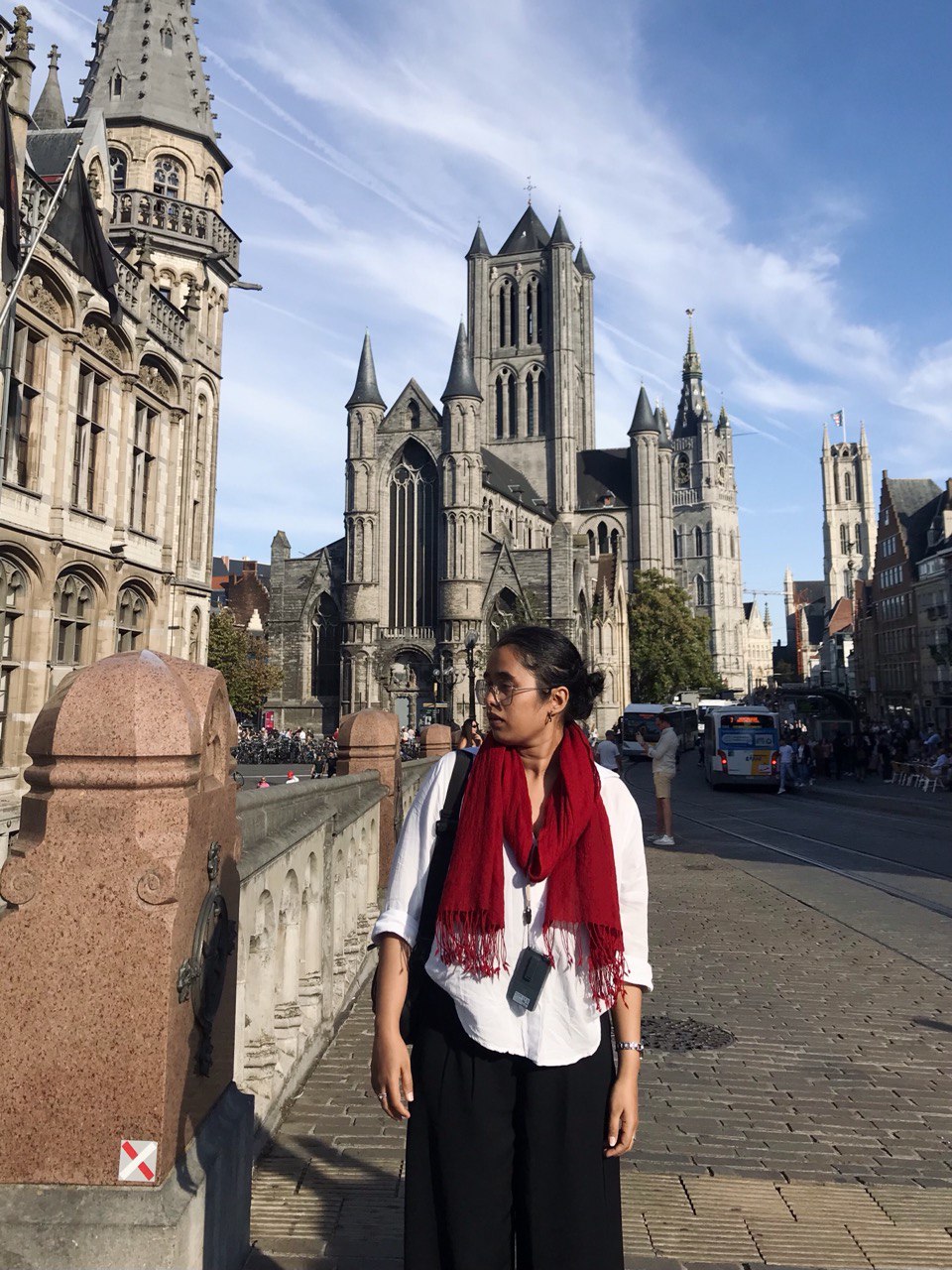
For a female solo traveller, safety was always at the top of my list. In crowded cities and small towns, I became accustomed to mentally assessing my surroundings: were the streets well-lit? Did people actually inhabit the space? Was I safe enough to hang out outside after dark? These needs dictated much of my itinerary.
Travel between countries in the Schengen area necessitated choosing bus and train timings that appeared to ensure safety at both departure and arrival points. The safer timings, however, would be more costly than off-peak hours. While Europe is largely safe to explore, some streets and alleys that seem quaint by day look threatening at dusk.
- Restricted mobility
While exploring Amsterdam I was curious about the fabled red-light district, but going there alone at night seemed worrying. Not knowing what to expect, I was afraid of it, so fear made me shun it. One morning, I met a traveller at my hostel and we spent the day chatting and café-hopping. By afternoon, sensing my reservations, he encouraged me to step out of my comfort zone.
In a burst of spontaneity, I asked if he’d accompany me to the red-light district that night, and he agreed. It turned out to be one of the best nights of my trip – an experience I would’ve missed had I not felt safe enough to venture out with someone. A vibrant area full of life felt off-limits as a result of the invisible constraints of safety.

I soon realised that, for South Asian women – who often grow up with a heightened awareness of risk and danger in their physical environment – there is loss also due to internalised barriers inhibiting female mobility.
- Navigating unfamiliar spaces
Walking alone on unknown streets and taking public transportation is equally worrisome for any traveller. When you are a solo woman, all this gets amplified. Even now, I remember the feeling of unease while walking at midnight down empty hostel corridors.
Once, while travelling from Germany to Amsterdam, my bus stopped to exchange in Frankfurt. I had been there earlier, but I didn’t know about its homelessness problem. Waiting for the next bus on a cold night, when I happened to be on my period, made me feel very vulnerable. By sheer coincidence, I met a summer-school friend living nearby, who provided me with warmth and companionship in the hotel reception.
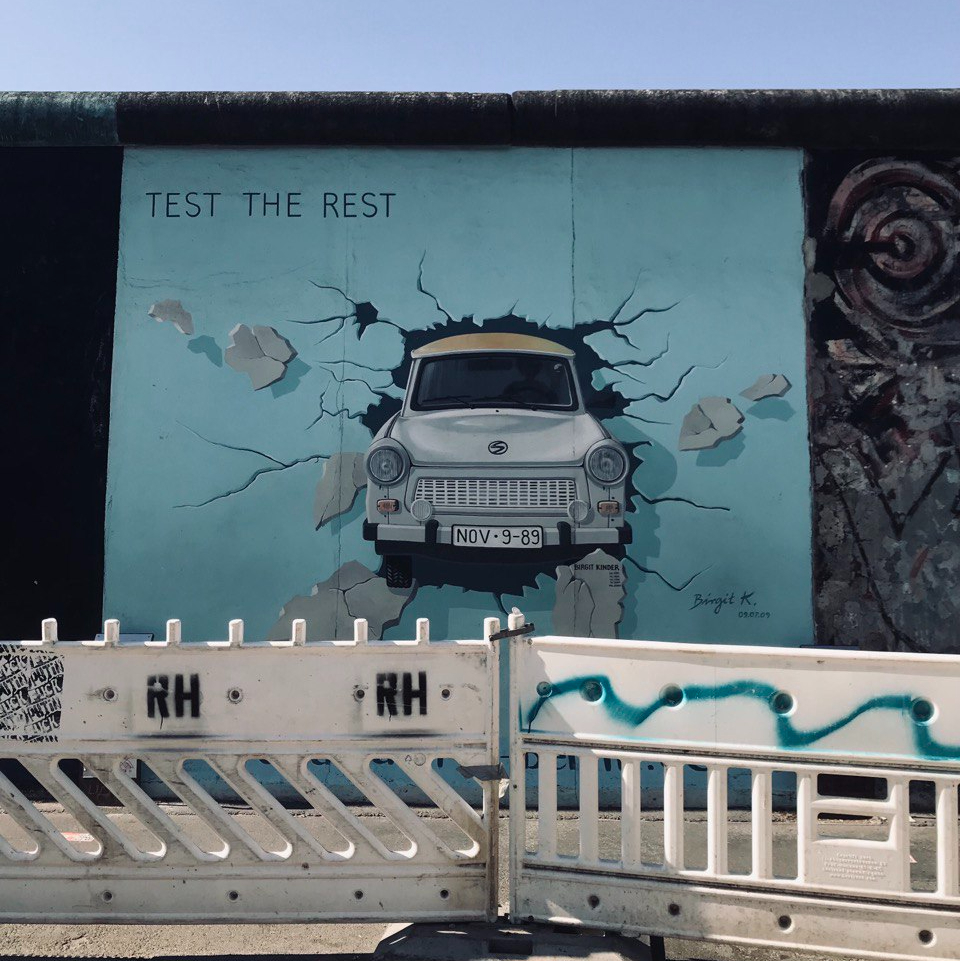
As a single traveller, I always over-plan each and every detail to avoid such moments of uncertainty – in which a small mistaken turn in a lane could make me feel helpless or lost. Security is always an issue. Though Europe is one of the safest places to visit, I still found myself continually evaluating my surroundings, and avoiding places that didn’t feel safe at night.
This awareness, though necessary, oftentimes stood in the way of my wholehearted enjoyment of my journey and the beauty it could bring.
Freedom versus fear
With travelling alone, especially through unfamiliar spaces, a woman has to constantly negotiate between her freedom to explore and the fear of personal safety. Every forward step is often a victory over societal norms but with cautious calculation.
My experiences show how gender and identity play a role in imposing external constraints and more specifically in internalising caution and curbing mobility.
Solo travelling for women can become quite an intricate balancing act, where the exhilaration of discovery always clashes with the underlying vigilance for safety. Such tension needs to be considered so that there can be more inclusion and safer travel experiences for women all over the world.
Yasmin Soni is a doctoral research scholar at the Tata Institute of Social Sciences, Mumbai. An avid reader and budding traveller, Yasmin finds inspiration in the intersections of gender, management and human experience. You can find her on LinkedIn and Instagram.
Discover more from eShe
Subscribe to get the latest posts sent to your email.
 eShe
eShe 
Pingback: Why Solo Female Travel Is Different - Travel Moran
Yasmin, your article beautifully captures the nuanced experience of solo travel as a woman. Your reflections on the sociocultural and spatial challenges are both candid and relatable. Thank you for sharing your journey so thoughtfully!
LikeLike
I would certainly give credit to the young woman for her solo travel to 5 countries with so much confience and determination which must be appreciated and encouraged. However there is a strong possibility of any untoward incident in foreign soil so it is better for a woman to trvavel with her boy friend husband or in a group to avoid rape looting and physical assault etc. However I salute her for her courage to travel alone.
Pictures are really very very nice and writing style very very appealing!!
LikeLike
Ah yes, give her ‘credit’—but remind everyone that women apparently need a man to keep them safe from the big, scary world. Confidence and determination are great, but clearly, the real travel essentials are a boyfriend or husband for protection. Who knew?”
LikeLike
I agree wit you completely a male companion must be a part of travel with a woman to control/snub any untoward incident. Travelling alone in foreign countries by a girl/woman is like an open invitation to loot harass or even rape her.
Yasmin Soni was lucky not to get caught by miscreants but she must not travel alone in future.
However she deserves appreciation to travel alone in 5 countries. It is a pity that women are not safe any nook and cranny of the world. How to make them safe and secure outside 4 walls of a house is the real problem?
LikeLike
Ever heard of “SARCASM”
LikeLike
There is not an iota of SARCASM in my mind but the safety of a woman who is travelling alone is my first and last concern. Travelling alone by a woman in a foregin soil is too much risky from which she must avoid. It is a pity that women are not safe anywhere. Let us think it seriously how to portect and give them shelter so they can move independently.
LikeLike
Ever heard of “SARCASM”
LikeLike