What body shaming does to a woman’s sense of self
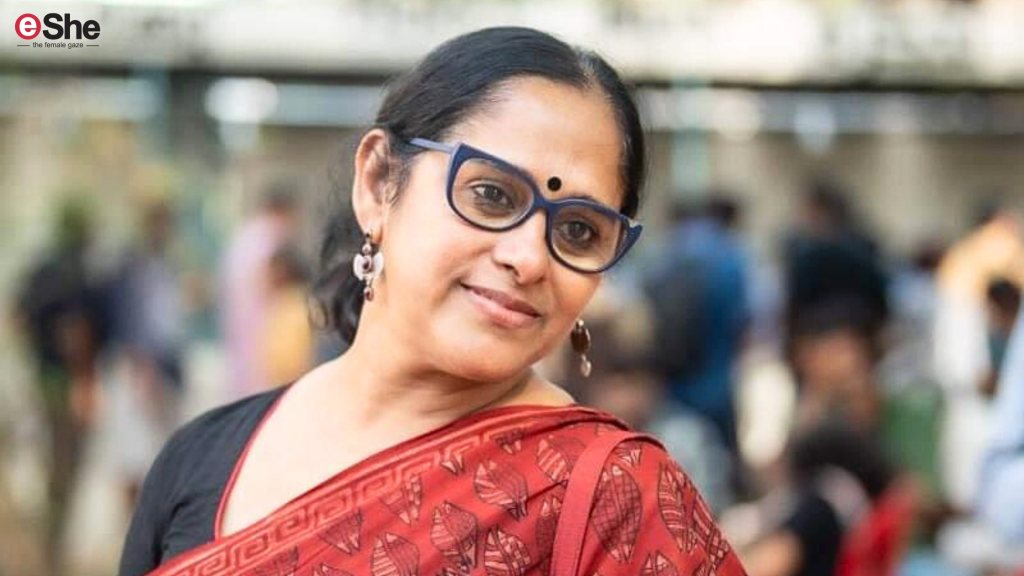
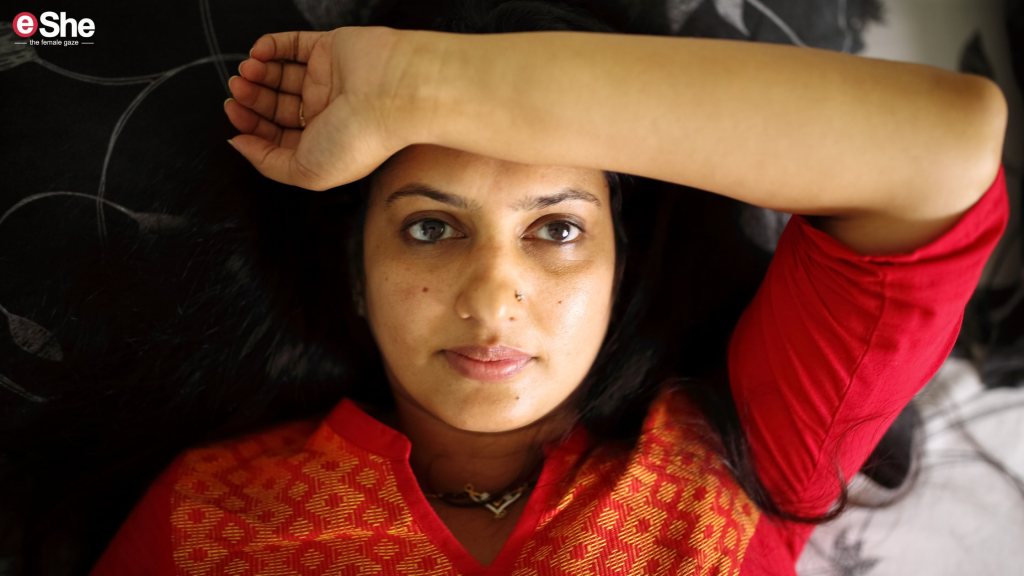
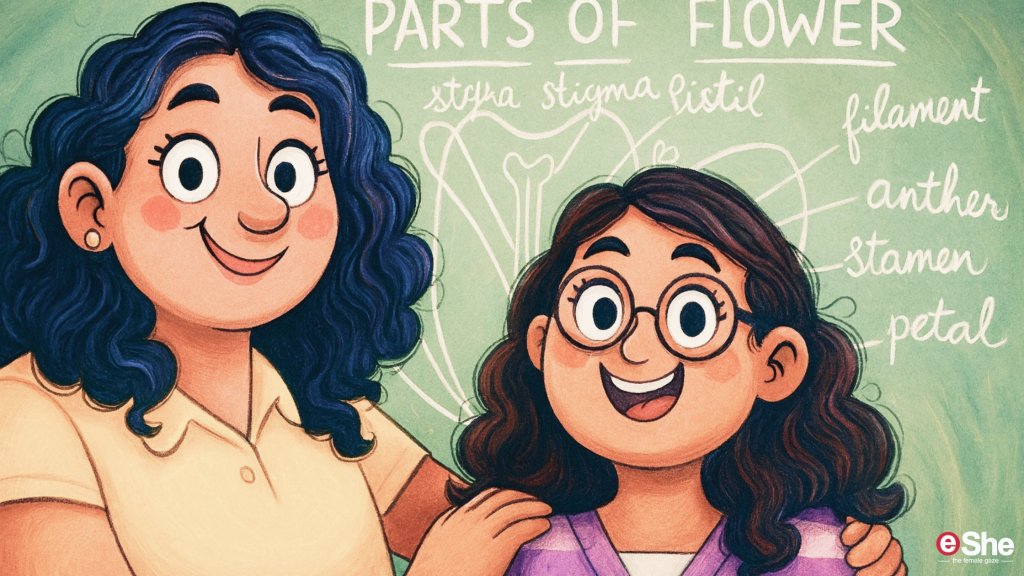
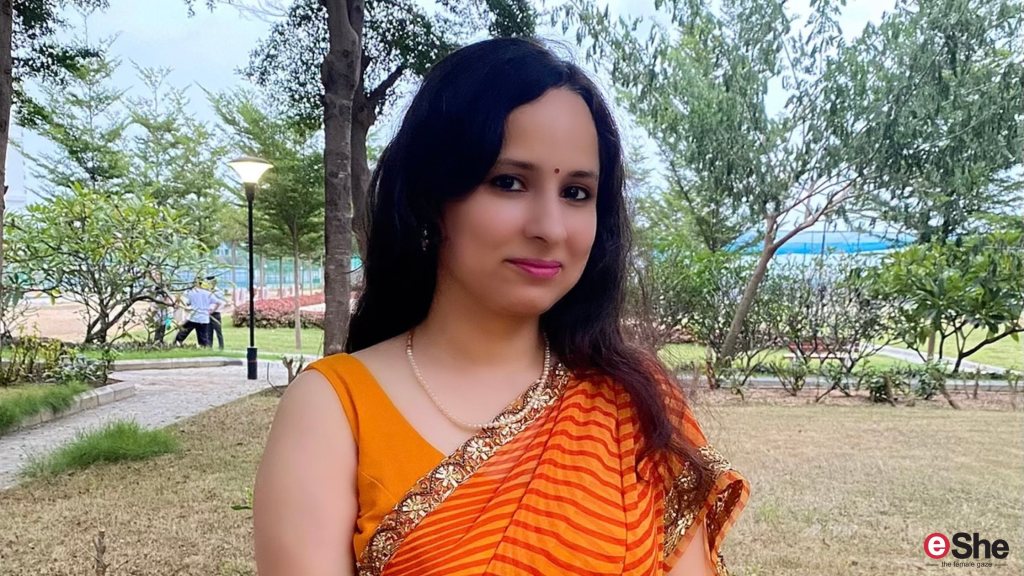
Casually stated and disguised as concern, body shaming erodes one’s self-worth and casts a long shadow on the trajectory of a woman’s life and personal growth, writes author Aruna Joshi.
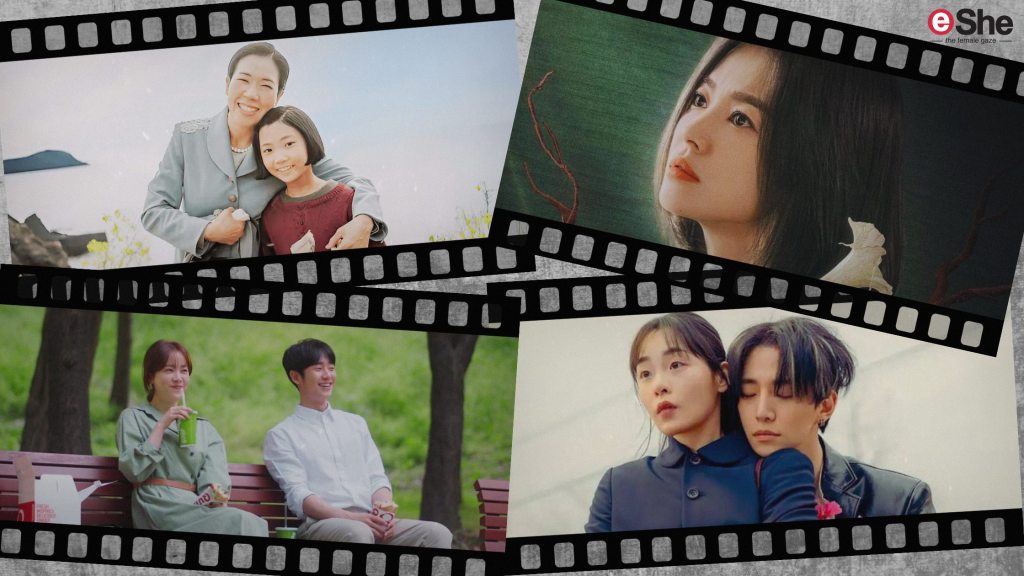
In the wake of a tragic suicide by three young sisters in Ghaziabad, media have been quick to blame Korean content for the girls’ mental-health issues. But this framing is irresponsible and ignores the real problem, writes Shweta Bhandral.
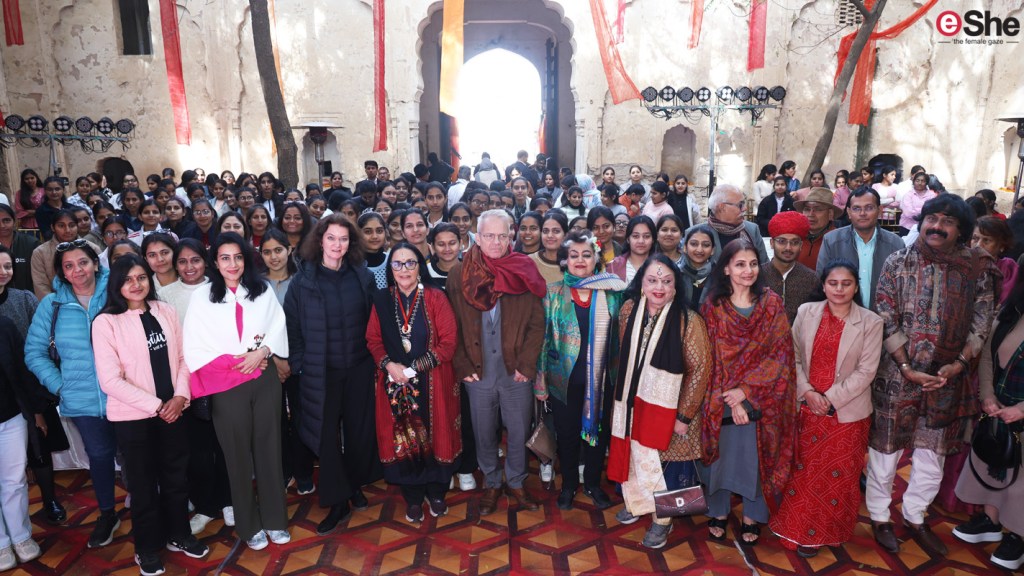
The 10th edition of the Vedaaranya Heritage and Healing Festival 2026 held recently in Ramgarh Shekhawati, Rajasthan, was all about women power, particularly in the sphere of India’s heritage, writes Neha Kirpal.
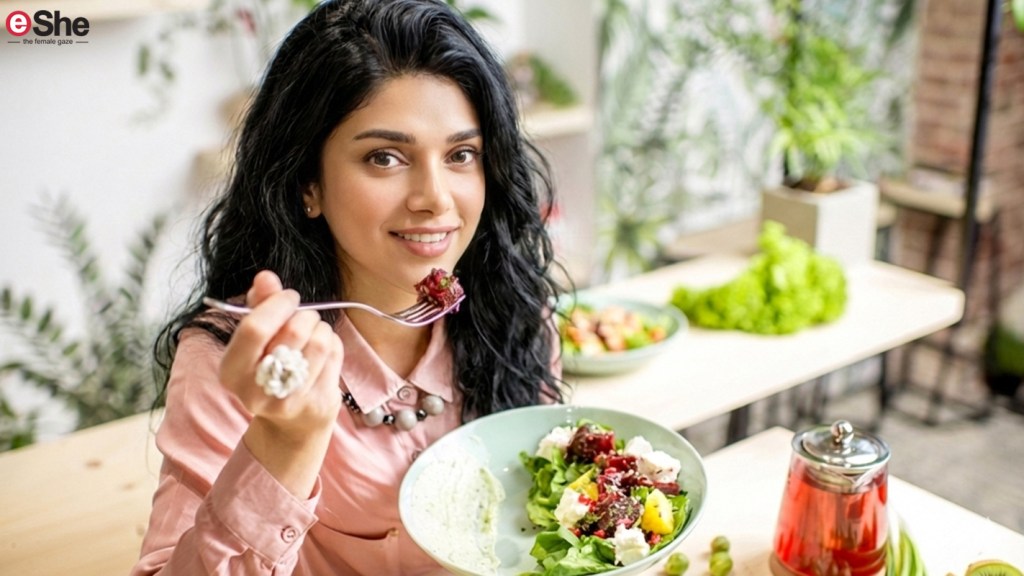
A shelf full of coveted creams and cosmetics is all very well, but do you know what kind of nutrition gives you gorgeous skin and hair? eShe’s beauty editor Hansa Makhijani Jain tells you what you need in your diet to look and feel your best.
Historian and educator Sravana Borkataky-Varma shares her personal connection with Kundalini, and why her professional scholarship on the tantric concept forced her to reckon with difficult questions of belonging and boundaries.
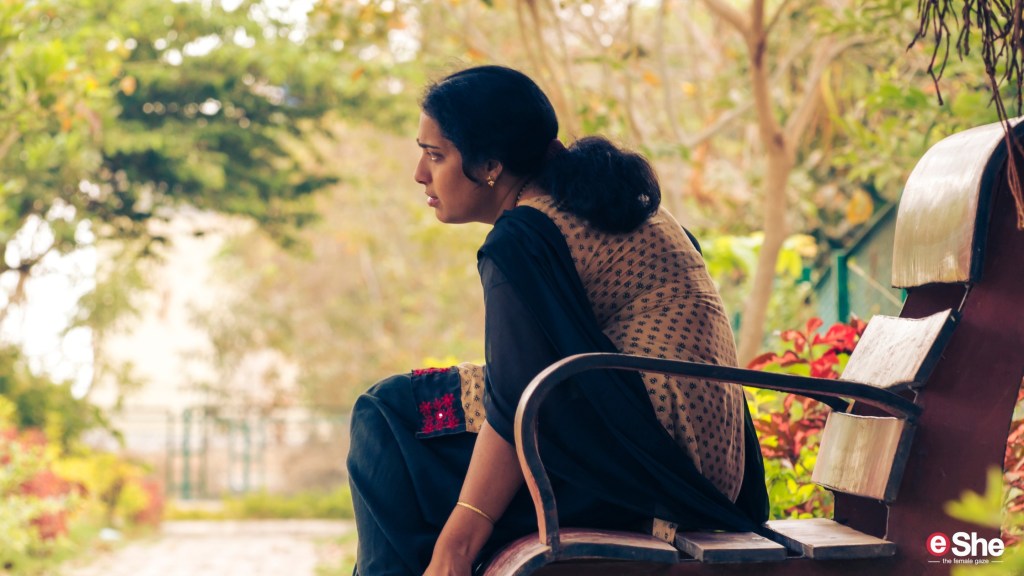
A married woman without children faces innumerable judgements and questions in India. But even though motherhood is idealised, the woman’s body is considered impure, notes filmmaker Shobhita Thakur.
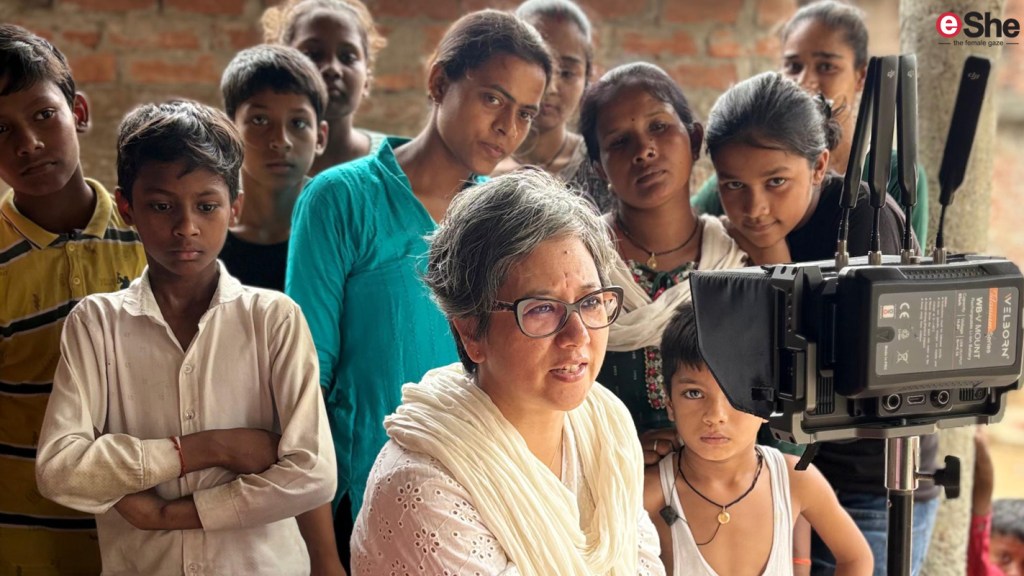
Filmmaker Vimala Rajkumari shares insights from a documentary shoot in an Uttar Pradesh village, where she learnt that – while gender injustice persists across geographies – social change is possible with consistent effort.
Modern society applauds work-life balance but ignores the fact that women bear a disproportionate share of emotional labour, caregiving and domestic duties. Author Aruna Joshi busts the myth of balance shaping womanhood.
Postpartum depression in India is not just a ‘private matter’ but a symptom of systemic neglect and a failure of public-health infrastructure. Rituals intended as care frequently become tools of emotional and social control, writes Dr Sapphire Mahmood Ahmed.
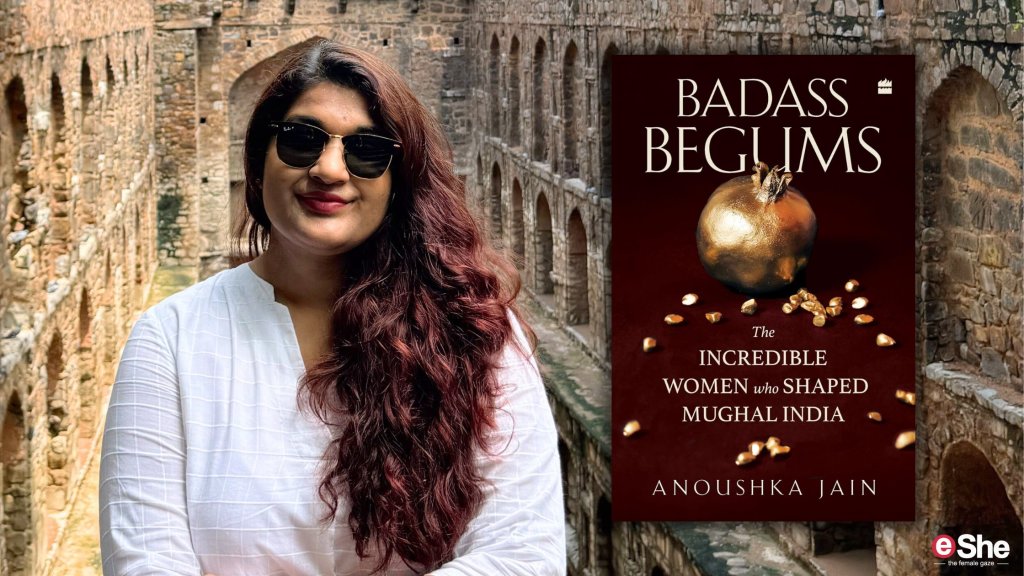
Art historian Anoushka Jain’s new book ‘Badass Begums’ challenges stereotypes of Mughal women by featuring 10 influential figures who shaped Delhi’s history as political strategists and urban planners. In this interview, she shares their stories and impact.
Delhi podcaster and filmmaker Arti Jain found several hidden advantages – from personal and gastronomical to social and even anti-social – of raising an adolescent.
When author Richa Tilokani faced repeated rejections from publishers, she applied the acceptance principle of Gyan Yoga to deal with the brush-off and bounce back. It went on to become the subject of her fourth book.
Foundations promise a flawless camera-ready complexion in a time of high-definition videos and closeups. But the variety is often mindboggling. eShe’s beauty editor Hansa Makhijani Jain suggests the best for your skin type.
In a brilliant new book ‘Inner Sense’, science writer Caroline Williams explains how interoception works to connect mind and body. Aekta Kapoor dives in, and finds clues to her own midlife metamorphosis.
Senior Indian journalist Nilova Roy Chaudhury regrets her country’s treatment of her Afghan counterpart who was denied a visa to receive an award, and had to flee for her life after the Taliban discovered her work.
Though modern Muslim women in Kerala are excelling in their careers, their domestic duties and caregiving obligations remain unchanged. Is this true gender equality, asks Dr Sapphire Mahmood Ahmed.
While protests and a government crackdown wrack the scenic Himalayan territory of Ladakh, one women-led enterprise is quietly rewriting the definition of tea, progress and sustainable entrepreneurship. Smriti Sinha reports.
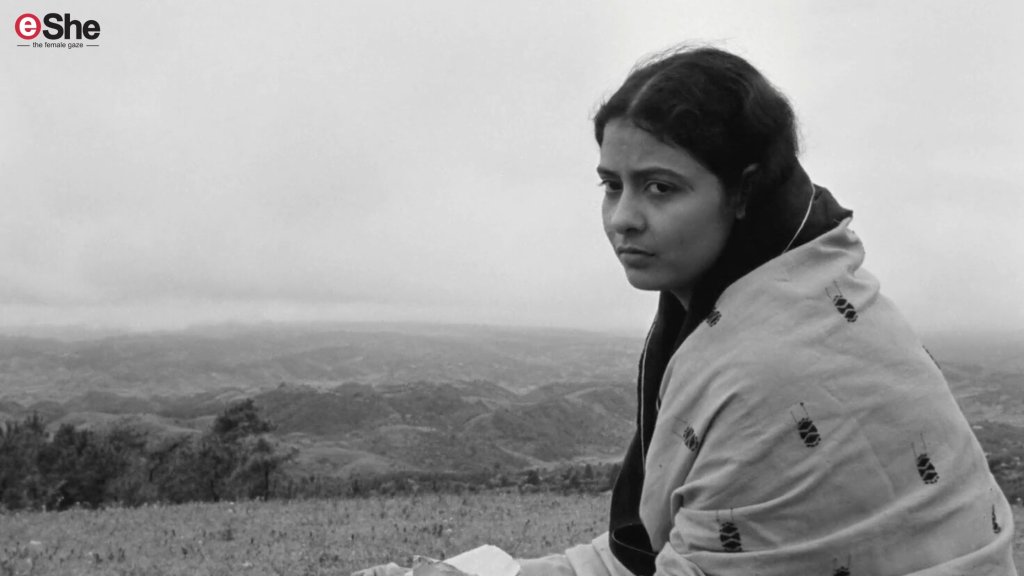
Who are the tribal women training AI data? Shailaja Rao reviews ‘Humans in the Loop’ and speaks to lead actor Sonal Madhushankar about these Adivasi and Dalit women giving meaning to machine learning.
With cases like actor Girija Oak’s AI-morphed images spotlighting the problem of online gender-based abuse, a new report urges stronger laws, faster takedowns, and safer digital spaces for women and LGBTQI+ people.