


By Sujatha Balakrishnan
Gender roles are assigned the moment we arrive on planet earth. From colour-coding (pink for girls and blue for boys), to toys (Barbie dolls and kitchen sets for girls, cars and tools for boys) or even the way we behave (“She is loud like a man”, “He cries like a girl”) – gender is a social construct. Society draws ‘gender lines’ and expects both men and women to colour within these lines.
The mumbling of my paati (grandmother) rings a bell in my ear. During my annual summer visits to Chennai as a child, I vividly recall my paati sitting on the armchair in the thinnai (verandah) mumbling to me, “It’s a curse to be born a woman; all our lives we live under the shadow of a man! We neither have a voice nor a choice.”
As I was just a 10-year-old child whose priorities were playing and stealing nellikai (gooseberries) from the neighbour’s backyard, I would respond with, “Paati, please don’t bore me!” My paati was neither a feminist nor a Mahakavi Bharathiyar to stand up for women’s rights. It was just her way of venting pent-up feelings of living in a gendered society.
As years went by, I came to understand the pain in my paati’s mumbling.
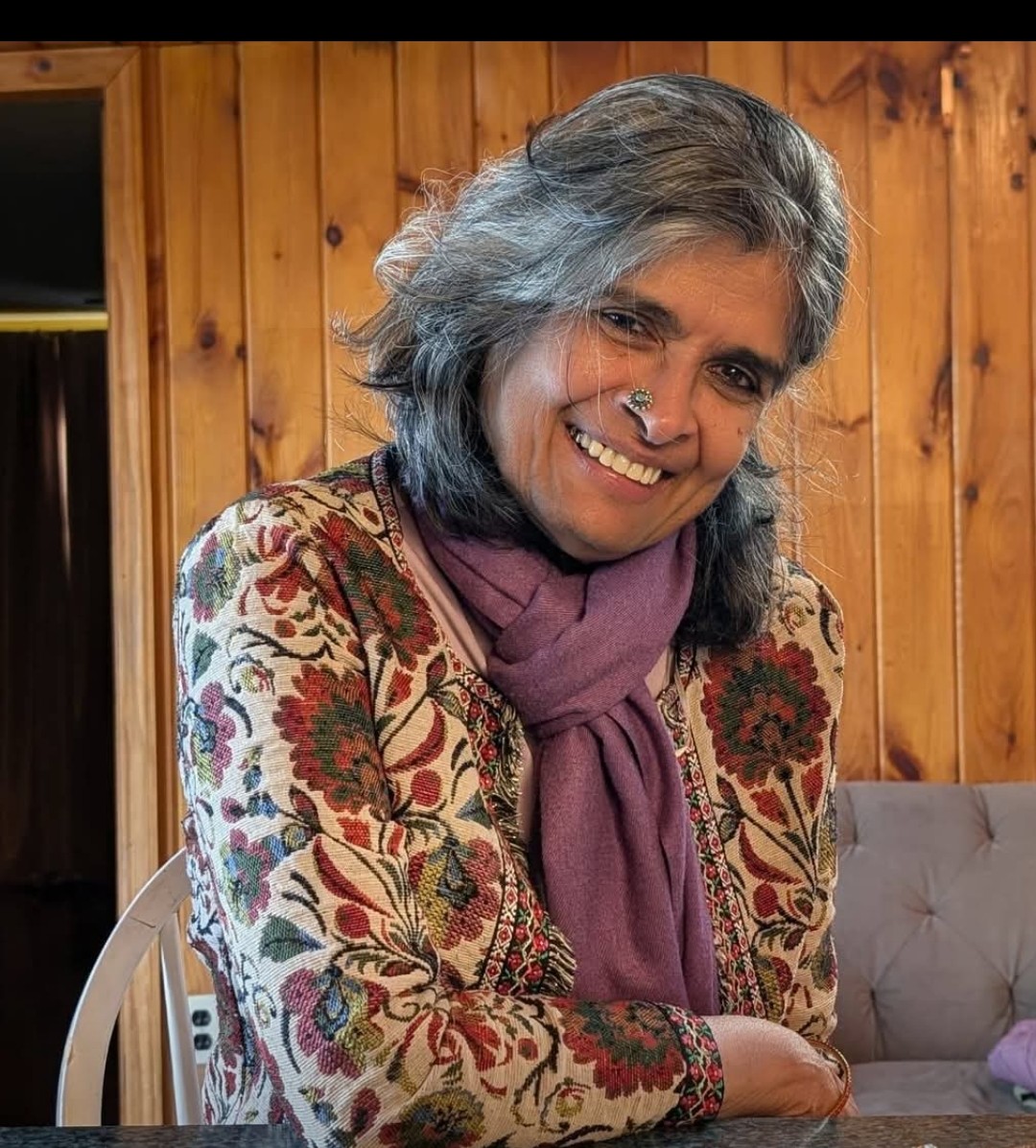
In college, I had a lot of desires. I wanted to do theatre, I wanted to be a model, I wanted to wear sleeveless tops and apply red lipstick. I was also in love. And everyone knows how heady young and forbidden love can be.
Being raised in a patriarchal environment, I was expected to bury all my chinna chinna asaigal (small, small wishes) and obviously marry someone of my parents’ choice! My college love was doomed to be temporary and I had an arranged marriage.
But coming from different cultural backgrounds, even in the wildest of my dreams, I didn’t think my present husband would turn out to be the love of my life, and that marriage would be the turning point for me.
My husband’s family was unlike my own; he was progressive and did not conform to gender roles. In the early days of our marriage, he told me something that no one had ever said to me before: “You need to make your own choices, Sujatha. Please remove the word permission from your dictionary and replace it with freedom.”
My husband’s words made me recall a short story by the gifted Tamil feminist writer, Ambai. Ambai writes about an urban researcher visiting a rural home. The host’s sister is soon to wed. The researcher asks her why she wants to get married.
With shining eyes, the young girl answers: “After marriage, I want to walk along the streets outside, every day. I want to eat a plate of snacks in a restaurant. I want to go to the cinema. I want to go to the store and choose my own sari. I want to see lots of places.”
For the young woman, marriage opened the gate to fulfill her dreams – with the escort of her husband, of course. In our society, it is still common for parents to tell their daughters, “You can do this after marriage if your husband allows you to.”
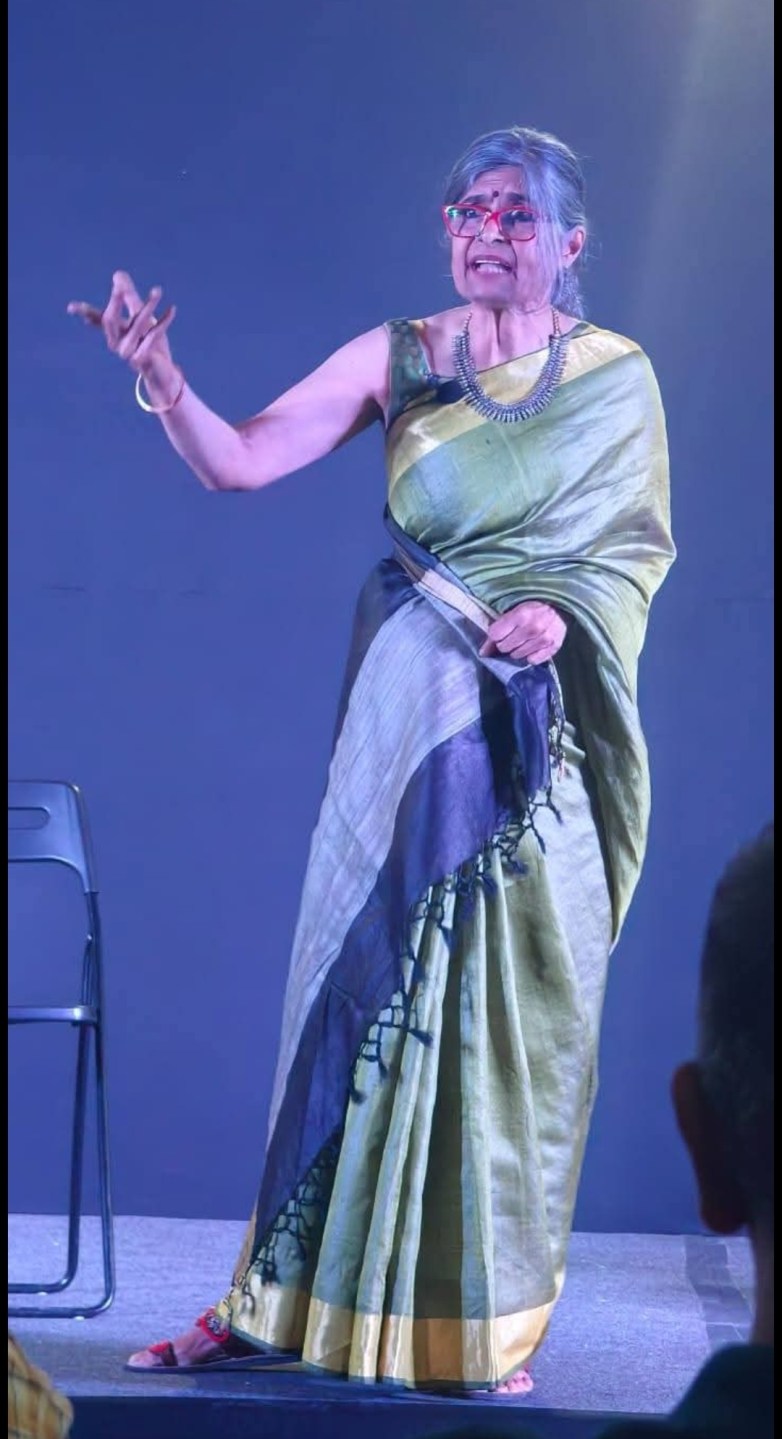
I am fortunate to have found a husband whose worldviews are different. My daughter was born a year after our wedding, and I decided my adventures were to be with her. Raised in a gender-free environment, she made life choices without succumbing to societal pressure. She grew into a well-educated and charming young woman.
Unfortunately, her outstanding qualifications turned out to be a disqualification in the marriage market! People around me said: “You should compromise on a choice of partner for your daughter as she is growing old. Career can wait but good alliances cannot. Of course, her work is good, but as parents, you should ensure she has a family. After her parents are gone, who will be her family?”
My daughter was keen on pursuing a PhD and becoming a professor. As I watched her chase her dreams, I realised that I myself had made different choices when I was her age. I had prioritised my family over my career. Why did I do that? Was it my natural predisposition to be a mother? Was it a biological instinct? Or was it that society conditions us to think that a woman’s primary responsibility is to her family?
Even in cases where women juggle paid work and family care, women feel guilty for not spending enough time with their families and on their caregiving activities. I’ve rarely heard of men feeling the same guilt. People say that a mother’s love cannot be surpassed, or that women are best suited for parenthood. So, were my choices biologically driven? I think not.
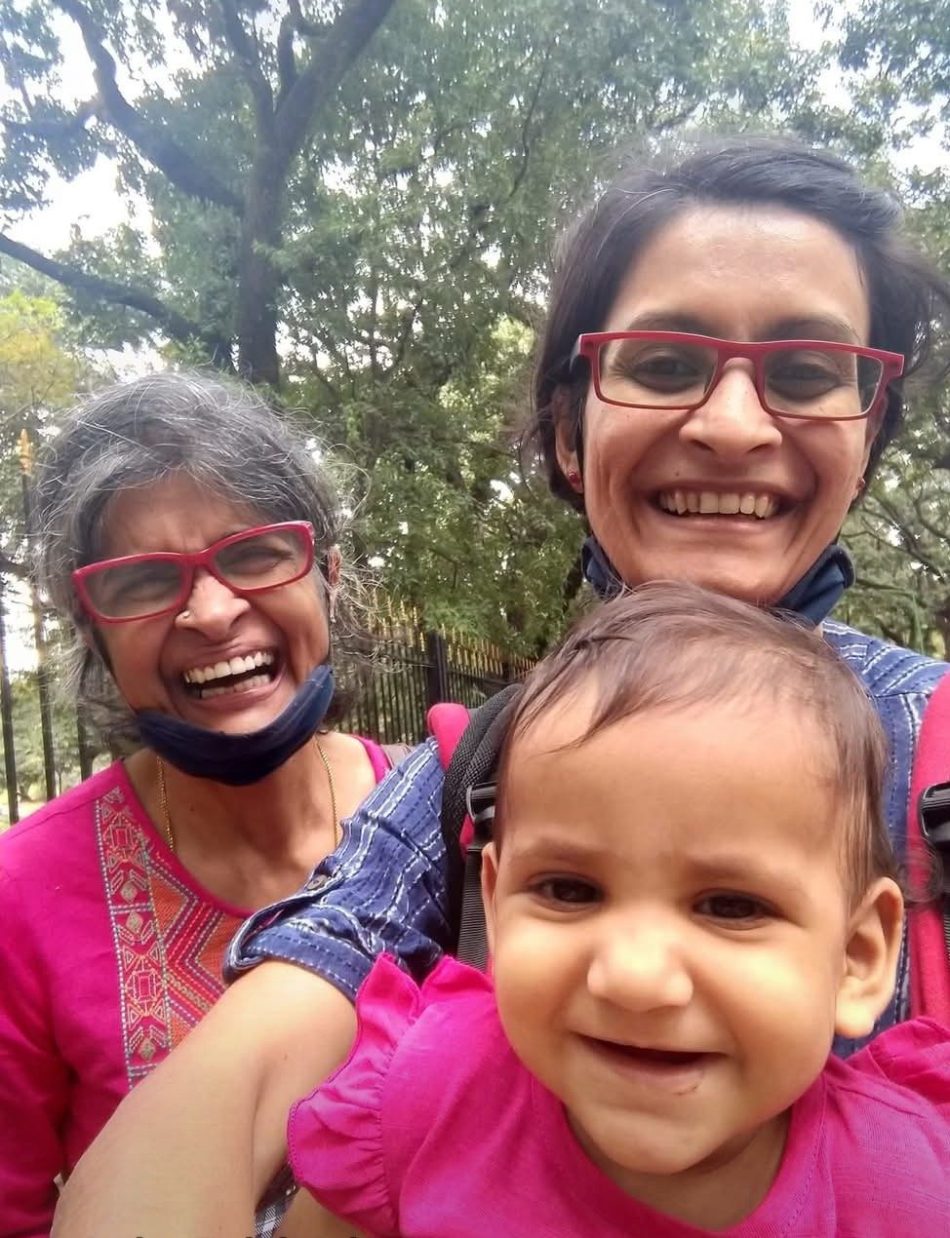
When I see my husband’s love for his nephew, I know that parental love is born from nurture, not nature. My husband’s nephew was three months old when he lost his parents. My husband became the primary caregiver: he stayed awake with the crying infant all night, he changed the baby’s diapers, he woke up at odd times to feed the baby.
My husband’s love for his nephew is equal to any mother’s love for her child. I wonder how different our world would be if all men are caregivers. Imagine the difference this would make to our homes, our communities, our governments and our corporations.
Society draws ‘gender lines’ and expects both men and women to colour within these lines. But what about those of us who choose to colour outside these lines? Those of us who thrive by colouring outside these lines?
What about people like me who express ourselves through bold theatrical roles and act in plays like The Vagina Monologues at the age of 58, and want to enter new fields even at the age of 68?
What about people like my daughter who choose to stay single and redefine the notion of family by adopting a child, or another who forms a family by living with friends or sheltering pets?
What about those of us who want to splash the rainbow with new colours? Make way for us!
Sujatha Balakrishnan is a teacher, counsellor and a theatre practitioner based out of Bangalore and Berkeley. Theatre for Change, her not-for-profit community theatre collective, questions systems of power that have silenced voices for long.
Discover more from eShe
Subscribe to get the latest posts sent to your email.
 eShe
eShe 
Thank you for sharing your beautiful story with us. This essay is so thoughtful and inspiring. Excellent work
LikeLike
Sujatha, I love how you always give voice to issues that matter — even if it’s unfortunate that, in this day and age, these should have been the norm and yet still require us to fight for and defend them. What’s particularly powerful is how you and your husband haven’t just practised empowerment for yourselves and other women, but carried it forward to your daughter — and now her daughter too. Keep the momentum going. May your tribe increase!
LikeLike
Truly such a well written article and resonates so well with many of us who have either heard this or experienced it in some form ! Hats off to uncle for saying this to you aunty .. “ You need to make your own choices, Sujatha. Please remove the word permission from your dictionary and replace it with freedom.”
And also big Kudos to you and dear Sai for following your passions and enjoying marching to the beats of your own drums ! And above all being an inspiration to so many of us .
LikeLike