

By Hansa Makhijani Jain
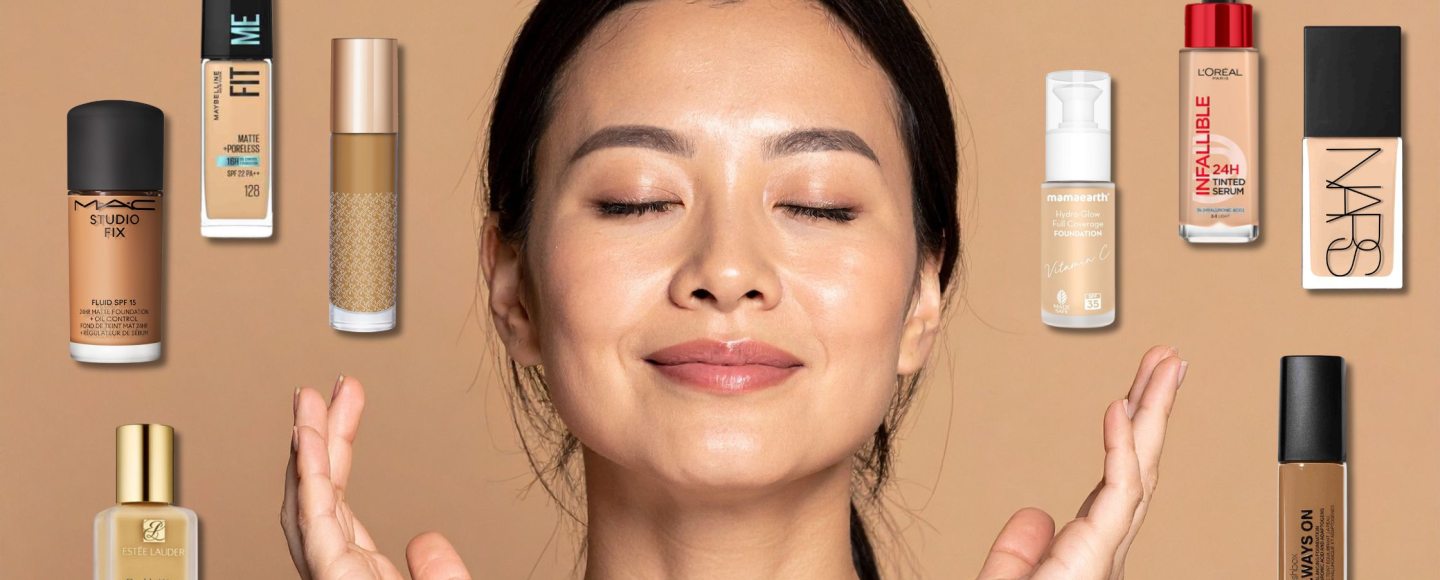
Back in the day when we were little girls snooping around in our mother’s vanity cases, we would always find a bottle labelled ‘Foundation’. That magic bottle would always make its way out of the makeup box on special occasions. It hid all the imperfections on the skin and got our moms ‘party-ready’.
It was a simpler time. Foundation was mostly liquid. And it had only one job – to provide coverage. No matter what your skin type, foundation was the same for everyone with an average of three to five shades.
Cut to current times, it’s overwhelming to go to a store and pick a foundation. It’s an even more daunting task to do it online – unless you’re reordering your usual one.
Foundation or base or makeup base gained popularity in the 1950s as more women entered the workforce globally than previous decades. While previously, makeup was considered a tool only for those in the film industry or sex work, more ordinary women began to ‘do up’ their faces as they stepped into professional roles. There was a need to look groomed and presentable, and foundation was usually the first step to achieve that.
However, it’s not just the attitudes towards makeup that have changed. Products have also undergone a huge transformation. Gone is the ‘pancake look’ that foundations mostly resulted in.
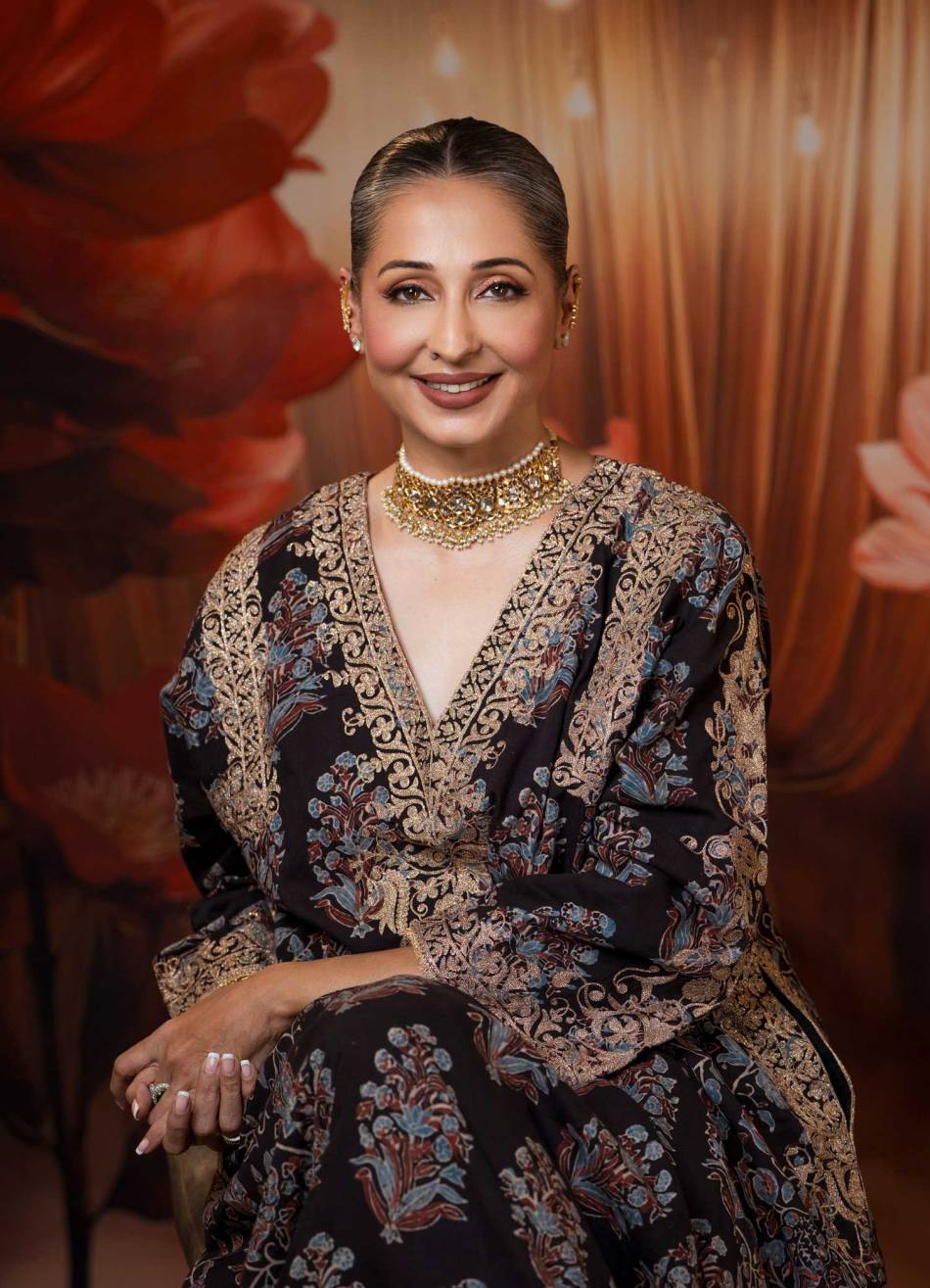
“In my 21 years as a makeup artist, I have seen foundations evolve massively. They are now far more long-lasting, lightweight, and skin-like compared to the heavier formulas we started with,” says well-known Delhi-based makeup artist Chandni Singh, founder of the Nari Studio.
“Shade ranges have improved dramatically, with better undertones for Indian skin. We also have skincare-infused textures, cleaner pigments, and finishes that look flawless both in person and on camera,” she adds.
Making the commitment
Finding the perfect foundation is almost as hard as finding ‘the one’. There are so many different types and formulations – stick, liquid, powder, cream, hydrating, mousse, mattifying, dewy, and what have you.
Then there is the viral ‘cushion foundation’ that is doing the rounds of late. “It is a compact style design with a sponge inside filled with lightweight foundation. Offering a medium buildable coverage, it can be conveniently carried around in your bag and comes with a puff for easy application,” Singh says.
Customised foundation has also entered the market recently, allowing you the luxury of scanning your face in a few areas like the cheeks, forehead and chin. It then figures out the exact tone and undertones of your skin. In a matter of minutes, you get a pot with a base and yellow, red and blue pigments that can be blended – your own genie in a bottle.
The perfect base just makes your whole look fall in place. But with so much out there, how can we pick the right one for our skin? “I pick foundations depending on my client’s skin type (if it is dry, combination or oily). I also keep the weather in mind and of course my client’s preference in terms of coverage,” says Singh.
As a makeup artist, Singh is partial to liquid formulas. “They are easy to blend and you get all kind of formulas in different finishes like satin, dewy, semi-matte and matte for different skin types.”
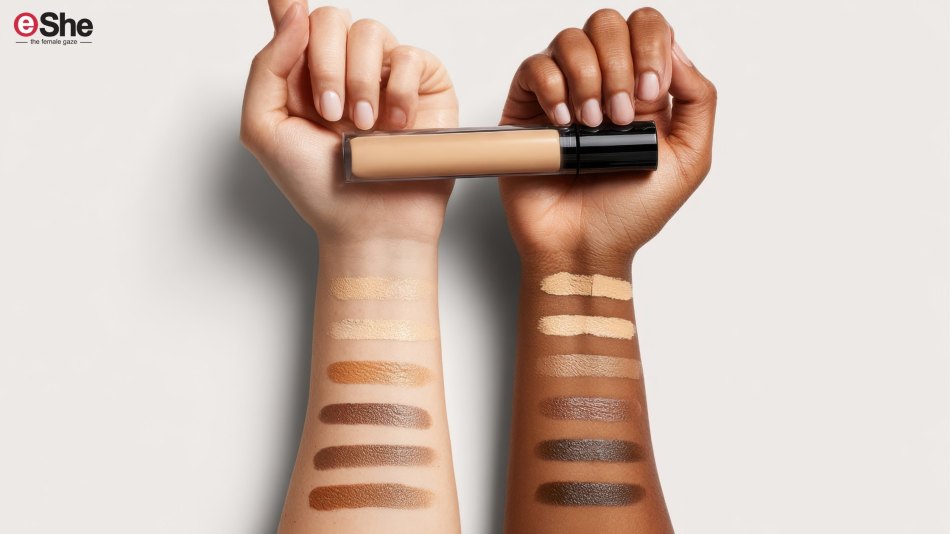
And yes, when you are trying them on, do it at the inner forearm as that is the closest match to your facial skin. Also, make sure your skin is moisturised.
Dry skin
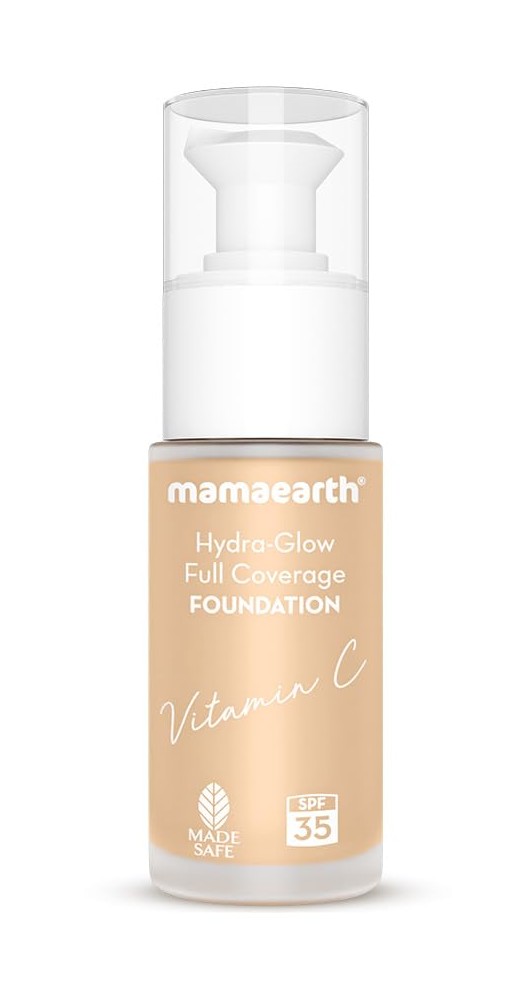
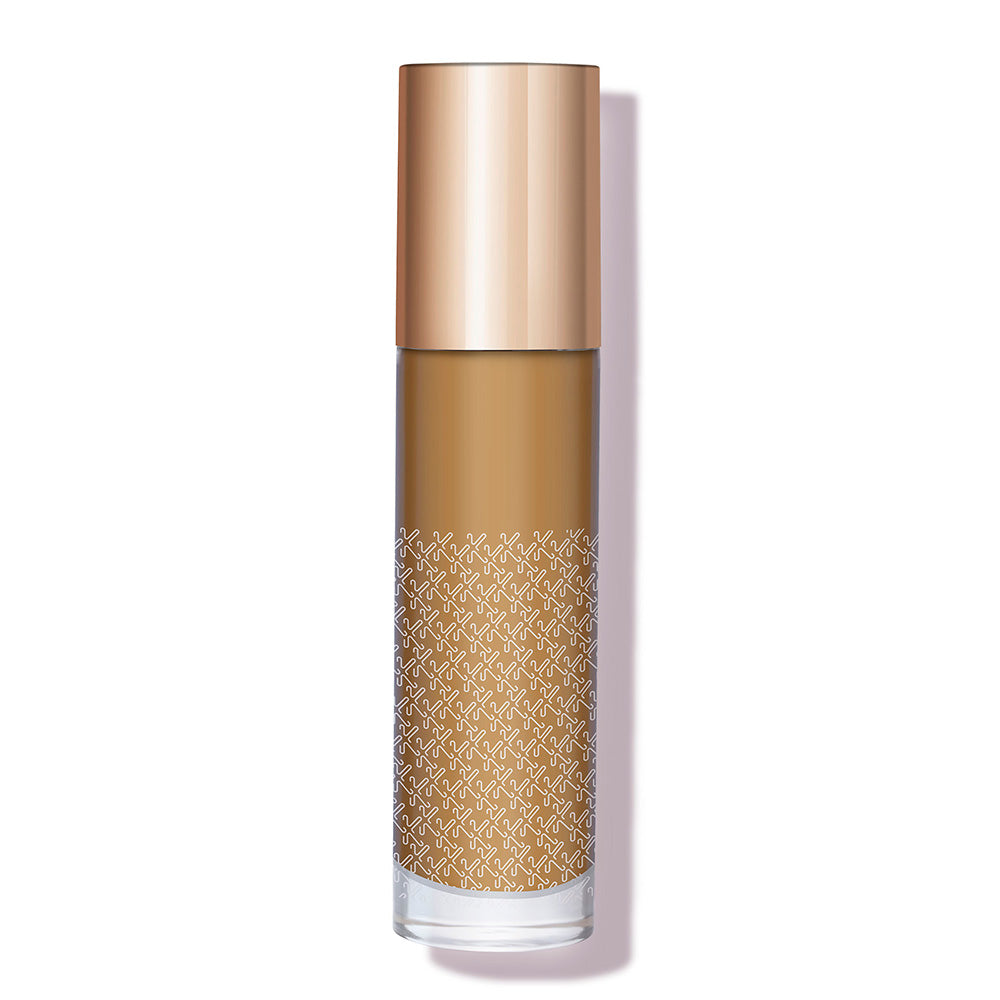
With dry skin, you want to steer clear of anything that says ‘mattifying’. Even if you are in a hot and humid place, matte foundations won’t do you much good. “If you have dry skin with zero or no issues, I recommend dewy, hydrating formulas with less coverage,” Singh says.
Combination skin
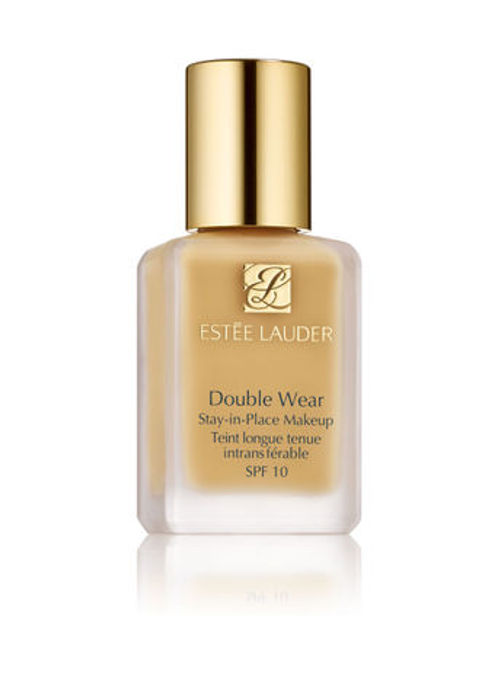
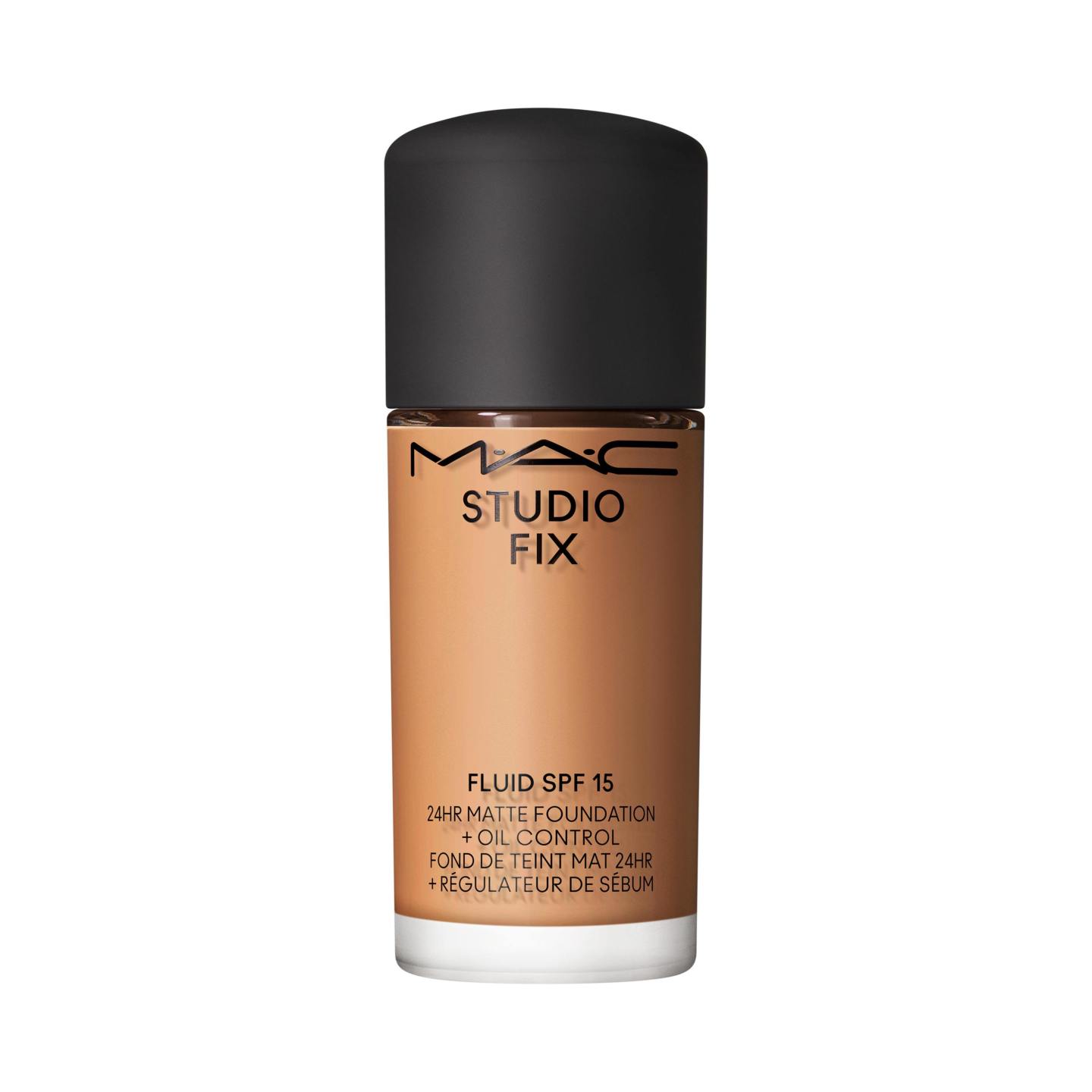
This is tricky because you want to control shine in some places and enhance in others. “Semi-matte formulas work well for this skin type,” says Singh. You also want something to seal in the formula. So dust some loose powder over the skin, especially the T-zone.
Oily and acne-prone skin
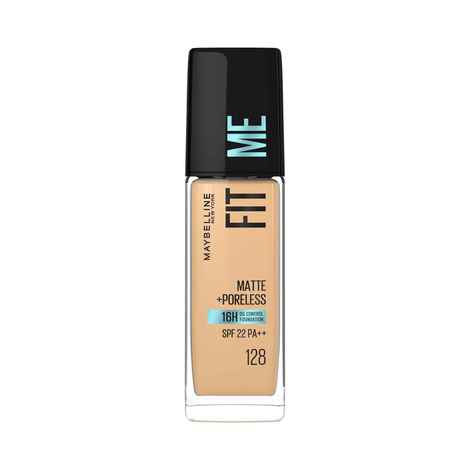
“If you have oily skin, I recommend matte formulas with thin or thick consistency depending on preference,” says Singh. Look for terms like ‘oil control’, ‘skin balancing’ and ‘sweatproof’. It’s an added bonus if it has a built-in primer to cover up enlarged pores.
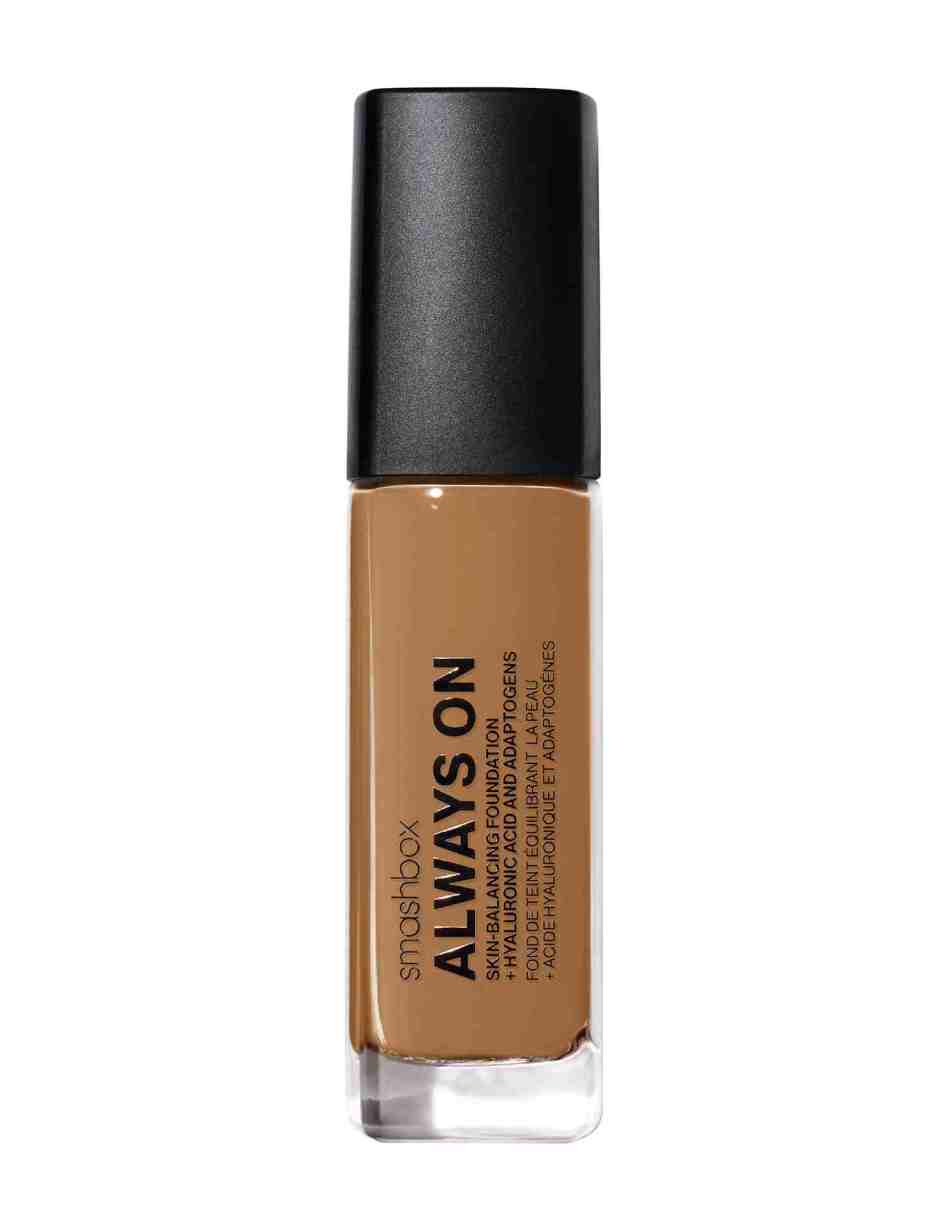
Mature skin
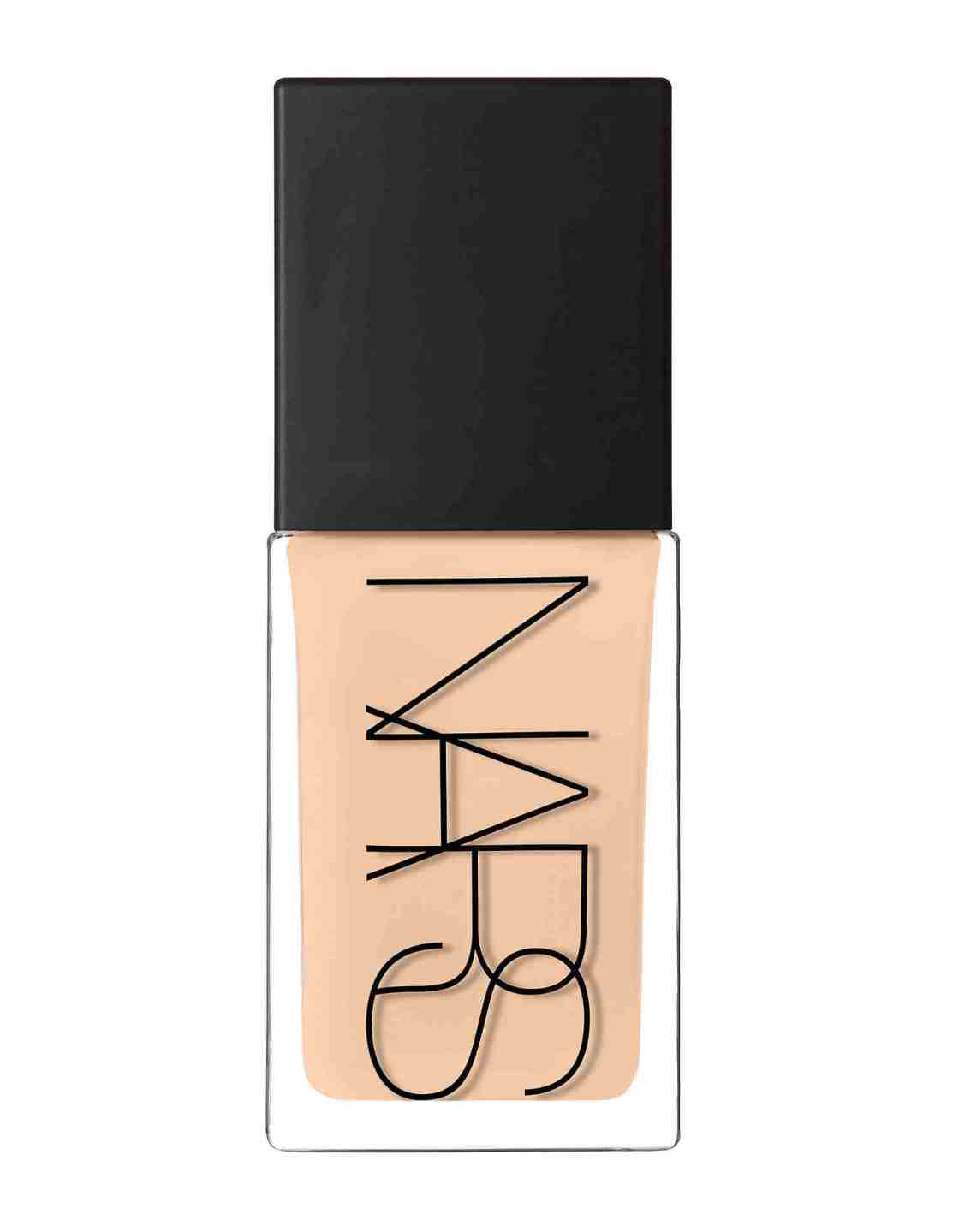
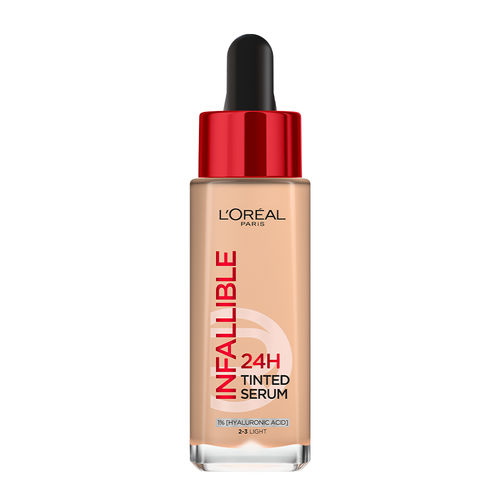
On older skin, foundations have a tendency to settle in the creases and look patchy. Look for semi-matte formulas with thin consistency, advises Singh. You can also try serum-infused foundations for daily wear that offer coverage and skincare in one product.
“Compared to regular foundations these are glowing, with thinner consistency. They are great for everyday wear. But if you are looking for something long-lasting, it won’t work as well as a normal foundation,” says Singh.

eShe’s beauty editor Hansa Makhijani Jain may as well have been born with a lipstick in her hand. She’s been writing about the beauty biz for almost two decades. Follow her on Instagram.
Discover more from eShe
Subscribe to get the latest posts sent to your email.
 eShe
eShe 
why cani leave my questions
LikeLike
Hello! You can leave your questions here, and our beauty editor will reply to them as soon as possible!
LikeLike