


By Sapna D. Singh
Sustainability in design is no longer optional but a necessity and responsibility. With climate change and environmental degradation accelerating, many designers are now leading the shift in India toward sustainable, responsible and resilient architecture.
On the outskirts of Mumbai in Khopoli stands Airavat, a home named after Lord Indra’s celestial elephant, a symbol of strength and legend. Designed and built by Apoorva Shroff, founder of Lyth Design, Airavat is more than a residence; it’s a personal and professional statement about sustainable living.
Started in 2018 and completed in 2021, the project faced significant challenges. There was no road access, no water supply, and it was a remote location. “These constraints made sustainability not just a design choice, but a necessity,” says the Mumbai-based architect.
Natural ventilation and passive cooling were integrated to reduce reliance on artificial systems. The home’s thoughtful design earned it a finalist spot at the World Architecture Festival – a proud moment for Shroff and her team.

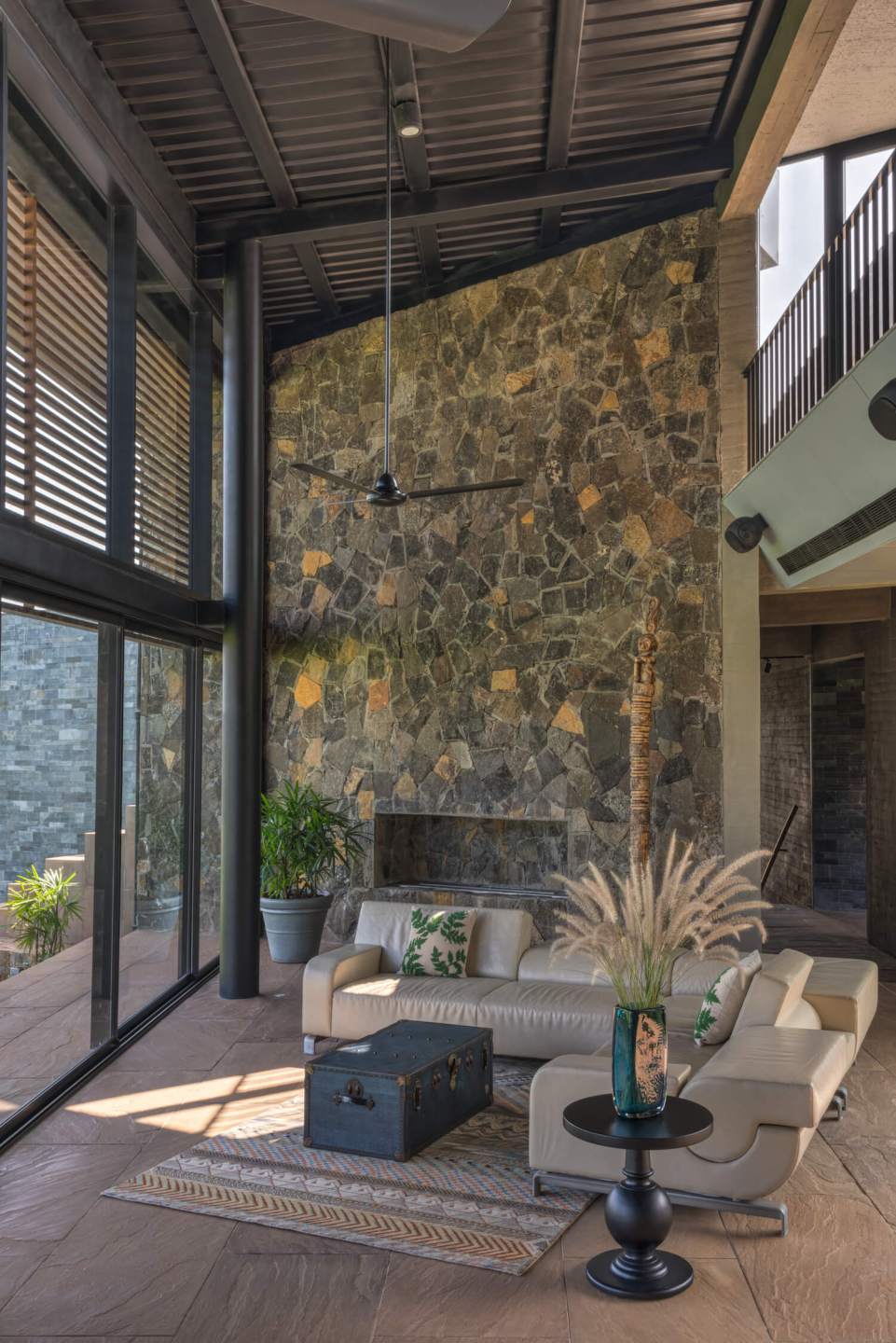
Airavat reflects a philosophy of connection – with nature and with people. “Every room offers a framed view of the landscape,” Shroff explains. “We planted large trees within the home to create a green spine that ties the spaces together and keeps the family connected.”
Shroff is one of a growing breed of architects and interior designers who aim for a balance between creativity, care, practicality and aesthetics. Building on a sustainable vision, their designs go beyond stone, wood and material choices; they embody emotion, engage the senses, and create spaces that feel deeply human.
“My inspiration has always come from the belief that built spaces must coexist with nature,” says Amrita Gupta, Jaipur-based chief interior designer and director at Manglam Group. “Watching unchecked urbanisation strain ecosystems only strengthened my resolve to design differently.”
Gupta launched the Heal My Earth initiative to promote green communities and eco-conscious living. It focuses on vertical gardens, urban biodiversity, and natural materials. “We want our spaces to feel alive and in harmony with the environment,” she says.


For Gupta, sustainability and aesthetics go hand in hand. “We integrate natural light, ventilation, earthy textures and locally sourced materials to create designs that are both elegant and environmentally responsible,” she says.
Creating viable design spaces for the modern world means balancing functionality, longevity and environmental responsibility. The true impact of design is measured not only in visual appeal but in how it transforms the way people live and interact with a space, says Gupta.
“Tangibly, it’s about how efficiently our projects use resources, reduce carbon footprint, and add value to communities. Intangibly, it’s about the joy people feel a sense of comfort, pride and belonging. When design uplifts lives while staying mindful of the planet, that’s when I know we’ve truly made an impact,” she shares.
In Gupta’s view, meaningful leadership in this field is not about breaking stereotypes but about creating impact. “This industry thrives on diverse perspectives, and women bring a unique blend of empathy and creativity to design,” she says.

Sindhu Dogra, founder and CEO of Divine Interiors, also integrates sustainability into every phase of her design process. “From concept to execution, our projects reflect a commitment to eco-conscious choices, material efficiency, and long-term resilience,” says the Delhi-based interior designer.
“Even the smallest details – such as choosing low-VOC paints and finishes or installing water-saving fixtures customised to regions with limited water supply – play a vital role in our pursuit of sustainability,” adds Dogra, whose portfolio spans airport offices, modern retail spaces, mall interiors, rapid transit metro stations, government contracts and complete turnkey infrastructure projects.
Such projects often demand an eye toward sustainable innovation along with practical elegance. “We work with local artisans, minimise waste, and choose materials that are recyclable, biodegradable or low-impact,” she explains.
She shares an example of a project in Leh, Ladakh. Located at a high-altitude, ecologically sensitive zone, it required a climate-responsive approach. “Every interior element was selected to minimise environmental impact,” Sindhu explains. The project demonstrated how design can adapt to geography and harmonise with nature, even in the most challenging terrains.

Shroff’s latest venture at Ashoka University in Haryana shares this commitment. She’s experimenting with bamboo, a resilient, sustainable material. She has designed the ‘Bamboo Pavilion’ nicknamed the ‘Hungry Caterpillar’ at the campus. Unveiled last month, the pavilion is designed as an organic, interactive space where students can gather and engage in a more informal, nature-inspired setting, Shroff says.
“In the past, I’ve incorporated bamboo more as a secondary element, for detailing, finishes, or smaller interventions, rather than as the core structural material. But with time, I’ve grown more confident in pushing its potential as a primary material in larger projects,” Shroff shares.
Shroff believes that women architects and designers bring a distinct edge to their work. “Being a woman has given me a heightened sensitivity toward the human aspect of design. I tend to look at spaces not just as structures, but as environments that nurture, comfort and inspire people,” she says.
She gives an example of an orphanage in Bandra, Mumbai, that she has been visiting since childhood. “Reimagining that space into a vibrant space for children felt deeply personal and fulfilling because it allowed me to give back to a community that had shaped me,” she says.


Delhi-based architect and interior designer Vishakha Saxena, cofounder of Atrium Design Studio, believes there are various ways of creating sustainable architecture. “An obvious one is to relook at existing buildings and structures and reimagine them, renovate them and give them a new lease of life. It leads to reduction in material wastage; reduces load on landfills; and recycling and upcycling of things often leads to enhanced creative solutions,” she says.
Saxena’s firm handles various typologies of architectural projects across the country. From getaway homes and resorts to offices, schools and hospitals, the award-winning firm has built a reputation of customised, contextual and environmentally sensitive work.
One such project was a school for underprivileged meritorious students in rural Uttar Pradesh. The design parameters included low costs of building and maintenance; and climate-responsive architecture focusing on cross-ventilation and maximisation of natural light.
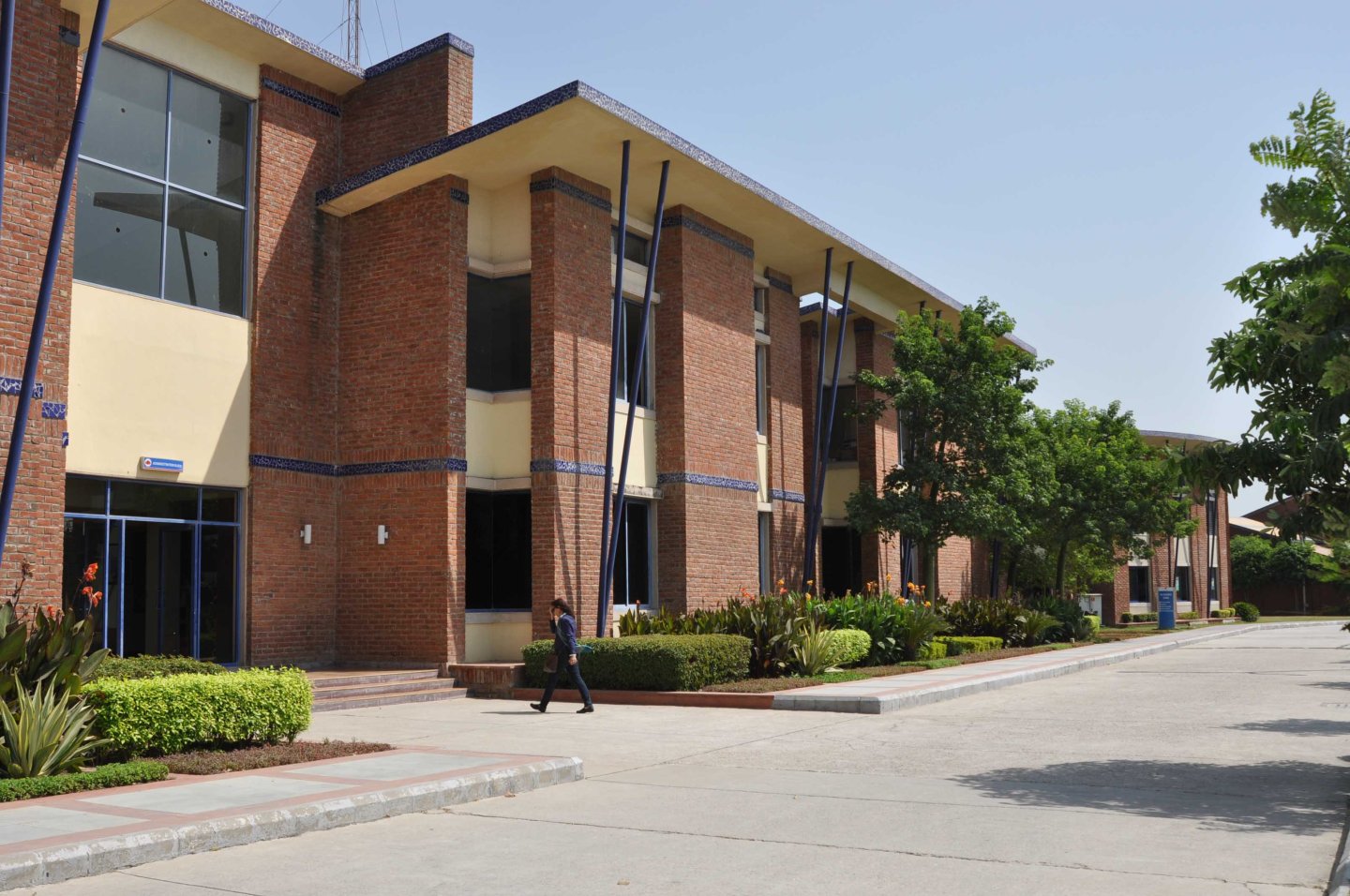

Using simple materials like brick and china mosaic, the design approach was “inspired by rural India’s community living open spaces of which courtyard planning forms the core design element,” says Saxena.
Another project of Saxena, a vacation home in Uttarakhand, was inspired by the features of vernacular Kumaoni houses with upper levels having better exposure to sunlight used for living and lower levels used for services, storage, cattle shed, and so on.
“The idea was to create a modern home that works with the natural lay of the land to create multilevel spaces, minimising cutting and filling of land. The building was planned on site in a way that no existing trees were cut,” says Saxena.


“My gender puts me at a great advantage as an architect,” smiles Saxena. “The innate talent to multitask; to get into nitty-gritties of space planning; to think and overthink functionality of every element of design; the ease of being able to communicate lucidly with everyone involved in project; and the patience to deal with countless things that can go wrong at any given point – these are all powerful tools in this profession.”
These architects and designers are reshaping the landscape and the industry – proving that sustainability, empathy and innovation are not only compatible, but essential to building spaces that truly matter.
Discover more from eShe
Subscribe to get the latest posts sent to your email.
 eShe
eShe 
A well-crafted writeup of the amazing work these women are doing!
LikeLike