

By Neha Kirpal / Sapan News Network
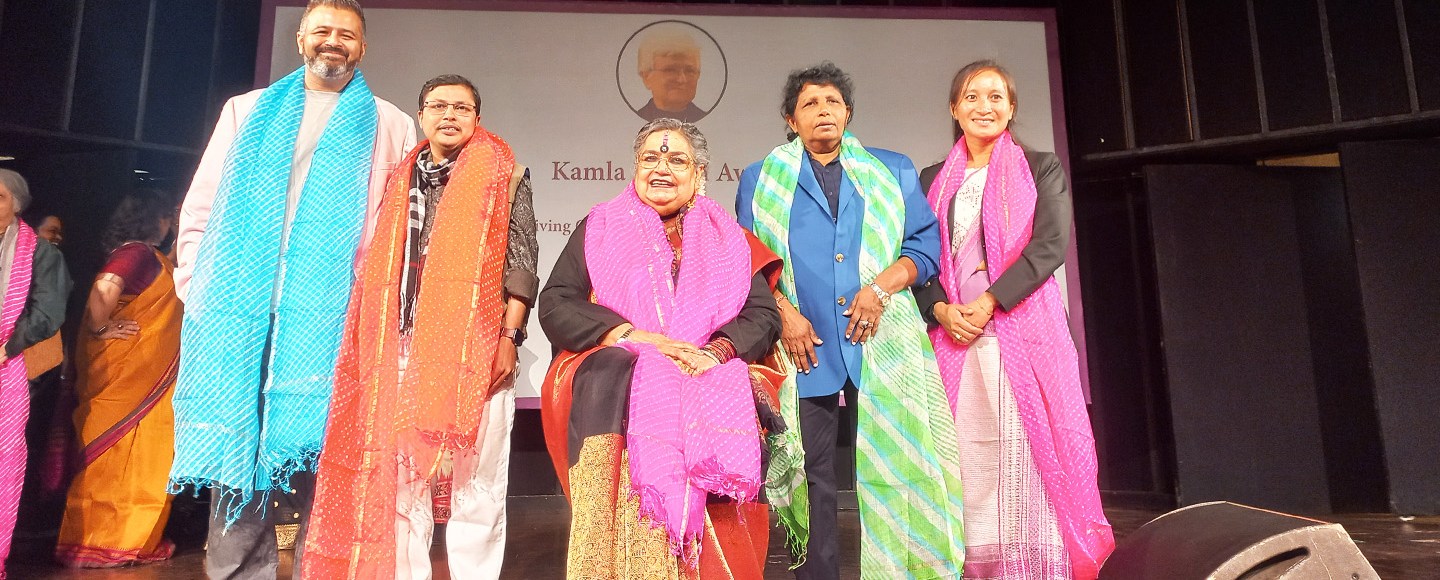
At the third edition of the Kamla Bhasin Awards for Driving Gender Equality Across South Asia that took place in New Delhi recently, pioneering Bangladeshi sportswoman Jaya Chakma beamed while being conferred a special jury award. “Being a woman referee doesn’t stop me from showing a red card in a men’s tournament,” she said to the packed auditorium.
Bangladesh’s first and only female football referee and coach accredited by FIFA, the international football association, Chakma, who hails from a minority tribe, has shattered gender and societal barriers to create opportunities for women in football. “As a football coach and referee, I can teach both men and women,” she added.
The awards are named after the late Kamla Bhasin, the iconic feminist, poet, author, and pioneer of the South Asian women’s rights movement. Born in 1946 in Lahore, Kamla Bhasin passed away in Delhi in 2021, having fought all her life for equality, justice and cross-border peace and dialogue.

Three India-based nonprofits jointly launched the awards in 2022 to recognise individuals who work to challenge patriarchy, promote gender justice and inspire meaningful societal change.
The collaborating organisers include the Azad Foundation, which helps women in marginalised communities with skills development and employment opportunities; iPartner India, which provides consulting, funding, and other services to non-governmental organisations and social enterprises; and the National Foundation for India, which supports grassroots organisations through philanthropy and partnerships.
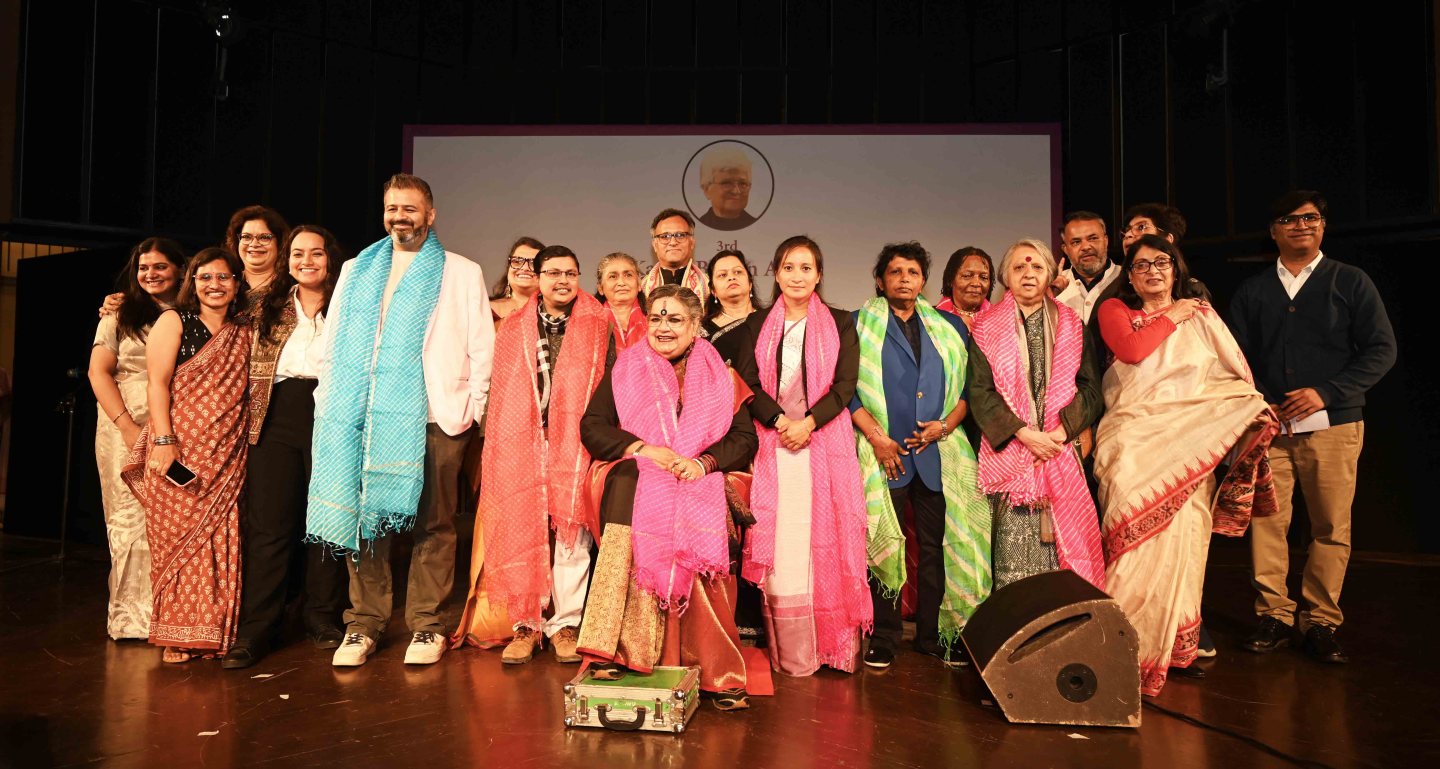
The 500-seater auditorium at the India Habitat Centre, filled with supporters across ages and professions, resounded with applause as the awards were conferred. Besides Chakma, the inspiring individuals who received the honour were Lalitha Ranjani, a trailblazing trade unionist from Sri Lanka; Sunil Mohan, a transman from Bengaluru; and Nikhil Taneja from Mumbai, who launched the youth mental health platform Yuvaa.
Taneja aims to enable the next generation to “grow up in safe spaces where they do not feel lonely.”
Ranjani is the founder and chief organiser of the Textile Garment and Clothing Workers Union, the first women-led trade union in Sri Lanka that strives to form women’s trade unions at worksites. She also plans to establish a federation of unions affiliated with the textile and clothing worker unions.
Mohan, who is based in Bengaluru, has dedicated 20 years advocating for gender equity and trans rights in India through legal advocacy, crisis intervention and community-based initiatives, impacting over 3,000 individuals. “I don’t want others to face the struggles I’ve faced because of my identity,” said Mohan, who is also former captain of the Kerala women’s cricket team. “This is why I began working on these issues.”
Kamla Bhasin was associated with several organisations and movements across the globe. She co-founded Sangat, a South Asian women’s network now headed by her close friend and colleague, the feminist and environmentalist Khushi Kabir from Bangladesh.
Bhasin also founded Jagori, a women’s rights nonprofit in India. An integral part of the global One Billion Rising movement, she served as a coordinator for the ‘1000 Women for the Nobel Peace Prize’ initiative in 2005, which nominated 1000 women from around the world for the prestigious award.
“Kamla always said that without peace in South Asia, there could be no
progress. She believed that walls, when turned sideways, become bridges. Her message is more relevant today than ever,” said guest of honour, former President of Sri Lanka Chandrika Bandaranaike Kumaratunga, addressing the audience through a recorded video message.
The awardees were selected after a rigorous process by a six-member jury chaired by Sri Lankan diplomat and human rights advocate Radhika Coomaraswamy. “Kamla was a beacon of light for women across South Asia, and her legacy continues to inspire us all,” she said, addressing the audience.
Other jury members who spoke at the event included Khushi Kabir, a core member of Southasia Peace Action Network (Sapan), that Kamla Bhasin also supported. “I have felt today that some people live on because of who they are, the lives they have touched, and what they have been,” said Kabir.

Jury member Binda Pandey, a member of Nepal’s Constituent Assembly and former member Parliament, termed Bhasin as “the icon, strength and inspiration of the feminist movement in South Asia.”
The jury included award-winning Pakistani journalist Munizae Jahangir, daughter of the late iconic human-rights lawyer Asma Jahangir, who was close to Bhasin. Jahangir was unable to attend due to visa constraints.
The energy in the auditorium was palpable. When the popular singer Usha Uthup, known for her pop, filmi, jazz and playback singing in films began her performance, she brought the house to its feet. Audience members stood up to join Uthup, recipient of India’s prestigious Padma Bhushan award. They sang and danced with abandon, particularly the women drivers from the Azad Foundation-backed Sakha cab service.
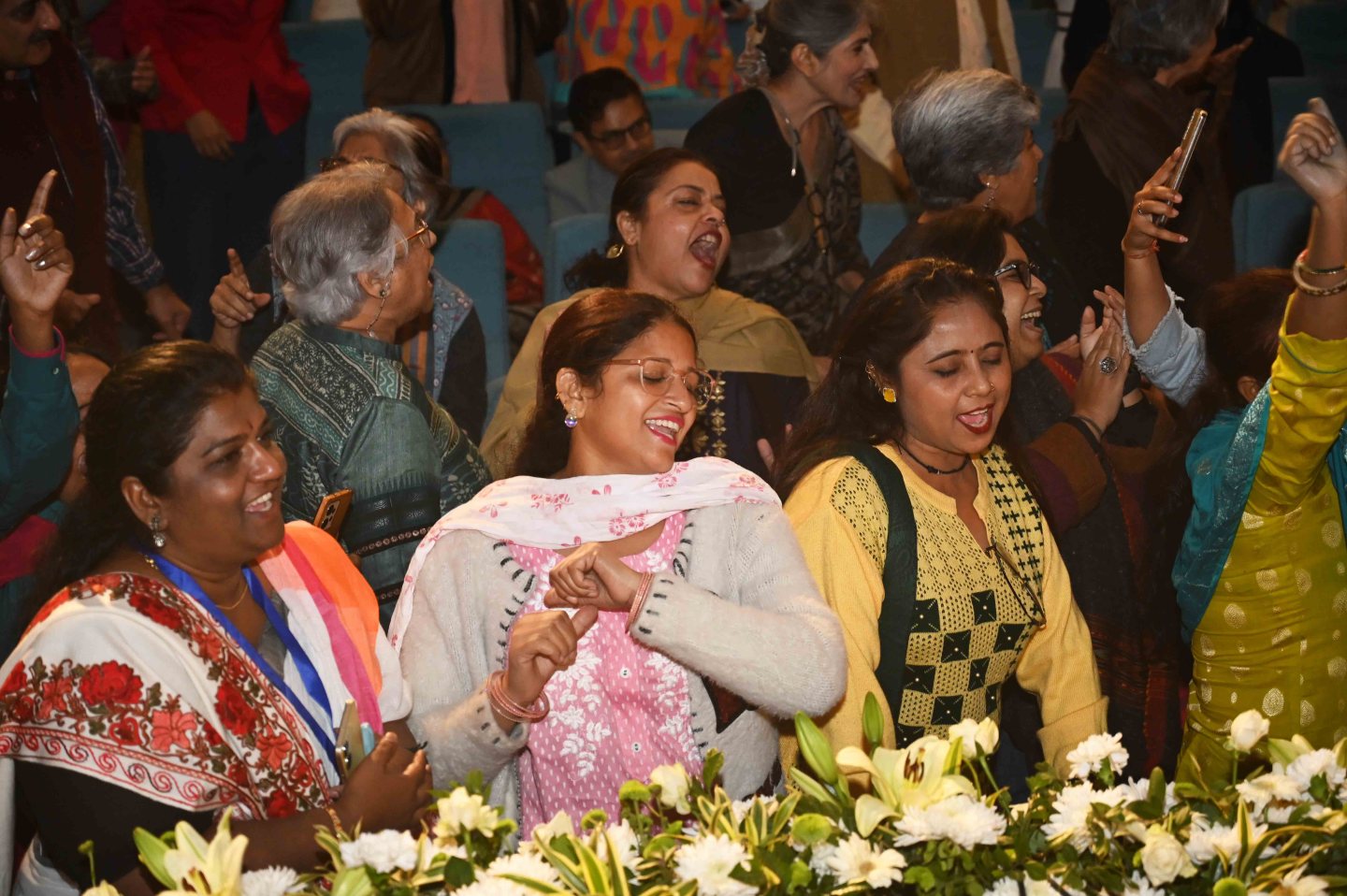
“It was an exhilarating finale and a fitting tribute to Kamla Bhasin’s legacy of using poetry and music to energise and inspire the next generation of South Asian feminists,” said Aekta Kapoor, Delhi-based journalist, founder editor of eShe magazine. Kapoor is also a founder member of Sapan, which calls for a South Asian Union, a cause that Kamla Bhasin had also supported.
As the audience streamed out of the auditorium towards lunch, the stories shared from the stage resonated in the conversation. Kamla Bhasin’s legacy of building bridges and upholding the values of equality and humanity lives on in these and many other such stories.
Discover more from eShe
Subscribe to get the latest posts sent to your email.
 eShe
eShe 
0 comments on “South Asian gender-justice warriors honoured at third Kamla Bhasin Awards”