

By Alice DiSanto
Whether we’re talking about gender equality at the 2024 Paris Olympics – exactly half of the 10,500 Olympians were women this time, compared with 38 percent in Sydney 2000 – or the lucrative advertising contracts grabbed by the likes of American basketball player Caitlin Clark and Indian shooter Manu Bhaker, it’s been a year for female athletes.
But their journey to the stage they’re on now is one of grit, dedication and constant evolution. From the early mornings on the field to the late nights spent perfecting their craft, female athletes are used to pushing limits, both physical and mental.
They move through rigorous training sessions and high-stakes competitions, balancing athletic commitments with academic or personal goals. But the drive that fuels their success in sports doesn’t stop when they leave the arena. It carries them into boardrooms, laboratories and leadership roles across industries.
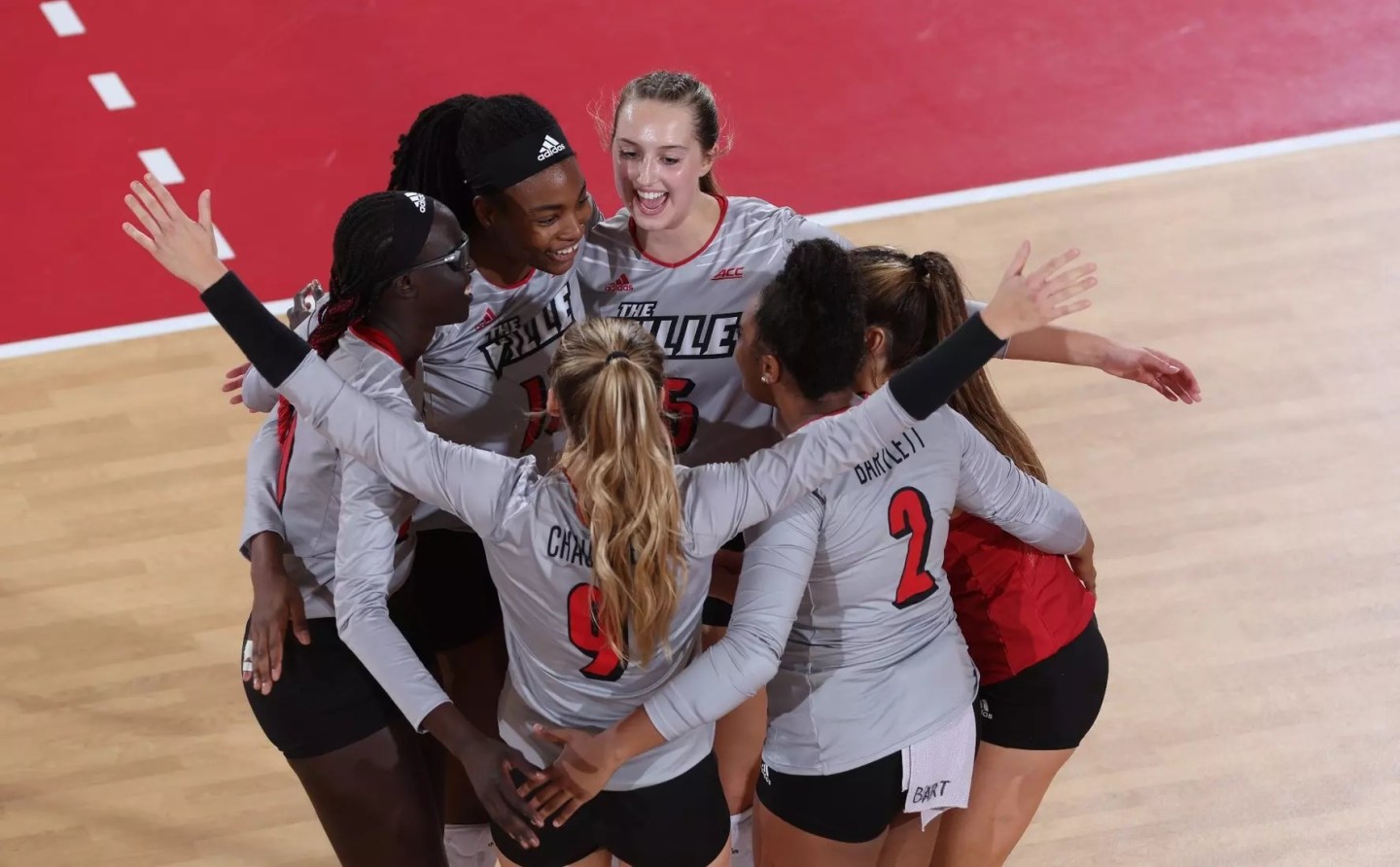
In today’s world, diverse skill sets are more essential than ever, and female athletes stand out for the unique strengths they bring to the table. Whether it’s the discipline to follow through on tough decisions, the resilience to bounce back from setbacks, or the teamwork needed to lead, these women are equipped with tools for success in fields traditionally dominated by men.
At the Security Industry Association (SIA) Women in Security Forum, we’ve observed this firsthand. We recently engaged with student-athletes and coaches from the University of Louisville to gain insights into the trends shaping their career paths and to learn how their athletic experiences translate into professional excellence.

These women possess a depth of commitment and an ability to adapt, making them standout leaders in fields ranging from technology and engineering to finance and security. Here are the key takeaways from our discussions:
The Drive of Female Athletes
When it comes to student-athletes, their lives are a testament to balancing demanding schedules, including early practices, academic responsibilities, and social commitments, with a consistent focus on improvement and achievement.
These attributes align seamlessly with the demands of various industries where managing stress, adapting to fast-paced environments, and maintaining focus on multiple objectives are essential qualities for success.
Core Strengths of Teamwork and Leadership
Industries thrive on individuals who can balance roles as effective team members and decisive leaders. Female athletes excel in these arenas, honing their skills through experiences that demand exceptional communication, trust and teamwork.
Their ability to navigate complex team dynamics, resolve conflicts, and lead by example mirrors the collaborative and leadership demands needed in various roles and sectors.
Stephanie Norman, University of Louisville women’s basketball coach, emphasises the importance of fostering a cohesive team environment. Her players’ adeptness at navigating interpersonal communication and leading under pressure prepares them for roles that demand collaborative effort and independent decision-making, essential skills for success in fields like technology, security, and engineering.
Commitment and Loyalty
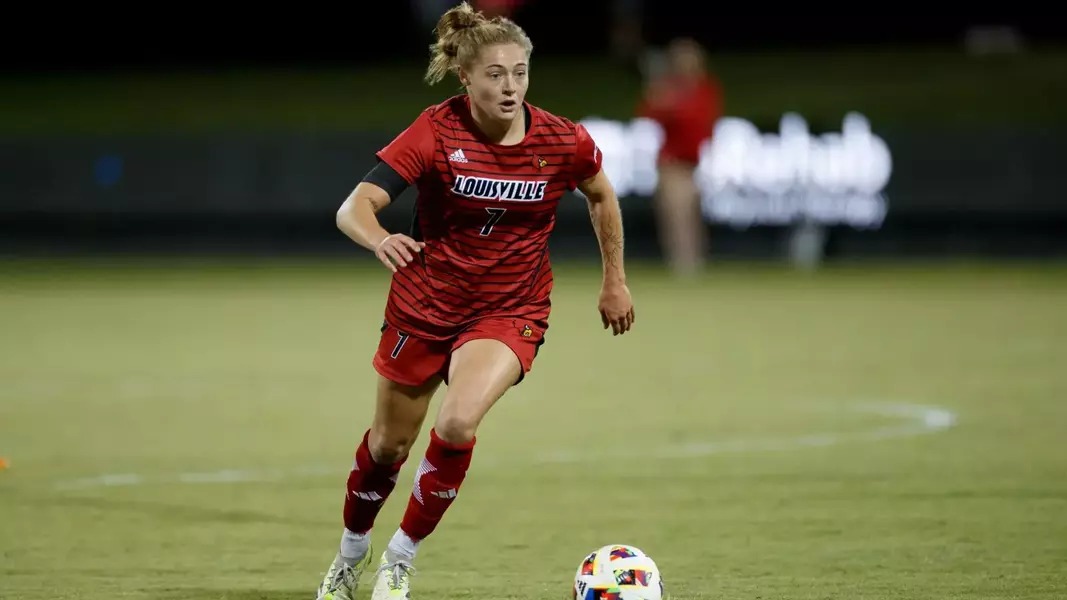
Female athletes often exemplify a profound sense of commitment and loyalty that extends beyond their sports careers into professional realms. The dedication to their sport, team and personal development fosters deep loyalty. This becomes evident as athletes plan their futures with the same dedication they exhibit in their sport, eager to apply their skills to new challenges.
In our discussions, student-athletes reflected on ways to handle confrontation and adversity, adapting to challenges with resilience and a strategic mindset. This ability to overcome obstacles is mirrored in professions where employees often face high-pressure situations requiring innovative solutions.
Navigating Shifting Situations
The dynamic nature of many industries necessitates individuals who can swiftly adapt to changing circumstances and integrate new information. Female athletes excel in this regard.
Their ability to adapt to numerous game plans, opponents, and unexpected scenarios during competitions prepares them for the unpredictability of professions such as engineering, construction, mining, security, and more.
Flexibility is key to athletic success. Whether developing new software solutions, managing financial portfolios, or leading security teams, female athletes bring a level of strategic adaptability that enhances their effectiveness in dynamic roles.
Diverse Perspectives
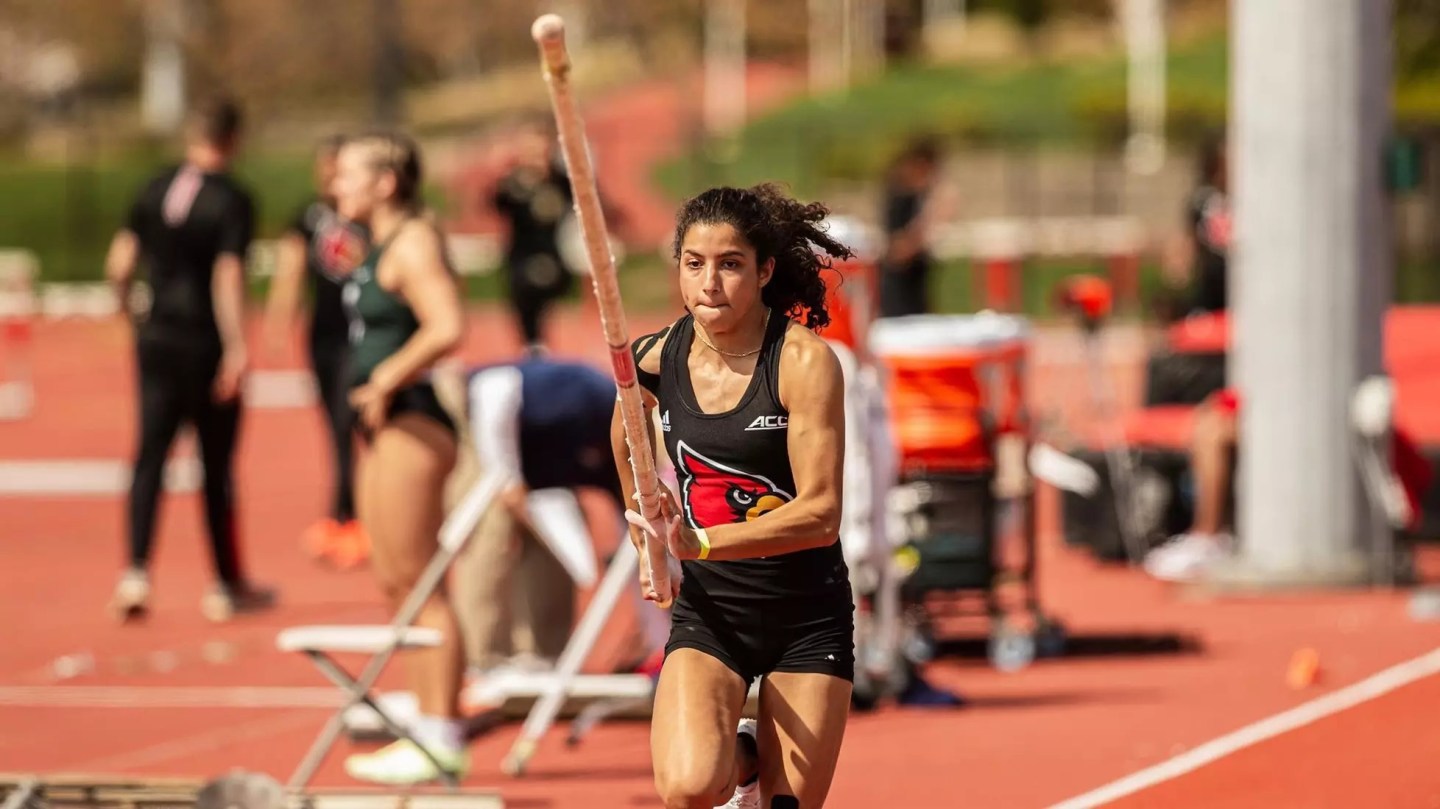
Incorporating more female athletes into traditionally male-dominated fields goes beyond addressing gender disparities; it introduces fresh perspectives and experiences that help drive innovation. Their athletic backgrounds cultivate a unique outlook that enriches industry approaches and solutions.
Integrating female athletes into our workforce taps into a pool of highly qualified candidates and promotes a culture of inclusivity that benefits entire industries. Their experiences in sports position them as natural leaders and advocates for gender equity in the workplace.
Bridging the Gap
To fully leverage the potential of female athletes, we must create pathways accommodating their unique schedules and commitments. Athletes often want to understand new opportunities and how they align with their interests. Offering flexible internships, remote work opportunities, and robust mentorship programs can facilitate their transition from athletic careers to professional ones.
Educating coaches about job opportunities and connecting athletes with industry professionals can bridge the gap between athletic and professional careers. By showcasing the alignment between athletic skills and industry needs, we can inspire more female athletes to pursue careers across a wide range of fields.

Alice DiSanto is the vice president of global marketing at the Rajant Corporation. She is also chair of the Security Industry Association (SIA)’s Women in Security Forum (WISF), and its PropelHer subcommittee responsible for SIA WISF’s feeder programme of collegiate and professional female athletes into the security industry.
Discover more from eShe
Subscribe to get the latest posts sent to your email.
 eShe
eShe 
No doubt female athletes played a vital role in diversified fields and industries in their practical life which
they learn in their early lives while playing a certain game. So their expertise is always beneficial in the organizations they work.
However while getting training from mostly from male coaches there are/were incidents when they were sexually and emotionally molested. One example is of Dr. Larry Nassar who sexually abused so many young girls.
Hence it is better and safe if they are trained/coached by female coaches. Shakil
LikeLike