
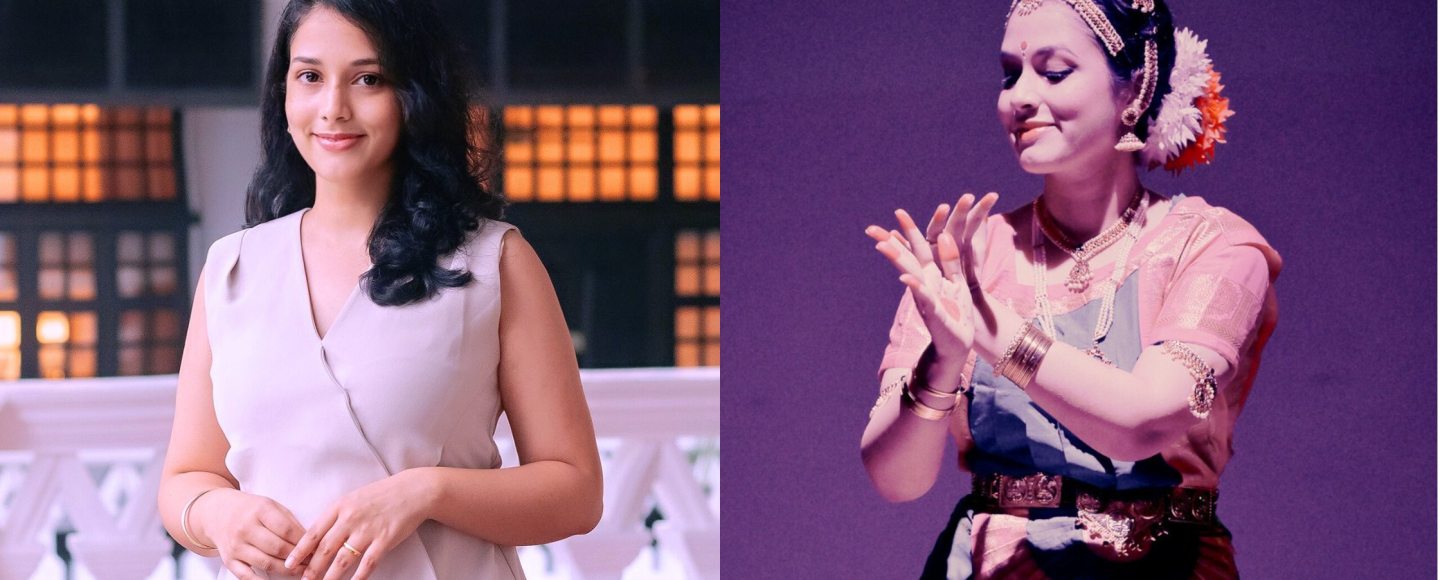

By Sainy Banerjee
It was late in the evening when I returned home from a long day at work.
It had been a productive day; I could complete several business-user stories, analysed and verified the production incidents, delivered a sprint demo session, and successfully raised several merge requests for test development.
But the guilt that follows motherhood did not allow me to truly bask in the achievement. For I was exhausted and knew I had absolutely no strength to play with my two-and-half-year-old son, who had been waiting for me all day long.
Nevertheless, I pushed myself and spent another couple of hours playing and reading storybooks with him. But even while doing so, my mind simultaneously ran a background process listing 10 pending housekeeping tasks that still needed execution.
So, once he fell asleep, I dragged myself towards the kitchen to prepare the next day’s menu, wrapped up other pending chores, and prepared things for the morning. When I finally lay on the bed, I remembered: Oh! I had missed skincare again – the way I had missed it for several months.
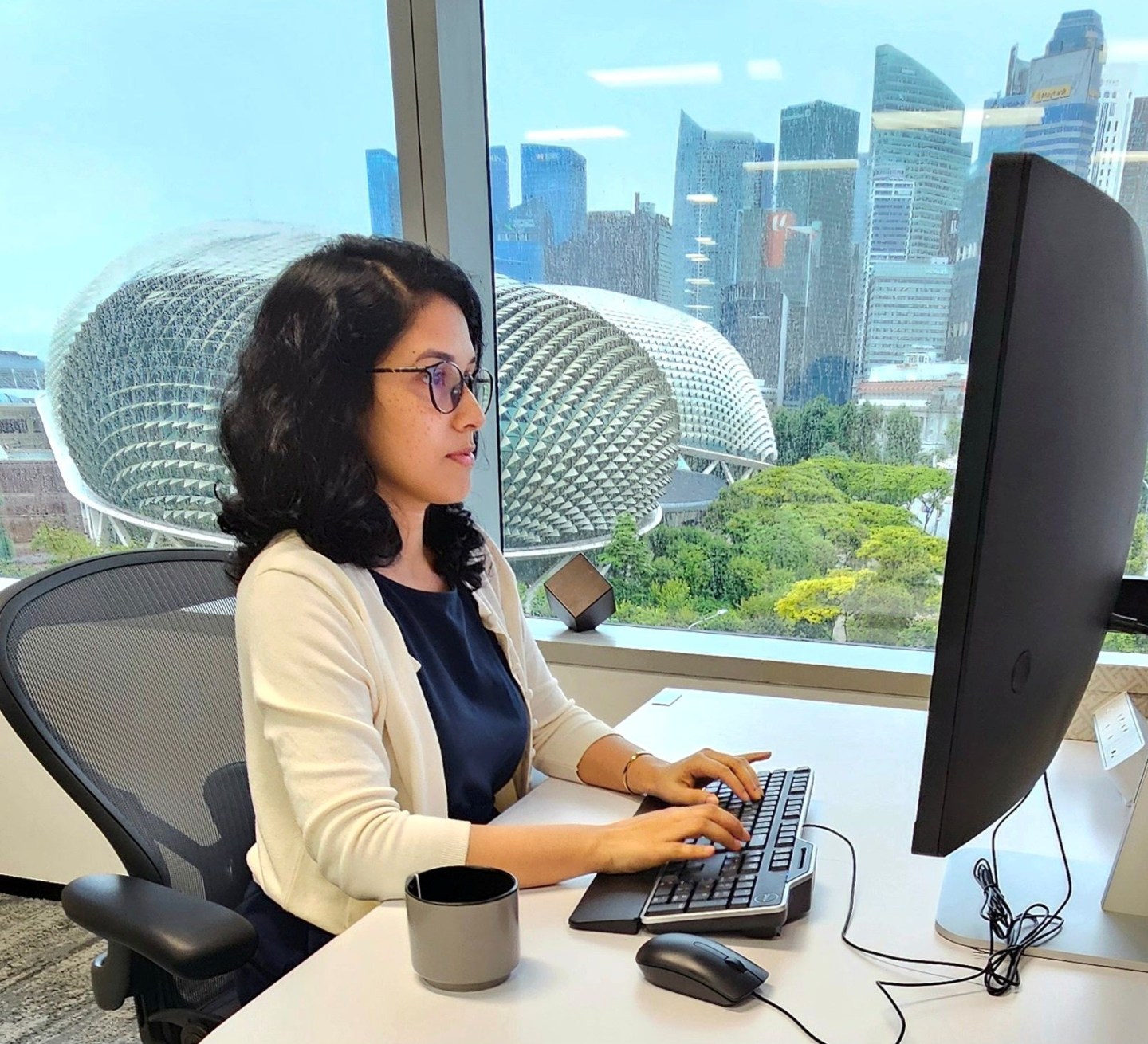
And like any well-written recursive function in any code, that one thought triggered another.
When was the last time I exercised?
When did I meditate last?
When had I felt at peace?
When had I just enjoyed the moment?
I fell asleep when my mind couldn’t take it anymore.
Days after days passed by, and finally the realisation dawned on me: I had slowly – but very efficiently – pushed myself to the lowest priority in my own life.
I knew this was not right. I had read multiple articles and research papers on this topic. I had heard many stories and podcasts about how women compromise their wellbeing and eventually burn out trying to juggle multiple things together.
So, I knew I had to do something about it. But how? When? I barely had any time for myself! And even if I could find the time, what exactly should I do for ‘self-care’?
I wanted to exercise, but I also wanted to feel happy about it, not a sense of punishment. I wanted to take care of my mental health but meditation looked like a far-fetched idea for someone with a dozen things on her mind at any time. I wanted to feel myself again but I couldn’t really go back to my teens!
My teens! Oh, what a wonderful time that was! I was so agile, full of life. I reflected on what I enjoyed most back then. And then I had my eureka moment!
I enjoyed dancing with my mom the most! My mother – being a mother –had noticed my love for dance long before I had the words for it, and had introduced me to Bharatanatyam.
Soon, Bharatanatyam became a routine and a part of my weekly muscle negotiations.
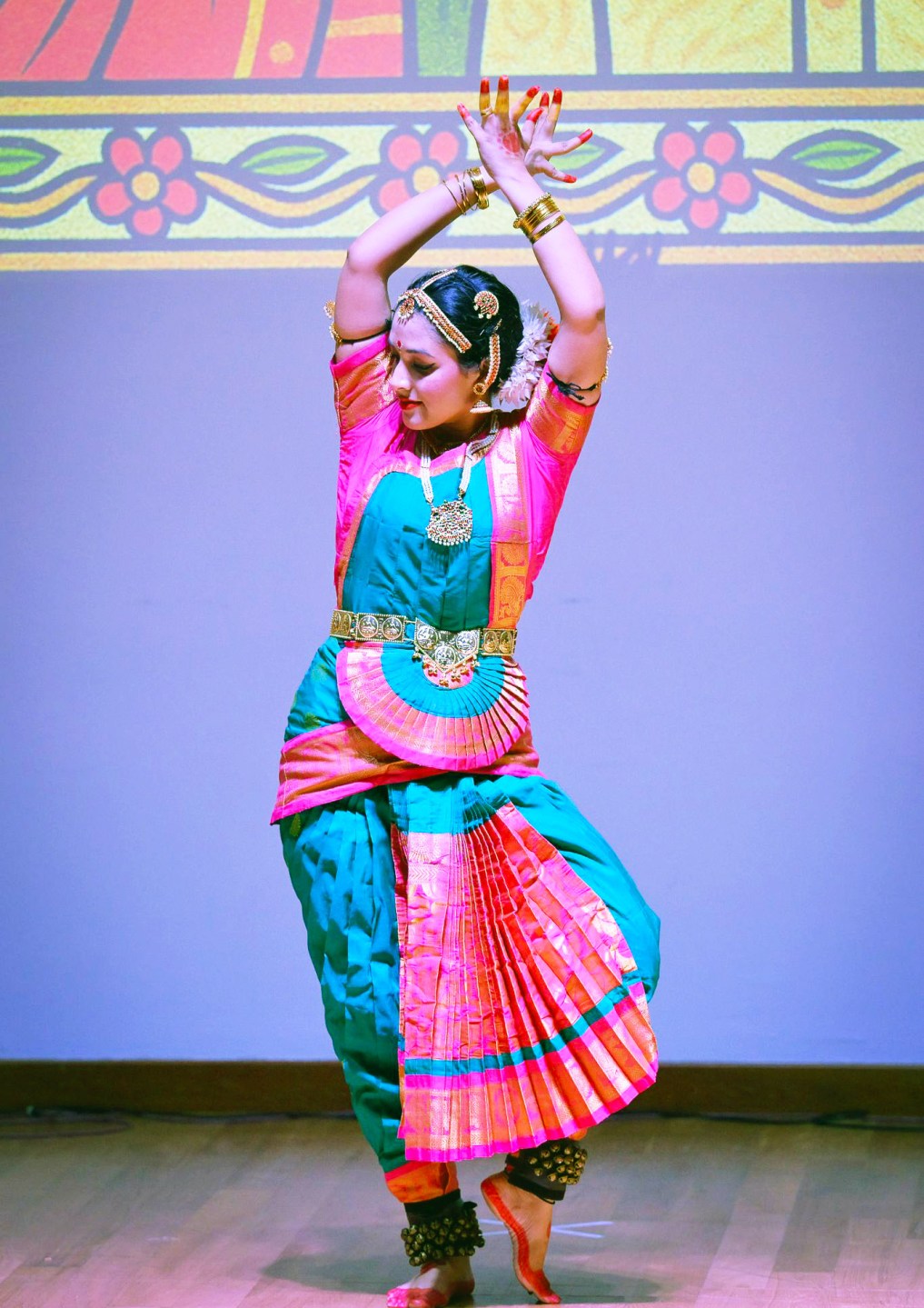
There was araimandi – the original leg-day that never ended – where my thighs learned resilience. Adavus followed, repeated endlessly until the rhythm no longer needed permission from the brain and moved straight into muscle memory.
Alarippu followed, simple but demanding. No storytelling, no expressive flourishes – just the body waking itself up, one controlled movement at a time. And just when I thought I had found my footing, there was jatiswaram – where rhythm met mathematics and tested my confidence.
Through it all ran tala – the invisible authority. You couldn’t see it, but it saw you. Miss it once, and everyone knew. Especially the mridangam. It taught me accountability long before the word entered my professional vocabulary.
Those days were demanding, exhausting – and oddly joyful. I didn’t know then that I was learning more than dance. I was learning how to stay present under pressure, how discipline could hold joy, and how effort, when repeated with devotion, could become grace.
But dance, which had once been a daily routine in my life, was now a forgotten idea.
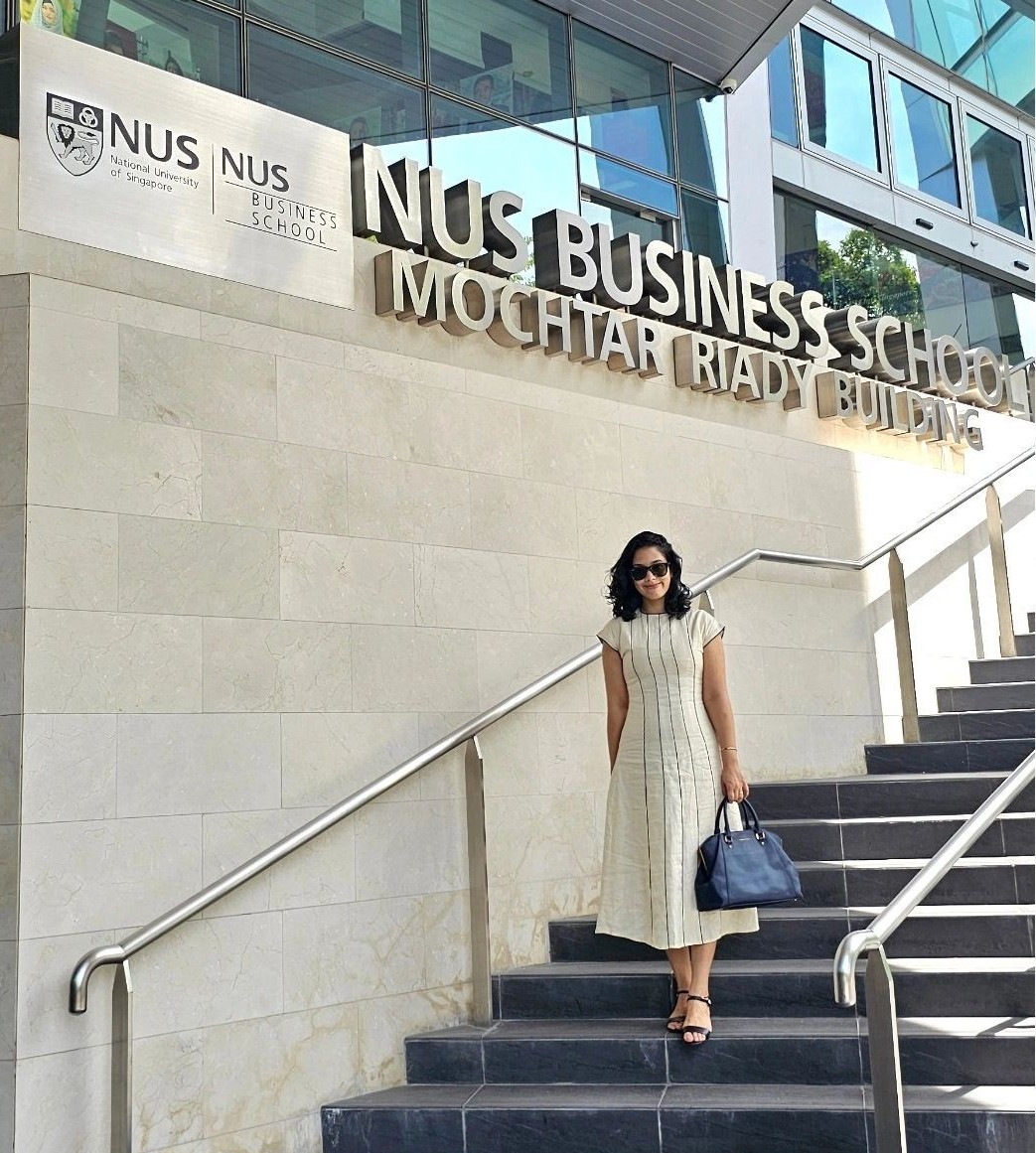
My engineering logic kicked in and I started to analyse how reintroducing Bharatanatyam into my impossibly busy life could solve multiple problems at once. Physical movement. Mental grounding. Emotional release. Creative expression.
I called my mother. She was immediately supportive. I spoke to my husband. He was practical and encouraging. And so, I restarted my dance journey.
I began by cautiously saying yes to cultural programmes. Very cautiously, after all, it had been almost a decade since I had last danced, and a very reasonable part of me wondered if audiences were ready for a performer who now took longer to warm up than to actually dance.
And in the past year, I found myself on stage again – twice.
The first time was a solo semi-classical performance. Modest, contained, deeply personal – a reminder that my body still knew the grammar, even after years of silence.
The second time surprised even me. In September 2025, I conceptualised and directed Rangāvatāraḥ – Krishna in Colours of Divinity, a dance production presented under Krishna Manjari, marking 27 years of Gita Jayanti in Singapore with the Bengali Association of Singapore. The evening brought together dance, music, storytelling and art rooted in devotion.
What surprised me was not the scale of it, but how natural it felt. I had never imagined I could pull off something like this alongside full-time work and motherhood. Somewhere along the way, my self-doubt loosened its grip.
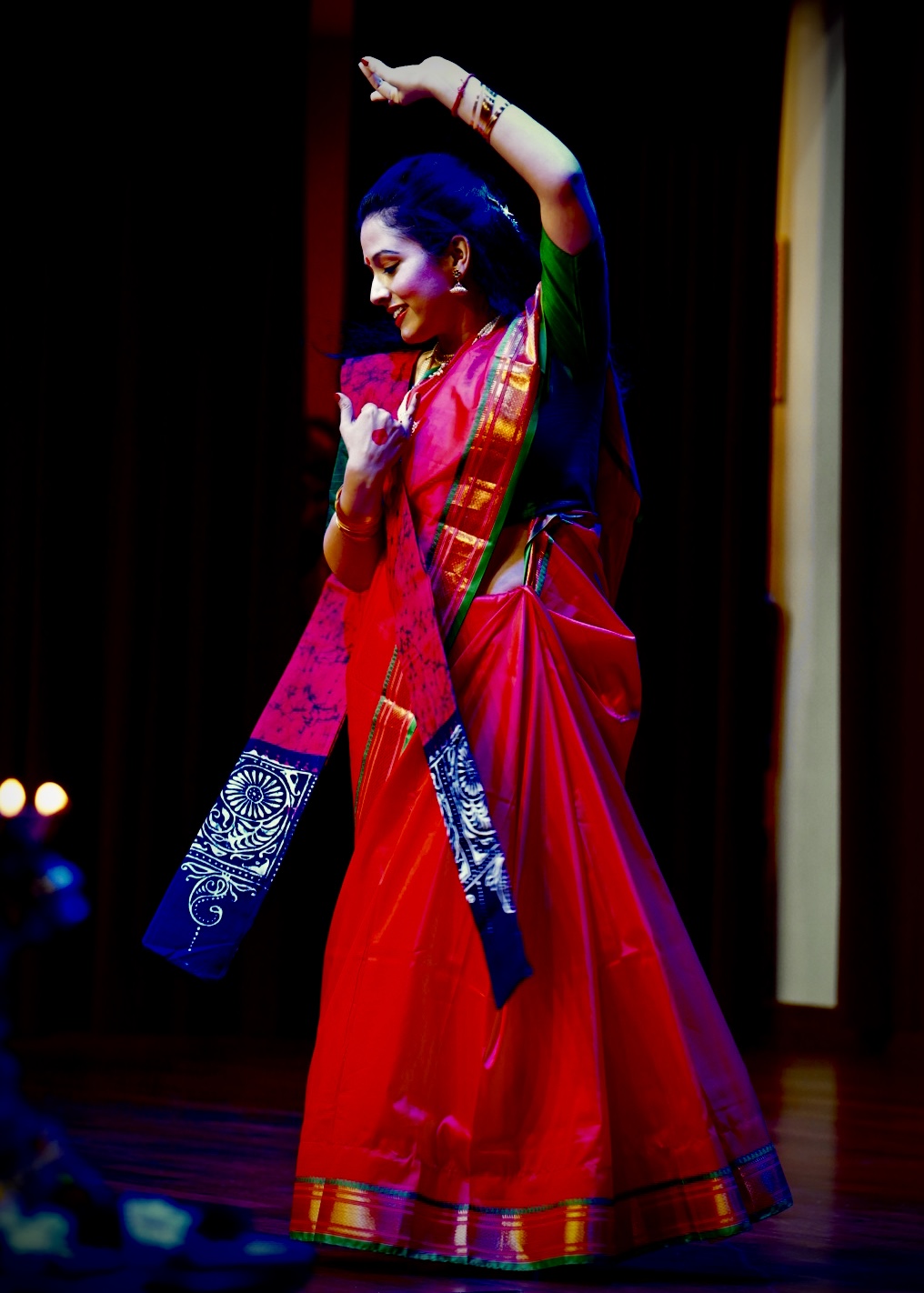
And yet, what stayed with me wasn’t the scale or the applause. It was the clarity. Dance had not entered my life as an indulgence or an escape. It had returned as a system that worked – for my body, mind and spirit. One practice that gave me movement, focus, emotional release and creative alignment.
In a life ruled by software engineering sprints, uncertainty and constant recalibration, Bharatanatyam became the one place where nothing needed to be rushed – and nothing felt wasted.
These days, when I return home after work, the evenings appear almost the same. I am still tired. Work is still demanding. My son still wants my attention the moment I step in. But there is a difference. There is now a small part of the day that belongs to me. Sometimes it’s just 15 minutes of practice. Sometimes it’s more. But it grounds me.
I still miss skincare sometimes. The house isn’t always perfect. But I feel less empty.
Dance didn’t give me more time. It gave me myself back.

Sainy Banerjee is a Singapore-based technology professional specialising in software testing and product analysis across industries. She is also a published writer. Find her on LinkedIn.
Discover more from eShe
Subscribe to get the latest posts sent to your email.
 eShe
eShe 
0 comments on “Bharatnatyam between coding and caregiving: an engineer mom’s self-care formula”