
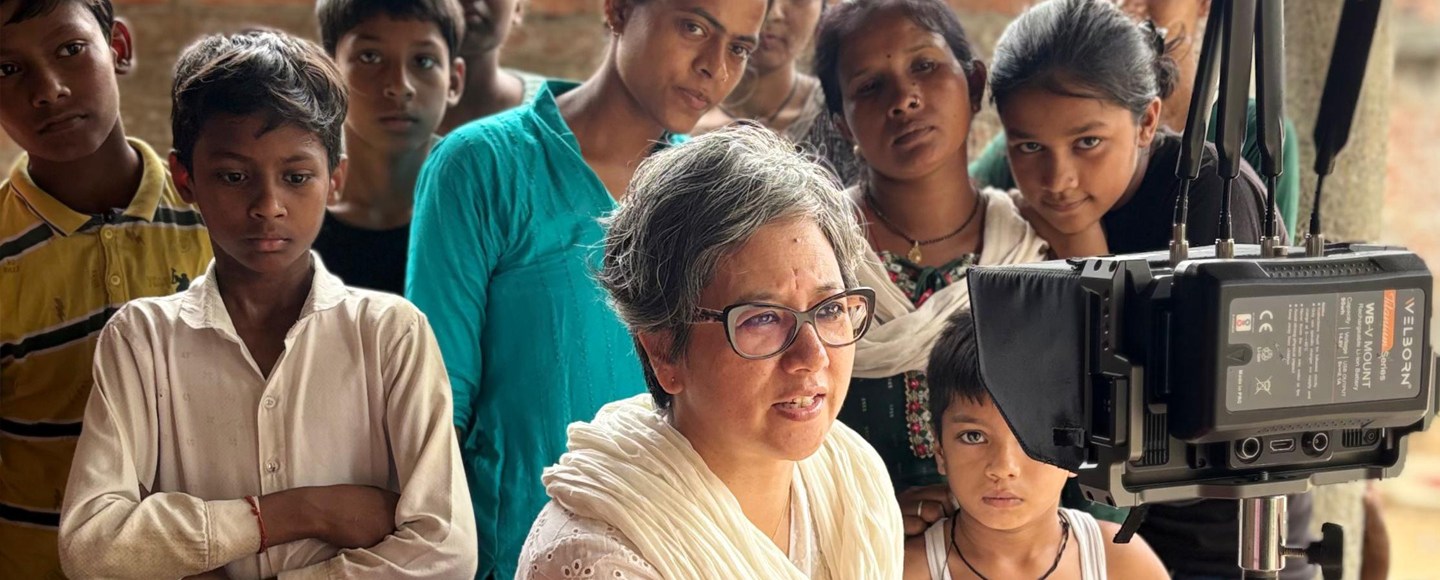

By Vimala Rajkumari
We arrived at our location each morning at about half-past five, just as the sun began to peek over the horizons of Sinhorwa, a small village in Uttar Pradesh. The light at that hour was gentle. But June can be unforgiving; even dawn carries a certain heaviness that signals a hot day ahead.
We were there to shoot “Seeds of Change”, the second episode in Hope in Motion – a docu-series streaming on JioHotstar that explores how community-led initiatives drive real change. By the time our crew had finished unloading the gear and managed to shake off the last remnants of sleep, the four young farmers we were there to film – Anuradha, Mansa, Manisha and Sanjana – had already finished an entire day’s work before the sun had even properly arrived.
They had fed the cattle, cleaned their homes, fetched water, and prepared food, essentially steadying their entire households while the rest of the world was still waking up. When they finally turned toward our cameras, there was no sense of rush, no lengthy explanations and certainly no apologies. Instead, there was a quiet, earned assurance in the way they sat – visible, present and entirely prepared.
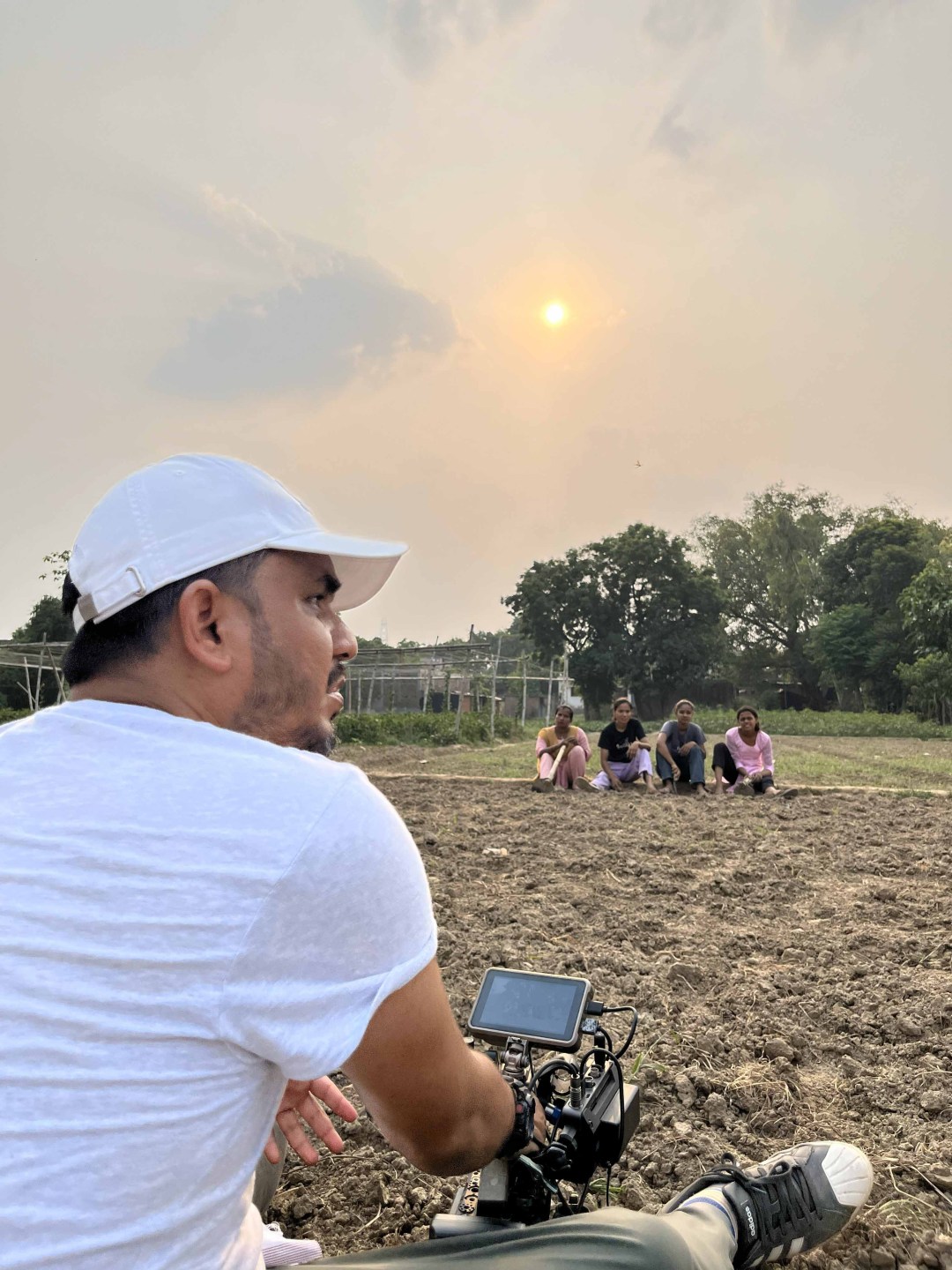
As a filmmaker, I’ve come to realise that the most profound stories often arrive long before the camera does; this one revealed itself every morning in those brief pauses between hard labour and the morning light.
When we picture a farmer, our minds almost instinctively conjure up an image of a man. It’s a mental shorthand shaped more by the stories we’ve been told than the reality on the ground. The truth is that women have always been in these fields – sowing, weeding, harvesting – even while the big decisions about land ownership and income were being made elsewhere.
This systemic invisibility is reflected in the data. In Uttar Pradesh, a staggering 90.6 percent of working rural women are engaged in agriculture and allied activities, yet they are often still viewed as ‘helpers’ rather than primary producers.
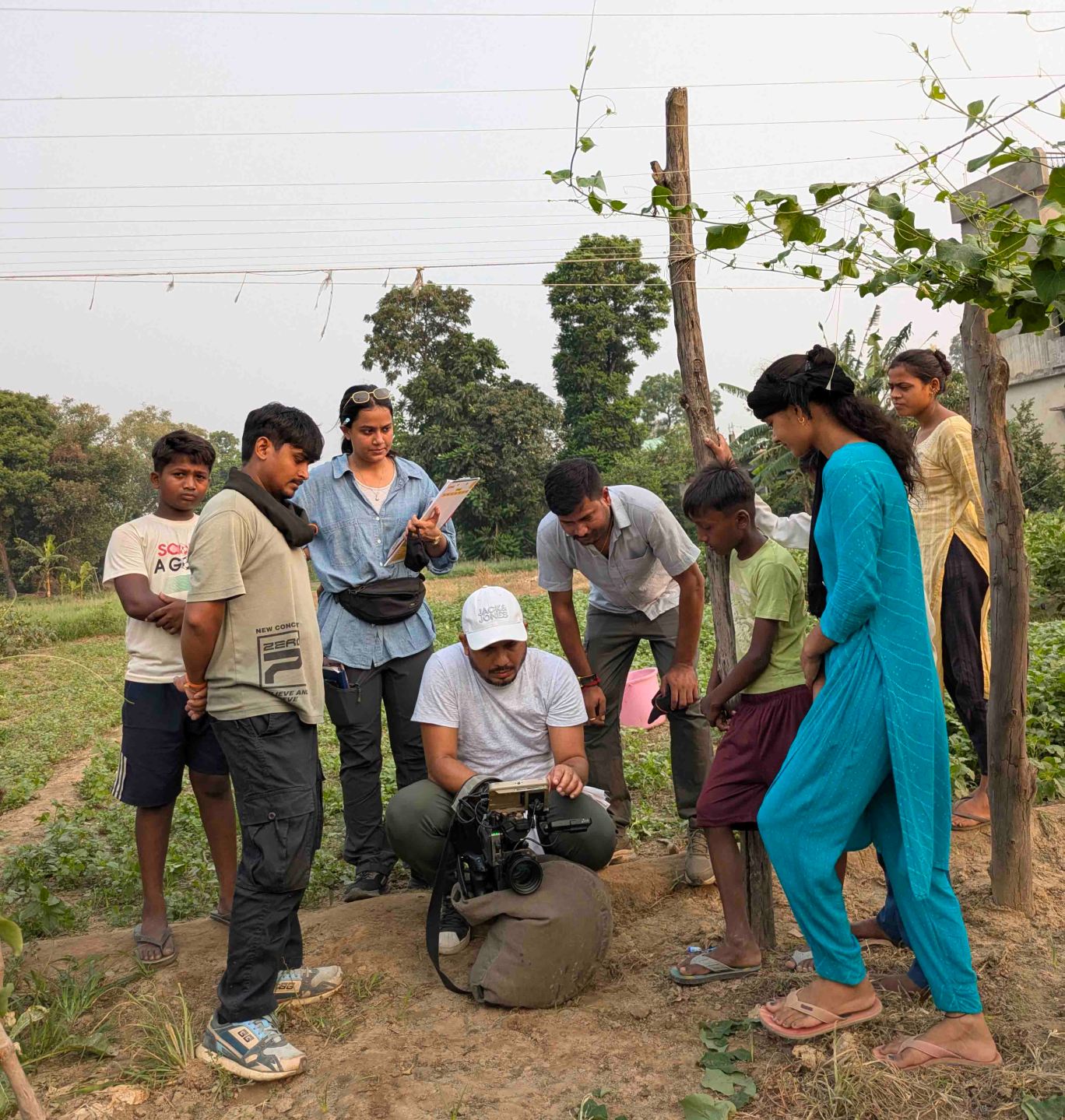
However, the tide is beginning to turn through dedicated gender-justice initiatives. Organisations like Breakthrough, founded by human-rights activist Mallika Dutt in 2000, are working on the ground to shift these deeply ingrained cultural norms.
For instance, their Adolescent Empowerment Programme in UP reaches out to boys and girls between the ages of 11 and 25, encouraging them to demand equity in health and education. Over time, this work has reached more than 2.3 million young people. By moving the needle on the marriageable age – which has seen a notable increase in intervention areas – these initiatives ensure that girls stay in school longer, gaining the agency to define their own futures.
Created in partnership with Breakthrough, the episode “Seeds of Change” chronicles the visible result of years of patient, deliberate work in Sinhorwa – work grounded in the understanding that gender norms are not dismantled through slogans, but through persistent consistent work with communities.
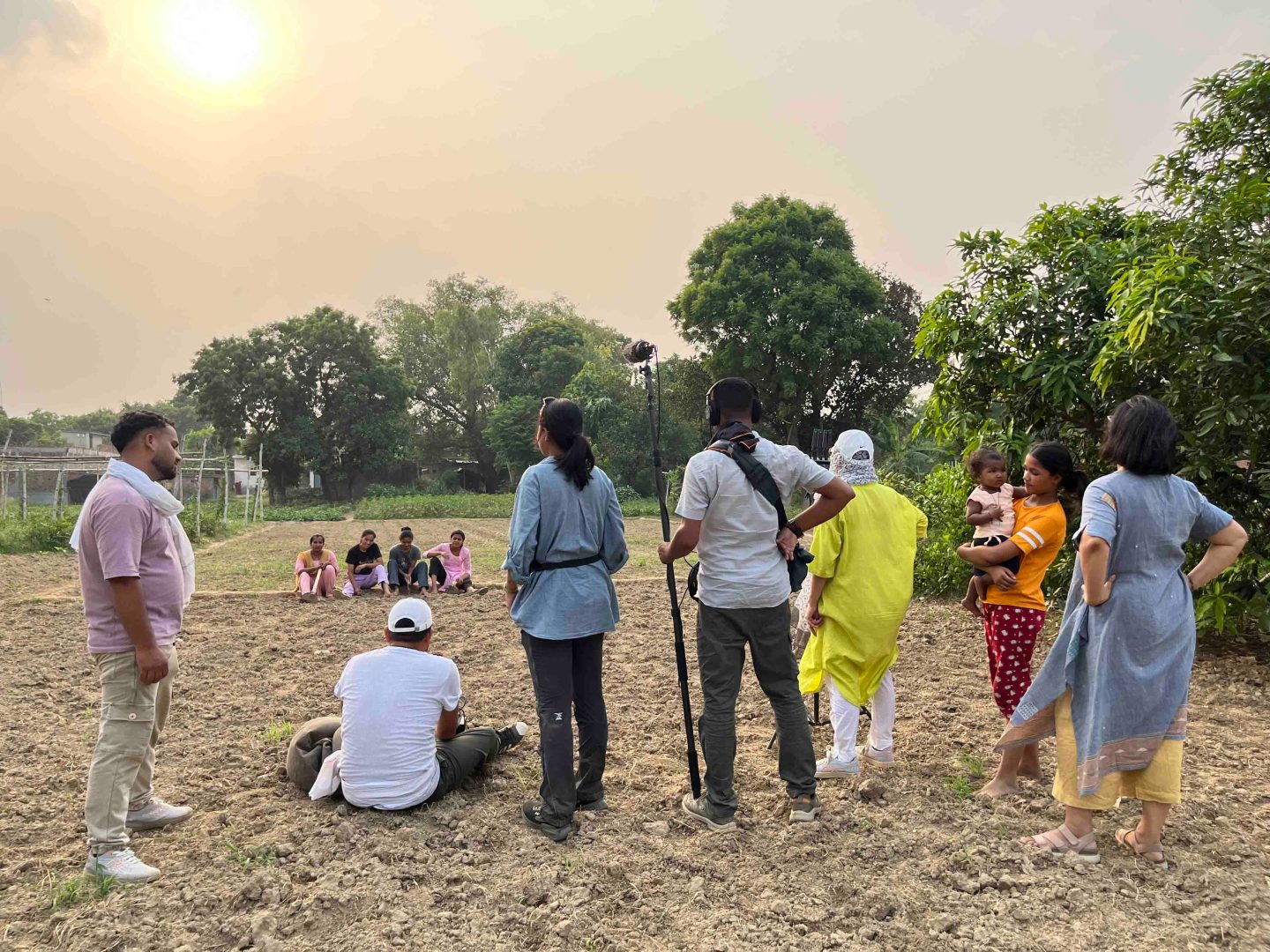
The all-women farmers’ collective we were filming had not emerged overnight. These women shared labour and risk. They made decisions together. Listening to 27-year-old Anuradha speak about asking permission – to attend meetings, to travel, to speak – felt deeply familiar to me even though I am a city-dweller.
Different place, different life; the same quiet rules that follow women from corporate boardrooms to rural fields. We learn early to anticipate resistance, to measure our words, to temper ambition so it feels acceptable. Dreams, when they arrive, are often edited before they are spoken.
What inspired me was not only that these women dared to dream, but that they learnt to voice those dreams aloud – first in small group meetings, then before elders, and finally, on camera, without apology.
In spaces governed by rigid gender norms, dreaming itself is an act of courage. We often describe rural women as resilient. But resilience without choice is simply endurance. What I witnessed was something else – agency taking root, leadership growing through practice.
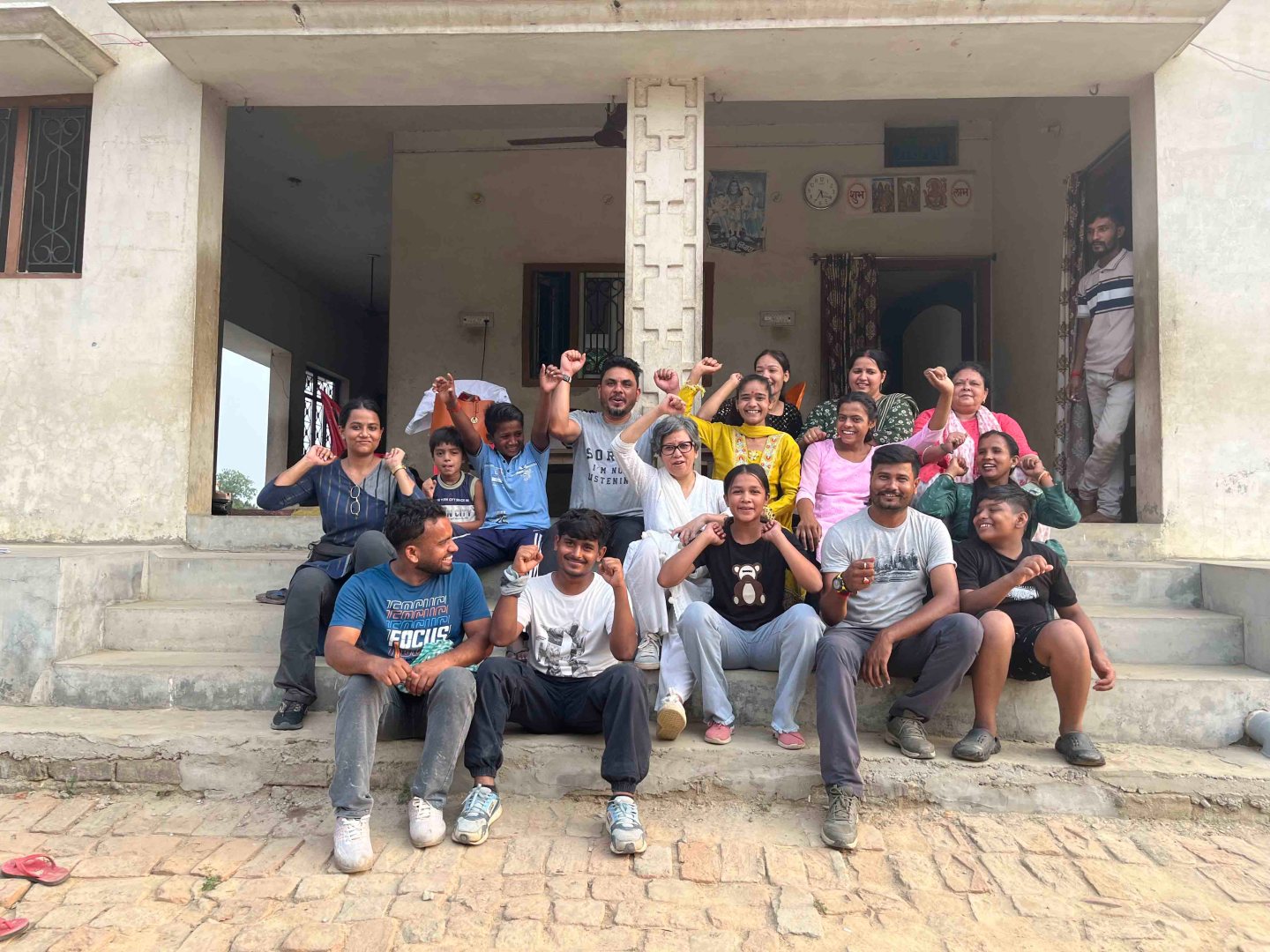
Farming as a collective not only helped these women contribute financially to their households, but also to community life. They entered conversations from which they had long been excluded. Their voices began to carry weight.
When Anuradha stepped forward, college students Mansa (20), Manisha (21) and Sanjana (19) followed. When the collective found its footing, the village adjusted around it. I witnessed a young girl named Vanshika imagining a future that stretched further, like being a news reporter.
As a filmmaker, I am acutely aware that how a story is told matters as much as which story is told. With Hope in Motion, that responsibility felt especially present. These women were not subjects in the conventional sense, but collaborators in the telling.
As Mansa shared during the shoot, “Earlier, we were restricted from going out. But since we started farming and earning money by selling vegetables, my father now trusts us, and there are no restrictions.”
Certain moments stayed with me. Sanjana – who once struggled to ask for permission to farm – moved through the shoot days with a calm authority that revealed itself in small ways. She asked to fly our drone, adjusting the frame with confidence.
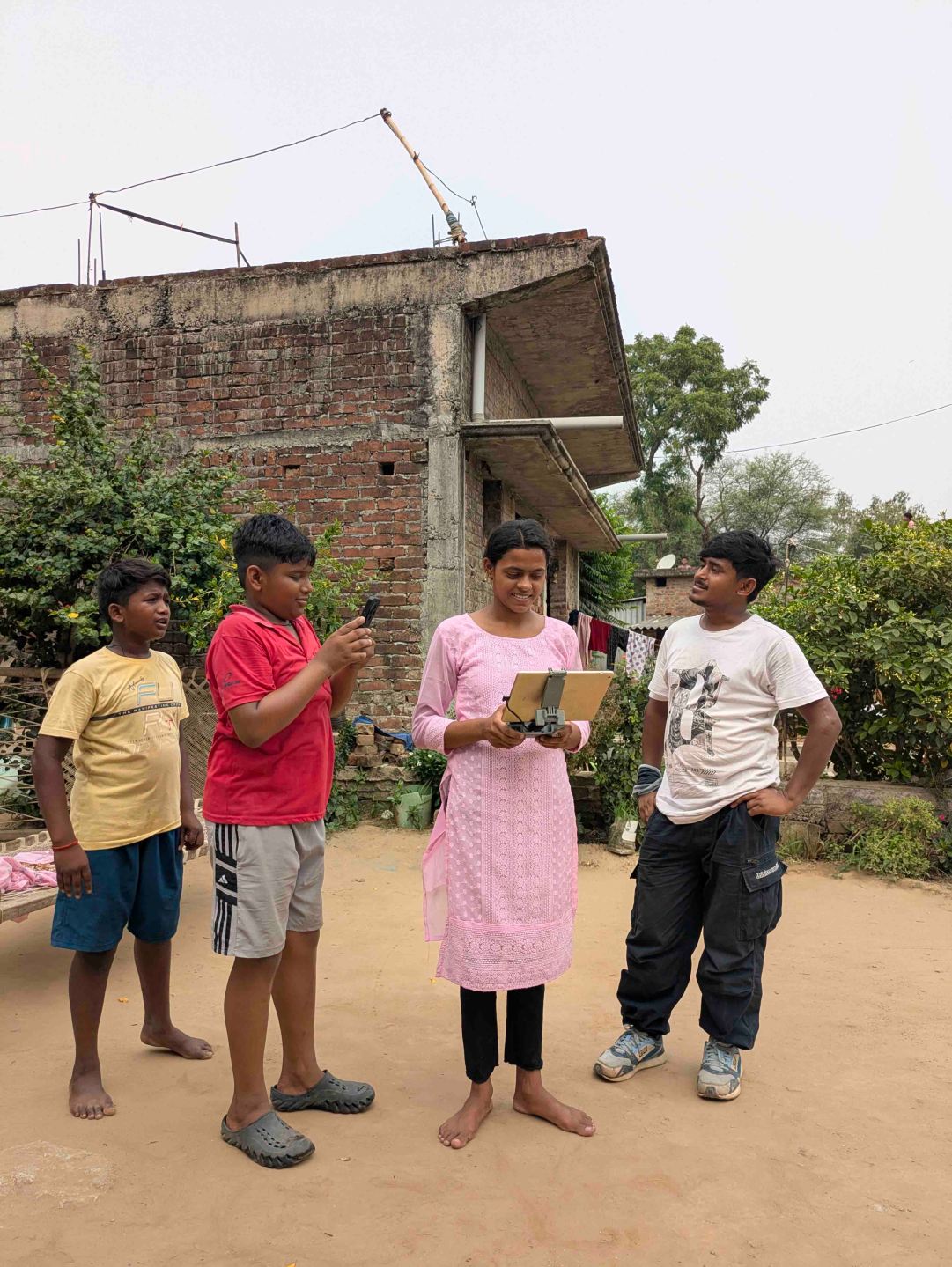
Midway through our shoot, one of Sanjana’s buffaloes fell seriously ill. It was a moment that could have easily derailed our schedule, but she held it all together. Between filming scenes, she was on the phone with the vet, monitoring treatments and ensuring the animal was cared for – all without a hint of drama or complaint. The camera didn’t create this moment; it simply bore witness to it.
As our shoot of the women progressed, another story unfolded on the sidelines. The men in the village stood nearby at first. Watching. Measuring. Unsure of their place. Then, without announcement, something shifted. Fathers began explaining the shoot to neighbours with unguarded pride. Brothers who had once questioned our movements helped manage the space around us. Uncles stepped back, making room without being asked.
This is exactly why platforms like Hope in Motion are so vital. When change happens quietly, it is far too easy to overlook it. Bringing these narratives into the mainstream is about slowing down enough to see the patient work unfolding across communities – work carried out by grassroots leaders and individuals who choose, day after day, to act differently. Hope to Motion makes such work visible – so that awareness can lead to individual reflection and collective action.
Sometimes, all it takes is standing in a field at sunrise – watching women who refuse to remain invisible – to realise that the most meaningful change is already in motion.
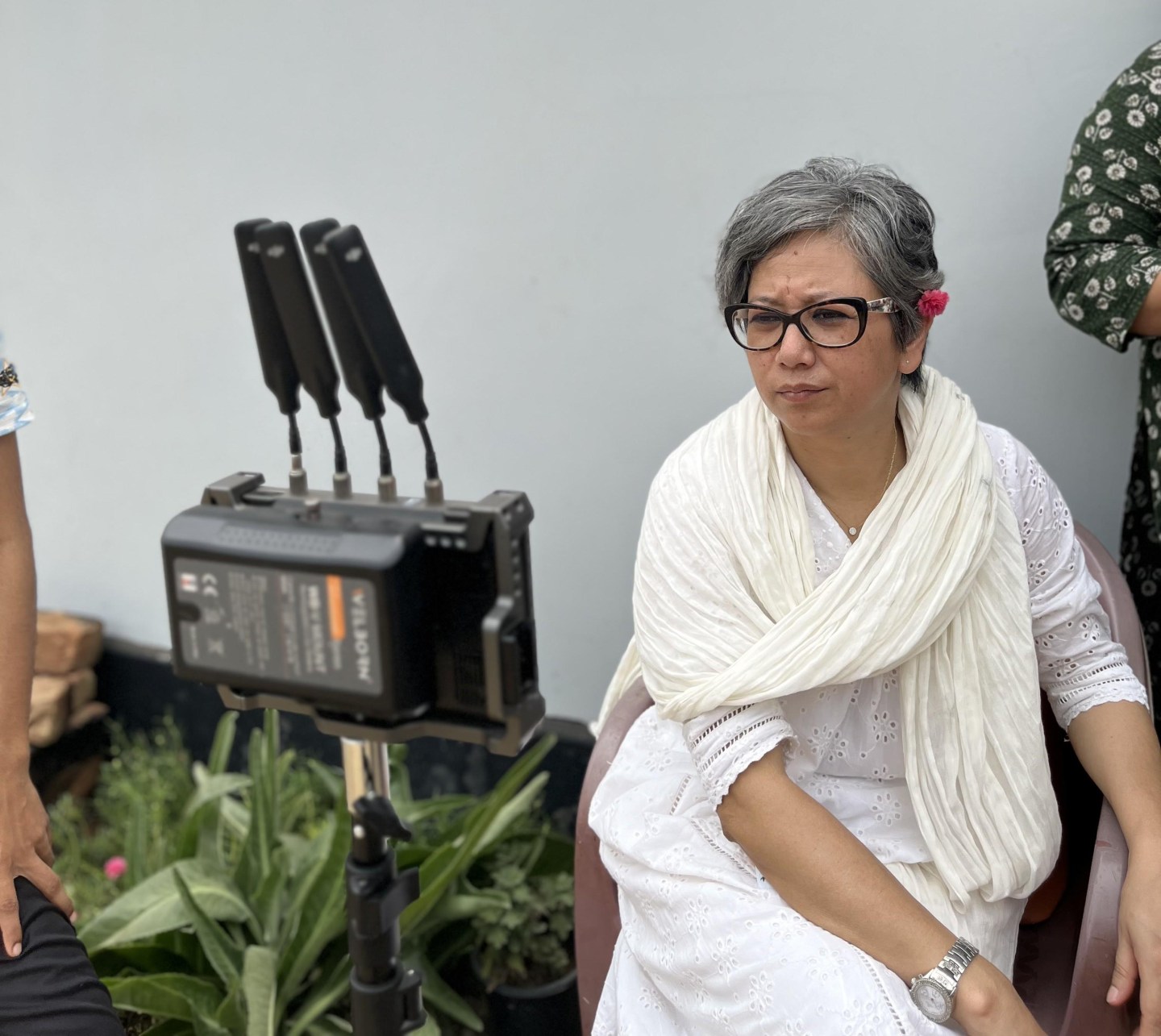
Vimala Rajkumari is a Delhi-based filmmaker and the creator of the documentary series Hope in Motion. She builds creative ecosystems where non-fiction thrives, transforming complex realities into watchable stories that move audiences from content to impact.
Discover more from eShe
Subscribe to get the latest posts sent to your email.
 eShe
eShe 
Thank you eShe for holding space for this reflection. Writing this came from how familiar these quiet rules feel whether you are in Delhi or Sinhorwa. Time in the field is always a gentle reminder that while gender injustice persists, steady, patient work can slowly shift what feels possible. Grateful for platforms that let these nuances be seen and felt.
LikeLike
Lovely piece! Indelible!
LikeLike