

By Carolyn Cross / Sapan News
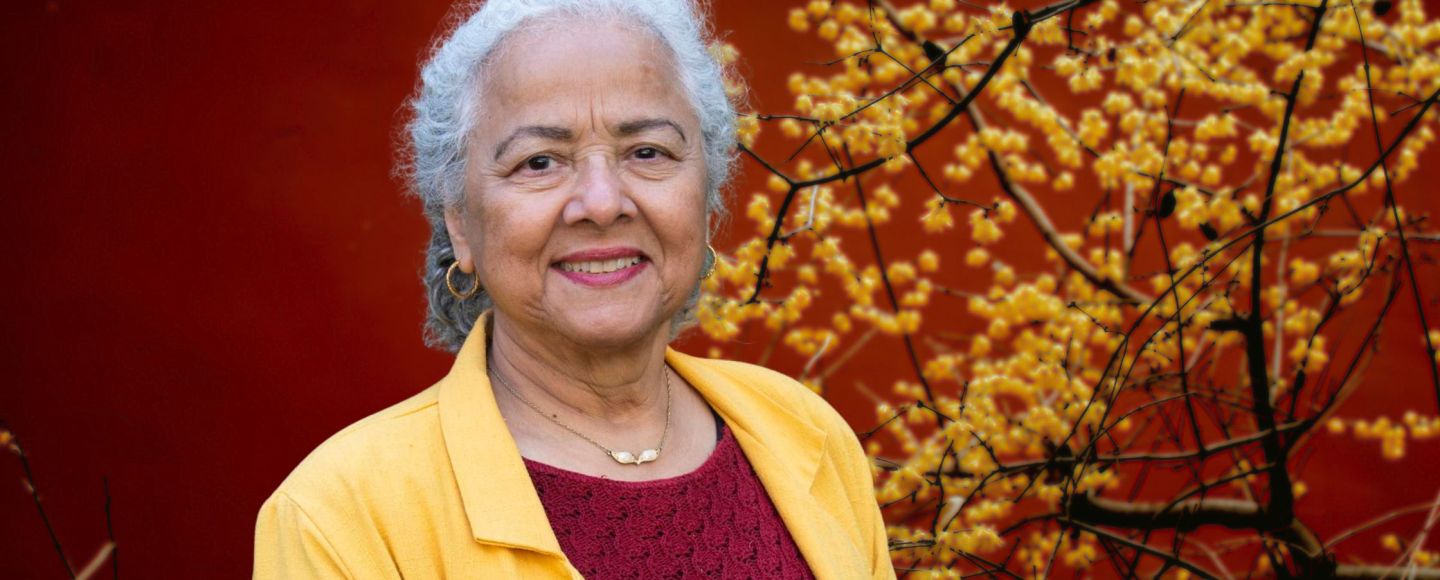
There aren’t many scientists whose influence radiates so widely that millions benefit from their work without ever hearing their name. Yet that is precisely the impact Professor Tayyaba Hasan has had on the world, and especially the field of photodynamic therapies (PDT) and light-activated medicine.
Born into a Muslim family in Pratapgarh, India, she lived all over Pakistan, and moved to America for her PhD. At present, she is professor of dermatology at the Wellman Center for Photomedicine, Harvard Medical School and Massachusetts General Hospital, as well as a professor of health sciences and technology at Harvard-MIT.
She has won over 13 significant and lifetime achievement awards for her scientific work, which focuses on photochemical approaches to treatment and diagnosis of disease, primarily in the areas of cancer and infections. Her pioneering work in the photodynamic treatment of age-related macular degeneration has benefitted millions, and her scholarship has been cited more than 37,000 times. She is founder of the Hasan Lab at Harvard.
Over the past five decades, she has mentored hundreds of scientists. Her former students and postdocs are now scattered across the globe in what we call the “Hasan diaspora”.
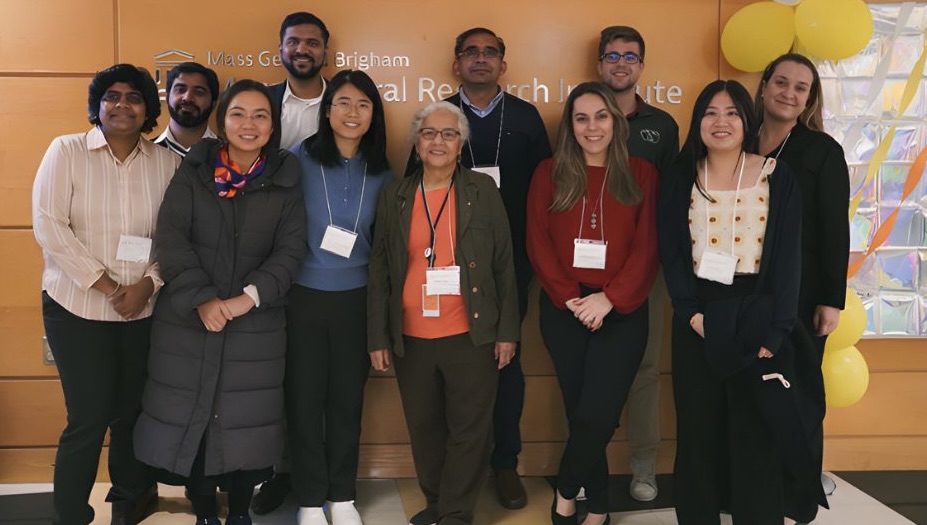
I have known Professor Hasan since 2009 where we met formally at the 12th World Congress of the International Photodynamic Association (IPA) in Seattle, Washington. We have been working together on the IPA Board for over the past decade to witness firsthand what a formidable force she is for bringing economical PDT to global healthcare systems through science and clinical excellence.
As friends, colleagues, mentees and admirers gathered in Cambridge, Massachusetts, to celebrate her 80th birthday in November 2025, what became clear was that the accolades tell only part of the story and don’t explain why a roomful of people from across the world came to honour her.
To me, Professor Hasan is not only a scientist, but a friend. To many of us, she is far more than a pioneer of photodynamic therapy. She is its anchor, its matriarch – our “mother of PDT”.
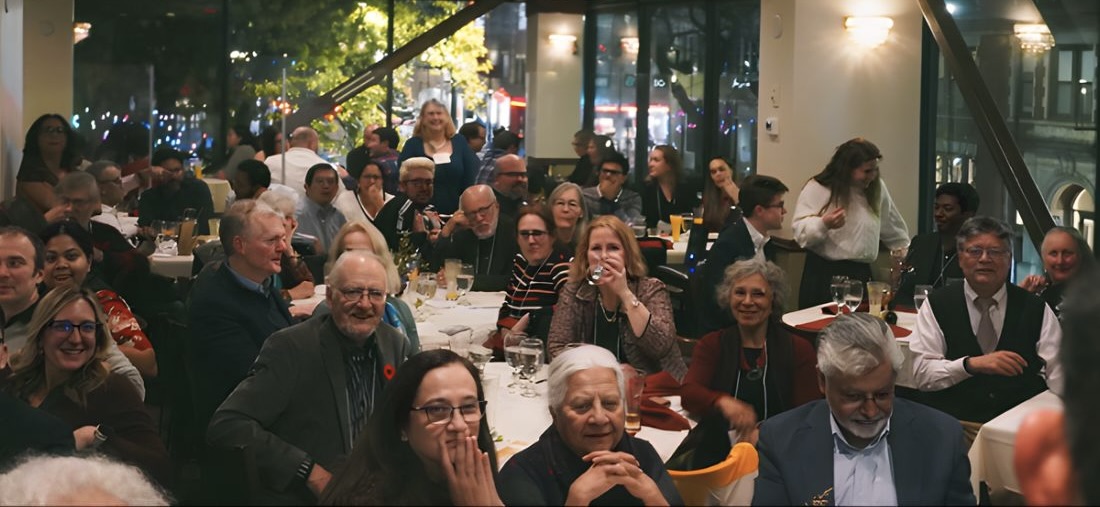
If you’ve ever worked with Professor Hasan, you know she embodies the spirit of a “tiger mom”. Not in the clichéd sense, but in the way she nurtures ideas, people and technologies with fierce loyalty and endless patience.
So many breakthroughs in PDT, including Visudyne, which brought light-activated therapy to millions, bear her fingerprints. Millions have benefited from light-activated therapies because Professor Hasan fought for the technologies long before the medical mainstream embraced them.
Professor Hasan’s influence reaches into the work my team and I have pursued at Canada’s Ondine Biomedical, where antimicrobial PDT therapies have now helped hundreds of thousands of patients avoid hospital infections.
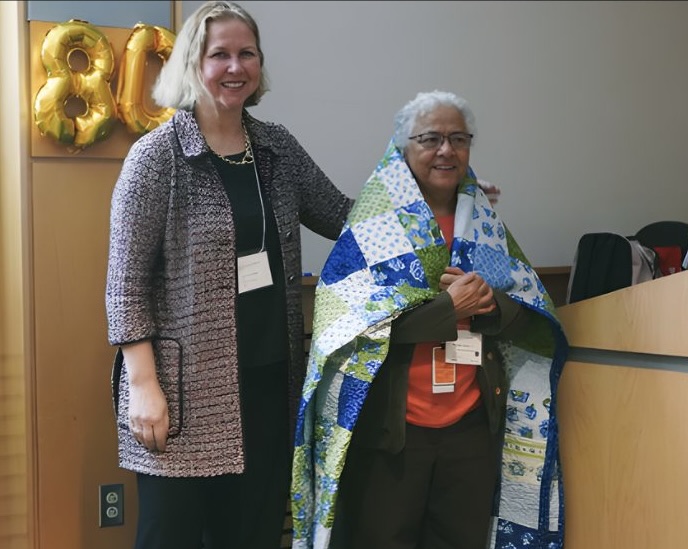
Professor Hasan’s foundational science and her steady encouragement have been constant sources of strength. I often think of her not only as a scientific trailblazer, but as someone who made it personally possible for many of us to keep pursuing the promise of light. This is Nobel-worthy work.
She has nurtured not just ideas, but people – scientists, clinicians, innovators and leaders. Her science gave them the foundation, and her belief in them gave them the courage. Her work is generational, creating not only new discoveries, but new discoverers.
Beyond the bench, Professor Hasan has shown equally impressive tenacity in holding together the International Photodynamic Association. For four decades, along with friends like scientists David Kessel, Colin Hopper, Brian Wilson, Brian Pogue and others, she sustained and grew what once felt like a small, fragile community.
Today, that community spans continents, with the 19th biennial meeting held in Shanghai, June 2025, showcasing extraordinary global talent.
Professor Hasan believes that light-based therapies can reach their full potential only if the people behind them trust one another. Much of the camaraderie we now take for granted in the PDT world – what I often call “the speed of trust” – flows directly from her influence.
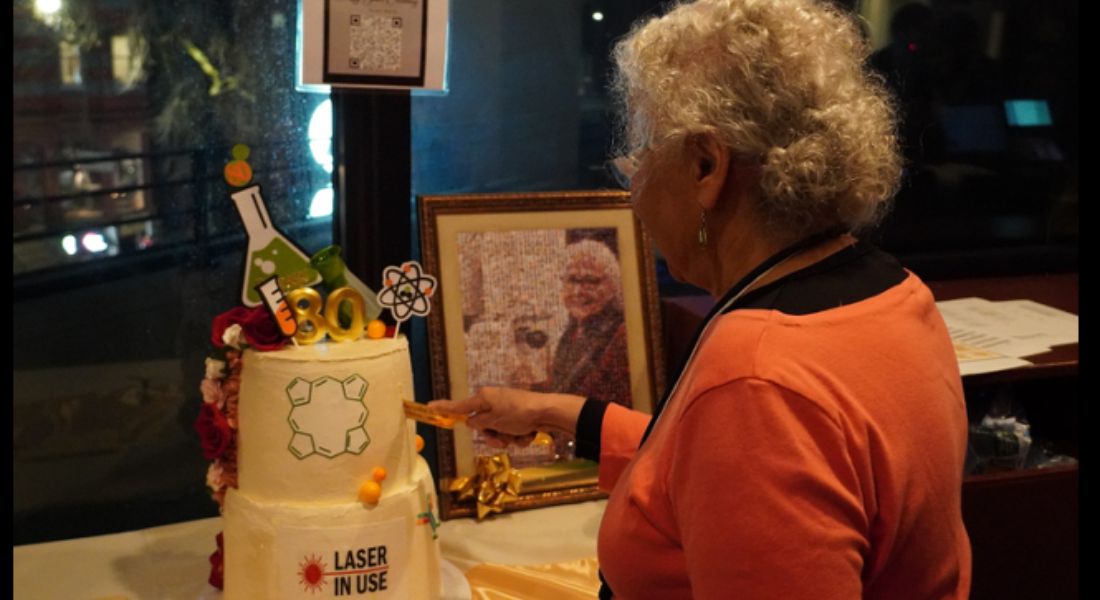
The “Hasan diaspora” has become an informal, organic network providing expertise, mentorship and support wherever PDT research and commercialisation encounter new challenges. It’s a global village she quietly – and sometimes not so quietly – raised. Her guidance is memorable to everyone she has mentored. She didn’t just teach PDT; she taught conviction, resilience and ambition.
I’ve seen her treated like a rock star at world congresses – surrounded by students who simply wanted a few minutes of her time. I used to joke that being around her felt like being a roadie for a celebrity.
And yet, beneath all that deserved reverence, she remains profoundly human, generous and thoughtful, never too busy to check in when life becomes difficult. Some of my favourite memories of her are not from conference halls but from quiet walks in Vancouver, or conversations in the mountains of Whistler, British Columbia.
Her influence is so vast that it will continue to illuminate the field for several generations. In my view, it is this global PDT network that will prove to be her greatest legacy.

Carolyn Cross is chief executive officer for Ondine Biomedical Inc., a life sciences company headquartered in Vancouver, Canada.
Discover more from eShe
Subscribe to get the latest posts sent to your email.
 eShe
eShe 
0 comments on “Up close with Harvard professor Tayyaba Hasan, ‘mother of photodynamic therapy’”