
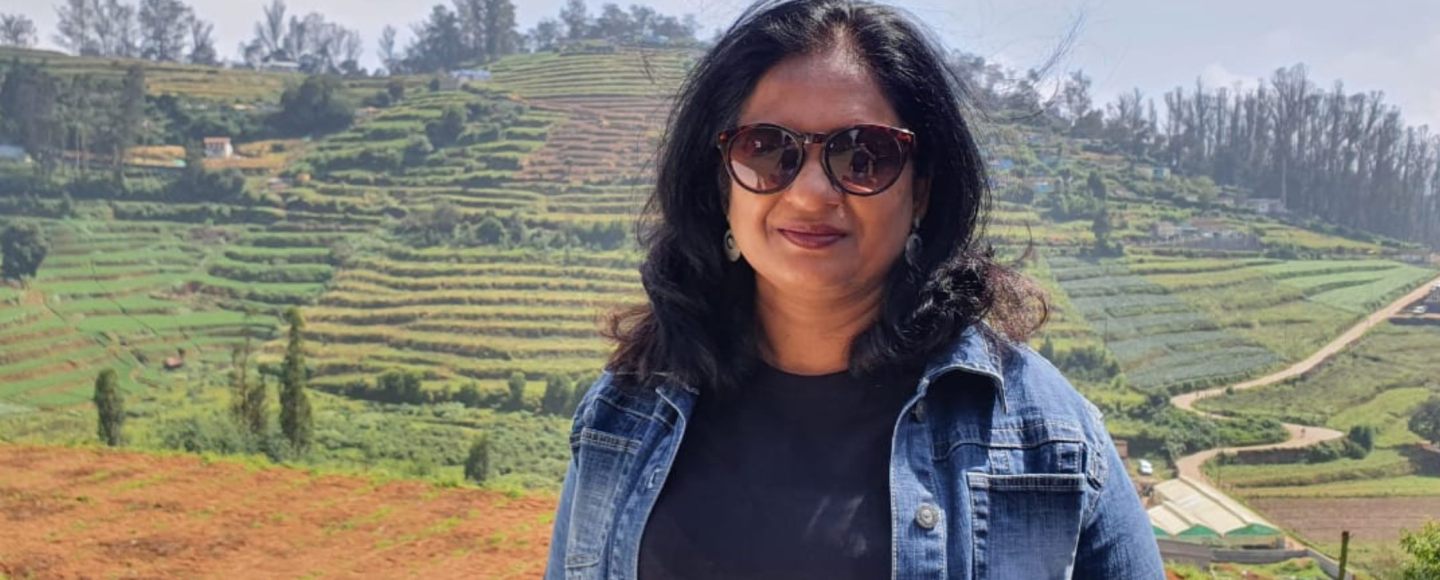

By Aruna Joshi
I often wonder, when did balance become the measure of a woman’s worth? Somewhere along the way, society decided that a woman’s success lies in her ability to juggle it all – work, home, relationships, self-care – while staying perfectly composed, though she may be exhausted behind the smile.
Women don’t just carry to-do lists. We carry the emotional weight of entire worlds: our families’ worries, our colleagues’ tensions, our friends’ heartbreaks, and the invisible expectations of society. It’s a constant, silent effort to hold others together, to sense, soothe and anticipate what others need before they ask.
Psychologists call it emotional labour. I call it the invisible heartbeat of our lives.
For years, I believed that being the emotional anchor was simply part of who I was: the reliable one, the listener, the peacemaker. Until one day, I found myself sitting at my desk long after everyone else had gone to bed, worrying about things that weren’t even mine to fix. I realised how much of my energy went into maintaining calm for others while quietly suppressing my own fatigue.
Even in professional spaces, emotional labour follows us. We’re the ones who soften conflicts, keep teams motivated, check in on people, remember the small things. We bring warmth into sterile boardrooms – but often at the cost of our own emotional reserves.
Society sells us the idea of balance as if there’s a perfect formula where everything fits neatly and no part of us is left behind. But in truth, balance is a myth. The scales are rarely even, and chasing them only leaves us feeling like we’re failing at both work and home.

I still remember one morning years ago, when I was rushing for an early meeting – emails pending, calls to make, my husband’s lunch to pack, a friend in crisis messaging me. I hadn’t even paused to breathe. In a tiny moment of awareness, I realised something deeper: it’s not that women can’t handle a lot. It’s that we hardly have the choice not to handle everything.
A friend once said to me, “I feel like I’m carrying everyone else’s happiness on my shoulders. I forget what mine feels like.” Her words stayed with me because they captured the quiet tragedy of so many women’s lives – celebrated for being strong, but seldom allowed to be simply human.
When emotional labour isn’t optional
There’s another side to this conversation – the situations where emotional labour cannot be reduced, delegated or avoided. Caring for ageing parents. Raising young children. Supporting a partner through illness. These aren’t roles we can step in and out of. They are seasons of life where the emotional load is heavy not because we lack boundaries, but because love itself asks more of us.
Yet even in these unavoidable responsibilities, the exhaustion doesn’t have to be inevitable. Over the years, through my own caregiving experiences and watching other women navigate theirs, I’ve learned gentler ways to carry what cannot be put down:
- Micro-boundaries inside unavoidable roles
You may not be able to stop caring, but you can decide how you care. A five-minute pause before responding, stepping into another room to gather yourself, choosing not to internalise every emotion that comes your way. - Asking for help without guilt
Caregivers often feel they must do everything alone. But sustainability is necessary. Sharing responsibilities, even small ones, protects your emotional and physical health. - Allowing yourself to feel tired
Meaningful work and emotional fatigue can coexist. There is no failure in admitting you are overwhelmed. You aren’t being selfish if you need time out. Strength grows when vulnerability is allowed. - Separating empathy from ownership
You can comfort without carrying. You can support without becoming a vessel for every emotion around you. Learn detached attachment. - Rest that fits into real life
Just small, sacred moments are enough: sitting quietly with tea, breathing deeply before responding, stepping outside for fresh air, journalling for clarity. Tiny rituals that refill you drop by drop. We can care deeply without losing ourselves in the process.
Reframing emotional labour as power
The shift begins when we stop seeing emotional labour as an obligation and start seeing it as a choice, even when that choice exists within constraints. Emotional labour can become a source of wisdom rather than depletion when we invest our empathy consciously, when we voice our needs without guilt, and when we honour the limits of our emotional bandwidth.
This is emotional leadership, and women have been practising it for generations.
Look at Indra Nooyi, who led PepsiCo with a blend of strategic brilliance and profound empathy. She nurtured talent, recognised individual struggles and created a culture where people felt seen. Yet she also drew her boundaries, proving that compassion and clarity can coexist at the highest levels of leadership.
Or Michelle Obama, who spoke openly about the pressures of being everything to everyone. Her honesty about vulnerability, mental health and boundaries gave women permission to exhale – to acknowledge that caring deeply and protecting oneself can go hand in hand.
From balance to alignment
The myth of balance fades when we replace it with alignment. Instead of trying to distribute our energy evenly everywhere, we ask: What truly matters today? Where does my presence make a meaningful difference? How do I care without losing myself?
These questions shift us from juggling tasks and duties to choosing what is most important to us. We make our choice with intention and conscious strength, not exhaustion and silent burden.
Women often carry the world because they care. And caring is never weakness. But it becomes sustainable only when we stop pretending the weight doesn’t exist.
Balance may be a myth, but self-respect, intentionality and mindful care are not. They allow us to be compassionate and responsible without getting depleted, available without becoming invisible, loving without losing ourselves.
The real evolution is not in doing more, but in choosing wisely. We don’t need to put on a performance of strength and hold everything. We just need to embody presence and hold what matters.

Aruna Joshi is a Mumbai-based author and former architect who spent 18 years designing spaces before turning to crafting words. Through her work, she blends practical wisdom with heartfelt insight to help people live with more balance, meaning and joy. She has written four books: Wake Up (2017), The Happiness Manual (2018), The Subtle Art of Dealing with People (2021), and Morning Mastery (2025). Follow her on Substack at Zen Whispers.
Discover more from eShe
Subscribe to get the latest posts sent to your email.
 eShe
eShe 
0 comments on “Women who carry the world: emotional labour and the myth of balance”