

By Neha Kirpal
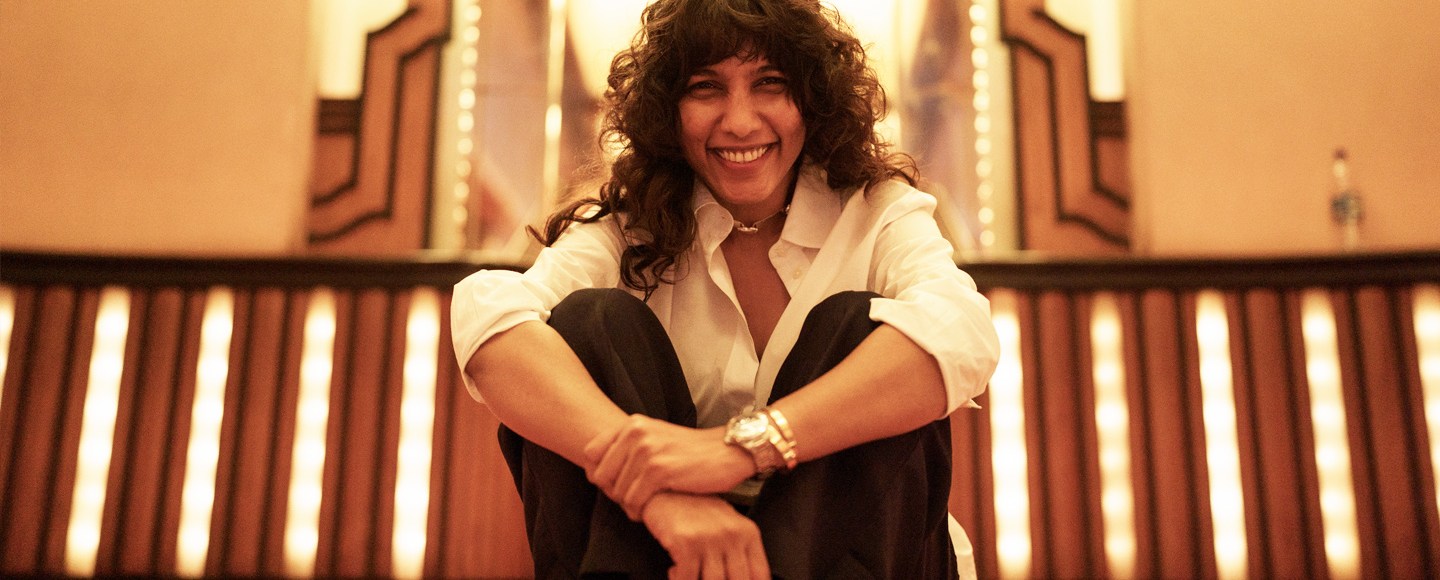
As a production designer for the acclaimed Hindi film Homebound (2025), India’s official entry for the 2026 Academy Awards in the Best International Feature Category, the most important aspect of Khyatee Mohan Kanchan’s work was to ensure that “the visual world felt authentic to the lives of marginalised, working-class characters and to avoid any glamourisation or fetishising of poverty”.
Homebound, directed by Neeraj Ghaywan, starring Ishaan Khatter, Vishal Jethwa and Janhvi Kapoor, was showcased in May 2025 at the 78th Annual Cannes Film Festival, where it got a nine-minute standing ovation, which was a proud moment for the entire team. The film also won second runner-up for People’s Choice Award at the Toronto International Film Festival 2025.
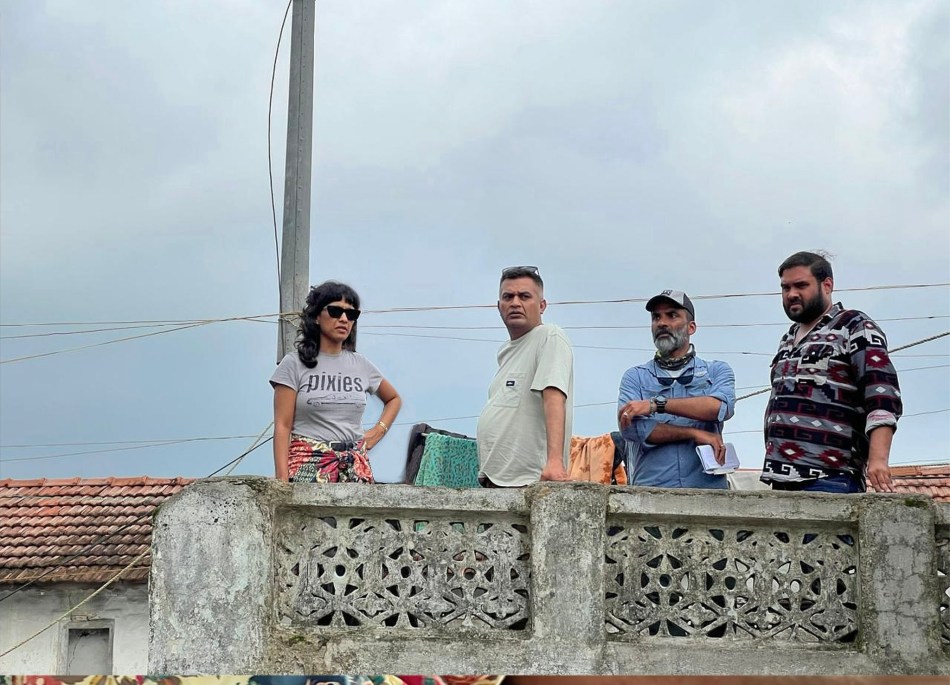
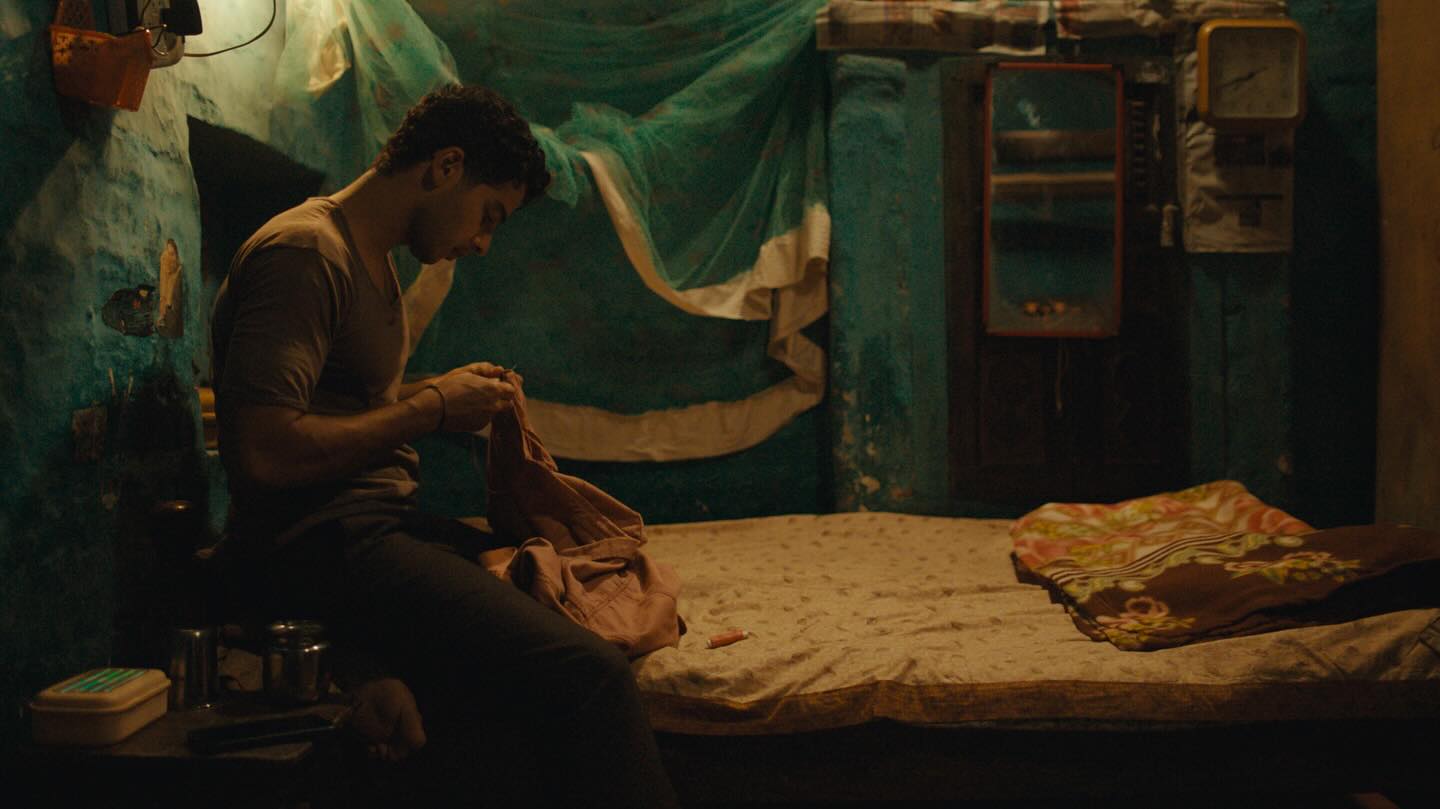
“We relied monumentally on observation of real locations, dwelled textures and everyday objects rather than styling the rural milieu,” says the Mumbai-based architect and art designer, adding that the team tried to “extrapolate villages and the small-town environment in north India, temporary urban housing and the visual sign of caste and class without turning them into spectacle.”
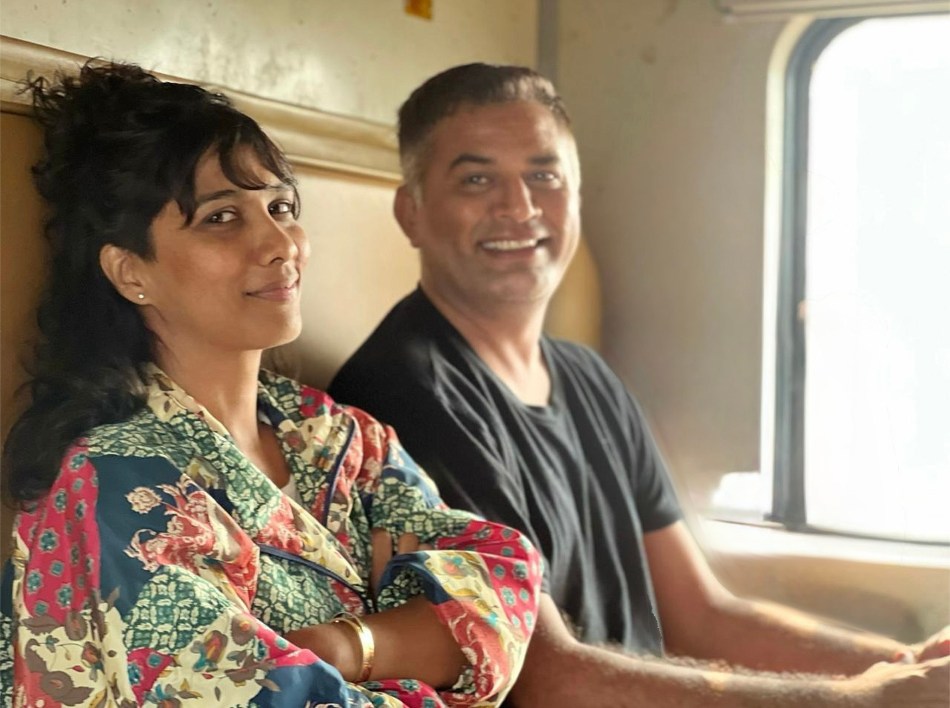
Raised in Mumbai, Kanchan showcased a penchant for art and design since childhood. In 2005-06, she worked with Yash Raj Films as an assistant production designer for Dhoom 2. For the next two decades, she designed sets for various movies, theatre, and TV commercials and shows, working with some of the biggest names in the entertainment and advertising industry. One of her career highlights was the Ajay Devgan starrer, period-sports drama, Maidaan (2024).
In this exclusive interview with eShe, she talks how working on this film changed her, and shares her experiences behind the scenes in Bollywood for over two decades.
eShe: Tell us about some of the memorable moments of working on Homebound that changed your own perspective, or taught you something new about India or the lives of ordinary Indians.
Khyatee Kanchan: Empathy. Homebound taught me to be empathetic. Throughout our location scouts and principal photography, we observed underprivileged families in India – studying real homes, what they eat, what they own, how they decorate, and how migration and precarity shape those spaces.
This taught me that, for many Indians, a tin roof, a concrete room or a government-issued certificate are not just props but symbols of safety, status and long-denied dignity. It taught all of us to be grateful.
What were some of the challenges of making a film about the underprivileged and marginalised?
Empathy is crucial for making a film about the underprivileged and marginalised, both ethically and practically, because it is easy to misinterpret people’s lives or exploit their suffering. When outsiders speak for a community, one can risk reinforcing power imbalances and objectifying people to mere symbols.
One needs to strike a fine balance so as not to stereotype the poor. It is of utmost importance not to whitewash or tone down the political critique or add uplifting endings that do not match reality, or distort real social economic complexities and structural causes of inequality. Hence, striking a balance was challenging for us.
I personally believe in relatable production design. Key principles were focusing on emotional impact, avoiding any overwhelming design that detracts from the spiel, and using a cohesive visual language that supports the narrative in its true sense.
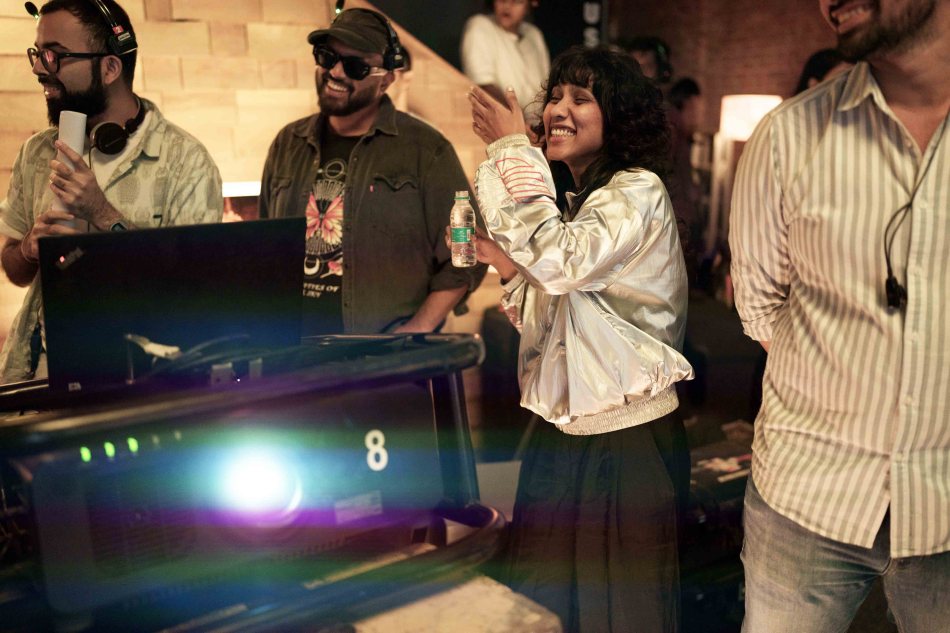
You began as an assistant production designer in Dhoom 2 (2006). After that, you worked as a production designer in films like Ugly Aur Pagli (2008), Phoonk 2 (2009), Badmaash Company (2010) and Maidaan (2024). How has the industry changed in this period for female production designers and other women behind the scenes, and what are your thoughts on the path ahead for women professionals in film industries across India?
Since 2005, there are definitely more spaces for women as production designers and technicians, but we still remain a small minority in most key technical roles. I would say growth has been real and visible, yet uneven across departments.
The shift from seeing art direction as primarily physical ‘construction work’ dominated by men to recognising it as design and visual authorship has brought a positive change for women overtaking more construction-driven projects.
My thoughts on the path ahead for women professionals: devote yourself to learning as much as possible. Know that the learning never ends no matter what stage you’re at. One can never learn it all, and hopefully that challenges and excites you. Travel and observe. Inspiration will come to you at the strangest hour, so always be ready to take it in.
Here’s to strong women: May we know them. May we be them. May we raise them.
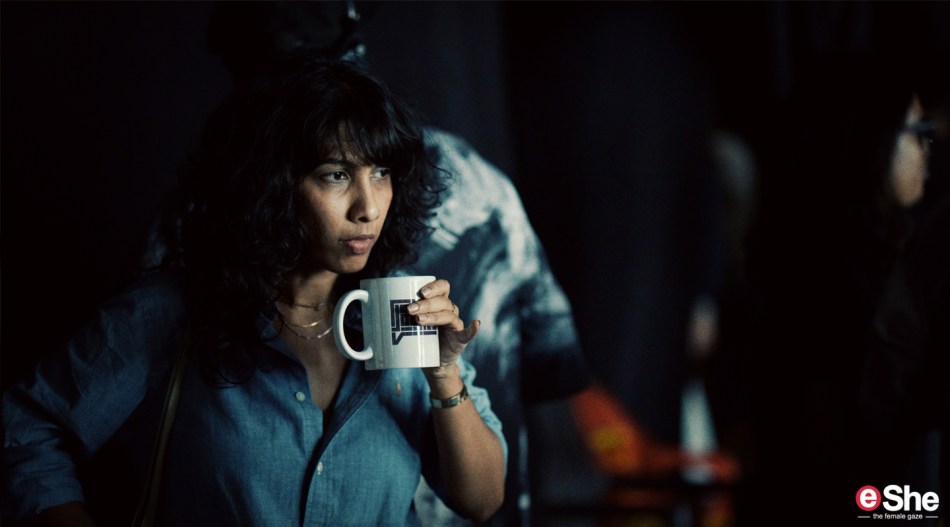
Which have been some of your most rewarding projects, and what are some of the important lessons that you have learnt along the way?
I most definitely have to say Maidaan and Homebound. Both of these projects are poles apart but nonetheless they underline how much production design shapes emotions and politics on screen. Especially when dealing with poverty, history and real locations.
There’s a physical aspect to designing movies. Maidaan was that – a biographical sports period drama. Each of these is a genre in itself and we had all of them. ‘Biographical’ meant we had to be true to Rahim sahab. ‘Sports’ was tough during Covid times, as we had to film with crowds for the football matches. My favourite among them all is ‘period’ – where everything in the frame needs to be period-correct and authentic. It was one of the most challenging and yet fulfilling projects for me.
While Maidaan was very physical and large-scale, Homebound was all about learning to design invisible spaces where textures, clutter and colours feel natural, and nothing looks like it was dressed. It was all about complimenting the narrative instead of standing out.
Tell our readers about the importance of production design in the making of a film.
Production design definitely shapes stories in a very significant way, because all the characters live in the world we build up. We transform scripts into believable environments, enhancing the narrative by conveying mood, character depth and themes without relying solely on dialogues.
I personally believe production design can make or break a film’s reception, often overlooked yet vital for memorable cinema.
What are your thoughts about the representation of Dalits and other marginalised people in Hindi cinema? How important is the role of directors like Neeraj Ghaywan, Pa Ranjith, Mari Selvaraj and others in creating authentic cinematic portrayals of the realities of Dalit lives in India?
In the earlier days, Dalits were stereotyped and often portrayed as poor, oppressed, submissive figures lacking agency or heroic qualities. This perpetuates the dominant caste gaze, where Dalits serve as foil for the upper-caste saviours rather than protagonists driving their own narrative.
But clearly that is changing with time. It is important to have directors like Neeraj and Mari Selvaraj breaking the stereotype and helping society break the gaze too.
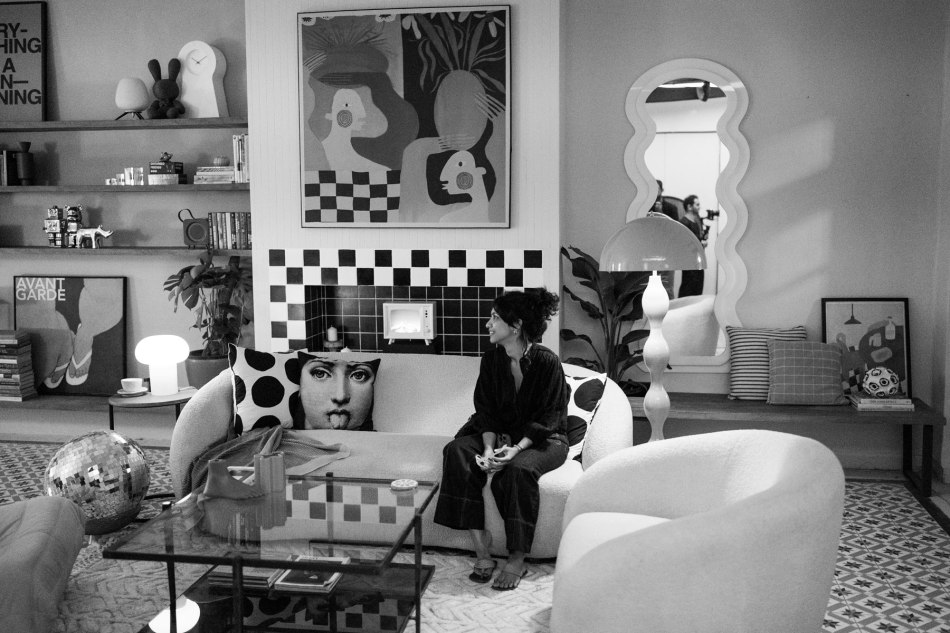
What keeps you going during tough times and who or what inspires you to keep moving ahead?
This year in April, I completed 20 years of working as a production designer. All I can say is that work keeps me going. It provides structure, purpose and a sense of achievement during hardship.
Most won’t admit, but I admit I thrive in chaos and finding order boosts the unconventional thinking in me. Amidst all this madness, a real good film is always the cherry on top. And when your film is chosen as the official entry for the Oscars from the country, it’s all worth it!
Discover more from eShe
Subscribe to get the latest posts sent to your email.
 eShe
eShe 
0 comments on “Creating the sets of ‘Homebound’ taught me to be empathetic: Khyatee Kanchan”