

By Karen D’Mello
The growth of a single woman in technology does more than advance her career. It shapes teams, strengthens industries, and opens doors for those who follow. Her progress becomes proof of what is possible, and that proof can change the trajectory of entire communities.
Having worked across education, inclusion and CSR over the past 16 years, I have seen this multiplier effect play out time and again. When a woman gains a skill, she shares it. When she earns a role that once felt out of reach, she inspires others to try. When she steps into leadership, she becomes the example others have been waiting for.
This is why investing in women is never just about one individual. Her growth triggers a chain reaction that builds resilience, nurtures innovation and accelerates collective progress.
I was born in Saudi Arabia and spent my childhood there, though every summer I would return to India. Experiencing both places side by side exposed me to stark contrasts in culture, religion, opportunities and freedoms.
In Saudi Arabia, I saw my mother wear a burqa every time she stepped outside, and classmates were careful not to show even their ankles. Women there could not drive, work or go out without their husband or father. In India, inequities looked different. Sons were often valued more; safety concerns dictated where girls could go, and brilliant young women were asked to put marriage before education.
In eighth grade, one of my classmates was married off and had to stop studying. That moment stayed with me because I could not understand why her path was cut short when mine was not. At home, too, I felt the quiet differences between how I was treated compared to my brothers. I was allowed to do less while also being protected in ways that reinforced unequal expectations.
Later, in my professional life, I saw the same inequity play out in pay parity when I discovered I was being paid significantly less than a male colleague for the same role.
Across these experiences, it became clear to me that gender inequity is not one-dimensional. It is deeply tied to religion, culture and systemic expectations, and it manifests differently in different contexts. But the effect is always the same: women’s opportunities are limited.
That realisation pushed me to dedicate my work to creating pathways and support systems that help women rise despite these barriers.
After working in various fields across aviation, technology and corporate CSR, I founded Tactopus, a social startup creating learning solutions for children with disabilities. Joining a community organisation like AnitaB.org India felt natural because it brought together everything I care about at the intersection of technology, equity and community-building.
For women in technology, community is often the difference between staying and succeeding or leaving the field altogether. Mentorship, peer learning and support networks provide what workplaces sometimes cannot: belonging and belief.
Belonging comes from being surrounded by peers who understand your challenges. Belief comes from role models who show that advancement is possible. In moments of disruption such as layoffs, career transitions, or family shifts, this support ensures that challenges become stepping stones rather than barriers.
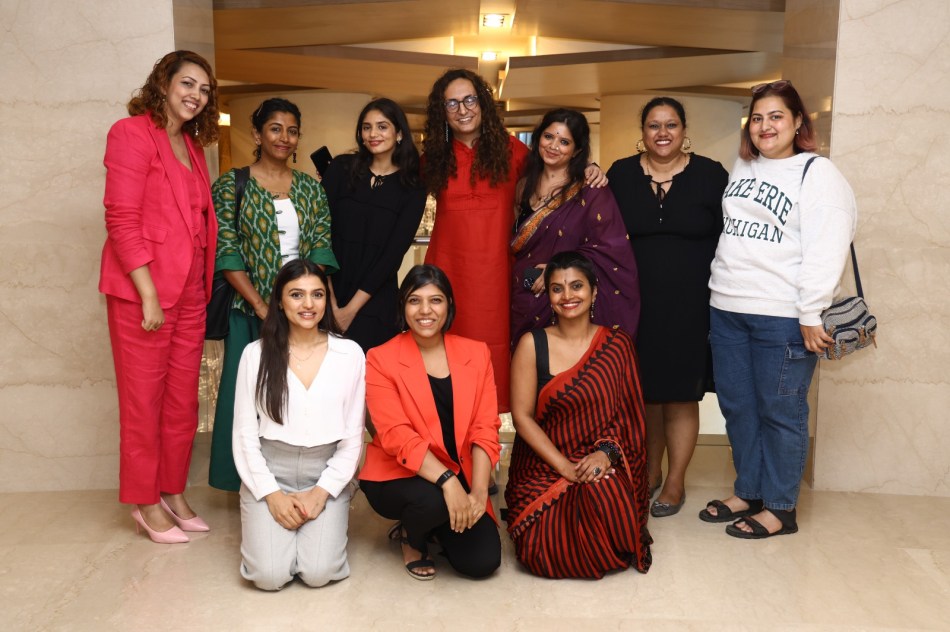
The community I work with is proof of this. We host mentorship circles, student councils, regional meetups and online peer groups. Today, we connect over 100,000 women technologists across India, from students taking their first steps in the field to senior professionals leading global teams.
Nearly 70 percent are under the age of 34, bringing ambition and fresh ideas. The rest bring valuable experience and perspective. Together, this multi-generational mix creates a pipeline of women ready to shape the future of technology. This strength is reinforced by diversity across industries. That breadth of experience fuels creative problem-solving and cross-pollination of ideas.
I have seen many stories that remind me why this work matters. A young woman from Hyderabad, the first in her family to enter the tech industry, joined our mentorship program as a mentee. She grew in confidence and later returned as a mentor herself, completing the cycle of growth and giving back.
A student from Indore secured a global internship, and her achievement encouraged juniors in her college to apply for similar opportunities, using her story as proof that it was possible for them, too.
I also think of a student from Nagpur who travelled overnight by train just to attend one of our events. She arrived nervous and uncertain, but left with new skills and a network that gave her the confidence to apply for roles she had never considered. Today, she is interning with a global company and guiding her juniors to follow the same path.
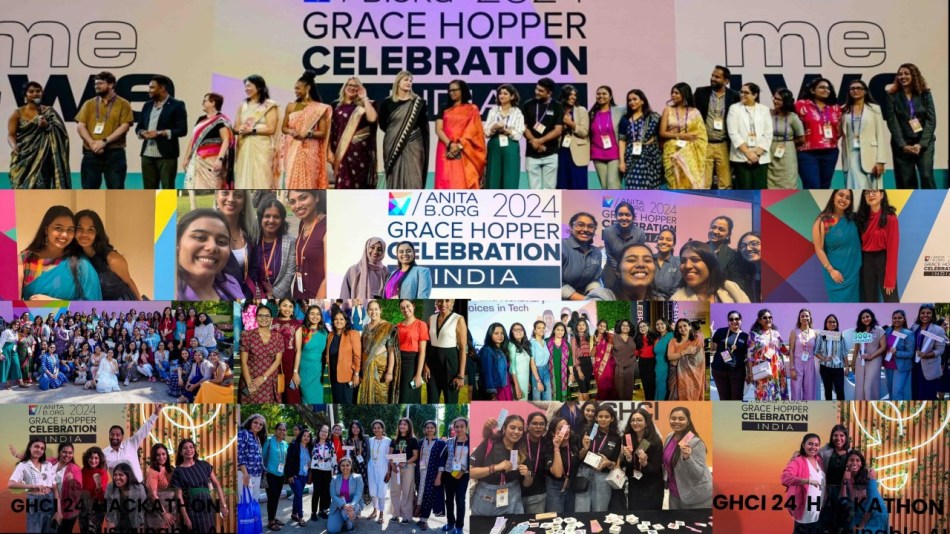
Some of the most moving stories also come from Grace Hopper Celebration India (GHCI), which is the largest gathering of women in technology in India. For many, GHCI is their first exposure to a space where women in tech are not the minority. I have seen students walk into the conference unsure of themselves and leave not just with confidence but also with job offers, mentors and a sense of belonging to something bigger.
There are also women from cities like Jaipur, Vadodara and Kochi who have used the community to make career shifts, moving from non-technical roles into core technology positions through upskilling and peer support. These are the ripples of change that show how community transforms lives.
Some of the most powerful examples have come from our listening circles. When the Kolkata rape case shook the country in 2024, women in our community gathered to share their fears, anger and personal experiences. Holding space for one another created a kind of strength that is not easy to find elsewhere.
Another circle we hosted focused on the invisible load of women, the unspoken responsibilities that weigh heavily but rarely get voiced. These conversations reminded me that community is not only about career growth but also about solidarity, healing and reassurance.
In more practical ways, during layoffs, women have leaned on the community for job referrals, peer support, and encouragement to keep going. For students, campus-based groups often become their first source of career guidance.
The ripple effect is not abstract; it is visible in the lives of women I meet every day. The future of technology depends on this ripple effect. Every woman who grows widens the path for those who follow. Every role model created raises the confidence of others. Every success, no matter how small, strengthens the collective.
The question is no longer whether women’s growth creates community impact. We know it does. The question is how quickly we are prepared to invest in that effect so the future of technology is stronger, more inclusive, and better equipped to meet the challenges ahead.
When one woman grows, an entire community rises with her.
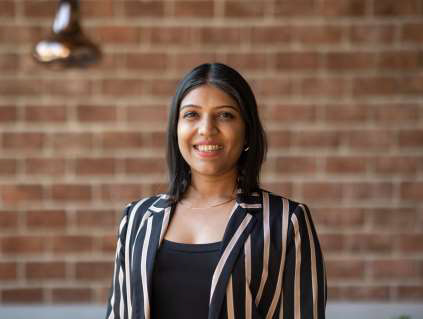
Karen D’Mello is India Head – Community & Pathways, AnitaB.org
Discover more from eShe
Subscribe to get the latest posts sent to your email.
 eShe
eShe 
0 comments on ““When one woman grows, an entire community rises”: stories from a women’s tech network”