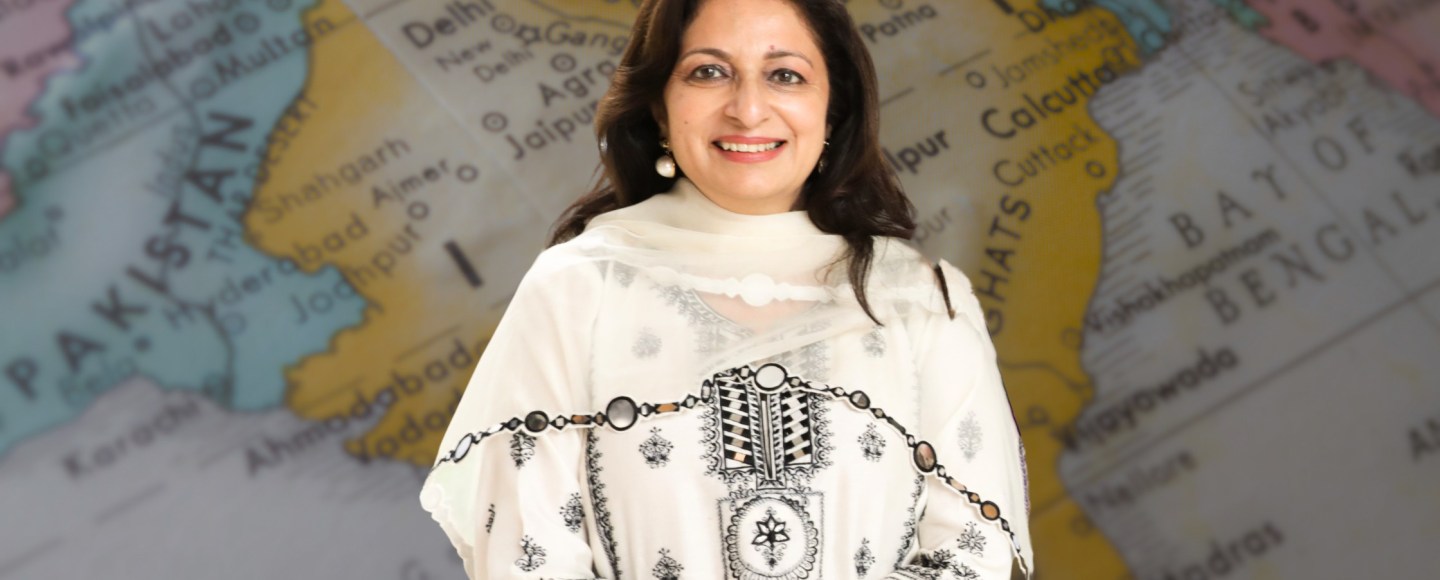

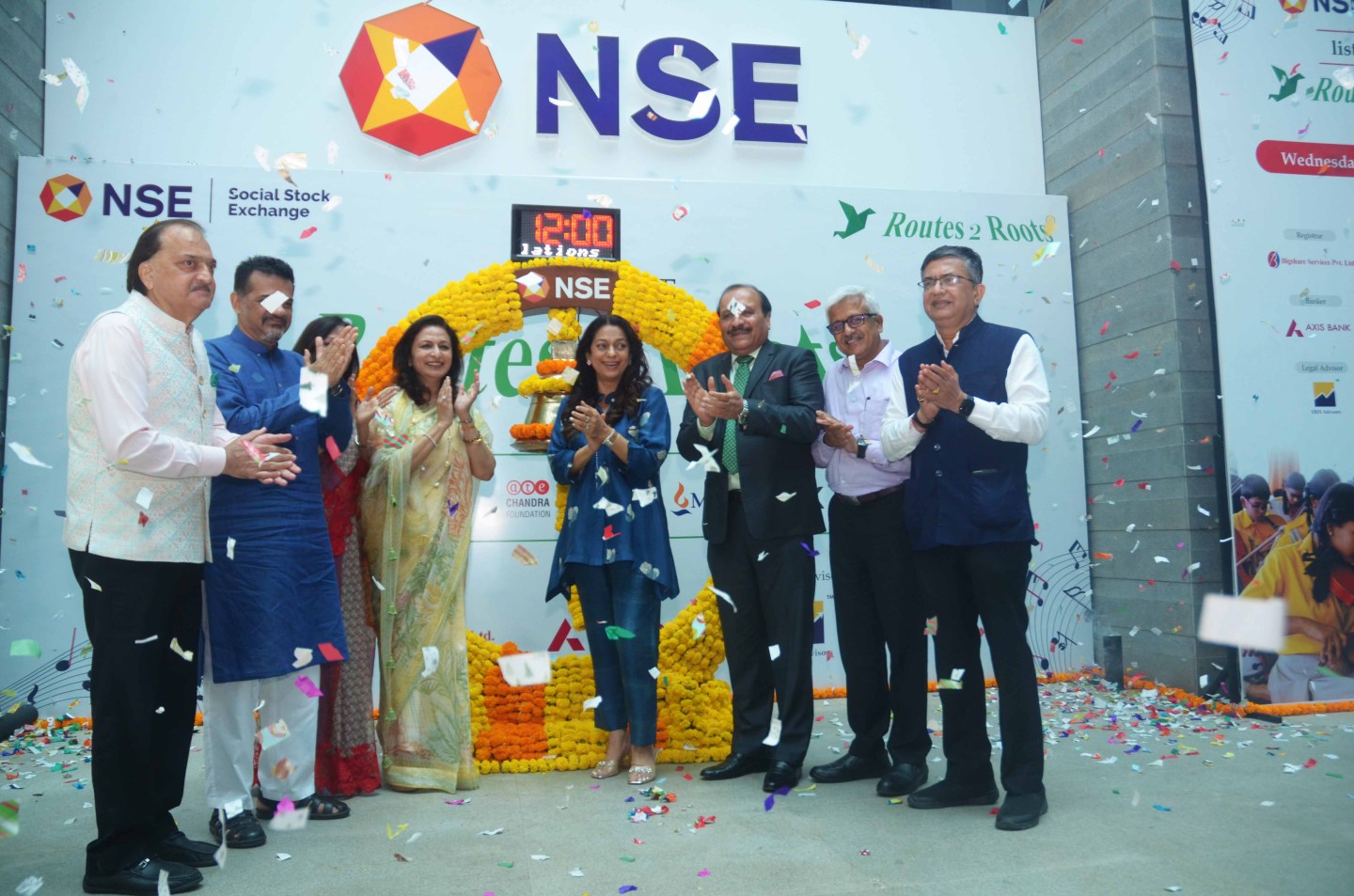
Twenty years ago, Tina Vachani co-founded the NGO Routes 2 Roots to promote arts education among the youth of India and cultural exchange with other SAARC nations. Today, the Delhi-based NGO reaches out to over 20 million students through 24,000 educational institutions across India, and is the first arts and culture NGO to be listed on NSE’s Social Stock Exchange.
Interestingly, Vachani was born and raised in Pakistan, but later made India her home. Since then, she has been a passionate advocate for cultural exchange and education across borders. Her story is one of separation and loss, but also continual efforts to unite her homeland and her adopted country through peace, culture, education, and the celebration of shared histories.
Vachani was born into a famed family of Karachi. Her father, the late JC Anand, a celebrated icon of Pakistani’s film industry, produced and distributed numerous successful films, including showcasing hit Indian films in Pakistan. Her brother is an award-winning media personality in Karachi.
“Despite belonging to a religious minority, my family’s contribution towards the film industry has been recognised by the government of Pakistan as the only Hindu one to make a mark in this field,” says Vachani.
Growing up in an elite locality in Karachi with high-profile neighbours and multicultural friends, Vachani completed her schooling from St. Joseph’s Convent. “My memories of Karachi are of a modern cosmopolitan city buzzing with the latest fashions, clubs and social life. There was never any racism, and until today, I have a WhatsApp group with my school friends wishing each other on festivals and reminiscing about our school days together,” she shares.
She also remembers “a lot of emphasis on club culture doing various sports and activities, besides farm lunches and picnics at the beach.”
When she was 14, an unfortunate episode changed her life forever. It was not uncommon in those days for families to visit one another across the border. Young Tina was in Delhi to visit her grandparents over the holidays, when the 1971 war broke out between India and Pakistan. All communication links were snapped and the teenager was unable to go back home for years.
She was forced to leave behind her home, parents, belongings, friends, even her Pakistani passport, and begin afresh as an Indian citizen with the support of her maternal family. She enrolled at the Lady Shri Ram College in the University of Delhi, though it took her time to adjust to her circumstances.
Many years later, she was told she could meet her parents at the Wagah border. Her parents travelled from Karachi to Lahore, and she from Delhi to Amritsar. “Every time I cross the India-Pakistan border, I relive the sad memories of that day when my parents were standing at the gate on the Pakistan side. I was so excited to meet them after so many years. But the Indian officer did not permit me to meet because of the required papers and permissions. I pleaded on humanitarian grounds but to no avail,” she recalls.
The young Tina could see her parents in the distance, watching helplessly. Tears rolled down her face. It was the last time the 20-year-old would see her father, who passed away six months afterwards from a sudden heart attack.
At the age of 24, she married businessman Ravi Vachani. It took her a few more years to be able to travel to Karachi. “I felt the futility of these manmade borders, which separated me from my loved ones. This incident profoundly shaped my sense of purpose, deepening my commitment to fostering connections and breaking down barriers between the two nations, leading to a peaceful coexistence,” she says.
Vachani made Delhi her home, and raised her two sons here. When they grew up and moved away for university, she launched Routes 2 Roots in 2004, helping artistes from all across SAARC travel to and perform in neighbouring nations. She also facilitated actor Shah Rukh Khan’s UK doctorate ceremony and Rishi Kapoor’s visit to Russia.

“Art and culture are the roots of any society, and if we can achieve tolerance to accept the similarities and diversities of varied cultures, peace will prevail. Our mission and vision are noncontroversial and do not cross anybody’s path. Yet, not all our roads are full of roses; there are also thorns,” she says.
The political climate in the past two decades has significantly affected India-Pakistan initiatives since Routes 2 Roots was founded. “Policies between the two nations remain volatile, influenced by a complex interplay of historical tensions and contemporary issues. While the general public often desires peace, current circumstances are less conducive to fostering cross-border collaborations,” says Vachani.
Her NGO has had to navigate these challenges, adapting its efforts to sustain meaningful cultural exchanges even in difficult times. In 2010, they launched the ‘Exchange for Change’ programme, a yearlong, structured engagement to foster understanding between schoolchildren in India and Pakistan through activities like letter writing, postcards, collages, and oral histories, culminating in a physical exchange.
“These yearlong activities began with curiosity, misconceptions, and a cold attitude but slowly saw a thawing of feelings leading to excitement about meeting pen friends,” she asserts.
The last such programme was conducted in 2016. Vachani says that governments on both sides appreciated their soft-diplomacy initiatives and the on-ground impact on children’s minds.
“Both governments facilitated all the visas and required permissions to conduct the physical exchange, which would be a delegation of more than 50 people, including students, teachers and principals from various schools and cities,” she says.
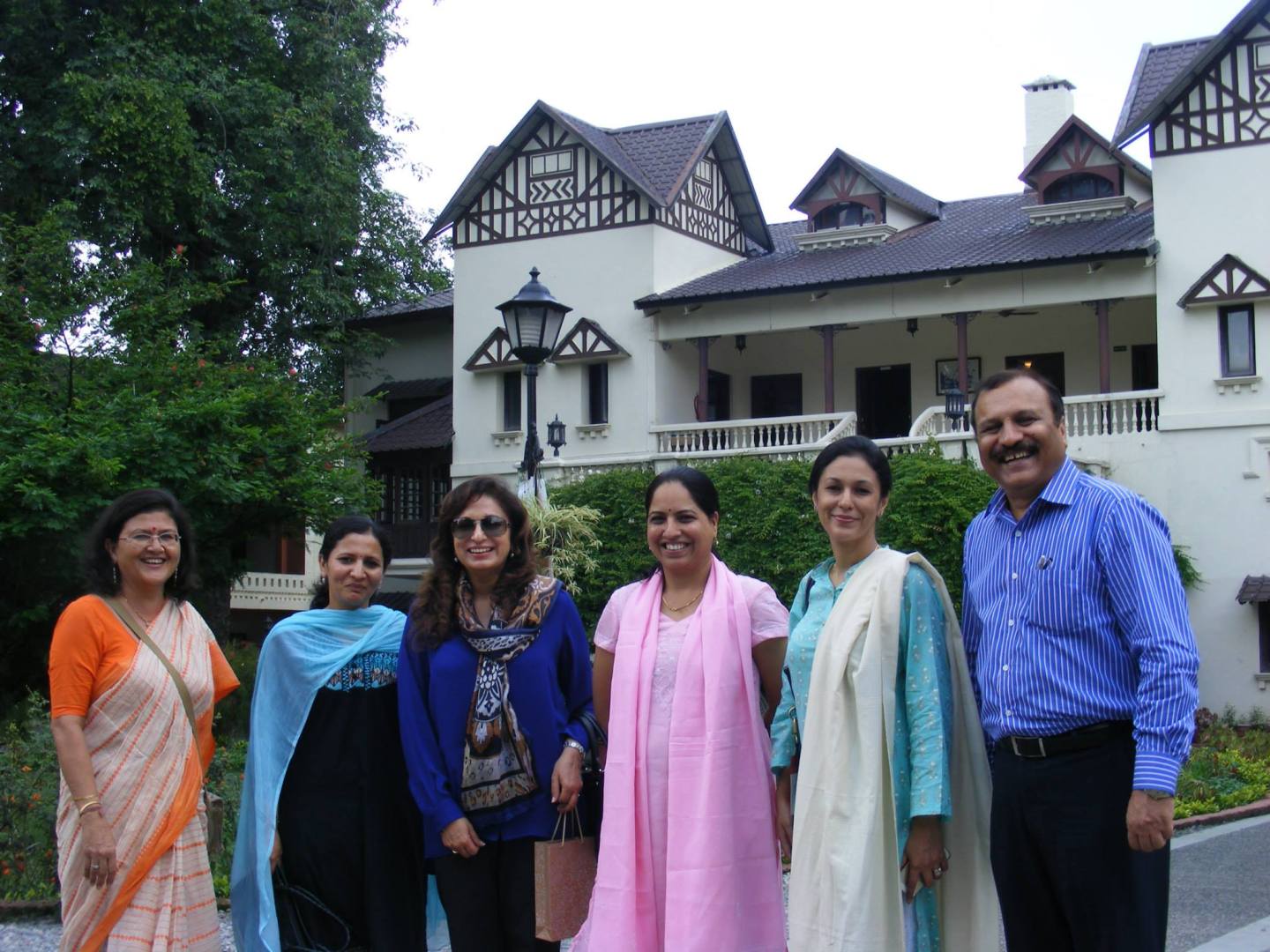
For decades, many peacebuilding organisations have worked tirelessly towards communication and dialogue between ordinary Indians and Pakistanis, and yet peace remains elusive between the two nations. Vachani believes the solution lies in education.
“The new generations are taught from childhood that these countries and their people are our enemies – so how can there be peace? We started the Exchange for Change programme at the school level and helped children discover the similarities and diversities for themselves. At the same time, we promoted the recording of oral histories so that they knew the facts of Partition, which were painful, and also cherished the living together of communities before Partition,” she explains.
In the four years that the programme ran, Vachani says she saw tremendous change in the attitudes of the students, teachers and other stakeholders. Mutual trust and understanding were established.
“This generation, after 10 years, would be decision-makers or influencers; what would have been the result? Our programme touched many direct and indirect participants from all sections of society. We worked extensively at the ground level rather than symbolic activities,” she says. Media coverage also gave the programme a boost, spreading awareness about the cause of cross-border peace.
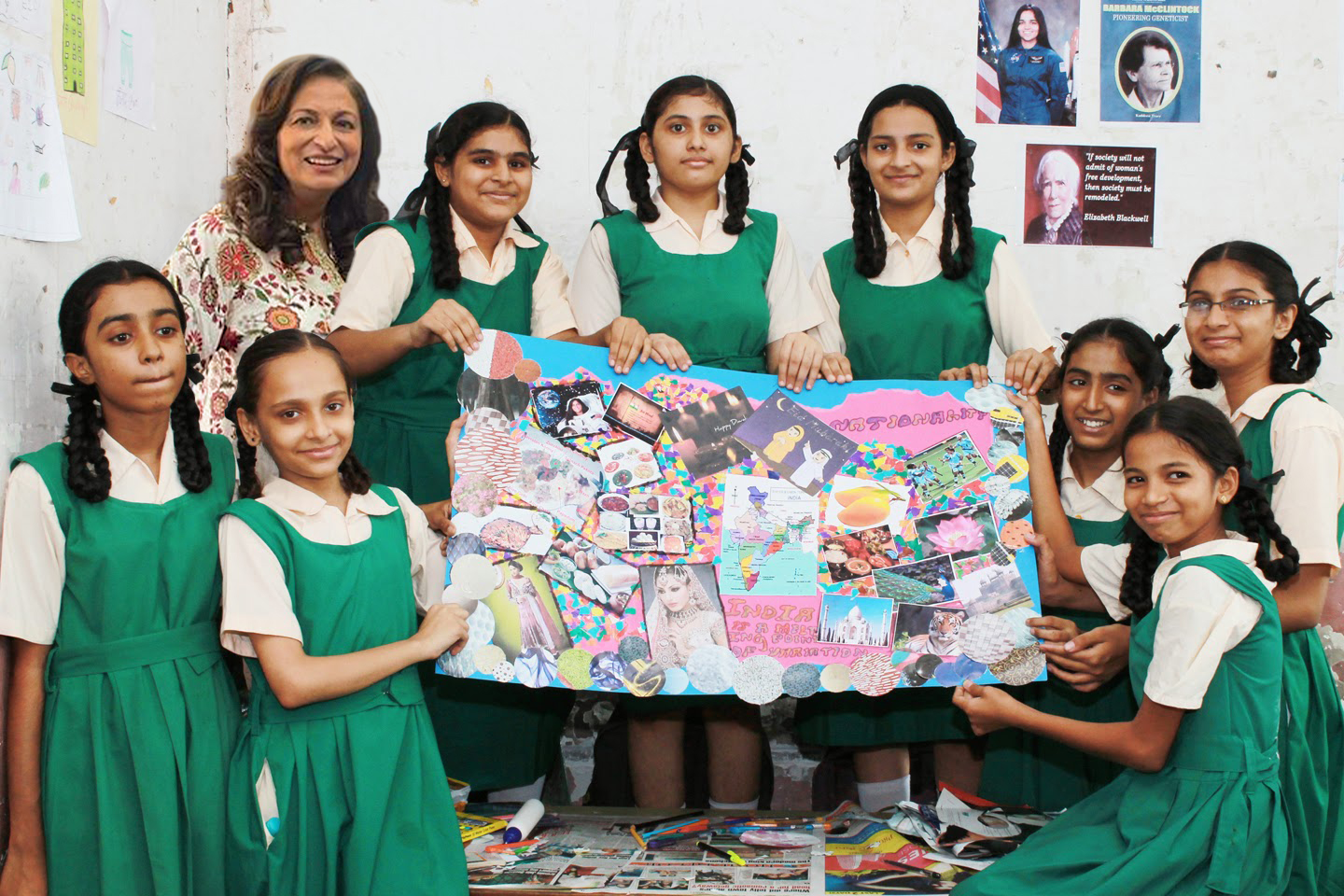
In 2016, the NGO launched a digital-education initiative called Virsa. “During visits to various schools across India for the Exchange for Change programme, we observed that Bollywood was the focus in schools while Indian cultural heritage was missing and mostly considered boring for the youth. We wanted to help preserve this dying culture and infuse pride amongst the youth for their heritage. Moreover, it is vital for the youth smitten by Bollywood to understand that its roots are in the classical arts,” she explains.
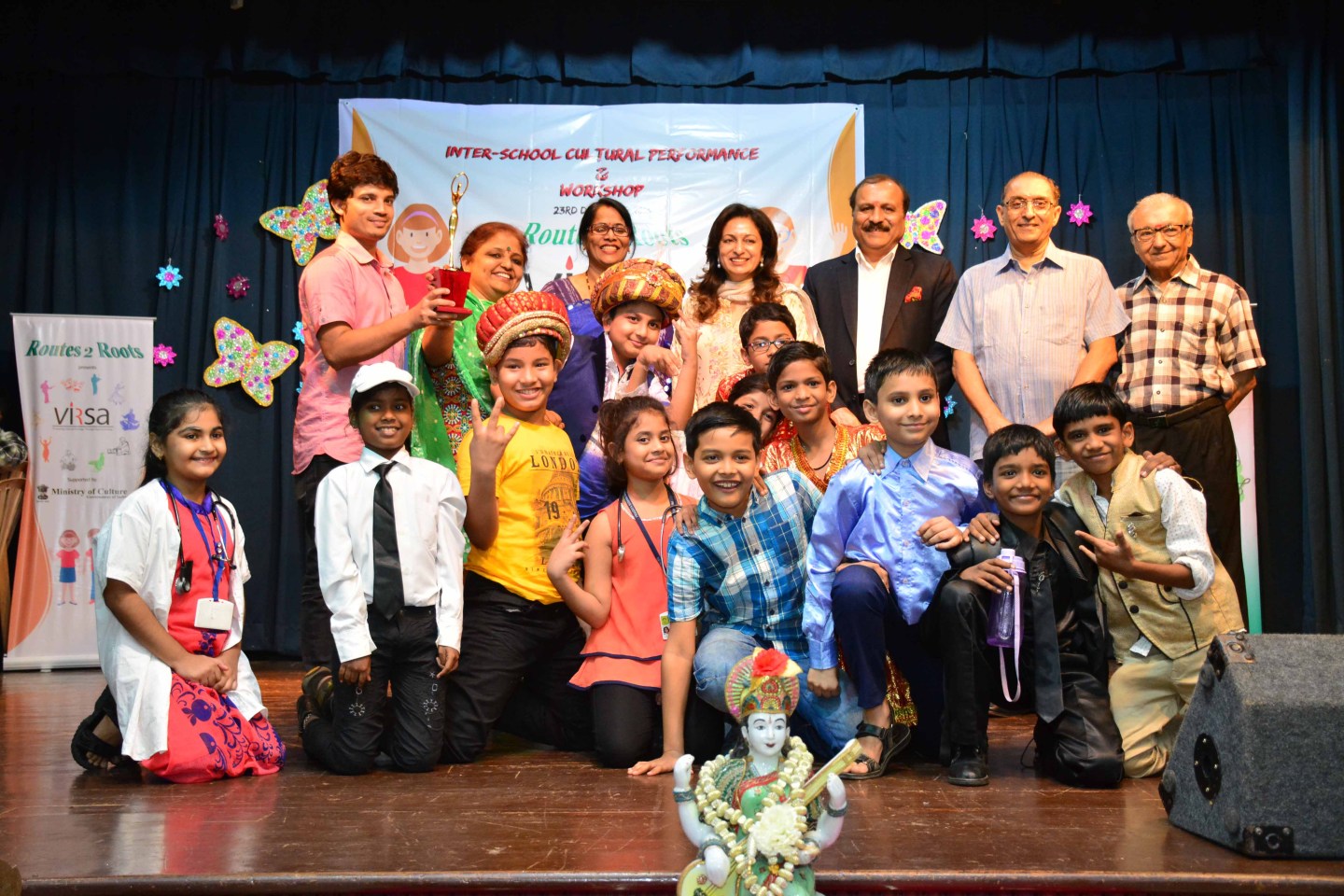
The NGO now imparts free cultural education in 16 performing-arts disciplines to 24,000 schools and colleges in India. This gives students access to the legends and masters of these fields and creates an atmosphere of art appreciation among the youth.
“This not only helps them in their holistic growth but also addresses their mental anxieties and other related issues. Who knows, going forward, we will pave the way for brilliant artists to make their passion a living,” says Vachani optimistically.
Now a 68-year-old grandmother of three, she believes that growing older can be a superpower if one is purpose-driven. “Maturity certainly helps in navigating one’s life,” she says. “As I grow older and learn to be more efficient, it is becoming easier and effortless for me to do my day-to-day work.”
This efficiency has reflected in Vachani’s “daily small successes” like getting new donors, signing up with new schools, creating new partnerships, being listed on the National Stock Exchange and being recognised by the Limca Book of Records as the largest cultural learning programme, she says.
She also believes that women have infinite power, which is consistently underestimated. “It is only a woman who can accept and adapt to all challenges. I have never felt helpless or vulnerable as a woman. I work with conviction, and with God’s grace, I have achieved my goals, maybe a bit late and with more challenging work than anticipated,” she says.
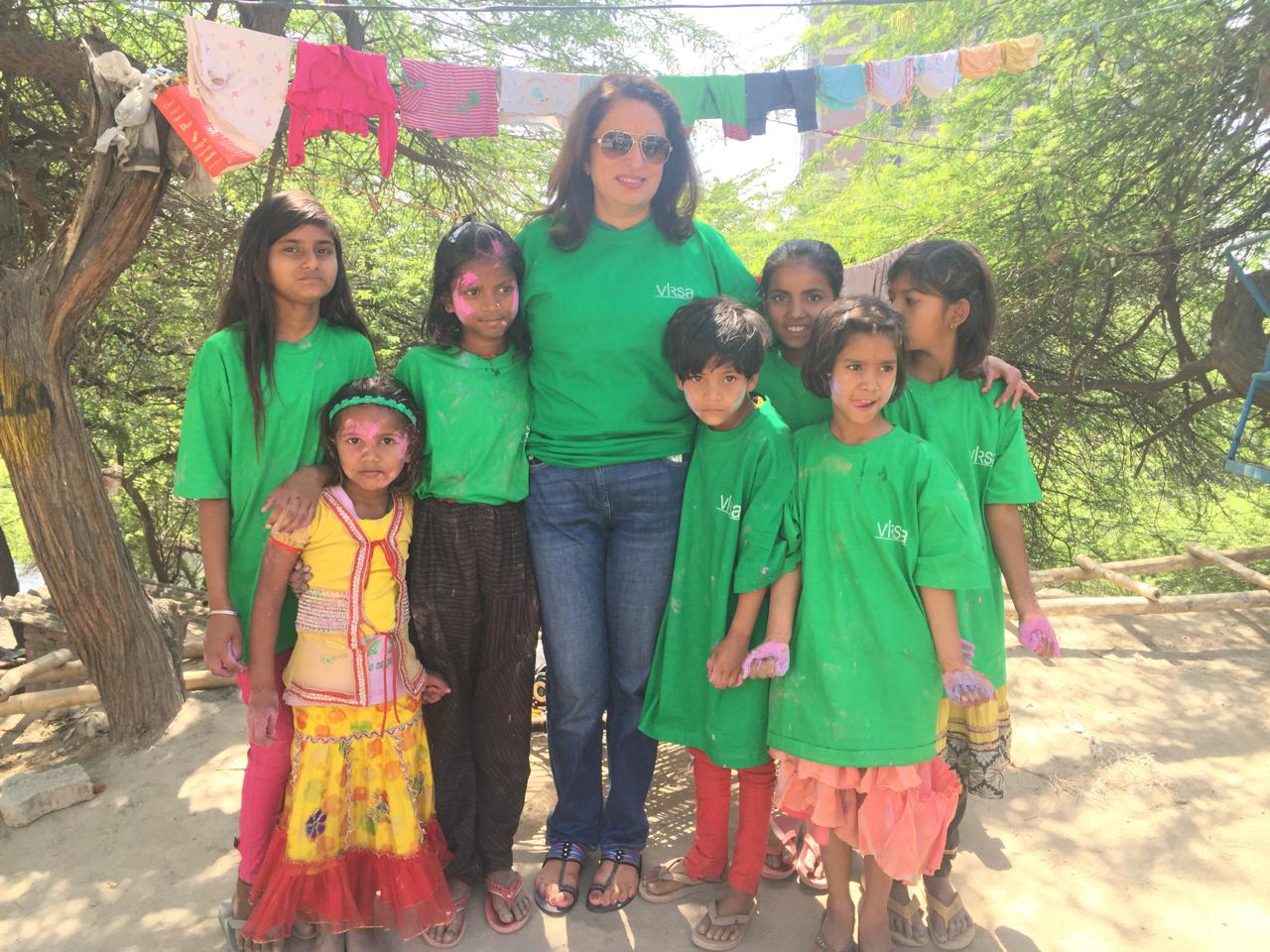
She takes inspiration from fellow social workers who have achieved what once seemed impossible. “The word activism has long been seen in a negative light. In contrast, it is a movement or effort to assist establishments in fulfilling existing gaps for society’s benefit,” she states, adding that her role models include women like Sarojini Naidu, Mother Teresa and Kiran Bedi.
Vachani and her family visited Pakistan multiple times when the visa regime between the countries was less stringent. “My children have spent their growing years enjoying the food and company of their cousins during their school holidays. They have some beautiful childhood memories of Karachi, where my family resides.”
She says that, even now, it is hard for her mother to believe that India and Pakistan are two countries. “I am a citizen of India. My family, on the other hand, will always remain an integral part of my life and home. I am also a victim of Partition, though it happened before I was born,” she says.
While Vachani and her loved ones have made the most of their situation, they still regret “how circumstances have created a political border in families”, she says sadly. “Politically, we hear many things on both sides, but in reality, most people feel torn apart. The pain is similar on both sides.”
With her work, Vachani has tried to do her bit in healing some of that pain, and creating a united community based on peace, art and culture.
Discover more from eShe
Subscribe to get the latest posts sent to your email.
 eShe
eShe 
We are certainly in dire need of persons like Tina Vachani who sacrificedher whole lfe creating mutual love unanimity fraternity and affection throughcultural programs and creating awaeness that peace is the only weaponby which people in subcontinent come closer and closer as there is no alternative. Credit must also be given to Aekta for writing such a nice column. I salute bothof them!! Kuodos and shabbash!! Shakeel
LikeLike