
By Sanya Malik
In 1947, the Partition of India led to the largest mass migration in history, displacing up to 15 million people and resulting in the deaths of an estimated one million. It divided British India into the sovereign states of India and Pakistan, drawing a line along religious and cultural identities of the people of the Indian subcontinent.
The cultural and historical reverberations of Partition continue to be a potent force in shaping identity, memory and trauma across both nations. Today, curatorial practices and contemporary art have emerged as important tools for engaging with the trauma of Partition.
Here, I look at two distinct approaches: the Partition Museum in Amritsar, India, and the collaborative exhibition “My East Is Your West” presented at the 2015 Venice Biennale.
These curatorial models offer contrasting methodologies for representing trauma. They draw on different strategies to engage audiences and foster empathy, collective memory and critical reflection on the legacies of Partition.
The Partition Museum: Testimony and Oral Histories
The Partition Museum, often referred to as the “People’s Museum”, preserves the narratives of Partition through oral histories, personal testimonies, and artefacts from the period. Located in Amritsar, a city that bore witness to the violence and upheaval of Partition, the museum has positioned itself as a site of memory and mourning.
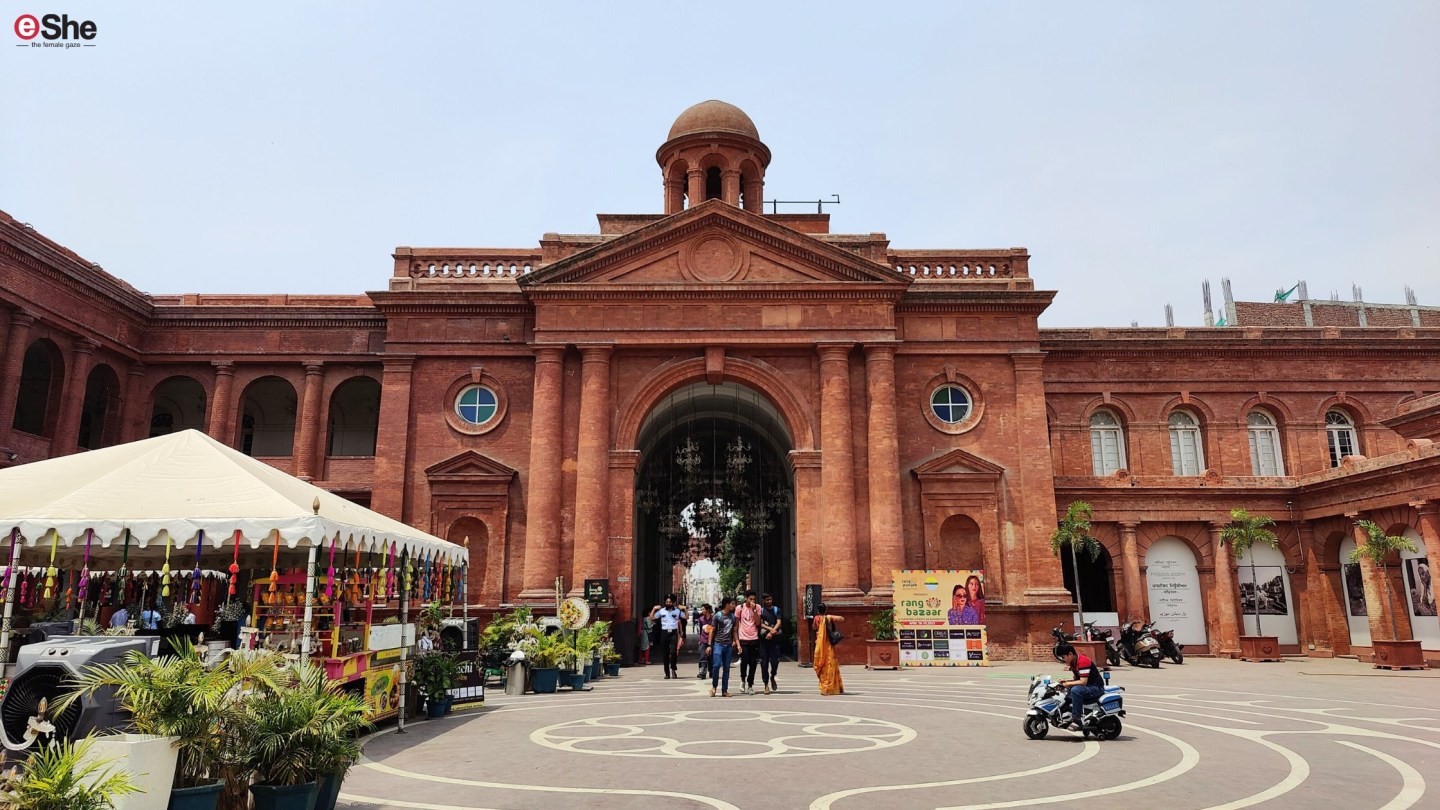
Founded in 2015 as a trust under the Government of Punjab, and chaired by author-columnist Kishwar Desai, its curatorial strategy focuses on first-hand accounts of survivors, presented alongside archival material and artworks responding to the trauma of Partition.
The testimonies shared in the museum are raw and often distressing, such as the account of Indian athlete Milkha Singh, who witnessed the massacre of his family during the chaos of Partition. He recalls his father’s final words urging him to escape, a memory that has haunted him throughout his life.
These personal narratives are central to the museum’s approach, which seeks to bring audiences face-to-face with the human cost of Partition. Through the use of multimedia displays, visitors are invited to listen to survivors recount their experiences in their own voices, fostering an intimate connection between the viewer and the historical trauma.
However, this approach raises questions about the ethics of representing trauma and the potential psychological effects on audiences. Trauma researcher Bessel van der Kolk emphasises that confronting such narratives can evoke secondary trauma in viewers, but he also argues that this confrontation is necessary for a deeper understanding of the human capacity for suffering and resilience.
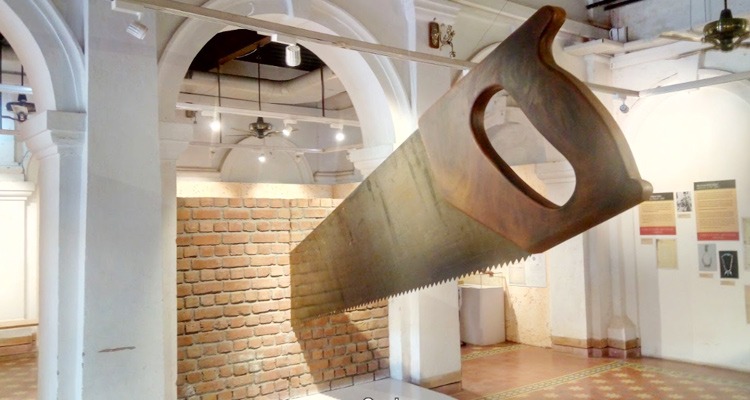
The museum’s reliance on testimony as a curatorial tool underscores its role as a memorial space, but it also invites critical reflection on how we remember and engage with historical trauma.
Historian Faisal Devji highlights that understanding Partition is not solely about the past, but also about addressing ongoing communal tensions between Hindus and Muslims, as well as the strained relationship between India and Pakistan.
In this sense, the Partition Museum serves as both a place of remembrance and a call for reconciliation, though it does not always make explicit the role of the British Empire in orchestrating the violent division of the subcontinent. The museum’s focus on Hindu and Muslim victimhood, without a clear identification of a single perpetrator, risks reinforcing the very divisions it seeks to address.
“My East Is Your West”: A Contemporary Artistic Dialogue
In contrast to the historical testimony-based approach of the Partition Museum, the collaborative exhibition “My East Is Your West” takes a more conceptual and affective approach to representing the trauma of Partition.
Presented as a collateral event at the 2015 Venice Biennale, the exhibition brought together Indian artist Shilpa Gupta and Pakistani artist Rashid Rana to explore the legacy of Partition as a daily, ongoing experience rather than a singular event of the past.

This collaboration marked the first time India and Pakistan jointly participated in the Biennale, symbolising the potential for art to transcend national borders and foster dialogue between historically antagonistic nations.
The exhibition avoided the direct representation of Partition violence and instead focused on the lingering effects of borders, migration, and dislocation.
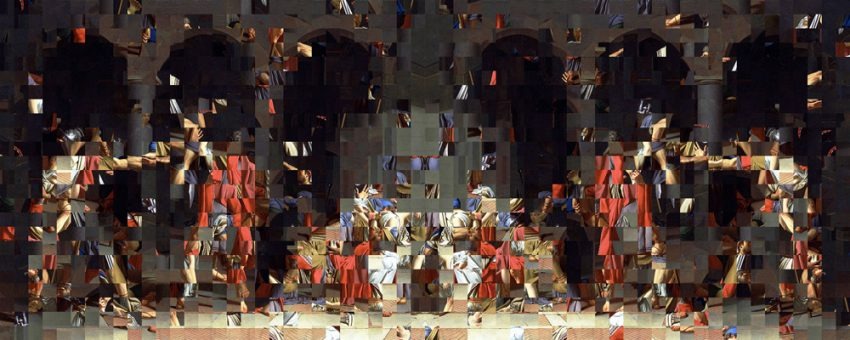
Lahore-based Rana’s work, for example, used surveillance technology and digital photomontage to critique the ways in which history and the present are intertwined. His piece “War Within II” juxtaposed found footage with classical art, creating a dialogue between past and present conflicts.
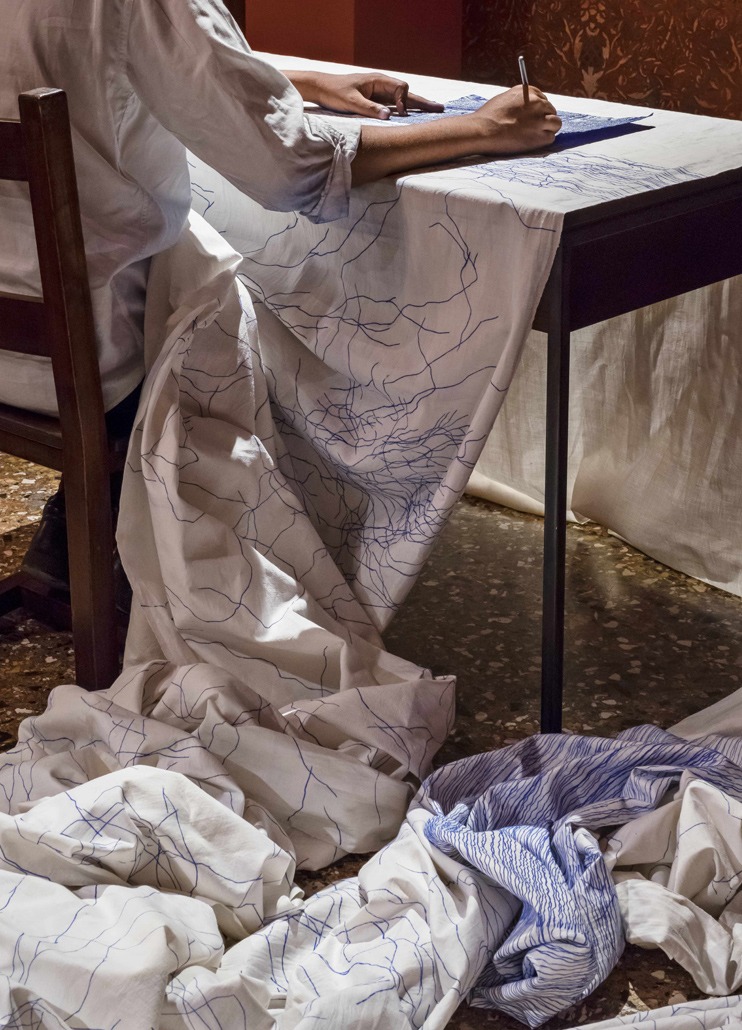
Mumbai-based Gupta, on the other hand, focused on the Bangladesh-India border, where a massive barbed-wire fence continues to separate communities. Her installation, “1:998.9,” used textiles and performance to comment on the arbitrary and ever-shifting nature of borders, highlighting how these lines on a map have deeply personal and emotional consequences for those living along them.
“My East Is Your West” played with the concept of visibility and positionality, inviting global audiences to consider their own relationship to Partition and its aftereffects, allowing second- and third-generation audiences to reflect on how the effects of Partition are still prevalent in their day to day lives.
Rather than overwhelming viewers with traumatic details, the exhibition allowed space for reflection and interpretation, encouraging a sense of shared experience rather than reinforcing the “otherness” of the victims.
As curator Feroze Gujral noted, the exhibition aimed to bridge the “shared past” of India and Pakistan with a “divided present” while also imagining a “collaborative future”.
This approach reflects the broader trend in contemporary art to address trauma in ways that do not simply recreate the pain of the past but instead open up new possibilities for understanding and healing.
As Jill Bennett argues in her book Empathic Vision, trauma-related art can hold transactive qualities, allowing audiences to engage with difficult histories in a way that fosters empathy without appropriating the experience of the victim.
By creating a space for viewers to position themselves in relation to the trauma of Partition, “My East Is Your West” challenged the conventional boundaries of national identity and historical memory, offering an alternative model for curating trauma.
A Comparative Reflection
Both the Partition Museum and “My East Is Your West” offer valuable insights into the challenges and possibilities of curating trauma. Ultimately, both curatorial models highlight the importance of engaging with Partition as a living, ongoing trauma that continues to shape the identities and relationships of those affected by it.
As we continue to grapple with the legacies of colonialism, nationalism, and communal violence, these curatorial practices remind us of the power of art and memory to confront historic trauma and imagine new futures.
Sanya Malik is curator and founder of Black Cube, an alternative gallery founded in 2018 that focuses on representing art in borrowed spaces. Sanya holds a Bachelor’s in criticism, curation and communication of art and design from Central Saint Martins, London, and a Master’s in curating contemporary art from the Royal College of Art, London.
Black Cube will present ‘Dancing Shiva’, a solo booth showcasing Thota Vaikuntam’s paintings, sculptures and mixed-media works at Art Mumbai 2024 from 14 – 17 November. You can find tickets here.
Discover more from eShe
Subscribe to get the latest posts sent to your email.
 eShe
eShe 
I would certainly give A+ to Sanya Malik for writing this fabulous feature with beautiful pictures. Art curation is a skill with which she gave full justice. Indo-Pakistan history or art curation cannot be accepted by all as people of certain faiths see/analyze them with their own prisms. However the attempt made Sanya is a new beginning in this regard. Kudos and shabbash to her from the core of my heart!!
LikeLike