


By Neha Kirpal
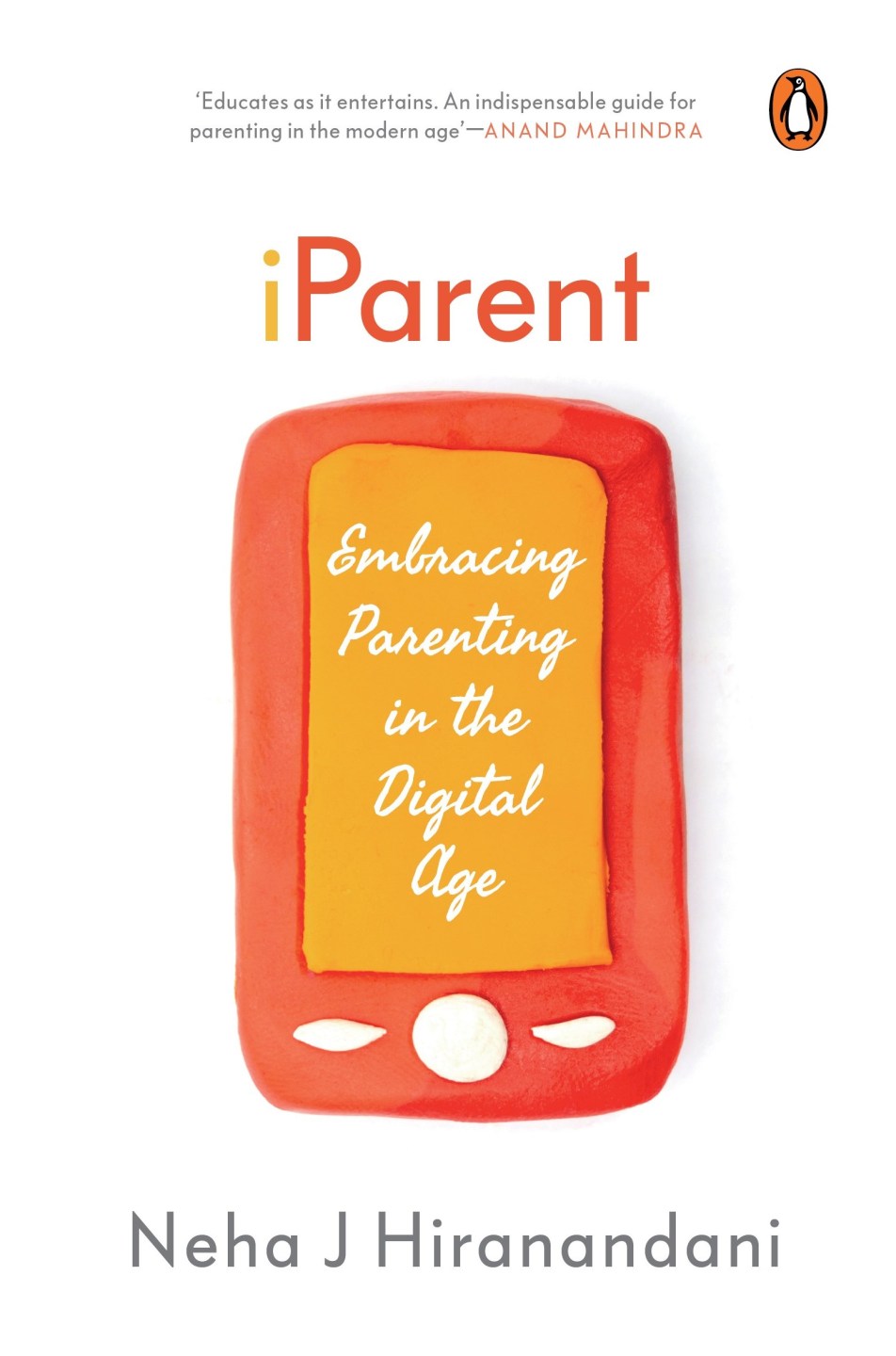
Parenting columnist Neha J Hiranandani’s latest book, iParent: Embracing Parenting in the Digital Age (Penguin India, INR 299), is a timely and relevant read of today’s day and age, when iGen, or digital natives, are growing up.
As she points out in the introduction, this is the generation that was “handed a device before they could walk; they clicked and scrolled before they took their first bite, tapped and dragged before they said their first words.”
Given that the Covid-19 pandemic happened while many of this generation were quite young, Zoom meetings and even online school became a necessary reality. In a sense, what is the “new normal” for adults was simply the only normal these little ones had ever known.
But what Hiranandani explains is that it’s not just children who are hooked onto their devices, it’s the grownups around them too. Reports suggest that the average person checks their phone (read ‘electronic leash’) 12 times an hour. Not surprising.
We check and reply to emails on our phone every now and then; there’s a constant buzz of WhatsApp notifications from various groups that we’re a part of throughout the day; and we now know how millions of dollars are spent by social-media platforms like Instagram and Facebook to make them as addictive as possible.

According to Hiranandani, our mind is forced to play a digital ping-pong all day long – from the moment we open our eyes in the morning while feverishly reaching out for our phones till the time we get into bed to sleep (and sometimes during the wee hours of the night too!).
A spate of mental health issues in such a scenario is only natural. “We are more connected and yet lonelier than ever, and sometimes, it seems that social media had us social distancing well before the pandemic,” says Hiranandani, who started her career with UNICEF working on education policy for Indian schools.
Unfortunately, kids quickly learn how to copy the behaviour of adults around them. So if we’re constantly on our devices, that’s exactly what they’ll imbibe and imitate too.
Sadly, many kids today have to compete with a phone for their parents’ attention. Often we may be physically around them, but are only half there in person – while we’re constantly peeking at our phone. Naturally, if we want our kids to spend less time on screens, then we need to become their best examples and do the same ourselves.
Given the serious nature of this malaise, Hiranandani, who is a mother of two, offers some tips on how to pause this endless game. A digital detox every now and then – though hard to do – is always a good idea. Taking a temporary break from your phone can give your mind a much-needed break.
Doing ‘nothing’ once in a while – staring out of a window, lying awake in bed, watching the grass grow – is another great breather and skill. “Daydreaming – an inevitable effect of idleness – literally makes us more creative, better at problem-solving and better at coming up with creative ideas,” she writes.
Further, don’t try to multitask: “To be everywhere is to be nowhere,” as the Roman philosopher Seneca said. “It is only when we lose ourselves in the flow that we can truly find ourselves,” writes Hiranandani, an alumna of Wellesley College and Harvard University.
After highlighting the pitfalls of technology through a large part of the book, the author also dedicates a whole chapter to the many benefits of living in a connected world – where information is a mere click away.
Today, anyone can become a ‘social-media star’ – think YouTubers, gamers, Instagram influencers and content creators. A critical occupational hazard of such careers, however, is that of burnout. Several influencers feel that their jobs negatively impact their mental health.
Another important aspect that Hiranandani takes up in the book is that of ‘sharents’ – a term used for parents who overshare pictures, videos and other details about their kids on social media. Many people across the world create and share family vlogs that are full of intimate moments – “meltdowns, breakdowns, embarrassing accidents” – which make for great viewing. The result of this is rarely positive. Many of the kids in question tend to grow up as intensely private individuals.
“Digital footprints that they didn’t create will follow these children for the rest of their lives which means they will never have a blank page on which to write their own stories,” she explains.
If we want to raise happy, successful children, they will have to learn their own hustle and be their own safety nets. Instead of treating them like delicate teacups that might chip if dropped, consider telling them about your resilience.
Neha J Hiranandani
Then there is the issue of overparenting – or helicopter parenting. Micromanaging every move of your child has its pitfalls, including causing them unnecessary anxiety as well as making parenting a physically and emotionally stressful job for ourselves.
“Trouble brews when we don’t rewire our instincts to allow our children to walk with the herd and flee from predators on their own legs once they can. Instead of letting them eventually roam free as nature intended, we hover above in helicopters as they limp their way through the savannah,” she affirms.
According to Hiranandani, when we do everything for our children, we rob them of the chance to experience discomfort. “Because they’ve been so comfortable their entire lives, they struggle with failure when it arrives simply because they’ve never had practice holding it or mapping its contours,” she writes.
Ultimately, she prescribes the ‘authoritative’ style, combining both the authoritarian and permissive styles, as the ideal form of parenting. In this, parents set expectations for their children, explain the reasons for their rules, allow for failure and encourage kids to make independent choices. “Authoritative parents are involved, emotionally responsive and warmly present in their children’s lives,” she writes.
Overall, this is a well-written book, in which the author clearly elucidates all her points, backed with appropriate examples, research and candid conversations. As a parent of a young child myself, a lot of the book spoke directly to me. I’ll definitely hold on to this powerful line: “If we haven’t removed the bicycle training wheels, (children) are unable to pedal through life which forces us to screw the training wheels on even tighter.”
Discover more from eShe
Subscribe to get the latest posts sent to your email.
 eShe
eShe 
0 comments on “Book review: How to be an ‘iParent’ in the digital age”