

Hundreds of agriculture experts and gender researchers from around the world were in Delhi last week for the CGIAR-ICAR agricultural research conference titled “From Research to Impact: Towards Just and Resilient Agri-Food Systems”.
The conference was organised by the GENDER (Generating Evidence and New Directions for Equitable Results) Impact Platform of CGIAR, a global research partnership working towards a food-secure future.
This was the first GENDER conference to be held in collaboration with ICAR, India’s apex body for agricultural research, and was inaugurated by President Droupadi Murmu.
“Usually, it’s just one or two agriculture researchers in an organisation focusing on gender, but when they come together on platforms like this one, it gives them a sense of community, a sense that they’re not crazy to do this!” says Dr Nicoline de Haan, director of the CGIAR GENDER Impact Platform who was in Delhi for the conference.
Held at the ICAR headquarters in central Delhi, the conference addressed the gender and social inequalities at the heart of food systems. Researchers shared the latest studies and cutting-edge knowledge on gender and inclusion in food systems. The aim was “to help bridge the gap between research and practice, and foster gender-equal and socially inclusive, resilient food systems.”
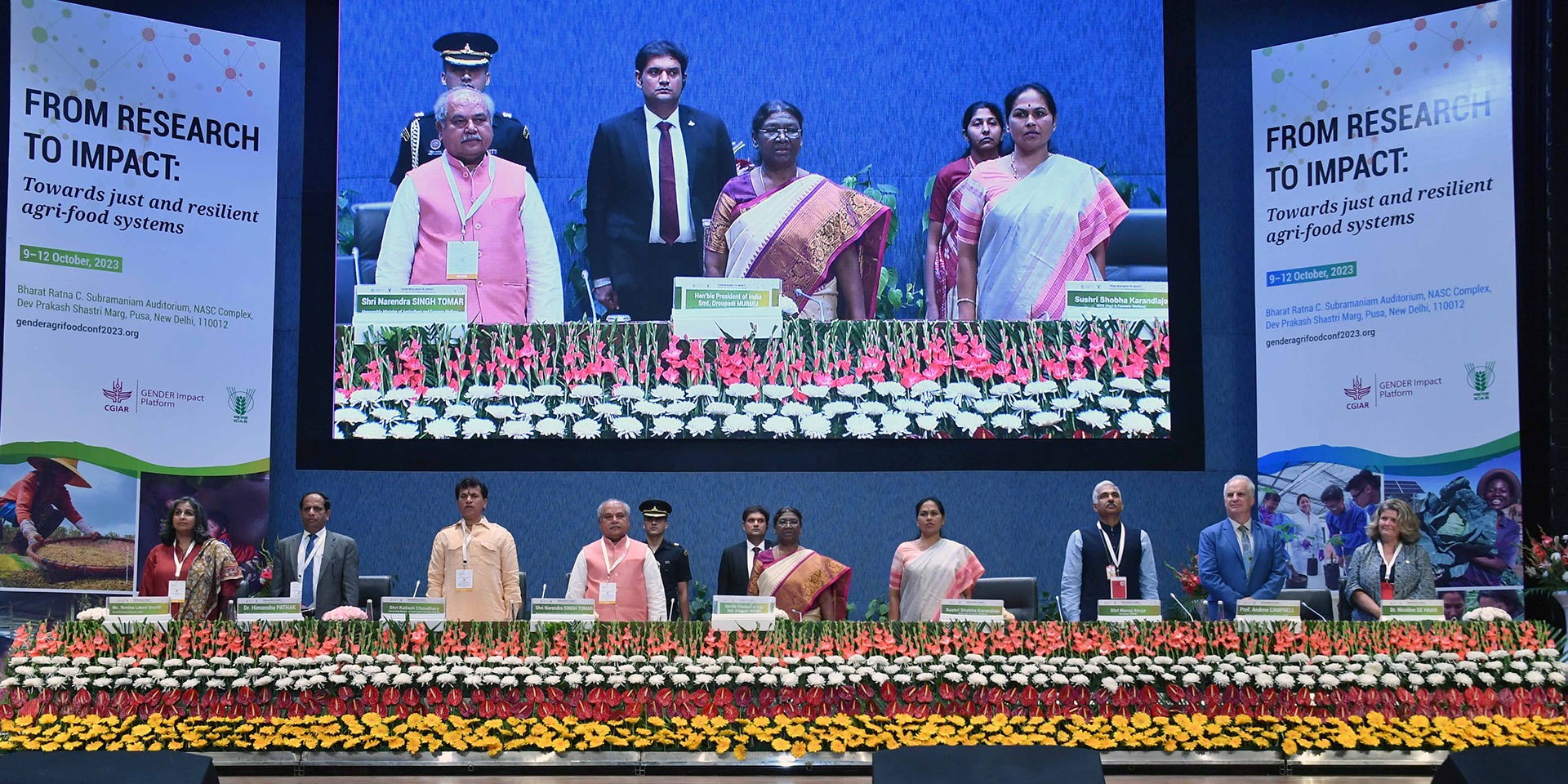
President Murmu endorsed the GENDER platform’s emphasis on “putting equality and inclusion at the heart of food systems research by focusing on women not as the objects of transformation, but as the agents and drivers of the transformation.”
Interestingly, President Murmu was herself the daughter of farmers and began her career in 1979 at Odisha’s Irrigation and Power Department.
Women of the soil
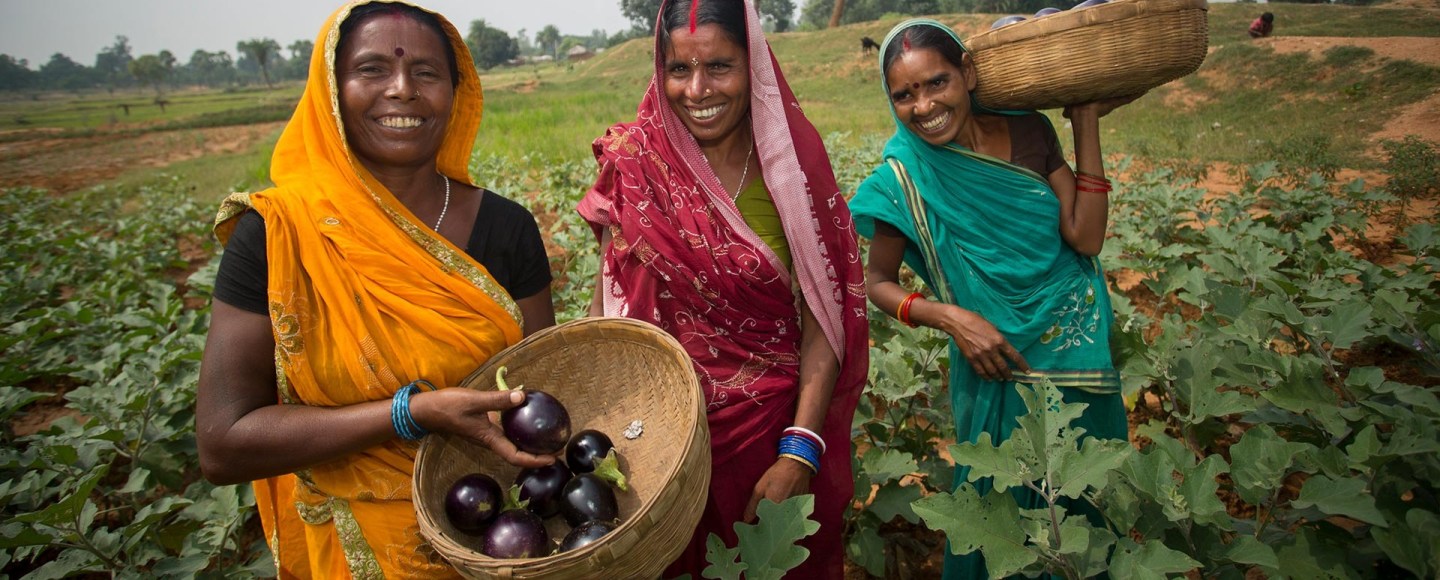
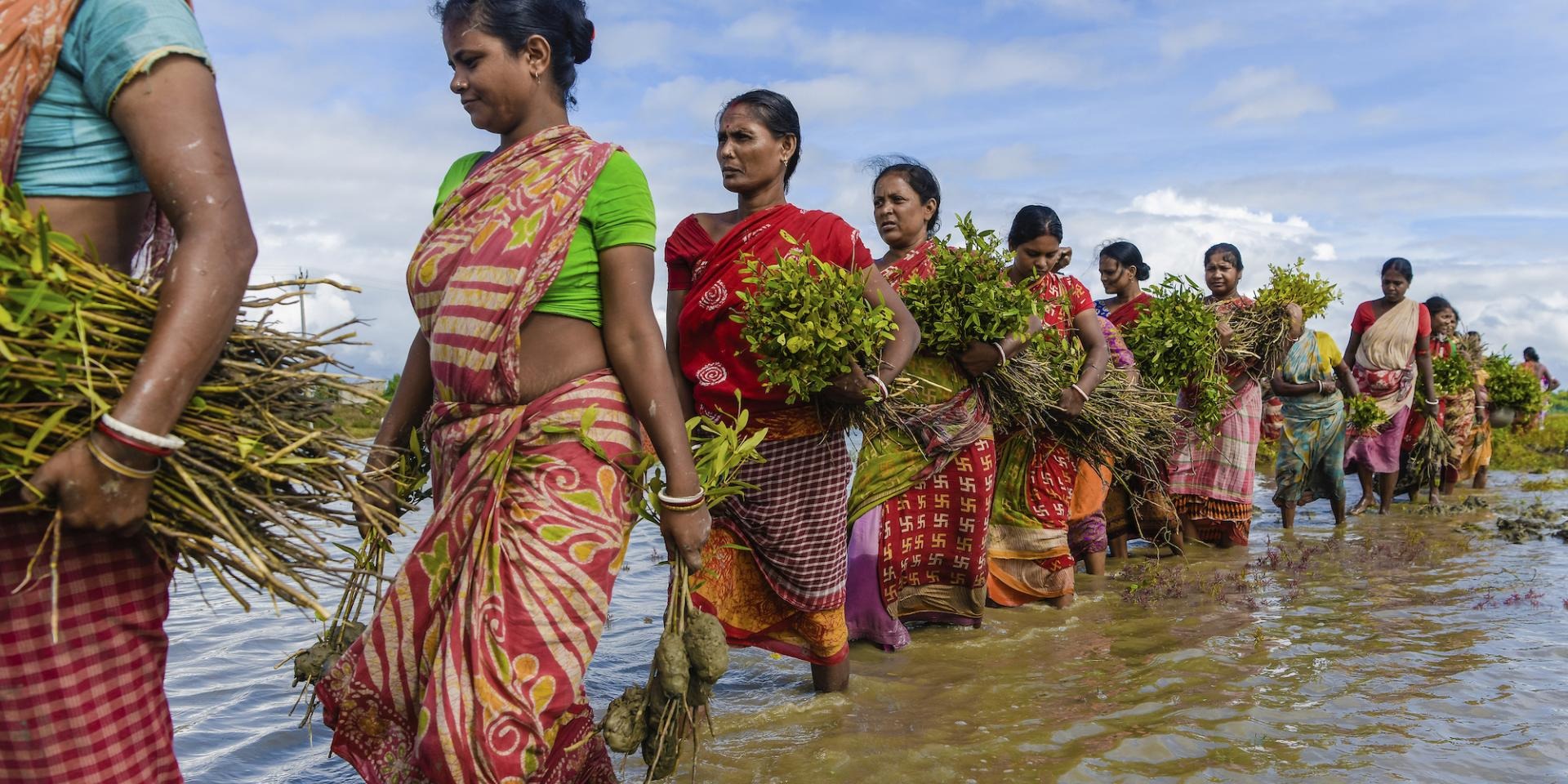
Agriculture in India is increasingly becoming a female activity. Four of out five women in rural areas are engaged in agricultural labour. Women comprise 33 per cent of the total agricultural labour force and 48 per cent of self-employed farmers.
In certain sectors, it is largely women doing the heavy-lifting. ICAR research reveals that the participation of women is 75 per cent in the production of major crops, 79 per cent in horticulture, 51 per cent in post-harvest work and 95 per cent in animal husbandry and fisheries.
And yet, research has also found that there is a huge gender gap in farm productivity, with enterprises managed by women being about 20 to 30 percent less productive than those managed by men. These gaps are primarily the result of unequal access to resources or control over how they are used.
They are also due to structural, social and cultural inequalities that prohibit women from adequately utilising resources, such as government schemes for farmers and avenues for retail.
In her inaugural address at the conference, President Murmu dwelt on this inequality when she said, “Still across the world, women are held back and are stopped by discriminatory social norms and barriers to knowledge, ownership, assets, resources and social networks.”
She added that the contribution of women is not recognised, their role is marginalised, and whole chain of the agri-food systems denies them their agency. “Their story needs to change,” she asserted.
Giving women chicken is not empowerment
“Certain groups say, ‘We’ll give women chickens and then they’re empowered’. I always jokingly say, at least she’ll have one good meal,” says Dr Nicoline de Haan.
A lot of women don’t even understand decision-making, she explains. “Can they actually use the chickens or seeds we give them, build a farm, build a business related to it, take it to the next step and market it?” she asks.
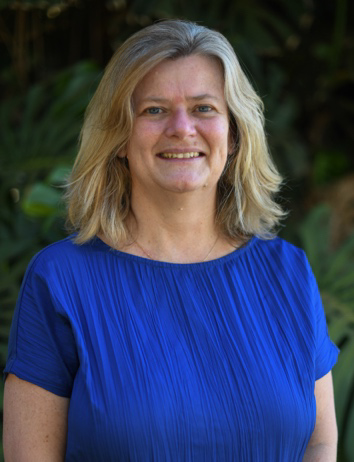
A senior researcher with more than 15 years of expertise in gender, rural livelihoods, agriculture and natural resource, Dr Haan believes policies and household dynamics make a significant difference in how women access and utilise resources. They are also more vulnerable to climate change. For example, women are more likely to go hungry in the aftermath of extreme weather events.
At the same time, she points out, no one can ‘empower’ anyone else. “We can only develop the system that makes things better, but people empower themselves. Empowerment can mean different things for different people. Having choice is empowerment,” she says.
Her team is currently working on a three-year research initiative across seven countries: India, Bangladesh, Ethiopia, Malawi, Mali, Nigeria and Tanzania. Titled HER+, the project funds social science research on climate resilience for women. They have identified four aspects that limit women’s productivity and resilience to climate change worldwide:
- Women’s lack of agency to set their own goals and make their own decisions
- Women’s lack of access to, and control over, resources, such as land and water
- Restrictive social norms that discriminate against women
- Policies that fail to include and benefit women
While many countries have made progress in terms of women’s leadership, simply having a woman politician in power does not ensure gender equality on the ground. “In fact, it’s a lot of pressure on these woman leaders to represent all women,” says Dr Haan.
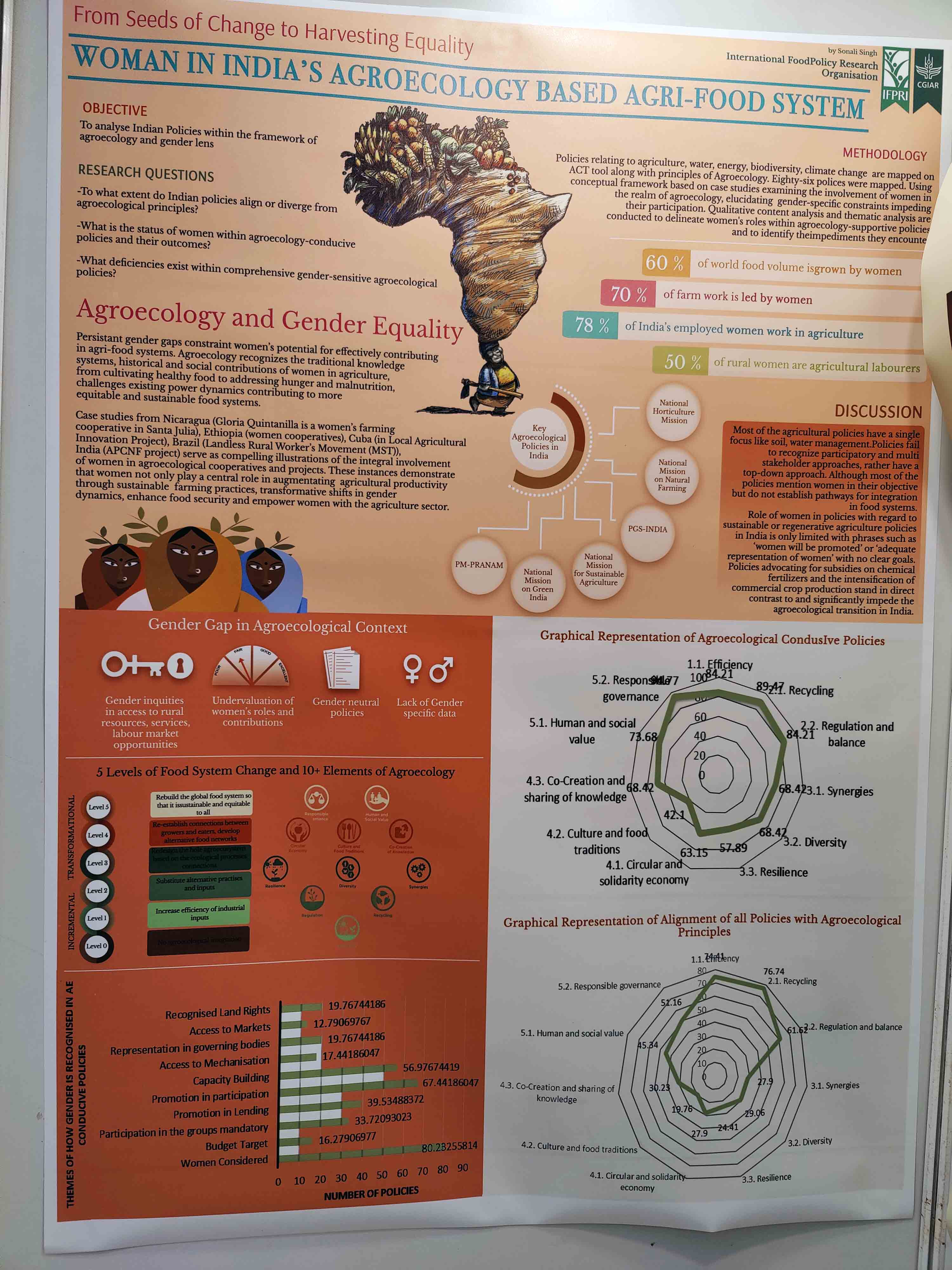
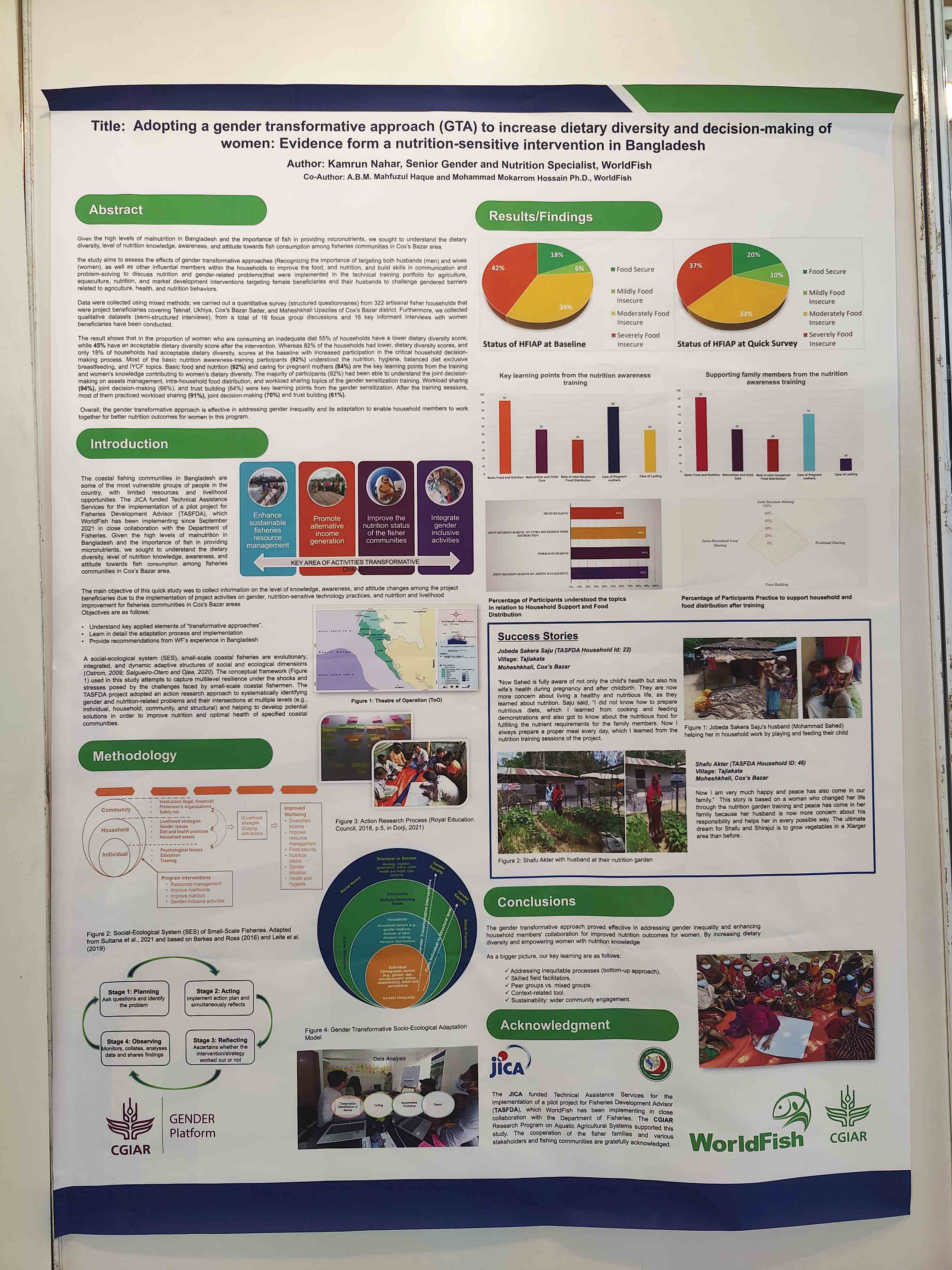
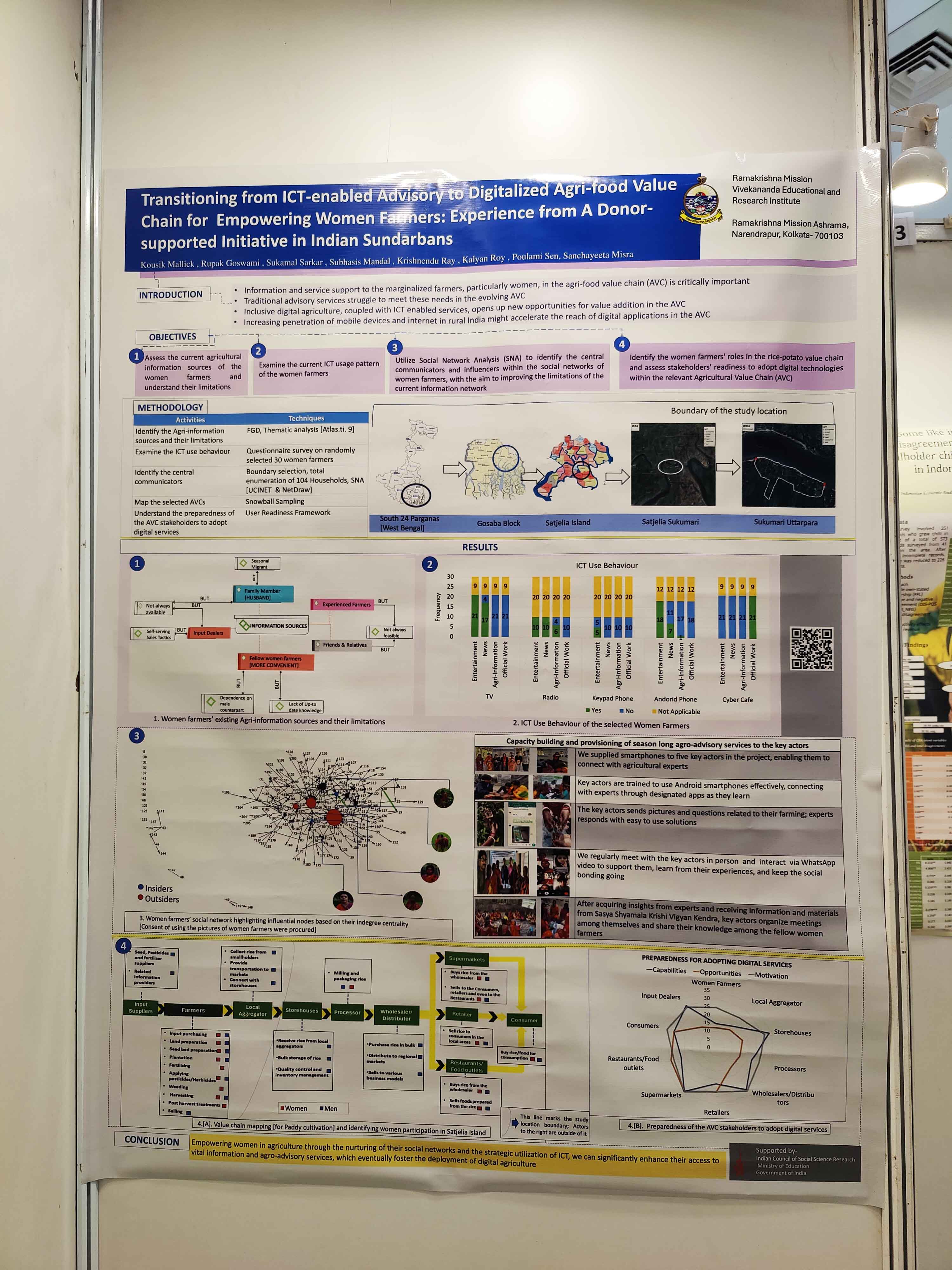
Importantly, it’s the systems that need changing, and men in political leadership are sometimes as willing as women in ensuring equal opportunities for women farmers if they are convinced that the outcome will be beneficial for everyone.
That’s where the role of researchers like those at CGIAR and ICAR comes in.
Gender and food systems
One of the global comparative research initiatives undertaken by CGIAR in 137 rural communities in 26 countries, GENNOVATE looks at how gender norms and agency influence people to adopt innovation in agriculture and natural resource management. Using discussion groups and individual interviews, they have interacted with more than 7,500 rural participants of different socioeconomic backgrounds and age groups.
Their findings compare local women’s and men’s expected roles and behaviours, and underscore “how these social rules affect their ability to access, adopt, adapt and benefit from innovations in agricultural and natural resource management”.
“Gender is so embedded in global food systems, it’s not just one thing that needs to be fixed. What we’re trying to do is reduce the barriers,” says Dr Haan, who did her PhD in rural sociology from University of Missouri, Colombia, USA.

The Netherlands-born scholar describes her role as ‘chief herder’ bringing diverse research teams from around the world together on the GENDER platform and to collect evidence that will be used for policymaking.
“People underestimate the fact that we all need a network to support ourselves and keep ourselves going,” she says. “The idea is to consolidate all the gender research and push it forward so that we don’t re-do the same thing in different groups.”
She points out that the agricultural sector is different from others in that it has traditionally been driven by family labour, and women have never been paid. “They were just part of the farm,” says Dr Haan.
In most countries, even today, women are not recognised as farmers in their own right, but as the ‘wife of the farmer’ who is the male head of the family. Women own only 13 percent of farmland, which also makes it less likely for them to have access to finances and bank loans.
With their work, these social scientists aim to leverage research to ensure that women optimise their productivity, get their rightful due, and spearhead the transformation of agriculture and food systems.
Lead image: CGIAR
Discover more from eShe
Subscribe to get the latest posts sent to your email.
 eShe
eShe 
Well written! I attended this event and wrote about
https://agrilinks.org/post/gender-research-transforming-agri-food-systems-why-and-what-impact
LikeLiked by 1 person
Great! Thanks for sharing
LikeLike
I have commented at the end of the article but I am appearing as anonymous reply. It’s not showing my name. I loved the article Sara
LikeLiked by 1 person
Beautifully written Aekta Kapoor
Yes!! Women are always marginalized by giving them less access in their respective fields
LikeLiked by 1 person
Beautifully written women need to be recognized for their efforts in every field.
LikeLiked by 1 person